The 10 Best Electric Guitar Strings
Updated by · How we research

Ten electric string sets compared on gauge, coating, wrap metal and feel, from light 9s to jazz flatwounds. The Ernie Ball Regular Slinky is our everyday pick. When users buy our independently chosen editorial selections, we may earn commissions to help fund the Wiki.
Switching gauge changes how a guitar plays far more than switching brands does. A set of 9s bends with light pressure, 10s are the usual standard, and heavier sets add body for lower tunings. Uncoated strings can go dull within weeks on sweaty hands, so a coating matters most to players who practice daily and change strings rarely.


Editor's Notes
October 27, 2026, by Ezvid Wiki Admin:
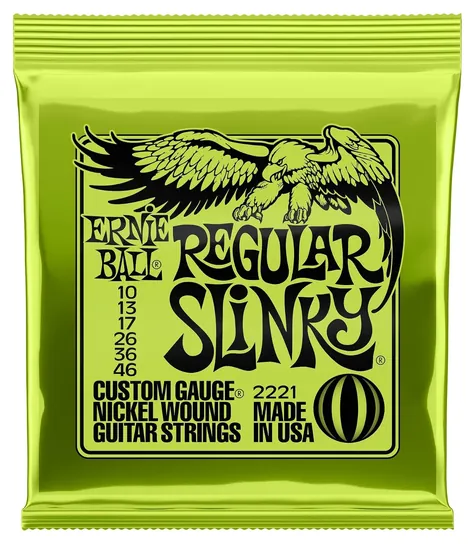
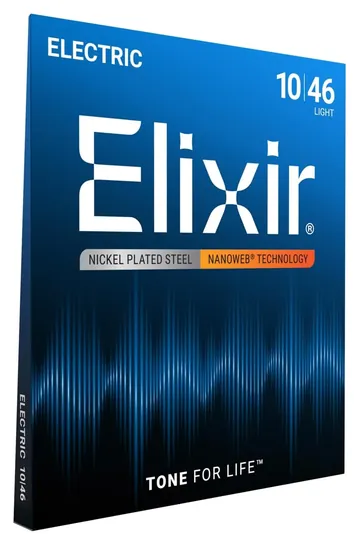
The Ernie Ball Regular Slinky now leads this list. It's cheap enough to change often, it's stocked nearly everywhere, and its gauge is the one most other sets get measured against. The Elixir Nanoweb, the old leader, stays as the pick for players whose strings corrode fast.
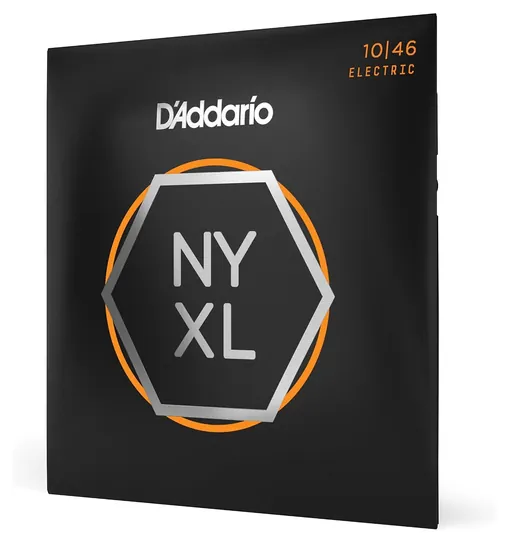
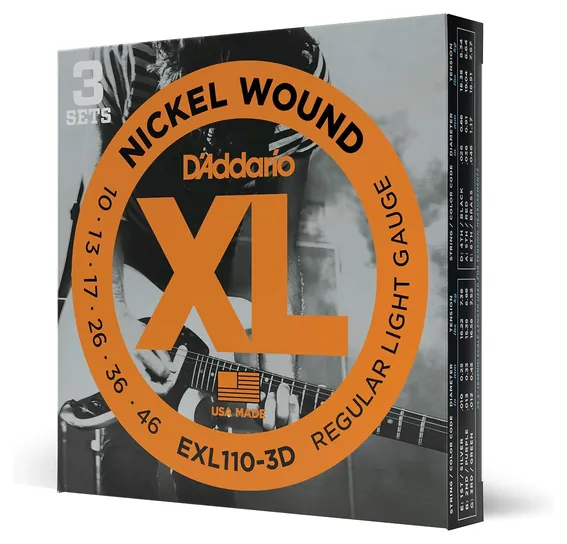
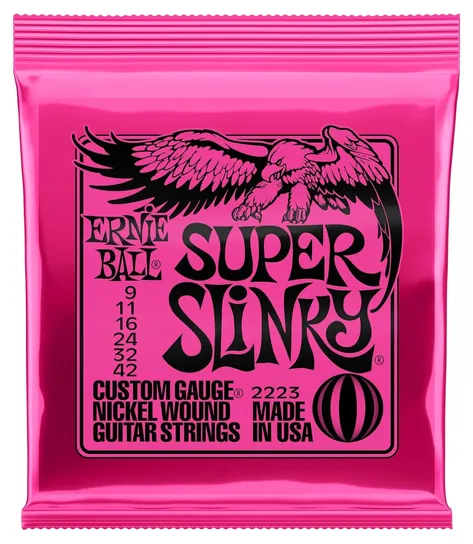
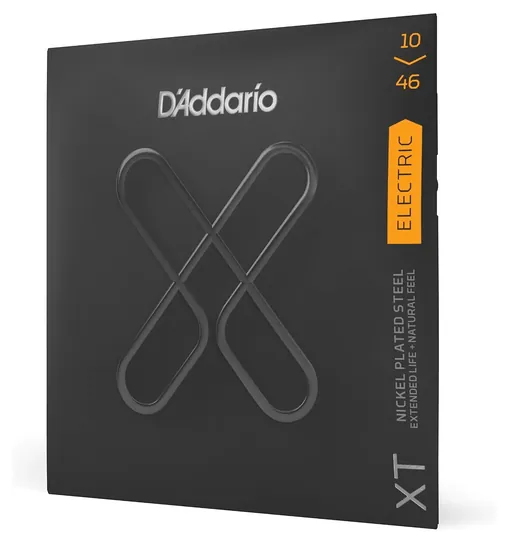
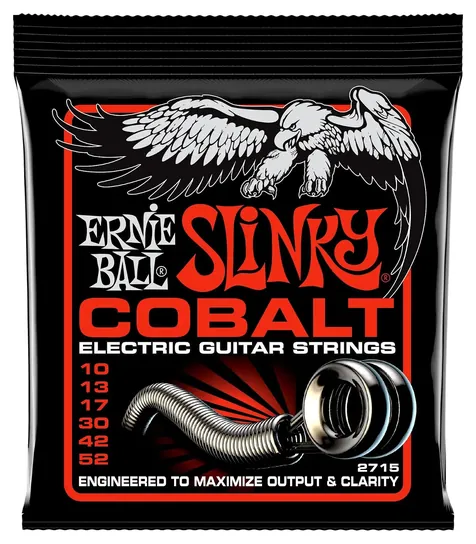
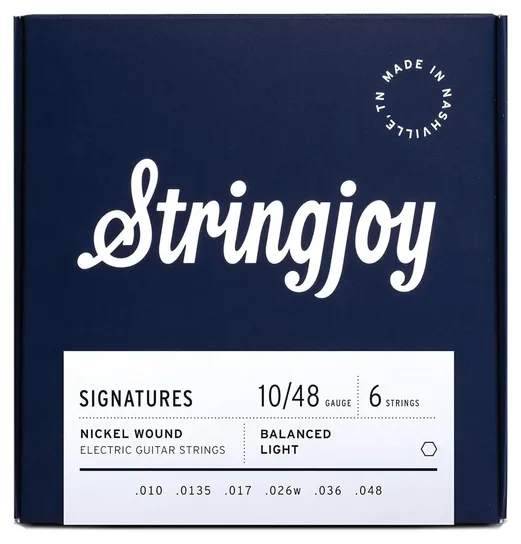
Three sets are gone. The Gibson Brite Wires have disappeared from sale, the Reverend Willy signature set had no reliable price or stock, and the Elixir Optiweb overlapped too much with its Nanoweb sibling. The old D'Addario Nickel Wound entry is now the standard D'Addario NYXL1046 set, and the Ernie Ball Slinky entry now points to the Regular Slinky gauge. New picks are the Ernie Ball Super Slinky for tender fingertips, the D'Addario XT as a cheaper coated choice and the Stringjoy Signatures Balanced Light for an even feel.
String life is the hardest thing to judge here, since nobody tests it in a standard way, so we weighed how each set is built (core shape, wrap metal and coating) against what guitarists report about rust, breakage and feel, and treated every lifespan and tuning figure as the maker's claim.
April 10, 2019:
Thanks in large part to their unparalleled tone and durability, the Elixir Nanoweb retained their spot at number one. Honestly, I've got a set of these on my go-to strat that I haven't changed in a shamefully long time, and they still sound great. Dropping out of our top three and plummeting all the way to number 8 were the Ernie Ball hybrid slinkies. This wasn't so much about their initial tone, which is punchy and aggressive enough to please just about anyone playing rock or one of its many subgenres. Rather, it was a question of that tone's durability that sent these strings packing. Some players might like to change their strings long before they'd come close to breaking, and the slinkies have a price point that might allow for it, but it's just more hassle than it's ultimately worth. Issues with a weak high E string brought the Reverend Willy set all the way down to our last spot, but climbing a good ways up the list were D'Addario Accordions, which hit a sweet spot for price, tone, and durability like few others.
Special Honors
Stringjoy Custom Sets Players who want an odd gauge, such as a heavier low string for one tuning, can order a custom set built to their own gauges from Stringjoy's Nashville shop. It's a good way to try a balanced or hybrid set before committing to a stock one. stringjoy.com
Pick The Gauge Before The Brand
Sets of 11s and up suit drop tunings and players who dig in hard.
Gauge, the thickness of the strings, changes how a guitar plays more than any brand does. Sets are named by the high and low string, in thousandths of an inch. A heavier string needs more tension to reach the same note (Wikipedia: String (music)), so it feels stiffer, takes more effort to bend and gives a fuller sound.
Most players settle on 10-46, the set Ernie Ball calls the industry standard. A 9-42 set is easier on beginners' fingertips and on lead players who bend a lot, at the cost of some body. Sets of 11s and up suit drop tunings and players who dig in hard. Hybrid sets mix a light top with a heavy bottom, so solos stay easy while low riffs stay firm.
Changing gauge changes the pull on the neck. A move of one step, from 10s to 9s or 11s, can need a truss rod tweak and new intonation, and a much heavier low string can stick in the nut. A guitar tech can do this in one visit if you'd rather not.
Coated Or Uncoated
Sweat, skin oil and humidity corrode the wound strings, and that's what makes a set sound dull and feel gritty. Uncoated strings can lose their sparkle in anything from one to six weeks, depending on how much you play and how much your hands sweat (Change Your Strings).
Coated strings carry a thin polymer layer that slows corrosion. Elixir coats the whole wound string, while D'Addario uses a thinner treatment on its XT line that aims to keep a bare-string feel. They cost about twice as much per set. Makers claim they last three to five times longer, but no independent lab tests string life in a standard way, so treat those figures as marketing.
The math is simple. If you change strings every couple of weeks, uncoated sets are cheaper and always fresh. If a set stays on for months, or your strings rust fast, a coating usually pays for itself.
Wrap Metal And Winding
An electric pickup is a magnet, so it only hears strings with a magnetic wrap and core. That's why electric sets use steel and nickel, and why acoustic bronze strings sound weak through a pickup.
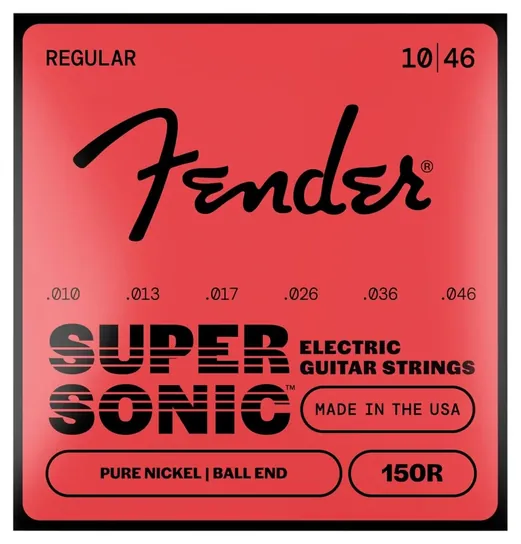
Nickel-plated steel is the default: bright, balanced and cheap. Pure nickel, the common wrap before the 1970s, sounds warmer with softer highs and a little less output, which suits blues and classic rock. Fender still makes its pure nickel 150 sets. Ernie Ball's cobalt wrap is meant to react more strongly with the pickups for extra output; that's the maker's claim. Stainless steel wraps exist too, and they sound brighter and feel harder on frets.
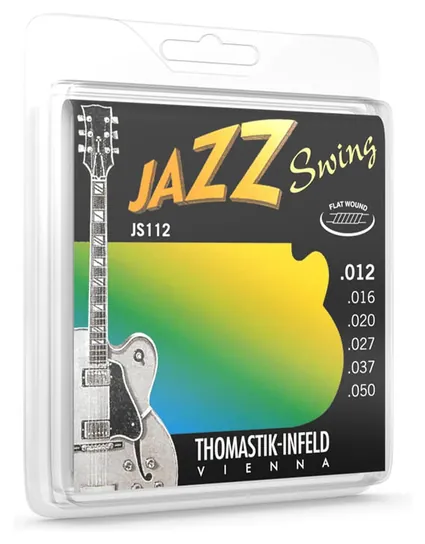
Winding shape matters as much as metal. Roundwound strings, the norm, are bright but squeak under sliding fingers and wear frets faster. Flatwound strings are wrapped in a flat ribbon, so they feel smooth, sound darker and last much longer, but they're stiffer to bend and cost more (Wikipedia). Jazz players favor them; Thomastik-Infeld is the classic maker. Halfround strings sit between the two.
How we researched this
We compared 20 electric string sets from 10 brands, read each maker's construction details and gauge charts, used string-construction and string-care references, looked at what guitarists report about corrosion, feel and breakage, and checked every brand against the U.S. Consumer Product Safety Commission's recall database. No independent lab tests string life or tone in a standard way, so the life and tuning figures on this page are the makers' own.
Frequently asked questions
How often should I change electric guitar strings?
When they sound dull, won't hold tune or feel rough under your fingers. For uncoated strings that's often every one to six weeks, depending on how much you play and sweat. Coated strings last longer.
What gauge should a beginner use?
A 9-42 or 10-46 set. Nines are easier on new fingertips and bend more readily; tens sound a little fuller and are the most common factory setup. Moving between them may need a small setup adjustment.
Do coated strings sound different?
Slightly. Heavier coatings can soften the brightest highs and feel slicker. Thinner treatments aim to sound and feel close to bare strings. Most players notice the feel more than the sound.
Can I put acoustic strings on an electric guitar?
Not usefully. Acoustic strings are usually wrapped in bronze, which a magnetic pickup barely hears, so the guitar sounds weak and uneven. Use strings sold for electric guitar.
Can flatwound strings go on any electric guitar?
Yes, as long as the gauge suits the guitar's nut and setup. Heavier flatwound sets add tension, so a truss rod adjustment may be needed.
How do I cut string ends safely?
Trim the tails with wire cutters after the string is tuned up, and point the end away from your face. Cut ends are sharp, so bag old strings before throwing them away.