The 8 Best Intercom Systems
Updated by · How we research

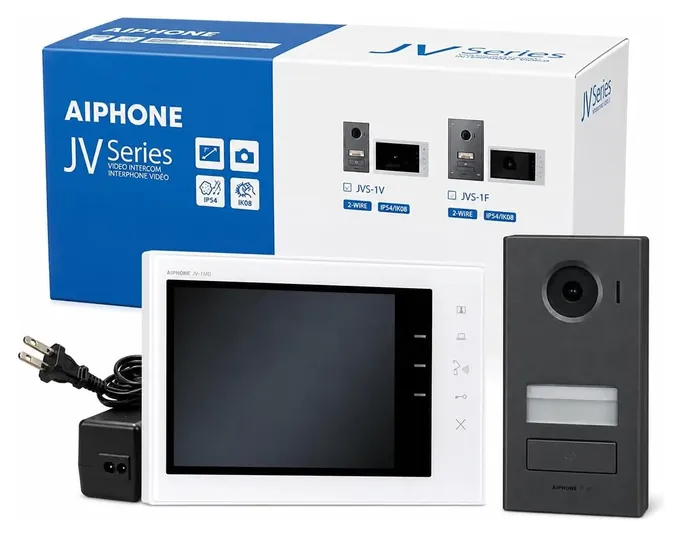
Wired intercoms for a front door, rooms, a shop or a teller window compared, from a cheap video kit to whole-home audio. The Aiphone JVS-1V leads for houses. When users buy our independently chosen editorial recommendations, we may earn commissions to help fund the Wiki.
Most intercom trouble starts in the wall, not the box: each maker's system needs its own cable type and runs only with its own parts, and most door locks need a separate power supply. This page covers wired systems for houses, apartments, shops and service counters. Plug-in wireless units have their own page, linked in the guide below.


Editor's Notes
November 16, 2026, by Ezvid Wiki Editors:
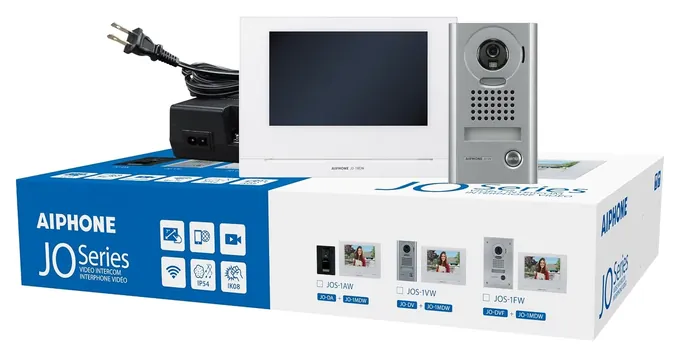
This page is back, and it now sticks to wired systems. The Aiphone JVS-1V leads because it runs on two thin wires, often the doorbell wire a house already has, and Aiphone backs it for five years. If you'd rather answer from a phone, the Aiphone JOS-1VW does that on the same kind of wiring. Wireless plug-in units now live on our wireless intercom list, so we didn't repeat them here.
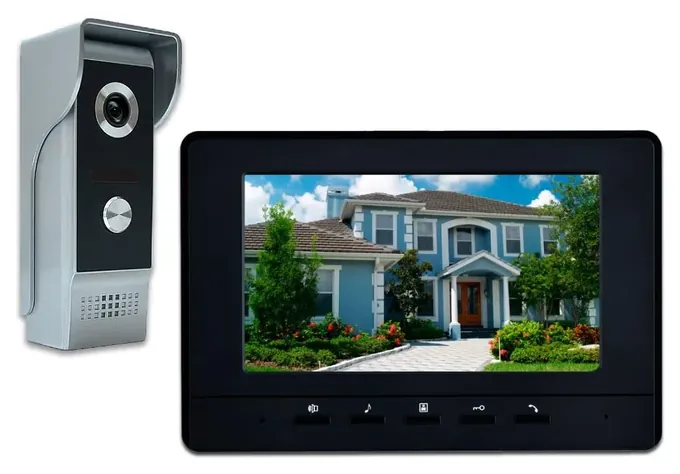
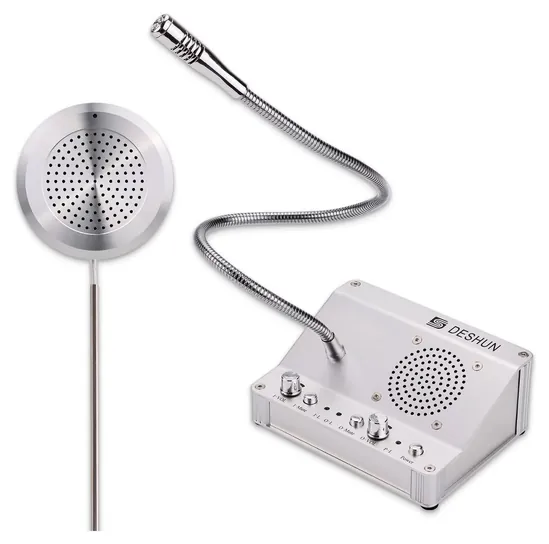
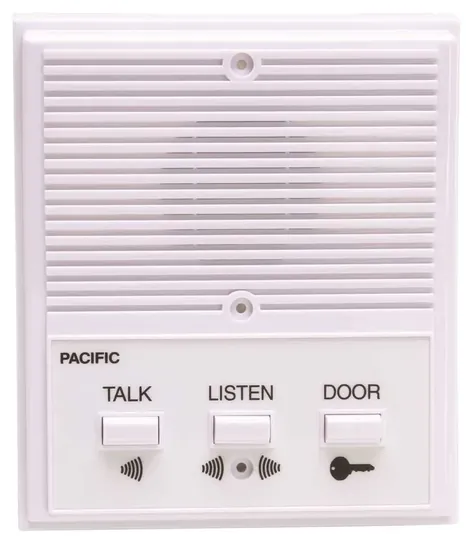
No lab tests wired intercoms, so we leaned on Aiphone's installation manuals, data sheets and warranty terms, Intrasonic's manuals, installer guides on wire gauge and door releases, and owner feedback on the budget kits. That's why a cheap clone kit or two didn't make it: no documents and too little feedback. The DESHUN DS-2008 and the Pacific Electronics 3404 cover two narrow jobs, a teller window and a single dead apartment station, that readers ask about.
Special Honors
Aiphone GT Series Apartment buildings and condos need a call panel with a button or directory per unit, which no house kit offers. Aiphone's GT series is its multi-tenant line, with entrance panels for many units and audio or video in each apartment. It's sold and installed through Aiphone dealers on a quote, so contact one for pricing. aiphone.com
Wire Decides The Install
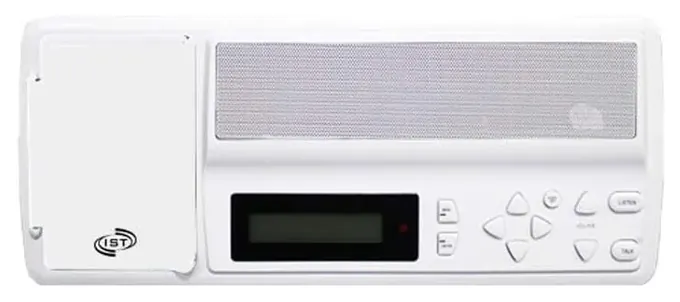
Old whole-house systems from Nutone or M&S left three- to seven-wire runs behind, which the Intrasonic Retro-M can reuse.
Before you pick a screen, look at what's in the wall. Each system wants a particular cable, and the makers don't mix. Aiphone's two-wire video kits, the JV and JO series, need plain solid two-conductor wire, like doorbell wire, and can run about 165 feet on 22-gauge or 330 feet on 18-gauge between door and screen. Coax and four-conductor quad cable are ruled out, per the JV installation manual.
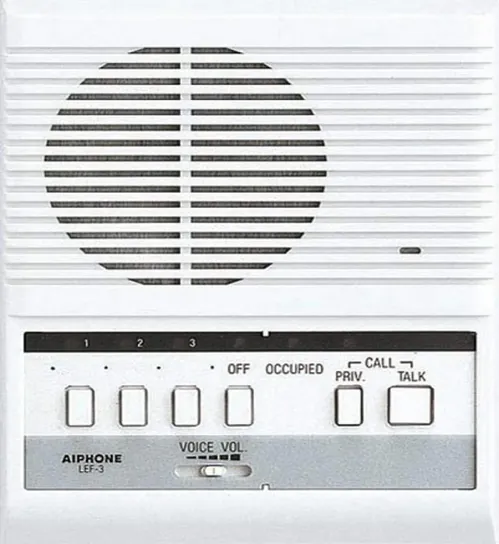
Audio systems go much farther. The Aiphone LE line uses three-conductor shielded cable and reaches 650 feet on 22-gauge or 1,600 feet on 18-gauge, according to the LE-D data, and its parts only work with other LE parts. Budget video kits usually run on four wires and get flaky on long, thin runs. Old whole-house systems from Nutone or M&S left three- to seven-wire runs behind, which the Intrasonic Retro-M can reuse. Apartment buildings are the strictest case: a four-wire station won't work on a three-wire or six-wire building. If you're starting from bare walls, Swiftlane's wired intercom overview explains the cable types, though it's written by a company that sells systems.
Door Releases, Power And Fire Code
Most intercoms don't power a lock, they only switch one. The Aiphone JVS-1V has a dry contact rated for 24 volts and 1 amp, so an electric strike or magnetic lock needs its own supply wired through it. Cheap four-wire kits can drive a plain electronic lock straight from the monitor, but strikes, bolts and mag-locks need a separate power controller. Keep the door-release wiring apart from the talk and video wiring, as Aiphone's manual asks, and use the UL-listed power supply that comes in the box.
Choose the lock for the door. Electric strikes suit doors with a latch; mag-locks suit glass or heavy doors. On a door people use to get out, a mag-lock must unlock when power fails, and any lock must still open from the inside by hand. Check the building and fire codes where you live, or ask a locksmith, before an intercom controls a door anyone might need to escape through.
Which Kind Of System, And What It Costs
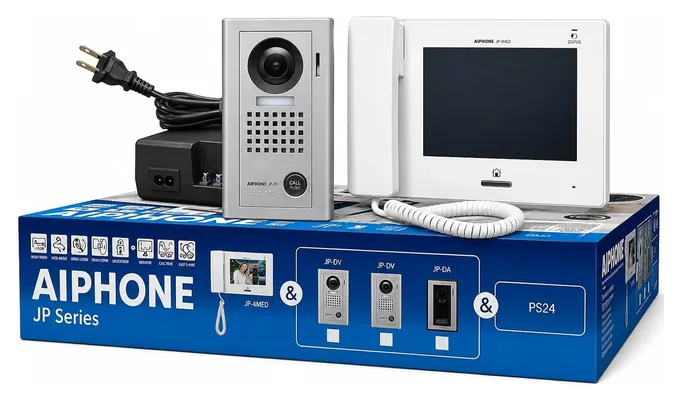
Audio-only systems are the cheapest and simplest to wire, and they're good for room-to-room calls. Video adds a face at the door. An app adds answering from anywhere in the house or yard. Aiphone's own guide sorts its lines the same way: JV for single-family homes, JO for small businesses that want the app, JP for larger homes and schools, GT for multi-tenant buildings and IX for networked sites with thousands of stations. Wireless plug-in units that need no wiring at all are on our wireless intercom list.
Equipment for audio runs from about 50 to 450 dollars, video from about 600 dollars up, and HomeAdvisor's installed figures for homes reach 1,500 to 15,000 dollars, as Swiftlane reports. Aiphone gives its J-series video kits a five-year warranty and most other series two years, with an extra year if you use Aiphone wire (Aiphone warranty). It's a repair-at-the-bench warranty, and Aiphone sells through dealers, so ask the seller how warranty claims work. If a video unit records sound, some states require everyone's consent; a University of Richmond law review piece covers the basics, and pointing the camera at your own entrance keeps you on safer ground.
How we researched this
We compared 22 wired intercom kits and parts, read Aiphone's data sheets, installation manuals and warranty terms and Intrasonic's manuals for the finalists, used installer and trade guides on wiring, door releases and fire codes, analyzed owner feedback patterns, and checked each brand against the U.S. Consumer Product Safety Commission's recall database.
Sources (11)
- Aiphone: JVS-1V product page
- Aiphone JV series installation manual
- Aiphone: JO series (JOS-1V/JOS-1VW)
- Aiphone: LE-D door station
- Aiphone LEF-5 technical specifications
- Aiphone intercom guide
- Aiphone warranty, repair and return
- Swiftlane: overview of wired intercom systems
- Bob Vila: best home intercom systems
- Richmond Journal of Law and Technology: smart doorbells and audio recording
- U.S. CPSC SaferProducts recall search
Frequently asked questions
Is a wired or wireless intercom better?
Wired systems give steadier sound and video and don't drop out, but they take more work to install. Wireless plug-in units go in in minutes and are mostly audio only; they're on our wireless intercom list.
Can I reuse my old doorbell wire for a video intercom?
Often, yes, with a two-wire system such as the Aiphone JVS-1V or JOS-1VW. The wire must be solid, unshielded two-conductor cable within about 165 feet on 22-gauge or 330 feet on 18-gauge. Coax and quad cable won't work.
Will an intercom unlock my door?
Most switch a lock but don't power it. An electric strike or mag-lock needs its own power supply, and a door people exit through must still open from the inside if the power fails.
Can I answer the intercom from my phone?
With the Aiphone JOS-1VW, yes: its app works on up to eight phones and can release the door. The JVS-1V, LEF-3 and the budget kits here answer only at the indoor station.
How much does an apartment intercom system cost?
Building systems are quoted by dealers. Video equipment starts around 600 dollars, and installed systems often run into the thousands. Replacing a single dead apartment station can cost about 30 dollars.
Which intercom has the best audio quality?
No lab measures intercom sound. The practical difference is hands-free talk, where both sides speak at once, versus push-to-talk. The JV and JO video kits are hands-free; the LE audio master uses a talk button.