The 10 Best Wearable Cameras
Updated by · How we research

Thumb-size POV cams, action cameras and all-day body cams compared on battery, mounting and night vision. The Insta360 GO Ultra leads for hands-free filming. When users buy our independently chosen editorial selections, we may earn commissions to help fund the Wiki.
The smallest wearable cameras stick to a collar with a magnet and barely show, but most run only about an hour before they need their charging case. Belt-clip body cameras last a full work shift and see in the dark, though they look like security gear. This page covers both, plus action cameras for helmets, chest harnesses and water.


Editor's Notes
October 23, 2026, by Ezvid Wiki Editors:
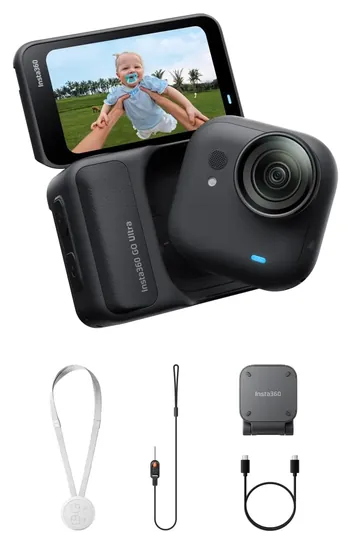
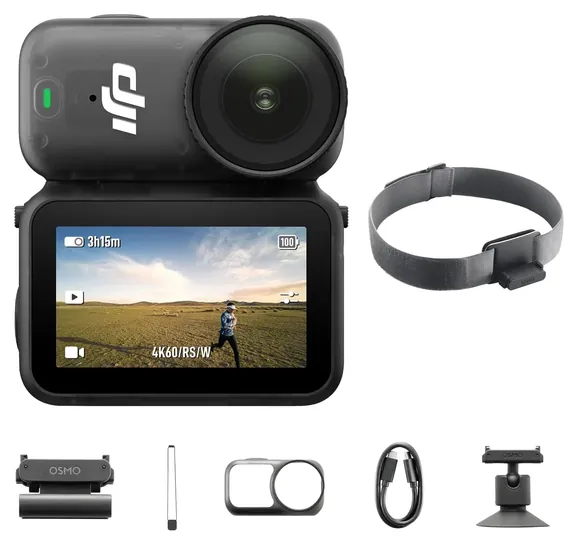
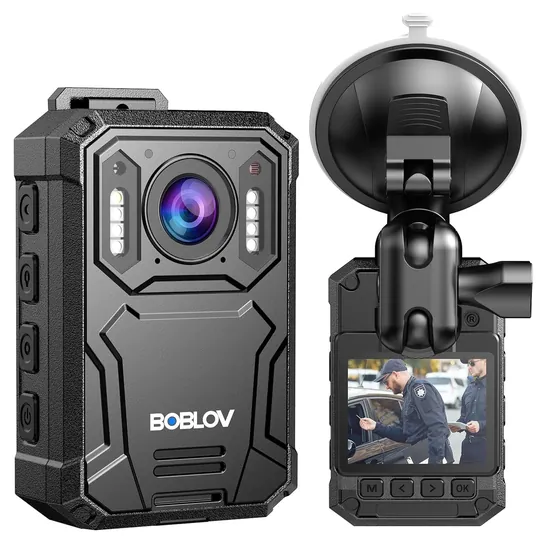
Wearable cameras changed shape since this list was last ranked. The best ones are now magnetic, thumb-size cameras, so the Insta360 GO Ultra leads, with the DJI Osmo Nano close behind for people who edit their footage. Plenty of readers arrive looking for body cameras, so that type now has its own picks, led by the Boblov M5.
Every old pick is gone. The GoPro Hero9 Black, Akaso Brave 6, Insta360 One R and the rest are a generation or more behind, the Opkix One is no longer sold, and the VTech KidiZoom Action HD is unavailable.
The evidence behind the new list: DJI's published spec sheets, a long roundup of POV cameras from Digital Camera World, a detailed Osmo Nano review, and the makers' own ratings for the budget body cameras, which no independent outlet has reviewed. If you plan to record audio, read the privacy section below first.
Earlier notes
November 3, 2020, by Fred Naumann:
Camera companies are constantly innovating in an attempt to outdo one another when it comes to performance specs, which means that there have been quite a few upgrades and novel releases since we last updated this list. Our previous #1 entry, the GoPro Hero8 Black, has been supplanted by the GoPro Hero9 Black, which boasts a much wider image sensor that lets it shoot 20-megapixel stills and eye-popping 5k video. It also provides a range of nifty software features, like the ability to schedule a time lapse in advance, or to retrieve footage from slightly before you tell it to start recording. We've also replaced the kid-friendly VTech Kidizoom Action Cam 180 with the new and improved VTech KidiZoom Action HD, and swapped out the Emperor Of Gadgets Headset for the Ordro EP7 based on its higher resolution and image stabilization.
The Insta360 One R Twin Edition is a particularly creative new offering, with a modular chassis that allows you to switch in different lens blocks depending on what kind of video you want to capture. Although it costs a bit more than the GoPro Hero9 Black, it's essentially two cameras in one, with the option to expand it even further by purchasing new add-ons.
We also added the Opkix One, which focuses on portability and ease of use over all else. It's not recommended for pros, since its white balance, frame rate, and other settings are locked in, but it's great for casual users looking for a bite-sized point-and-shoot option. It's also the closest thing we could find to a replacement for the intriguing but ultimately flawed Google Clips, which is being phased out by its manufacturer.
Finally, we wanted to highlight the one entry that we chose not to replace with a newer model: the Boblov Law Enforcement Worn. Though numerous competitors have hit the market in recent years, this was the only one we could locate that combined an ultra-wide-angle view, 1296p resolution, and motion activation. We did add an alternative law enforcement-style option, the Rexing P1, which includes some specialized features that make it great for public servants gathering evidence. Most notable is the ability to stamp shots with time, date, and GPS coordinates, though the password protection is useful as well.
November 25, 2019, by Daniel Imperiale:
We wanted to make a concerted effort in this iteration of our ranking to avoid products that might be made on the cheap, and to stick as often as possible to established brand names. That's why you see the GoPro Hero8 Black and Google Clips regarded so highly. It's also why we got rid of Eyeclub Spy Watch on our old list. No only was this a poorly made piece of tech, it was also poorly conceived of for a spy camera, as it could scarcely record any useful video while strapped to your wrist, unless the user was seated completely still and held their arm at just the right angle.
Some other offerings were removed due to increases in the base resolutions that consumers have come to expect. Anything below 1080p is regarded as outdated, with the sole exception of the VTech Kidizoom Action Cam 180, as it's intended for use by children, whose standards are a little less specific.
The rise in use of body cams by police and other law enforcement officials led us to include the Boblov Law Enforcement Worn, which is a surprisingly capable option for its price point, and which could readily be employed by small towns and local officials who don't already have contracts with Taser or other big name brands in the body cam industry.
Three Kinds Of Wearable Camera
The Insta360 GO Ultra runs about 70 minutes on its own and the DJI Osmo Nano about 90 minutes at 1080p, so both lean on a charging dock for longer days.
Thumb-size magnetic cameras are a recent type. Digital Camera World calls them a new sub-category of action camera: a camera of about 50 grams that snaps to a magnet pendant under your shirt, a hat clip or a lanyard, and records 4K video. The trade-off is battery. The Insta360 GO Ultra runs about 70 minutes on its own and the DJI Osmo Nano about 90 minutes at 1080p, so both lean on a charging dock for longer days.
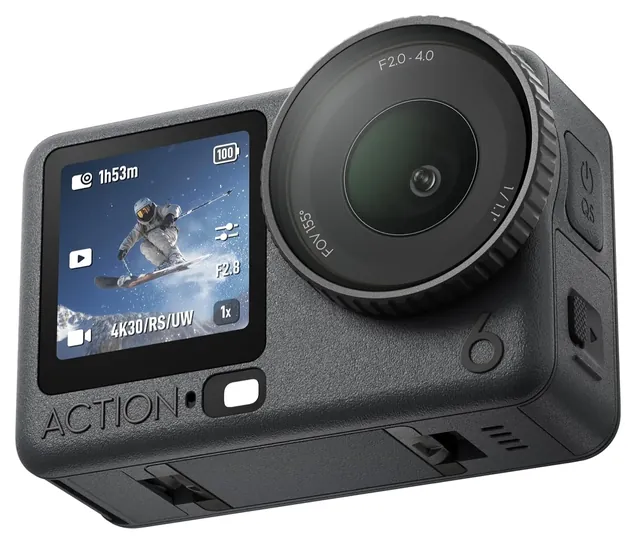
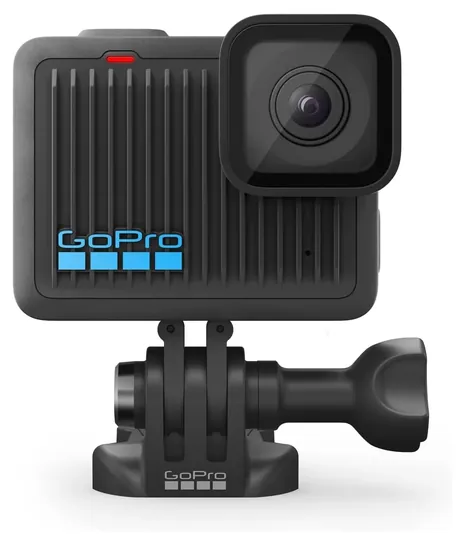
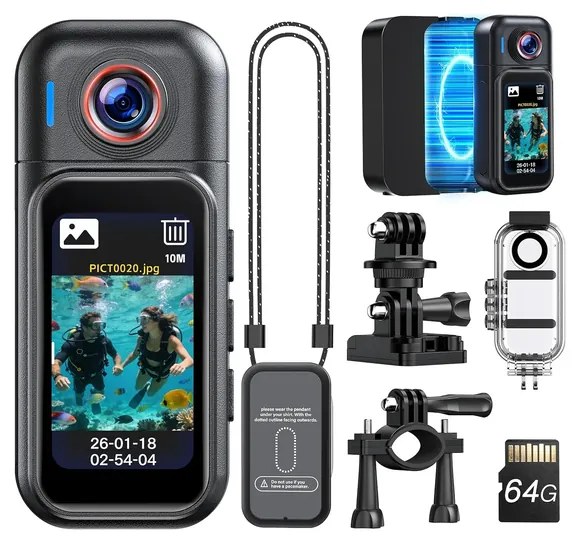
Action cameras are bigger and tougher, and they go on a helmet, chest harness, handlebar or head strap. DJI's Osmo Action 6 spec sheet lists 20 meters of depth without a case and up to 240 minutes of recording in its lab conditions. At about 150 grams, they're too heavy to hang from a collar.
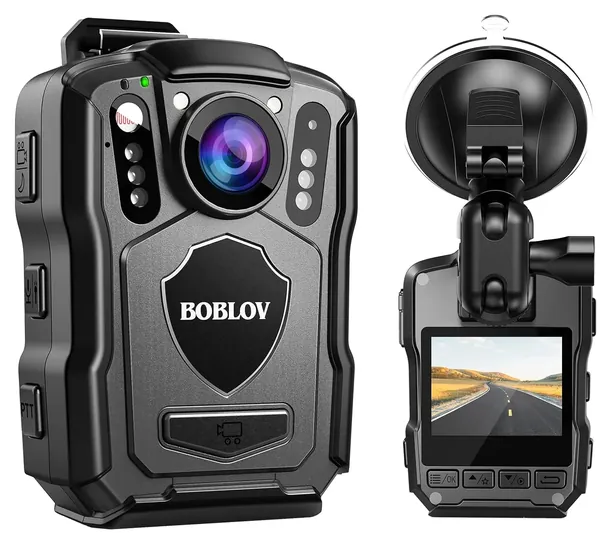
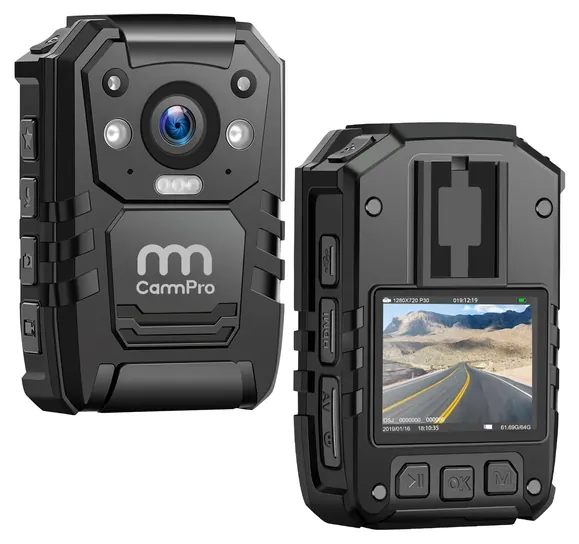
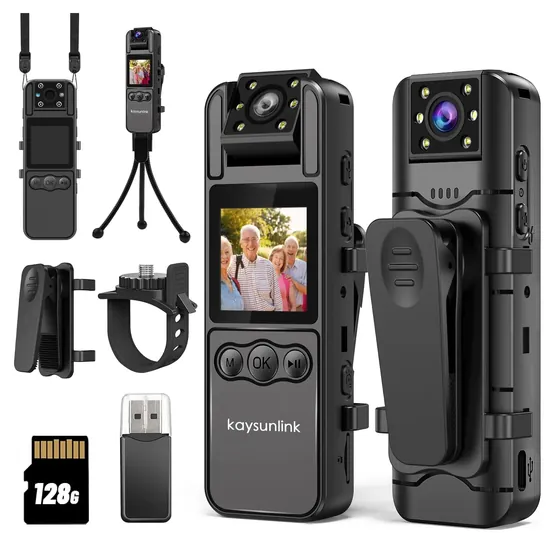
Body cameras clip to a belt, vest or shirt pocket and record for a whole shift, usually with infrared night vision, and some add a GPS time stamp. Police use them, but so do security guards, retail and health care staff, and journalists (Wikipedia). The consumer models sold online are budget devices: strong on runtime and night recording, not on image quality. A listing that says "police" doesn't mean any agency approved it.
Battery, Heat And Water: Read The Fine Print
Battery claims depend on settings. DJI's four-hour figure for the Osmo Action 6 assumes 1080p at 24 frames per second with both screens off, and 4K at high frame rates runs far shorter. Body-camera sellers quote 11 to 15 hours at 1080p with the infrared lights off, so plan on less for night work.
Tiny cameras also run warm. Digital Camera World noted that some Insta360 GO 3S owners saw overheating after about half an hour on hot days (Digital Camera World). Keep a thumb-size camera out of direct sun when you can, and don't leave any lithium-battery camera in a hot car.
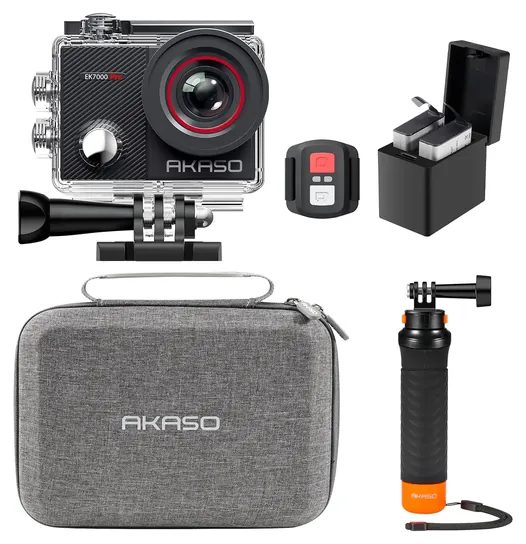
Waterproofing can differ between a camera and its dock. The Osmo Nano camera is rated for 10 meters, but Basic Tutorials points out that its screen dock only resists splashes. An IP67 body camera such as the Boblov M5 survives rain and a short dunk, not swimming. The Akaso EK7000 Pro and the Boblov W3 need their clear cases for any water, and a case muffles the microphone.
Recording Other People: Audio And Privacy
Filming in public places is generally legal in the U.S., but sound is different. About a dozen states, including California, Florida, Illinois, Maryland, Massachusetts, Pennsylvania and Washington, require everyone in a private conversation to agree before it's recorded (Wikipedia). Body cameras record audio by default, so mute the microphone or tell people when you're recording.
Never film where people expect privacy, such as bathrooms, locker rooms or someone's home without permission. Many gyms, pools, schools, workplaces and concert venues ban wearable cameras outright, and a camera on your collar around children can upset other parents even where it's legal. Rules differ by state and country, and this isn't legal advice, so check local law before you rely on footage as evidence.
How we researched this
We compared 16 wearable cameras across thumb-size, action and body-camera types, read DJI's published spec sheets, a hands-on roundup of POV cameras and a detailed review from independent camera sites, worked through sellers' specifications for the budget body cameras, screened owner feedback, and checked every brand against U.S. Consumer Product Safety Commission recalls.
Frequently asked questions
Should I get a body camera or a GoPro?
Get a body camera if you need hours of recording, night vision and a belt clip for work. Get a GoPro-style action camera for sports and water: it has sharper, steadier video and survives a dunk without a case, but its battery lasts one to a few hours.
Is it legal to record audio with a wearable camera?
It depends on where you are. Most U.S. states let one party to a conversation record it, but about a dozen require everyone's consent. Body cameras record sound by default, so mute the microphone or tell people.
Are wearable cameras waterproof?
Some are. The DJI Osmo Action 6 goes to 20 meters and the GoPro Hero to 5 meters without a case. The Osmo Nano and GO Ultra cameras handle 10 meters, but their docks don't. Most body cameras only resist rain.
How long does a wearable camera battery last?
Thumb-size cameras run about an hour alone and about three with their docks. Action cameras run one to four hours depending on settings. Body cameras are rated for 6 to 15 hours at 1080p.
Are police-style body cameras the same ones officers wear?
No. Departments buy from law-enforcement suppliers that add tamper-evident storage and evidence software. Consumer body cameras borrow the look and features like night vision, but "police" in a listing title doesn't mean an agency uses it.
Can smart glasses replace a wearable camera?
For short, casual clips from eye level, they can, and Digital Camera World includes camera glasses among its POV picks. They aren't built for long recordings, helmets or water, so a clip-on camera still suits sports and work.