The 8 Best Bed Bug Sprays
Updated by · How we research

Eight bed bug sprays compared on resistant-bug kill, egg kill, mattress labeling and residual claims. MGK Crossfire Concentrate leads for a serious infestation. When users buy our independently chosen editorial recommendations, we may earn commissions to help fund the Wiki.
Most bed bugs found in homes today resist pyrethroids, the insecticide class in many cheap sprays, so a label that says it kills resistant bugs matters more than scent or price. No spray clears an infestation by itself, either. These picks are for renters and homeowners who will pair spraying with hot laundry, mattress encasements and follow-up checks.


Editor's Notes
October 23, 2026, by Ezvid Wiki Admin:
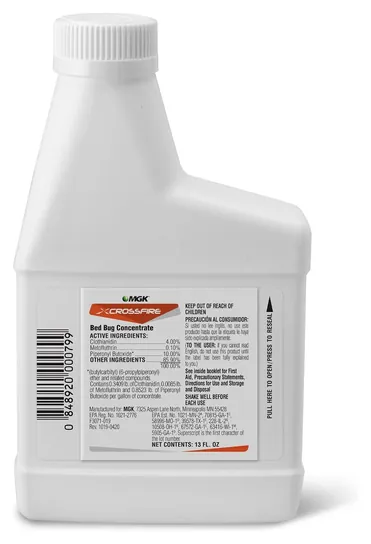
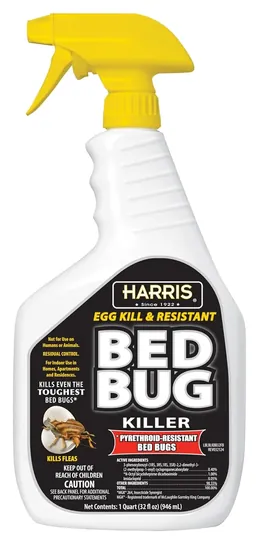
MGK Crossfire Concentrate now leads, because it's a professional formula built for the pyrethroid-resistant bugs most homes face, and its label allows direct mattress use. If you don't want to mix anything, Harris Egg Kill & Resistant is the ready-to-spray choice.
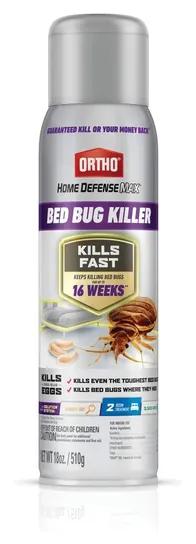
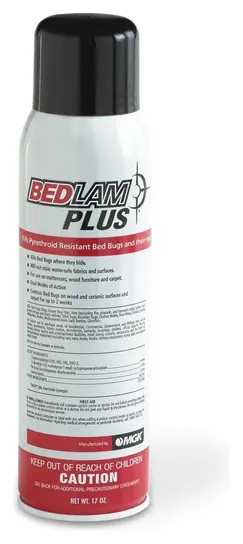
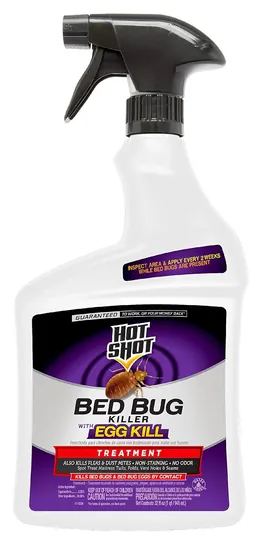
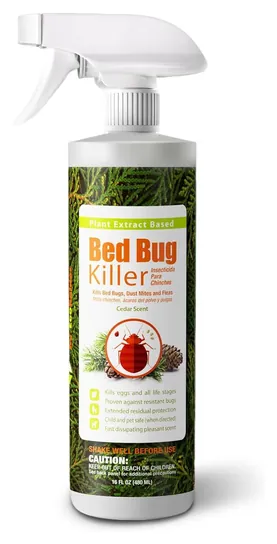
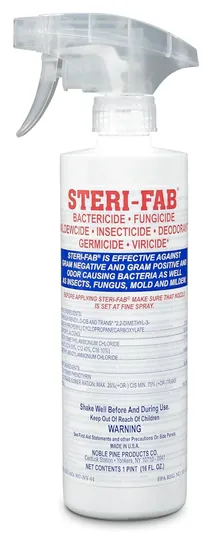
The list is shorter now, at eight. We couldn't confirm the single Ortho Comfort Wand jug was still sold, so the Ortho Home Defense Max aerosol from the same line takes its place. The old Ortho Home Defense and Eco Defense sprays are gone, and we dropped the Hygea Exterminator because its ingredients aren't disclosed and we found nothing showing it works. Steri-Fab is new, for quick contact kills on luggage and furniture. Bedlam Plus, Raid's foam, Hot Shot and EcoVenger by EcoRaider stay.
The evidence that shaped this most was a Rutgers University fact sheet that sorts home bed bug methods into what works and what wastes money, citing its own lab trials of plant-oil sprays and an Ohio State study of foggers. It's the reason no bug bomb appears here.
December 04, 2020:
Bedbugs are extremely easy to pick up and notoriously difficult to get rid of, so if you have stayed in a place where you suspect there may have been an infestation it may be prudent to use a bedbug heater to prevent yourself from bringing them into your home to begin with.
During this round of updates, we ensured we maintained a balance of natural and chemical options to guarantee that everyone can find a formula that suits them. In the category of the former, Eco Raider, Eco Defense, and Hygea Exterminator have been retained as top picks for those who are wary about introducing toxic substances to their environment. We removed Bed Bug Patrol as it provided minimal residual protection, meaning that it will need to be applied directly and often to be effective. Of the ones we kept, Eco Raider gives the best long-lasting protection against bedbugs as it keeps working for up to two weeks after application.
If you're looking to spray large areas, Harris Egg Kill and Resistant and Ortho Comfort Wand are the best chemical choices. They both come in one-gallon bottles with integrated guns to make distribution quick and precise. The former continues to kill for up to 16 weeks, providing excellent residual protection, however the latter is a fair bit cheaper.
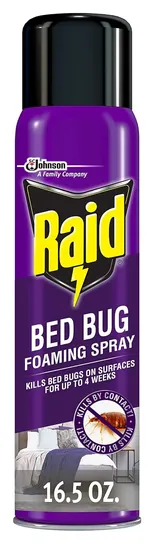
For those hard-to-reach places we introduced Raid Foaming, which expands when it's released from the canister. This makes it ideal for getting behind baseboards and into crevices, or any other little nooks and crannies where these pests love to hide. MKG Crossfire 1852 is another newcomer to our list and this one caught our eye due to the respect it's earned in the professional community. The large containers it's usually sold in are rather pricey for tackling a home infestation, however, this 13-ounce option could be just what your residence needs.
May 29, 2019:
Bed bugs are one of the hardest infestations to get rid, mainly because they have a strong resistance to traditional pyrethroid-based pesticides. This has led many companies to develop formulas designed specifically to target bed bugs. Unfortunately, it has also led to many companies utilizing very harsh chemicals. We realize though, that many people don't want to use toxic chemicals in their home, which is why we included a variety of natural and/or organic options, such as Eco Raider, Eco Defense, Premo Guard, Bed Bug Patrol, and Hygea Exterminator. That being said, we also understand that many people feel nothing can truly rid a home of a bed bug infestation as well as strong chemicals, which is probably why many professionals still use them. If you fall into this group of people, then you'll want to take a look at Harris Egg Kill and Resistant, Ortho Home Defense, Bedlam Plus, Harris Diatomaceous Earth Powder, and Hot Shot Ready-to-Use.
Special Honors
Buggy Beds Glue Traps Buggy Beds sells small sticky traps meant for early detection. Slipped under a mattress corner, behind a headboard or into a suitcase pocket, they catch wandering bugs, which tells you whether an infestation is starting or whether a treatment is working. They don't replace a spray or heat, but monitoring is a step Rutgers lists among the methods that work. buggybeds.com
National Pesticide Information Center Run by Oregon State University with the EPA, NPIC answers pesticide questions for free by phone and email. It's a good call before spraying a room where a baby sleeps or a cat roams, or after someone touched a wet treated surface. Its bed bug page also links to state extension guides and explains why daily spot treatments backfire. npic.orst.edu
Resistance Decides What Works
Most of the others did poorly, so a natural label alone tells you very little.
Most bed bug populations now shrug off pyrethroids, the insecticide family in many older and cheaper sprays. Rutgers University entomologists write that pyrethroid sprays used alone often do very little for that reason (Rutgers NJAES). The EPA lists seven chemical classes registered for bed bugs and more than 300 products, and it suggests combination products or a switch to another class when resistance is suspected (EPA).
In practice, the sprays that claim to kill resistant bugs pair a pyrethroid with a second chemical, usually a neonicotinoid such as imidacloprid or clothianidin, and add a synergist called PBO that blocks the enzymes bugs use to break insecticides down. MGK's Crossfire, for example, lists clothianidin for staying power, metofluthrin for fast knockdown and PBO against metabolic resistance (MGK). A spray with a single pyrethroid, such as cypermethrin, still kills bugs from a susceptible population, but you can't know which kind you have.
Plant-oil sprays are a separate group. Rutgers researchers sprayed 11 plant-based and detergent products directly onto bed bugs, and only two, EcoRaider and Bed Bug Patrol, killed more than 90 percent; EcoRaider also killed 87 percent of eggs it hit. Most of the others did poorly, so a natural label alone tells you very little.
Where You Can Spray, And Where You Can't
A pesticide label is a legal document, and it sets where a spray may go. Some, like MGK Bedlam Plus, allow the tufts, folds, edges and seams of a mattress (MGK). Others, including the Ortho and Harris sprays here, are meant for frames, headboards, baseboards and carpet, and should stay off pillows, sheets and clothing. Never spray a bed bug product on people or pets, and never use an outdoor product indoors.
Residual claims of 4, 8 or 16 weeks come from tests on smooth, sealed surfaces such as ceramic tile. Fabric, carpet and bare wood soak up the spray, so expect less. The National Pesticide Information Center also warns against daily spot spraying, because it can breed a more resistant population (NPIC). Follow the label's repeat interval instead, often about two weeks while bugs are still turning up.
For safety, keep children and pets out of a treated room until the spray dries, open windows, and turn off a window air conditioner while you spray. Aerosols are flammable. The EPA warns against rubbing alcohol, kerosene or gasoline as home remedies, and against using pool-grade diatomaceous earth, which isn't made for pest control.
A Spray Is One Step, Not The Cure
Sprays reach the bugs they touch and a thin film around them. Eggs and adults tucked inside wall voids, furniture joints or electrical boxes survive, so every expert source treats spraying as one part of a plan (EPA). The steps Rutgers lists under what works are cheap: run bedding and clothes through a hot dryer, zip the mattress and box spring into encasements, steam furniture, vacuum, cut clutter, and freeze small items at 0 degrees Fahrenheit for four days (Rutgers NJAES).
Traps tell you whether it's working. Interceptor cups under the bed legs and sticky monitors catch bugs on the move, and Rutgers says to stop treating only when monitors stay empty, since a few survivors are hard to see.
Skip foggers. An Ohio State study found total-release foggers did not control bed bugs, and the EPA notes they can start fires when used in too small a space. Call a licensed pest pro if bugs show up in several rooms or an apartment building, or if they're back a few weeks after a careful round of treatment.
How we researched this
We compared 18 bed bug sprays and their variants from 11 brands, read the makers' label directions and FAQs for the 8 finalists, used EPA, Rutgers University and NPIC guidance and the published lab studies they cite, scanned owner feedback for common complaints, and checked every brand for recalls with the U.S. Consumer Product Safety Commission. Pesticides are regulated by the EPA, so we also checked each label's claims against EPA guidance.
Frequently asked questions
What chemical kills bed bugs and their eggs?
Products labeled for eggs and for pyrethroid-resistant bugs usually pair a pyrethroid with a neonicotinoid such as imidacloprid or clothianidin, plus the synergist PBO. Read the label: it must list bed bugs and eggs. Eggs hatch in about a week or two, so a repeat treatment catches the newly hatched bugs.
Will Raid kill bed bugs?
Raid Bed Bug Foaming Spray is labeled for bed bugs and their eggs and works on cracks and seams it can reach. General Raid ant and roach sprays are not labeled for bed bugs, so don't use them for this.
Is bed bug spray safe around pets, cats or a baby's room?
Only when used exactly as the label says. Keep children and pets out until the spray dries, never spray bedding unless the label allows it, and ask your vet before using pyrethroids around cats. "Pet safe" on a bottle is the maker's claim, not an EPA finding. The National Pesticide Information Center can advise on a specific spray.
How do I get rid of bed bug spray smell?
Open windows and run fans until the spray dries, which usually clears the odor. Aerosols and foams smell most while wet. Water-based sprays sold as odorless are a good choice for bedrooms you need to use the same night.
Do bug bombs work on bed bugs?
No. An Ohio State study found over-the-counter foggers didn't control bed bugs, which hide where the mist doesn't reach. Foggers can also cause fires or explosions if used in too small a space.
When should I call a pest control company?
Call a licensed pro if bugs turn up in more than one room, in an apartment building or in wall voids, or if they're back a few weeks after a careful treatment. In a rental, tell the landlord first.