The 8 Best Bosu Balls
Updated by · How we research

Eight half-dome balance trainers, pods and discs compared on weight limits, grip, pumps and warranty. The BOSU Pro is our pick for home and gym use. When users buy our independently chosen editorial choices, we may earn commissions to help fund the Wiki.
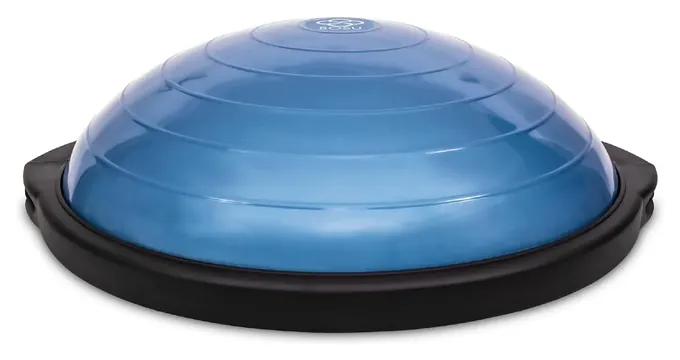
BOSU is a brand that became the name for any half-dome balance trainer: an air-filled dome on a rigid base, used dome up for standing drills or flipped for push-ups. Genuine BOSU shells are latex-free with published weight limits, while cheap copies quote load ratings nobody has checked. These picks suit home workouts, coaching and careful comebacks after time off.


Editor's Notes
October 26, 2026, by Ezvid Wiki Editors:
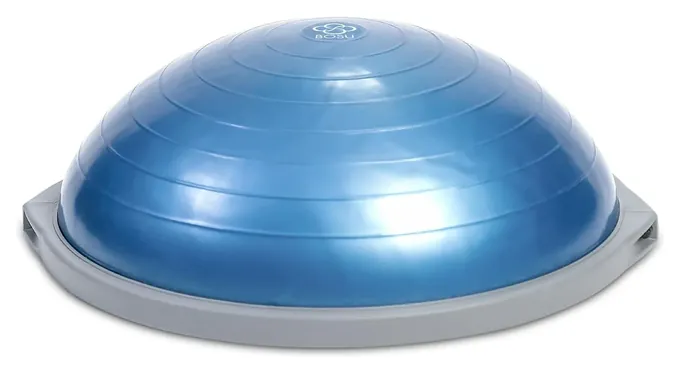
The BOSU Pro moves to the top. It's the commercial-grade version of the original dome, it's rated for daily gym use, and it costs less than the maker's newer home models. None of the other seven survived. The Devebor 2nd Generation, Spri Hedgehog Dots, Giantex Balance Trainer, Sagler Premium and J/fit Pod have disappeared from sale, the Vive Wobble Cushion has vanished, and the Titan Fitness Trainer had too little owner history to keep.
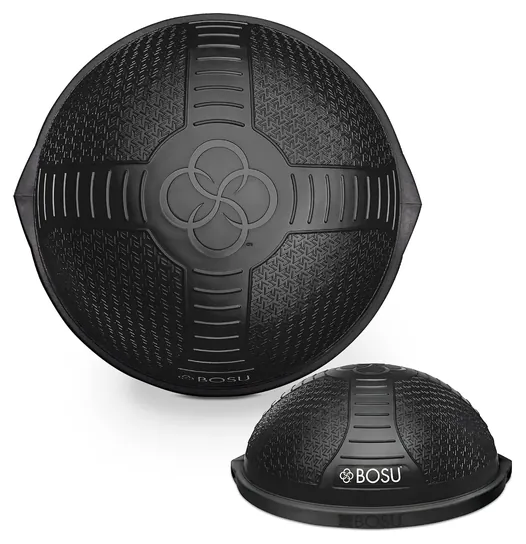
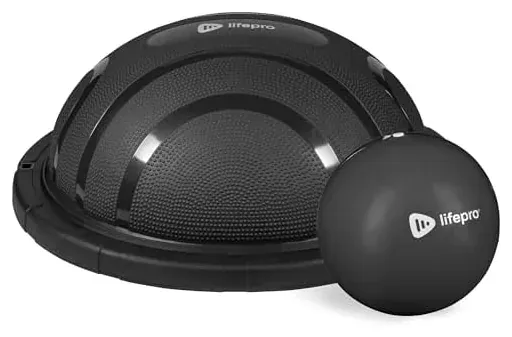
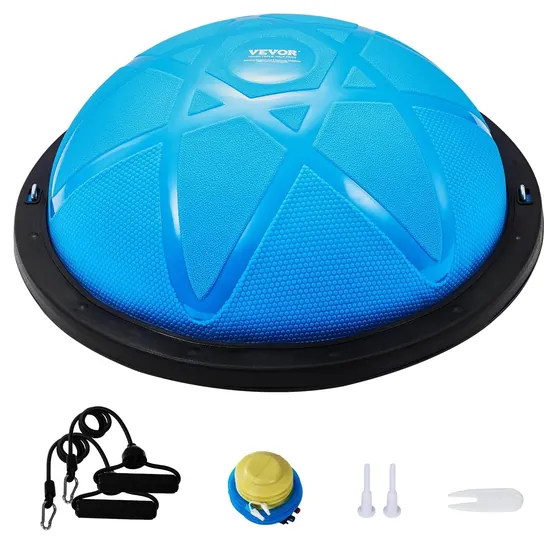
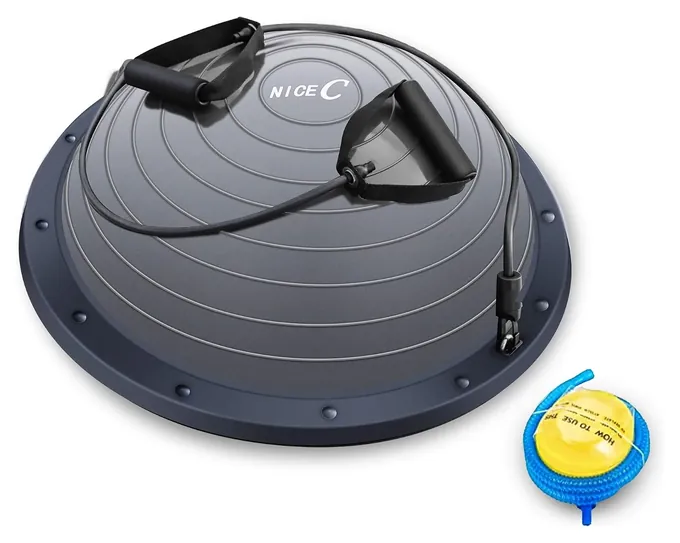
New picks include the BOSU NexGen with its textured top and the smaller BOSU Sport, three lower-cost domes from LifePro, VEVOR and Nice C, and two smaller tools for people who don't need a full dome.
BOSU's own spec pages and the model chart from Perform Better, a longtime BOSU dealer, settled most calls, since they publish real weight limits and warranties. The copies quote load ratings up to several times higher, and we didn't repeat those as fact. A 12-week trial published in Scientific Reports helped us frame what balance training can and can't do.
Earlier notes
May 2, 2019, by Taber Koeghan:
Bosu balls provide a simple way to stay in shape. Instead of investing in expensive gym memberships, pick up one of these and you'll be able to sharpen your balance and strength from the comfort of your living room. They're portable and easy to store, and can be incorporated into virtually any workout routine. It's important to remember, however, that if you're out of practice, you should use your Bosu ball beside a wall or piece of furniture that you can hold onto should you lose your balance.
In terms of updates to the list, the Balance Trainer and Ballast Combo Kit has been removed due to fulfillment concerns, and the Devebor 2nd Generation was added to the second spot because of its dependability and thoughtful design.
Special Honors
BOSU Elite Balance Trainer BOSU's top commercial model has a black dome, a 450-pound limit and a two-year warranty, according to its dealer Perform Better. It costs more than most home buyers need and is often out of stock, but it's the one to look for when equipping a busy gym or studio. bosu.com
Genuine BOSU Or A Copy
The name now gets used for any half ball trainer, but the brand still makes its own line.
BOSU started in 1999, when David Weck put an air-filled dome on a flat platform; the name first stood for "both sides up" (Wikipedia). The name now gets used for any half ball trainer, but the brand still makes its own line. Perform Better, a longtime dealer, lists the Elite at 450 pounds with a two-year warranty, the Pro at 350 pounds with one year, and the smaller Sport at 250 pounds for home use (Perform Better). The maker's NexGen Home model is about 25.5 inches across, holds 300 pounds and carries a one-year home-use warranty (BOSU). Every genuine model is latex-free, which matters if anyone in the house has a latex allergy.
Copies from LifePro, VEVOR, Nice C and others use the same shape with a PVC dome and a plastic base, and they usually add resistance bands and a foot pump. They cost far less. Their weak points show up in owner reports: cracked bases, slow leaks and pumps that don't seal. Their weight ratings often run from 440 to more than 1,000 pounds, figures no outside lab has confirmed. Treat a sensible maker limit as the real one, and stay well under any number that seems too good.
Size, Pump And Floor
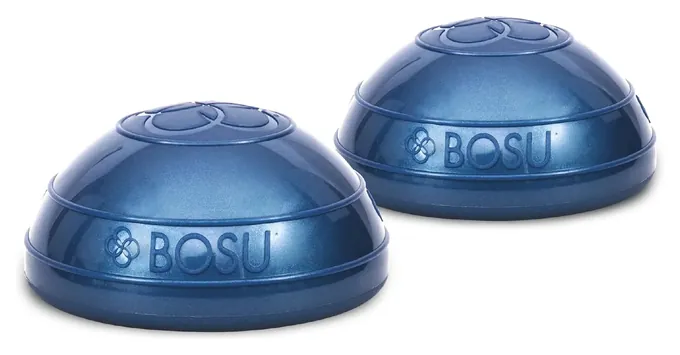
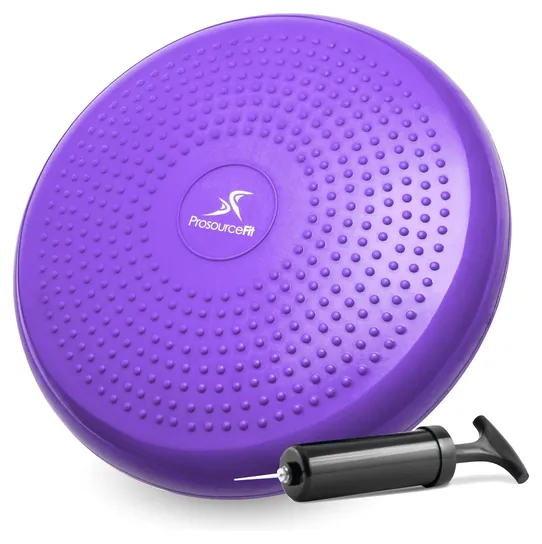
A standard dome is about 26 inches wide. The BOSU Sport is closer to 20 to 22 inches, so it's lighter to carry, and its smaller top makes balancing harder, a trade-off the Baltimore Sun's shopping guide also noted. Small pods and flat discs are cheaper still and work for ankle and single-leg drills, but they're too small for squats or push-ups.
Every genuine BOSU ships with a hand pump, and filling a full-size dome with one takes patience. A foot pump or an electric ball pump is quicker. Inflate until the dome is firm but still gives a little under your hand, and check it against the height the maker lists; a soft dome is wobblier and wears faster. Set it on an exercise mat rather than bare hardwood, which protects the floor and keeps the base from sliding. Keep it out of hot cars and direct sun between sessions, as you would any inflatable.
How To Use It, And What It Can Do
Dome up is the usual way to start: stand, march, squat or lunge on the soft side. Flipped over with the flat platform on top, it's harder and suits push-ups, planks and mountain climbers. Nike's trainers suggest starting with bodyweight squats before adding anything harder (Nike).
The evidence is mixed. A 12-week trial of 40 healthy adults found balance work on unstable surfaces improved balance, memory and spatial thinking compared with relaxation exercises (Scientific Reports). On the other side, Caliber Strong argues that an unstable surface limits how much weight you can move, so it's a weak tool for building strength, and that balance skills learned on it don't fully carry over to the ground.
The real risk is a fall. Start beside a wall or rail, wear shoes with grip or use dry bare feet, and keep the trainer away from stairs and sharp furniture. Never stand on one as a step stool. If you're recovering from an injury or have balance problems, ask a clinician first and have someone nearby for the first sessions. We found no recalls of balance trainers in the U.S. Consumer Product Safety Commission's database (SaferProducts.gov).
How we researched this
We compared 22 balance trainers, pods and discs and screened 10 finalists. We read BOSU's spec pages and its dealer's model chart, a fitness trainer's guide, a peer-reviewed balance-training trial and a critical coaching article, analyzed patterns in owner feedback on leaks, cracked bases and pumps, and searched the U.S. Consumer Product Safety Commission's recall database for every brand.
Frequently asked questions
What does BOSU stand for?
It first stood for "both sides up," since you can use the trainer dome up or flipped over. The company now also reads it as "both sides utilized." David Weck invented it in 1999.
Should the dome face up or down?
Start dome up for standing, squats and lunges. Flip it so the flat platform is on top for push-ups, planks and mountain climbers, which is harder and needs more control.
Can a BOSU ball build strength?
It can add a balance challenge to light bodyweight moves, and it's widely used for core work. For building real strength, a stable floor lets you lift more weight, so most coaches keep heavy lifting off it.
Is a BOSU ball good for older adults?
Balance training can help healthy adults, but falls are the main risk. Start dome up beside a wall or rail, with someone nearby, and ask a clinician first after an injury or if balance is already a problem.
Can I use one on a hardwood floor?
Yes, but put an exercise mat under it. A mat protects the floor, cushions the platform edge and keeps the base from sliding.
Why does a genuine BOSU cost more than a copy?
Genuine models have latex-free, burst-resistant shells, published weight limits and warranties, and most are made in the U.S. Copies cost less and add bands, but they have more reports of cracked bases and leaks.