The 10 Best Canned Cat Foods
Updated by · How we research

Ten canned cat foods compared on ingredients, life stage and texture. Wellness Complete Health Pate leads with a meat-first recipe and no wheat, corn or soy. When users buy our independently chosen editorial choices, we may earn commissions to help fund the Wiki.
Canned cat food is at least three-quarters water, which helps cats that rarely drink. The line that matters most is small print on the can's side: a statement that the food is complete and balanced for a kitten, an adult or all life stages. Without it, the can is a treat or a topper, however good the meat looks.
At a Glance


Editor's Notes
October 23, 2026, by Ezvid Wiki Editors:
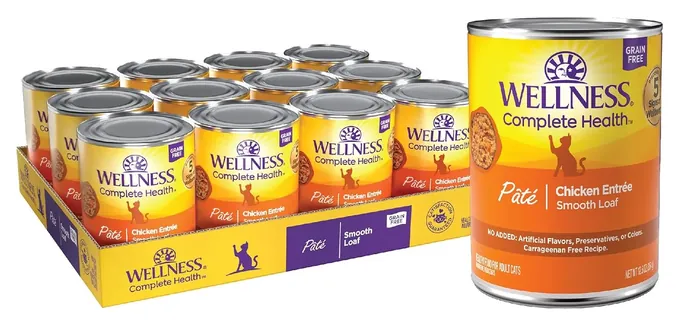
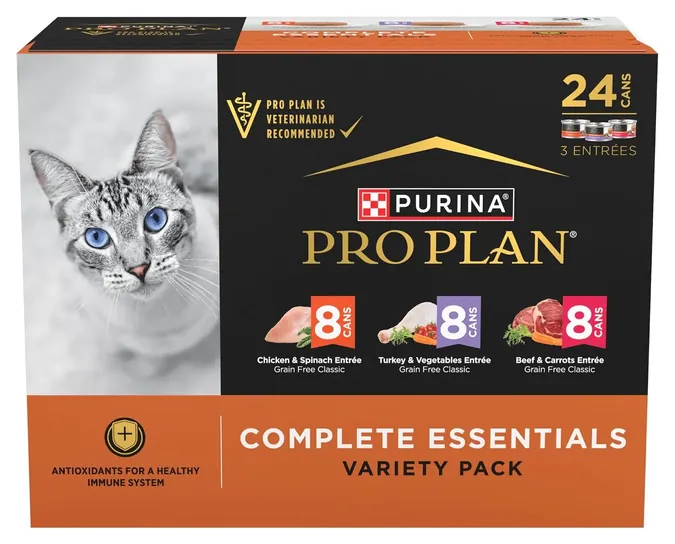
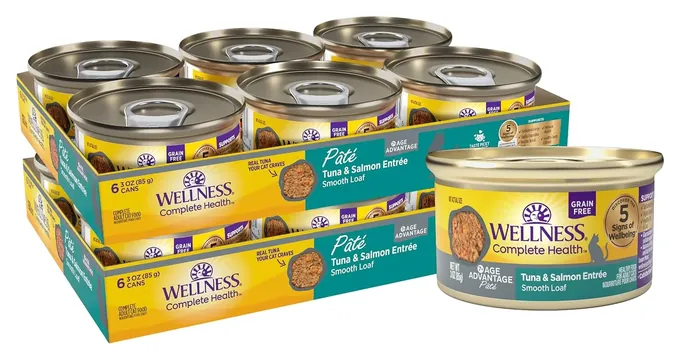
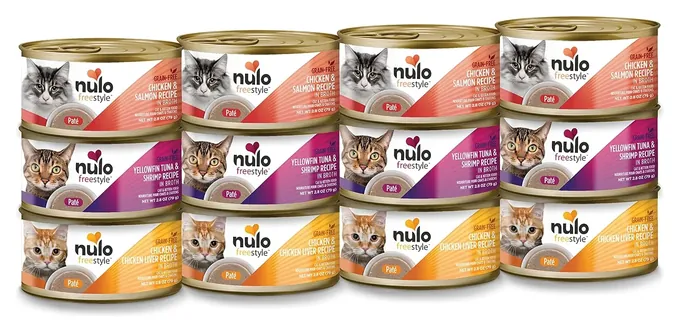
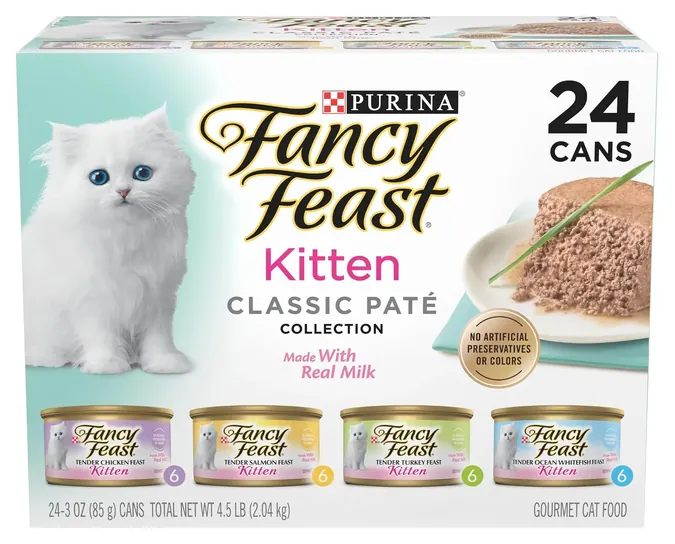
Wellness Complete Health Pate takes the top spot. Chicken and turkey lead its label, it skips wheat, corn, soy and carrageenan, and the big cans keep the cost per meal sensible for a busy food bowl. We also added a senior recipe, a kitten pack, a high-protein option and a cheap trial box, because those are the questions readers bring here.
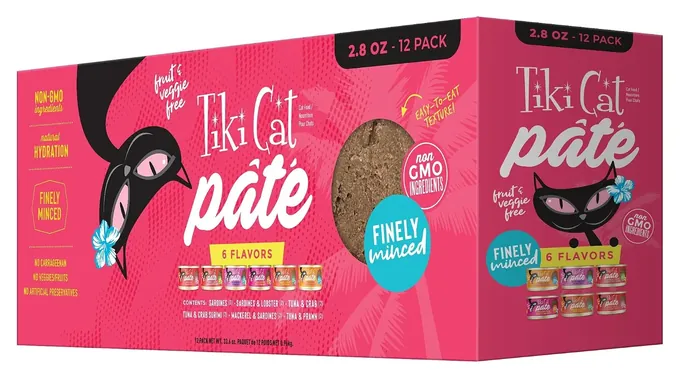
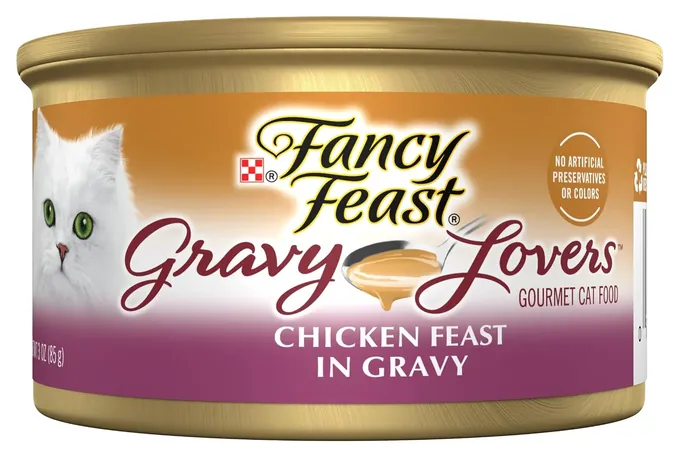
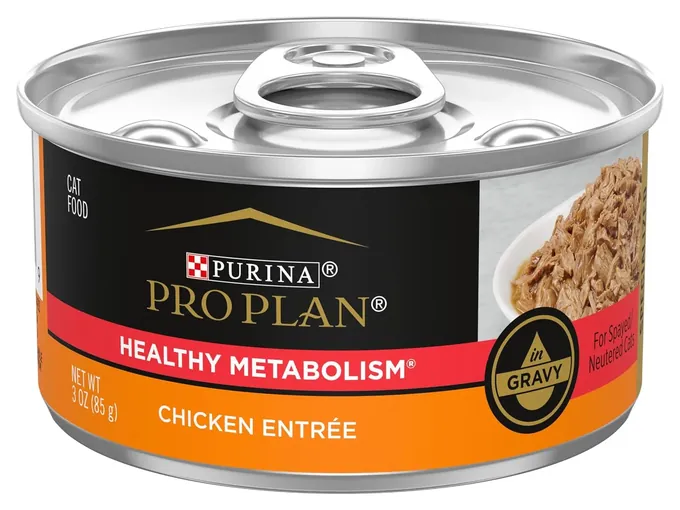
Several old picks had to go. Purina Beyond Canadian Duck and Royal Canin Aging 12+ are no longer sold, and Hill's Science Diet had no current price. Reveal Premium Nutrition is good shredded chicken in broth, but it has no added vitamins or minerals, so it can't be a cat's whole diet. Feline Natural Perfect costs several times as much as anything else here, and Royal Canin Intense Beauty and Fussie Cat Premium Tuna with Salmon were outclassed on price or availability. Tiki Cat Grill Pate stays as a four-recipe pack, Fancy Feast Gravy Lovers replaces the old Fancy Feast recipe, and the old Pro Plan pick is now Pro Plan Healthy Metabolism.
We ranked these on the label: AAFCO's adequacy and naming rules, full ingredient lists, life-stage claims, and Cornell and WSAVA feeding guidance. No lab compares canned cat foods, so if your cat has kidney, urinary or thyroid trouble, your vet's advice beats any list.
Earlier notes
June 12, 2020, by Gia Vescovi-Chiordi:
Choosing the right canned cat food can feel overwhelming. There are many conflicting reports on what's good and bad for cats to consume over the long term, and many vets can't seem to agree on whether ingredients linked to certain health issues are fine in small doses, or even whether wet or dry food is more beneficial.
So when reassessing this list, we took a balanced approach to ensure our selections avoid low-grade or detrimental ingredients, favoring high-quality recipes with a balanced nutrient profile and companies that take ethics seriously, with no recalls or ones that were transparent and few and far between. And while some additions, like meat byproducts or carrageenan, can be off-putting, there isn't definitive proof that they cause harm. Still, we favored foods that eschew some of the scarier ingredients, preservatives, and artificial components.
Today we said goodbye to a few options in favor of superior brands of higher quality, like replacing Purina Friskies Tasty Treasures with Reveal Premium Nutrition. This food supplement is truly a limited ingredient option, but that means that it's meant to be used in conjunction with other foods and not as the sole item in a cat's diet. Because wet food provides moisture content, but isn't ideal for gum health, many pet parents choose to strike a balance between the two, and Reveal is perfect for that.
We also brought on Feline Natural Perfect, a highly-lauded option that goes above and beyond to source extremely high-grade ingredients, like grass-fed chickens and sustainably-caught fish. The recipes are made without GMO ingredients, fillers, legumes, plant protein, starch, preservatives, gum, or binders and are made fresh in New Zealand with natural water.
Tiki Cat is another great brand, and we decided to replace the old Napili version with the extremely-popular Tiki Cat Grill line. For those on the hunt for a budget-friendly choice that still prioritizes quality and ethics, we added Purina Beyond Canadian Duck. It's also grain-free, which is helpful for kitties with allergies. For more options in a similar vein, check out our list of grain-free cat foods.
Special Honors
Smalls Smalls sells gently cooked fresh cat food plus freeze-dried food and toppers, delivered on a plan. The company says its recipes are made with veterinary nutritionists, contain mostly animal protein, and are complete and balanced for every life stage. It's a pricier route than canned food, and the fresh meals need freezer and fridge space, but it suits owners who want human-grade ingredients. smalls.com
Read The Side Of The Can First
Cans of plain meat or fish in broth, such as Reveal, often list no vitamin or mineral mix.
The most useful words on a can of cat food are in small type, not on the front. AAFCO calls it the nutritional adequacy statement. A food meant to be a cat's whole diet must say it's complete and balanced for a life stage: growth for kittens, adult maintenance, or all life stages, which covers both. The statement also says how the claim was reached. A food formulated to meet AAFCO's nutrient profiles was built on paper; one backed by an AAFCO feeding trial was actually fed to cats, which is the stronger claim. AAFCO itself doesn't approve or certify any pet food (AAFCO).
The name on the front follows rules too. "Chicken Cat Food" must be at least 95 percent chicken, not counting water. "Chicken Dinner," "Entree" or "Platter" needs only 25 percent. "With chicken" means as little as 3 percent, and "chicken flavor" means a detectable trace. Ingredients are listed by weight, which is why water or broth leads so many cans.
Cans of plain meat or fish in broth, such as Reveal, often list no vitamin or mineral mix. They make a good topper, but a cat fed only those would miss nutrients. The WSAVA nutrition guidelines add a warning that the ingredient list says little about overall quality; a maker that employs qualified nutritionists and runs feeding trials is a better sign.
Pate, Minced Or Gravy, And Why Moisture Matters
Canned food is at least 75 percent moisture, according to the Cornell Feline Health Center. That water counts toward a cat's daily intake, which matters because many cats drink little on their own. Vets writing for PetMD say the moisture can help cats with urinary or weight concerns.
Texture is mostly a question of what your cat will eat. A smooth pate suits cats that lick their food. Minced and shredded foods suit cats that like to chew, and chunks in gravy appeal to cats that lap up sauce first. Gravy recipes often rely on wheat gluten, starch or soy to thicken, so read past the first few ingredients.
Specialist site Cats.com argues that a cat's diet should stay low in carbohydrate and notes that gums used as thickeners can loosen stools in some cats. Neither point is a regulatory standard, and "grain-free" isn't one either: many grain-free foods swap in peas, chickpeas or potatoes. Compare calories per can on the label when you switch foods, because they vary from recipe to recipe.
Kittens, Seniors, Weight And Health Problems
Kittens need a food labeled for growth or for all life stages. An adult maintenance food alone can fall short of what a growing kitten needs. Senior recipes have no separate AAFCO standard, so they're adult foods tuned by the maker, often with fewer calories or added joint-support ingredients.
Weight is where canned food helps most. Cornell calls obesity the most common nutrition problem in cats, suggests asking your vet for an ideal weight and daily portion, and recommends keeping treats to about 10 to 15 percent of calories. Weight-control recipes help only when portions are measured.
Medical diets are a different matter. Searches for low-protein or low-phosphorus canned food usually come from owners of cats with kidney disease, and those foods are prescribed by a vet, not picked off a shelf. The same goes for urinary, diabetic and allergy diets (PetMD). Healthy cats don't need less protein. Pet food recalls are run by the FDA, so check that page if a can looks swollen or your cat gets sick after a new food.
How we researched this
We compared about 25 canned cat foods, read the full ingredient lists and life-stage claims of the 10 finalists, checked them against AAFCO's labeling rules and the feeding guidance of Cornell's Feline Health Center and WSAVA, read vet-written and specialist roundups, looked at long-term buying patterns, and checked the FDA's pet food recall list for every brand. No lab publishes comparative tests of canned cat food, so the rankings rest on labels and published guidance.
Frequently asked questions
How much canned food should my cat eat?
It depends on the food's calories and your cat's size and activity. Start with the feeding guide on the can, which is usually given per pound of body weight, and ask your vet for your cat's ideal weight. Cornell suggests adjusting portions to keep that weight steady.
What should I do with an opened can?
Cover it and put it in the fridge, as Cornell advises. Many makers suggest letting the portion warm to room temperature before serving, since some cats turn down cold food. Big cans are cheaper per ounce but only make sense if the leftovers get used within a few days.
Is wet food better than dry food for cats?
Neither is required, as long as the food is complete and balanced. Wet food adds a lot of water to the diet, which can help cats that drink little and cats on a weight plan. Many owners feed both.
Are byproducts and grains bad for cats?
Not by definition. Meat byproducts are organs and other parts besides muscle meat, and they can be nutritious. Grain-free isn't a nutrition standard. The adequacy statement and the maker's expertise tell you more than any single ingredient, according to WSAVA.
Which canned food is best for a cat with kidney disease?
Ask your vet. Kidney diets limit phosphorus and adjust protein, and they're prescription foods. Low-protein food isn't a good idea for a healthy cat.
Can I feed my kitten adult canned food?
Only if the can says it's complete and balanced for growth or for all life stages. Otherwise choose a kitten food until about a year old.