The 8 Best Canning Jars
Updated by · How we research

Eight canning jars compared by size, mouth width, lid type and pressure-canner use, from Ball pints to Weck and Le Parfait; the Ball Regular Mouth Pint leads. When users buy our independently chosen editorial recommendations, we may earn commissions to help fund the Wiki.
Home-canning recipes are tested in standard Mason-type jars with two-piece lids, so the jar decides whether the published times apply, and a chipped rim or a reused mayonnaise jar can crack in the pot. This list is for home canners stocking up for pickles, jam, tomatoes or pressure-canned vegetables, plus anyone weighing European glass-lid jars.


Editor's Notes
October 23, 2026, by Ezvid Wiki Editors:
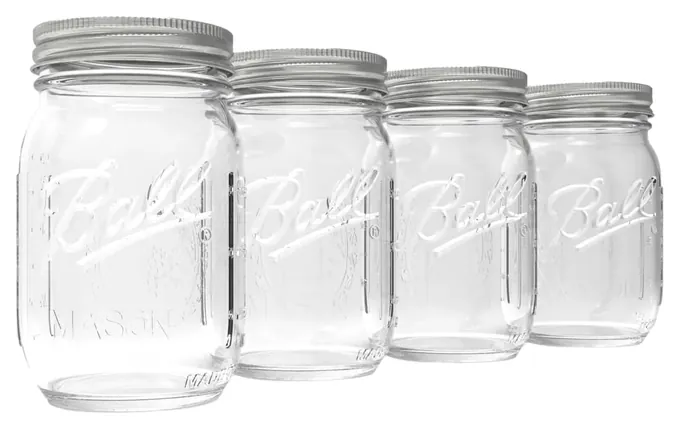
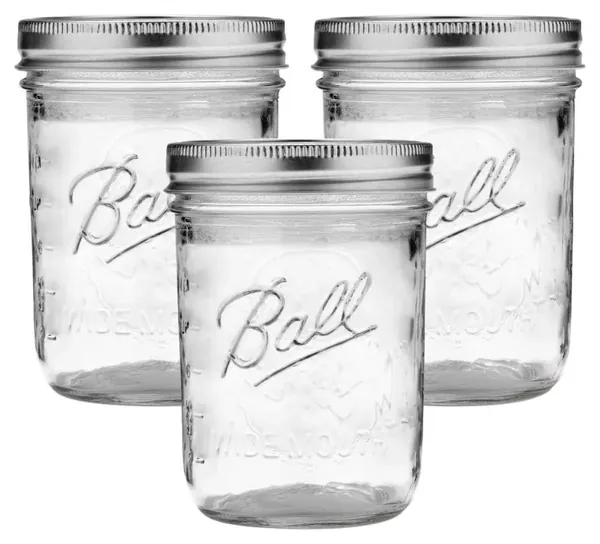
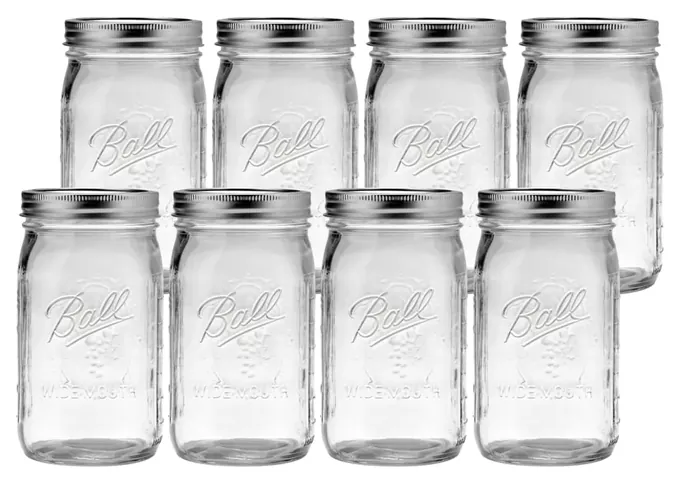
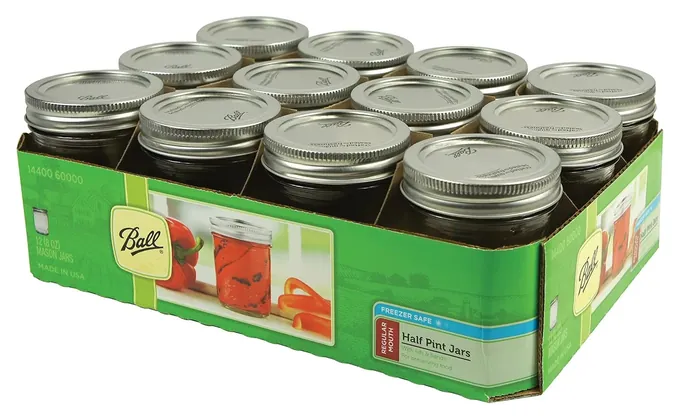
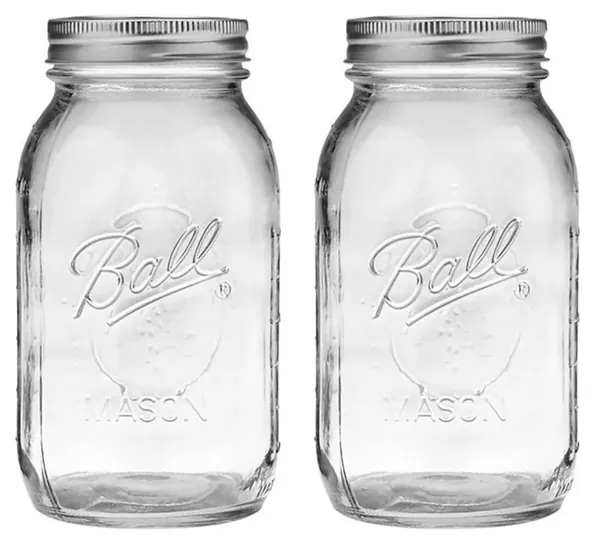
The Ball Regular Mouth Pint now leads, because it's the jar most tested home-canning recipes are written for. Seven of the ten jars ranked here before are gone. The Ball Golden Harvest, Kerr Pint and Ball Vintage are unavailable, and we couldn't find current stock of the Ball Quilted Crystal, North Mountain Supply 32 Ounce, Anchor Hocking Home or Leifheit Straight. We also dropped the Bormioli Rocco Quattro Stagioni, whose one-piece lids are made for storage rather than shelf-stable canning, and the Pakkon 1-Gallon, since no tested recipe uses a gallon jar.
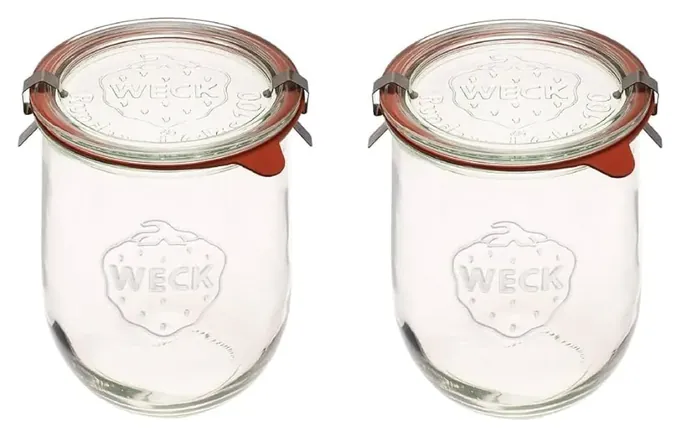
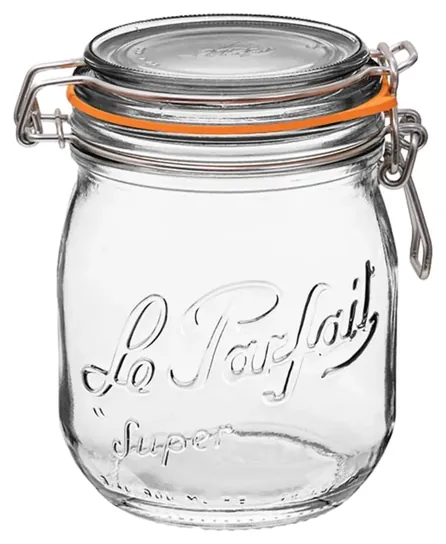
The Weck Tulip stays, now in its 1-liter size. The Le Parfait Super comes back. We pulled it in 2021 over reports of cracked lids, but we found no recall or safety notice since then, so it returns with a plain warning to treat the glass lid gently. The rest of the list is Ball in the sizes canners actually use.
No lab has compared jar brands, so the ranking rests on the National Center for Home Food Preservation's jar and lid rules, Iowa State and Clemson extension notes on brands and breakage, and Weck's own clip instructions.
Earlier notes
March 9, 2021, by Sheila O'Neill:
We removed the Le Parfait Super due to a dangerous issue where the lid cracked too easily, adding glass shards to the contents of the jar. The Luigi Bormioli Lock Eat was also removed. Its high price point and the fact that it used an included glass lid rather than a metal one made it less practical than other options.
New to the list, the Anchor Hocking Home is a durable option that comes in three sizes. While the lid should be washed by hand, the jar itself is dishwasher-safe, which makes for easy cleanup.
We also added the Ball Vintage. Collectors, or those who are interested in history, will appreciate this piece. It was designed as an homage to the "Perfection" line of jars that were produced in the early 1900s. The green color may not be ideal for all situations, but it can also add a welcome splash of color to your kitchen.
While the Pakkon 1-Gallon shouldn't be used for traditional canning, we decided to keep them on the list, as their larger size makes them useful for other types of food preservation, like pickling and fermenting.
August 13, 2019, by Melissa Harr:
Because canning jars are often employed for a huge range of purposes, from meal prep to making scented candles, we have decided to keep models that can be used in pressure canners as well as those that cannot. Jars and lids that are appropriate for safe canning vary according to the type of food being preserved, too, so users are encouraged to follow all manufacturer guidelines. With that said, we still like options from Ball, Weck, and Kerr as top choices. These are the canning jars that home cooks have relied on for years thanks to their reliability, ease of use, and relatively low price. But we added a few “luxury” choices, too, including the Luigi Bormioli Lock Eat and Le Parfait Super. These offer sophisticated styling that ensures they're just as good for decorative storage as for canning. As for simpler choices, we added the North Mountain Supply 16 Ounce and kept the Leifheit 3178. You can affix your own labels to these because they are not embossed, but that also means they’re very plain until you jazz them up.
Special Honors
National Center for Home Food Preservation The USDA-backed center at the University of Georgia publishes free, tested canning recipes and processing times, plus altitude adjustments and the jar and lid rules this list follows. It's the first place to check before trying a new recipe or an unfamiliar jar. nchfp.uga.edu
Size And Mouth: Match The Jar To The Recipe
Regular mouths take slightly cheaper lids and pour neatly through a funnel, which is why many canners keep them for sauces and jams.
Pick the jar after you pick the recipe. Tested processing times are set for a jar size, and the National Center for Home Food Preservation says regular and wide-mouth Mason-type jars with self-sealing two-piece lids are the best choice for home canning. A regular mouth is about 2-3/8 inches across, and a wide mouth is about 3 inches. The mouth doesn't change the time; the size does.
Half-pints suit jam, jelly and hot sauce. Pints are the everyday size for salsa, relish and pressure-canned vegetables. Quarts hold tomatoes, applesauce and whole pickles. Half-gallon jars are approved only for very acidic juices such as apple and grape. If a recipe gives no time for your jar, Iowa State's extension service advises using the time for the next larger tested size, never a smaller one (Iowa State Extension).
Wide mouths make whole vegetables, halved fruit and pickle spears easier to pack and the jars easier to clean. Regular mouths take slightly cheaper lids and pour neatly through a funnel, which is why many canners keep them for sauces and jams.
Mason Jars, Weck And Le Parfait
Ball and Kerr are both owned by Newell Brands, and their lids and bands are interchangeable; the jars differ mostly in the look of the glass (Tasting Table). Golden Harvest, Newell's lower-priced line, is being phased out, and Bernardin is the same family's Canadian brand. Clemson's extension service points to the long track record of these Mason-type jars (Clemson HGIC). Iowa State calls the rest of the market buyer beware, with reports of off-brand lids that buckle and counterfeit lids sold as name brands. In 2022, the U.S. Consumer Product Safety Commission announced a recall of Roots & Harvest wide-mouth pint jars that could break during use.
European jars seal differently. A Weck jar has a glass lid, a rubber ring and steel clips; Weck says to use two clips in a water bath and three in a pressure canner. U.S. agencies have never tested these jars, so their processing times are the maker's own (Healthy Canning). Le Parfait Super jars use a glass lid, a rubber gasket and a wire clamp, and the gaskets are meant to be replaced every time you process (Oz Farmer). Both make good fermenting and storage jars. For low-acid food on a shelf, a Mason-type jar and a tested recipe remain the safer path.
Some jars look like canning jars but aren't. Bormioli Rocco Quattro Stagioni jars have one-piece lids that are meant for storage, the fridge or the freezer, not for shelf-stable canning (Healthy Canning).
Lids, Reuse And Care
The flat lid is single use: once it has sealed a jar, its gasket has done its job. Bands can be reused unless they're rusty or bent. Ball says its current lids hold a seal for up to 18 months, while the USDA and extension services still suggest eating home-canned food within a year for the best quality (Healthy Canning). Unused lids keep for about five years.
Jars last for many seasons. Iowa State's extension service suggests about 10 to 13 years of regular use with careful handling, and older jars break more often. Run a finger around every rim before you fill it; a nick that you can feel can stop a seal. The National Center for Home Food Preservation warns against commercial mayonnaise jars in a pressure canner because they break too often.
Most breakage comes from sudden temperature changes. Keep jars hot until you fill them, don't pour hot food into a cold jar or lower a cold jar into boiling water, and set finished jars on a towel rather than a cold counter. Wash jars before each use; they only need sterilizing for recipes processed under 10 minutes. Take the bands off once the jars have cooled and sealed, and don't retighten them.
How we researched this
We compared 17 canning jars and jar sets from Ball, Kerr, Weck, Le Parfait, Bormioli Rocco and several store brands, read the National Center for Home Food Preservation's jar and lid guidance, extension notes from Iowa State and Clemson, and maker and retailer specs for the European jars, looked for patterns in owner feedback, and checked every brand for recalls with the U.S. Consumer Product Safety Commission.
Sources (8)
- National Center for Home Food Preservation: recommended jars and lids
- Iowa State Extension: canning jar and lid brands
- Clemson HGIC: why Mason-type canning jars
- Healthy Canning: Weck jars
- Healthy Canning: Ball SureTight lids
- Healthy Canning: Quattro Stagioni jars
- Tasting Table: Kerr vs Ball Mason jars
- U.S. Consumer Product Safety Commission: recalls
Frequently asked questions
Which canning jars can go in a pressure canner?
Mason-type jars made for canning, such as Ball and Kerr, in half-pint, pint and quart sizes, with no chips on the rim. Don't use commercial mayonnaise or pasta-sauce jars; they break too often.
Can I reuse canning jars and lids?
Reuse the jars and screw bands as long as they're sound. Use a new flat lid every time you process, because its gasket seals only once.
Are Weck and Le Parfait jars safe for canning?
Both makers say their jars work for canning, and both are good for storage and fermenting. U.S. agencies haven't tested them, so there are no official processing times for these jars.
Are Ball and Kerr jars the same?
Nearly. Both are made by Newell Brands, and their lids and bands are interchangeable. The differences are mostly in the look of the glass.
Should I buy wide-mouth or regular-mouth jars?
Wide mouths are easier to pack and clean, which helps with pickles and whole vegetables. Regular mouths take cheaper lids and suit jam, sauce and juice. Processing times are the same for both.
Can I can food in half-gallon jars?
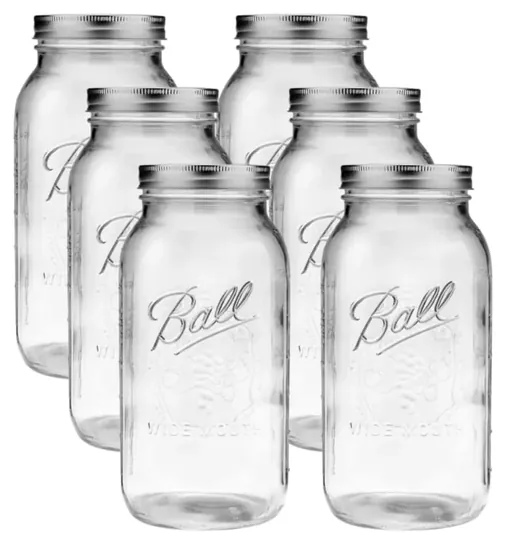
Only very acidic juices, such as apple and grape juice. There are no tested times for other foods in half-gallon jars, so use them for storage and fermenting.