The 7 Best Storage Binders For CDs and DVDs
Updated by · How we research

At about 5 cents a disc slot, the Amazon Basics 400 leads seven CD and DVD binders, from zip and hard-shell cases to cover-art, ring and fire-resistant styles. When users buy our independently chosen editorial picks, we may earn commissions to help fund the Wiki.
Sleeve material matters if you plan to keep discs a long time: the Library of Congress advises against PVC sleeves for long-term storage. A binder holds CDs, DVDs and Blu-rays in sleeves instead of cases, so a big collection fits on one shelf or travels in a bag. Zippered wallets hold 100 to 400 discs, and ring binders take refill pages. Hard shells resist knocks.


Editor's Notes
October 15, 2026, by Ezvid Wiki Admin:
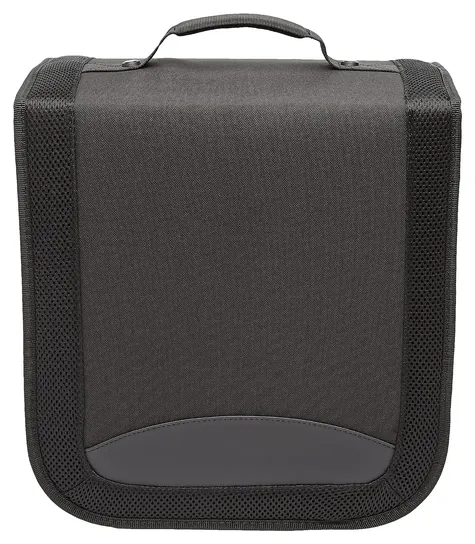
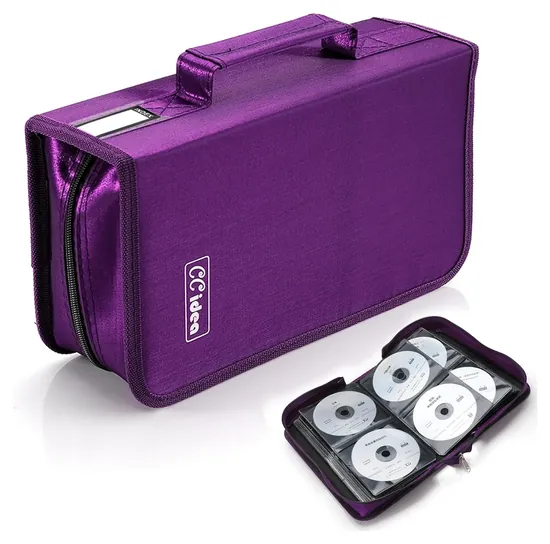
The Amazon Basics 400-Capacity Binder comes first as the cheapest sensible way to put a big collection in one place, at about 5 cents per disc slot. The disc-storage market has thinned out since this list's 2021 version. The Hongwa MegaDisc, the Vaultz locking case, the Coofit and Fasmov binders and the Atlantic stacking albums are no longer available. The Bellagio-Italia library sets weren't in stock anywhere we could link to, which is a shame, because they were the classiest option. We also dropped the Siveit wallet, since the CCidea 128-Disc Wallet does the same job and says more about its pages.
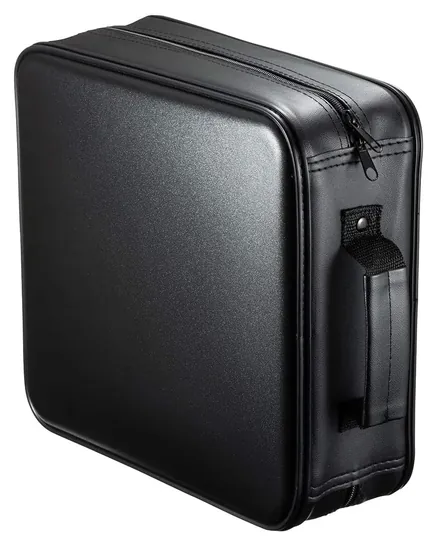
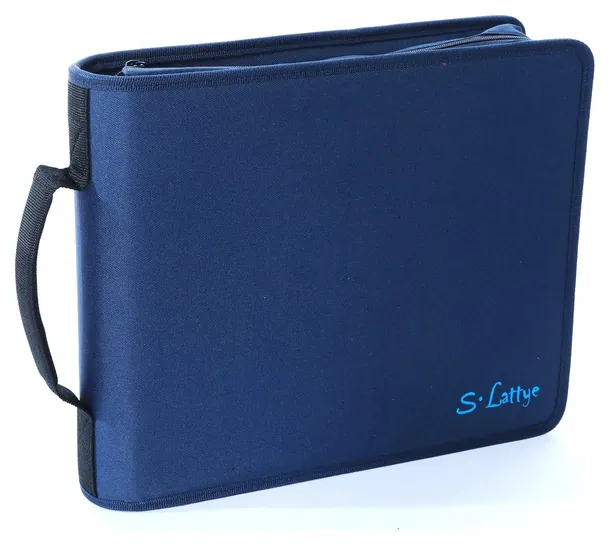
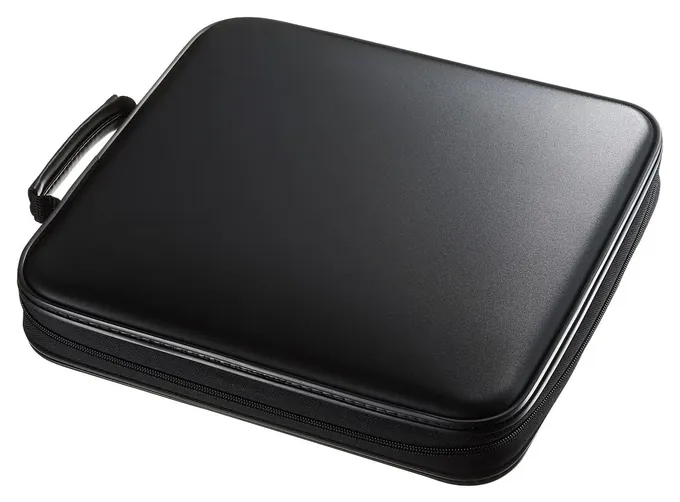
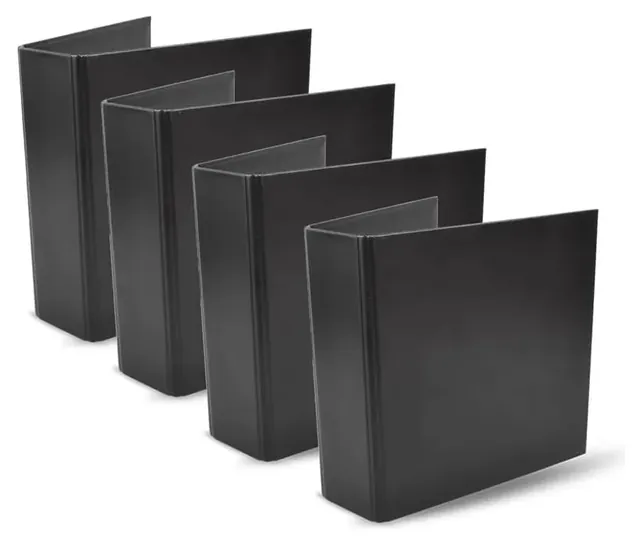
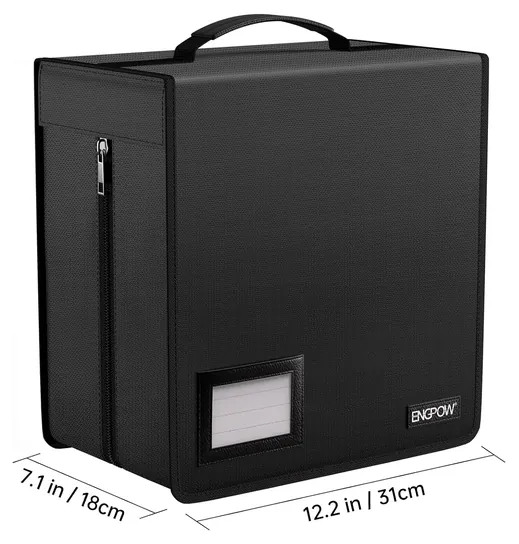
We kept the Sanwa 320 Heavy-Duty and the S-Lattye cover-art case, now in its 192-disc size, along with the big 400-disc basics binder. New are the Sanwa 160 Hard Case, the Tarifold 2-Ring Binders and the ENGPOW Fireproof 400. Note that the Tarifold binders come empty: budget for Tarifold's matching sleeves.
We stopped at seven. Past these, the market is near-identical zip wallets under shifting brand names, and a third Sanwa in a bigger size added nothing new. No lab has compared plastic and fabric sleeves, so the NIST and Library of Congress care guides, makers' specifications and collector feedback shaped this list. If your discs are an archive rather than a library you play, keep the masters upright in cases.
March 23, 2021:
It makes sense, I suppose, that innovation in the CD-binder space has slowed over recent years. It isn’t surprising then, that our list didn’t see a lot of development through this round of updates, with our only new omission being the Artisan Deco Album, which wasn’t available in time for these rankings to be republished.
To replace that choice, we added the Hongwa MegaDisc to the top of our list. The case could be made that, with its roadcase-style aesthetic and the absence of pages, this model doesn’t quite qualify for these rankigns. But, since our list had nothing to offer the music/movie fanatic with more than 400 items to catalogue, and considering that the MegaDisc offers much of the utility this category calls for – in terms of portability, potential storage, and protection for your precious collection – I still thought that it was worth including. Its hanging sleeves and four-row format also provide a nice way to organize and peruse one’s discs, and I daresay that browsing through it may trigger some record-store nostalgia, for those of us who are old enough to be susceptible. (And, if you’re somebody who values your CDs enough to be looking into a new case for them, I daresay that demographic also includes you.)
Hoarding your old CDs/DVDs because of their sentimental value is totally cool, but if you want to do more than just sit on them, then maybe you’ll be interested in our rankings for DVD players and CD players.
February 24, 2020:
If you're running out of space for your CDs and DVDs, a storage binder offers a great solution.They are available in multiple colors and different capacities, so you can pick the style that best suits your collection.
Binders with removable pages like the Artisan Deco Album and the Fasmov Holder let you organize media quickly. The metal rings open and close easily, so you can pull pages from any part of the binder and arrange them as needed.
For traveling, you may prefer a binder like the Siveit Holder. It is lightweight and has a durable handle for easy portability. The Vault Media Case is also a nice pick. It can hold up to 200 discs and comes with an optional shoulder strap to help distribute the weight.
If you're looking for binders that will complement your furnishings, the Atlantic Deco fits in well with modern decor and the Bellagio-Italia provides a touch of old-fashioned charm.
Special Honors
Gaylord Archival Media Storage For discs you want to keep for decades, Gaylord Archival, a supplier to libraries and museums, sells acid-free, lignin-free boxes that hold CDs in their jewel cases upright, the way preservation guides recommend. Its shallow-lid CD box has metal-reinforced edges, and the company also sells archival sleeves and polyester protectors for DVD and game cases. gaylord.com
Choosing The Right Type
If you want to keep the artwork, look for a cover-art design, which pairs each disc with a pocket for its insert or booklet, or a ring binder whose sleeves hold both.
Zip-around cases are the most common. They hold 128 to 512 discs on sewn-in pages, cost the least per disc, and travel well. Hard-shell versions, like Sanwa's, resist crushing in a bag or car; fabric ones are lighter and cheaper. Listed capacity counts one disc per pocket, so a case with booklet pockets holds fewer discs for its size.
If you want to keep the artwork, look for a cover-art design, which pairs each disc with a pocket for its insert or booklet, or a ring binder whose sleeves hold both. Ring binders are the only kind that let you add, remove and reorder pages. Check the ring count before you buy pages: Tarifold's binders take only its 2-ring sleeves, while pages like Avery 75263 or Vaultz VZ01415 fit any standard 3-ring binder you already own.
Plan for weight, too. A single disc weighs about 16 grams, so 400 discs add roughly 14 pounds, and a full case needs a sturdy shelf. Collectors on forums tend to use binders for bulk storage and keep special editions and steelbooks in their cases (one collector's comparison).
Do Sleeves Scratch Discs?
They can, but fit and material matter more than the type of binder. No lab study has compared plastic sleeves with non-woven fabric ones, so the evidence comes from collectors. On collector forums, smooth clear plastic sleeves draw most of the complaints about scuffs, and one DVD collector reported blotchy discs after a year in plastic sleeves (r/dvdcollection). Fabric and non-woven sleeves draw fewer complaints. Discs should sit fully inside the pocket, and a side stop or flap keeps them from sliding out.
The Library of Congress lists polyethylene, polypropylene and polyester as stable plastics for storage and advises avoiding PVC and plastics it can't identify (Library of Congress). Many cheap wallets use PVC film, which is fine for travel cases but a poor choice for an archive.
Keep scratches in perspective. The NIST care guide notes that fingerprints and smudges often cause more read errors than light scratches, which a player's error correction usually handles (NIST SP 500-252). Load only clean discs, hold them by the edge and center hole, and don't force a disc into a tight pocket.
Storing Discs For The Long Term
Sleeves are fine for discs you play and carry. For an archive, the National Institute of Standards and Technology and the Council on Library and Information Resources recommend storing discs upright, like books, in plastic cases made for them, and warn against keeping discs flat for years (NIST SP 500-252). The same guide suggests 39 to 68 degrees Fahrenheit (4 to 20 C) and 20 to 50 percent relative humidity, with about 64 degrees and 40 percent ideal, away from light. Put discs back in their cases right after use.
The Library of Congress gives similar home advice: a cool, dry, stable room, not an attic or basement, discs stored on edge, replacement cases that hold the disc by its center hub, and acid-free boxes (Library of Congress). Write on discs only with a non-solvent felt-tip marker on the label side, skip adhesive labels, and wipe from the center straight out to the edge, never in circles.
We found no safety recalls for any brand on this list in the U.S. Consumer Product Safety Commission's database.
How we researched this
We compared more than 30 CD and DVD binder listings, read makers' specifications, the NIST and Library of Congress disc-care guides and collector forum discussions, and checked every brand for recalls with the U.S. Consumer Product Safety Commission. No independent lab test of disc binders or sleeves exists.
Sources (7)
- NIST SP 500-252 / CLIR: Care and Handling of CDs and DVDs
- Library of Congress: Care, Handling, and Storage of Audio Visual Materials
- Library of Congress: Audio/Visual Materials FAQ
- r/dvdcollection: sleeves damaging DVDs
- Jeff Rauseo: best storage options for Blu-ray collections
- Gaylord Archival media storage
- CPSC recalls
Frequently asked questions
Do CD and DVD binders scratch discs?
They can if a disc is dirty, forced into a tight pocket or left half out. Collectors report fewer problems with non-woven fabric sleeves than with smooth plastic ones, but no lab study has compared them.
Can a DVD binder hold Blu-ray discs?
Yes. Blu-ray, DVD and CD discs are all 120 millimeters across, so they fit the same sleeves. Blu-ray cover inserts are smaller than DVD ones, and Tarifold sells a separate Blu-ray sleeve for its binders.
Is there a CD binder with removable pages?
Yes. Ring binders let you add and reorder pages. Use Tarifold's sleeves in its 2-ring binders, or pages such as Avery 75263 or Vaultz VZ01415 in any standard 3-ring binder. Most zip cases have sewn-in pages.
Can I keep the cover art and booklets?
Choose a binder with booklet pockets, like the S-Lattye 192-Disc Case, or sleeves that hold a cover insert, like Tarifold's DVD sleeves.
Are fireproof disc cases really fireproof?
Treat the claims with caution. ENGPOW's 2,200-degree figure is its own claim, based on a material flame rating rather than a standard fire test of the loaded case, and discs are damaged at much lower temperatures.
What's the best way to store discs long term?
Upright in cases, at 39 to 68 degrees Fahrenheit and 20 to 50 percent humidity, away from light, according to the NIST care guide.