The 9 Best Denture Cleansers
Updated by · How we research

Nine denture tablets, powders and packets compared by soak time, persulfates and safety on partials and retainers. Polident 3 Minute leads for daily use. When users buy our independently chosen editorial recommendations, we may earn commissions to help fund the Wiki.
Soaking alone won't clean dentures: the American College of Prosthodontists and the American Dental Association both pair a daily soak with brushing, using a soft brush and a nonabrasive cleanser. The water should be warm, never hot, because heat can warp acrylic. This list is for people with full dentures or partials, plus anyone cleaning retainers, aligners or night guards at home.


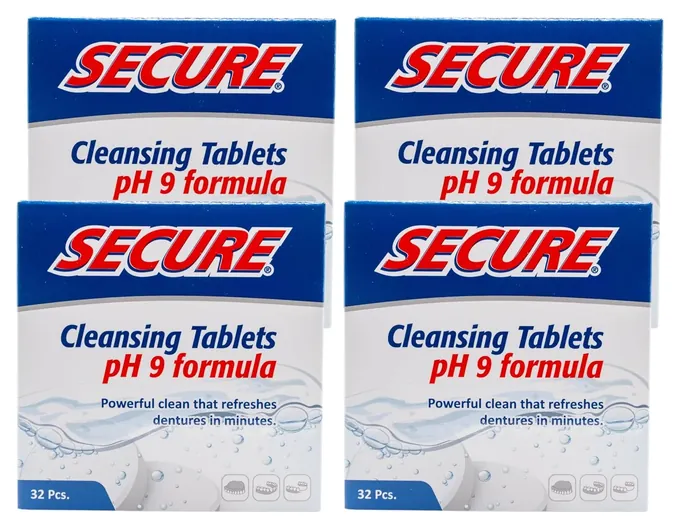
Editor's Notes
November 1, 2026, by Ezvid Wiki Admin:
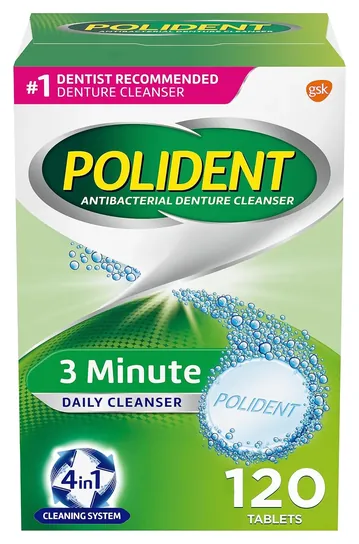
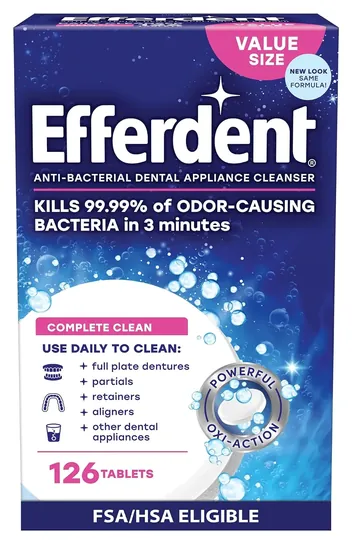
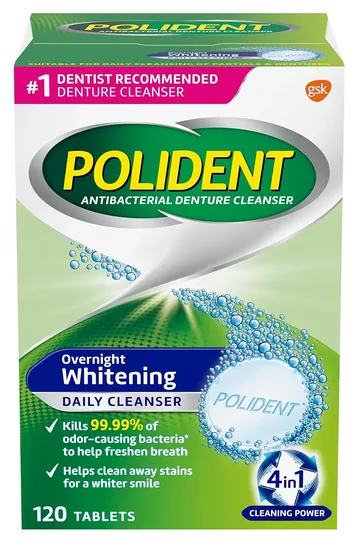
Polident 3 Minute now leads this list. It needs only a few minutes in warm water, Haleon says it's gentle on metal partials, and it was one of two big brands that killed a common germ on denture plastic in a 2025 lab study. Efferdent Complete Clean, the other brand in that study, follows as the low-cost pick, and its box carries the American Dental Association's seal.
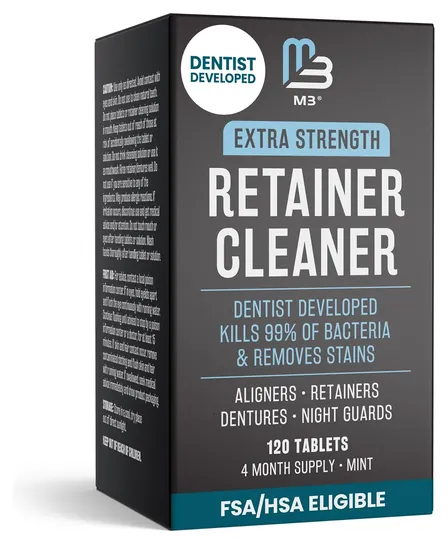
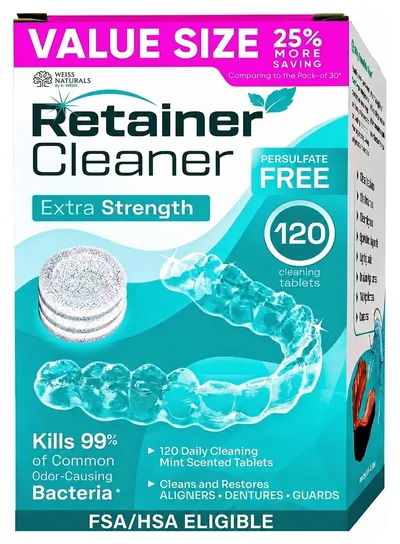
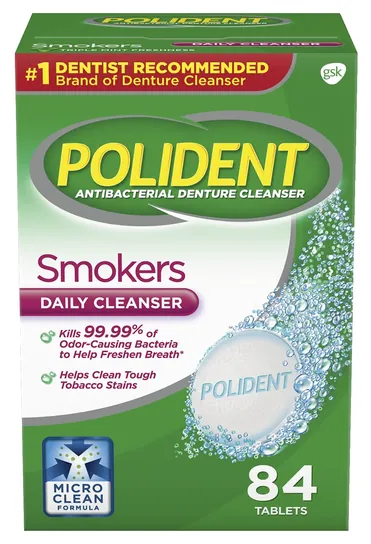
Our sources were the American College of Prosthodontists' denture care guideline, a Cochrane review that found no cleaning method clearly better than another, that 2025 study and the directions printed on each box. Stain Away Plus, M3 Naturals Extra Strength and Polident Smokers stay. New picks cover overnight soaks, packets, adhesive wearers and people who react to persulfates, with Weiss Naturals Retainer Cleaner as the option made without them.
Sparkle Dent is unavailable and FreshDent On-The-Go is gone. Smile Again and Dental Duty are now sold as retainer cleaners, Fresh 'N Brite had too little evidence behind it, and Efferdent Plus gave way to the bigger Efferdent box.
August 22, 2019:
Anyone who uses a denture cleanser needs to be aware of the risks that come with them. Many solutions contain an ingredient called persulfate, which is a known allergen. Because of this, the FDA urges users to follow directions carefully, never chew, swallow, or gargle with denture cleansers, and always rinse your hardware thoroughly before placing it back in your mouth. If in doubt about a certain product, get the OK from your dentist first. When used as directed, there shouldn't be an issue, so read all labels carefully. Also bear in mind that they should be kept out the reach of children and pets at all times.
We wanted this list to showcase some of the most effective powders, tablets, and pastes available. We also included a convenient spray (FreshDent On-The-Go) that is safe for use directly in the mouth. Many of these formulas are fast-acting and work within 20 minutes, with some that are efficacious in as little as three (Polident 3-Minute).
You'll find products that don't damage soft liners (Sparkle Dent), as well as pastes that are gentler than typical toothpastes (Fresh 'N Brite). If you wear partials, double-check to ensure the product you're eyeing is appropriate for them.
Many of our choices are suitable for use in typical denture baths and ultrasonic cleaners and can be applied to mouth guards, retainers, TMJ devices, Invisalign aligners, snore guards, and other removable dental appliances.
Soak, Then Brush
Clean dentures over a folded towel or a sink partly filled with water, so a slip doesn't crack them.
A soak loosens food, stains and germs, but it doesn't scrub. The American Dental Association and the American College of Prosthodontists both advise cleaning dentures every day by soaking them in a cleanser and brushing them with a soft brush and a nonabrasive cleaner. Regular toothpaste is too gritty: it leaves fine scratches in the acrylic that hold stains and germs, says the Cleveland Clinic.
Water temperature matters more than most boxes admit. Use warm water, never hot or boiling, because heat can warp the base so it no longer fits. That holds even when a box says "hot tap water." Clean dentures over a folded towel or a sink partly filled with water, so a slip doesn't crack them.
Rinse well before putting dentures back in, and never use a soaking cleanser while they're in your mouth. When dentures are out, keep them in water or a soaking solution, since a denture that dries out can lose its shape.
Tablets, Powders, Packets And Machines
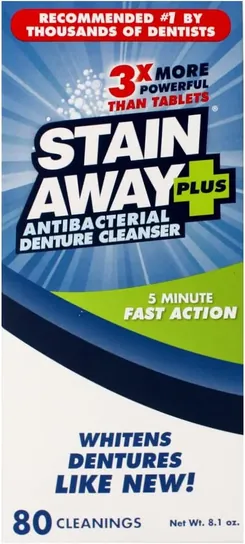
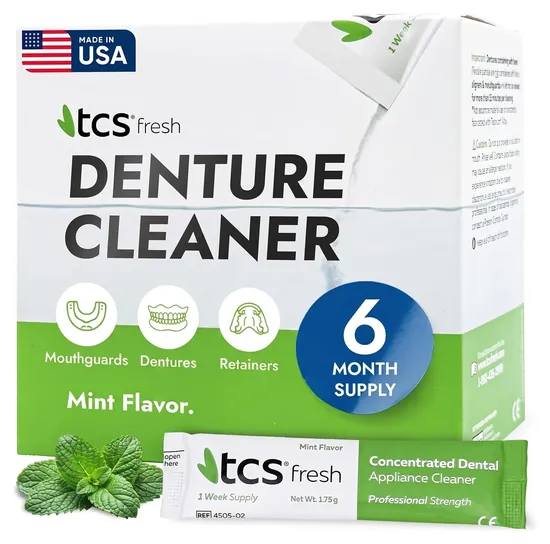
Most denture cleansers are oxygen cleaners. Tablets fizz in warm water and are the simplest to dose. Powders such as Stain Away Plus are measured by the capful, which lets you mix a half dose for a partial with metal clasps, as its box directs. Premeasured packets sit between the two. Creams and pastes are brushed on instead of soaked, and few are still widely sold.
Soak times range from a few minutes to all night. Quick tablets suit a morning routine, while overnight formulas fit people who take dentures out at bedtime. Metal clasps are the main reason to read the box: long soaks in strong oxygen cleaners can dull or tarnish metal, so follow the maker's time limit for partials.
Many tablets now say they also clean retainers, aligners and night guards. The reverse isn't always true: some retainer cleaners, including Retainer Brite, say they aren't for artificial teeth or partials. Ultrasonic cups shake debris loose but still need a cleanser in the water. The prosthodontists' guideline calls the evidence for ultrasonic cleaning weak, though it suggests a professional ultrasonic cleaning once a year.
Persulfates, Bleach And Sore Gums
Most denture tablets and powders contain persulfates, the oxygen chemicals that do much of the cleaning. After reports of allergic reactions, including rashes, hives and tender gums, the FDA had makers add allergy warnings to the labels, as the prosthodontists' guideline recounts. If your mouth burns, itches or swells after using a cleanser, stop and see a dentist. A persulfate-free tablet such as Weiss Naturals Retainer Cleaner is one option, but rinsing well before wearing dentures matters with any cleanser.
Household bleach is harsher than it looks. The guideline says dentures should spend no more than 10 minutes in diluted bleach and never soak in it overnight, and bleach can damage metal parts. The ADA advises against bleach and powdered household cleansers altogether.
Don't expect a tablet to cure red, sore gums under a denture. A Cochrane review found too few good trials to say any cleaning method works better than another against that kind of inflammation. Brushing plus a soak beats doing nothing, but sore gums are a reason to see a dentist.
How we researched this
We compared 23 denture cleansers and dental appliance cleaners, read the box directions, ingredient panels and maker pages for the 9 picks, read the American College of Prosthodontists' denture care guideline, a Cochrane review and a 2025 lab study of denture cleansers, and checked each brand for recalls with the U.S. Consumer Product Safety Commission. We found no independent comparison of brands.
Sources (6)
- American Dental Association: Dentures
- Cleveland Clinic: Denture care
- American College of Prosthodontists: Guidelines for the care and maintenance of complete dentures (Felton et al., 2011)
- Cochrane: Interventions for cleaning dentures in adults (de Souza et al., 2009)
- PubMed Central: 2025 lab study of denture cleansers on conventional and 3D-printed denture resins
- Efferdent: Cleansers
Frequently asked questions
Do denture cleaning tablets work?
Yes, as part of a routine. Lab studies show common tablets kill germs on denture plastic, and reviews find that a chemical soak plus brushing removes more plaque than doing nothing. A soak alone doesn't replace brushing.
Is Polident or Efferdent better?
Neither has been shown to beat the other. Both use similar oxygen cleaners, and both killed the same germ on denture plastic in a 2025 lab study. Choose by soak time, price and whether the box covers your partial or retainer.
Can I soak dentures overnight?
Yes, in a cleanser labeled for overnight use, or in plain water. Keeping dentures wet stops them from drying out and warping. Never soak them overnight in bleach, and follow the box limits for partials with metal clasps.
Can I use denture tablets on retainers and aligners?
Many tablets now list retainers, aligners and night guards on the box, so check yours. Some retainer cleaners are not meant for dentures or partials, so the label matters in both directions.
Are vinegar, baking soda or bleach safe for dentures?
Household soaks are popular, but none is on this list. The ADA advises against bleach and powdered household cleansers, and the prosthodontists' guideline caps any bleach soak at 10 minutes. Ask your dentist before trying a home remedy.