The 10 Best Direct Boxes
Updated by · How we research

Passive or active, mono or stereo: ten DI boxes for bass, keyboards and acoustic guitar compared. The Radial JDI leads for its Jensen transformer and build. When users buy our independently chosen editorial recommendations, we may earn commissions to help fund the Wiki.
A shootout of ten DI boxes found most of them hard to tell apart through a venue PA, though the cheapest one audibly dulled the sound. What extra money mostly buys is a tougher shell, more headroom and a better transformer. This guide is for bassists, keyboard players, acoustic guitarists and sound techs choosing their first or next box.


Editor's Notes
October 23, 2026, by Ezvid Wiki Editors:
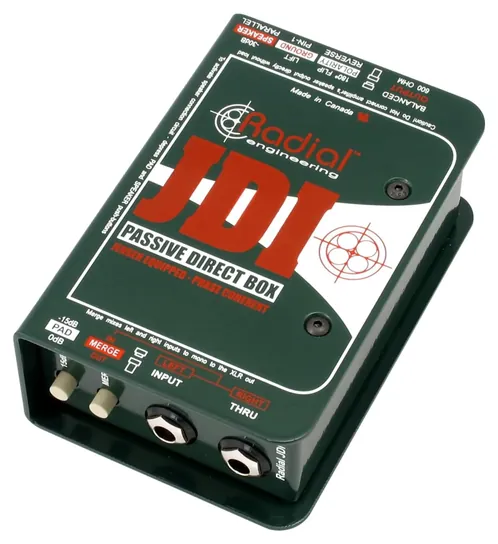
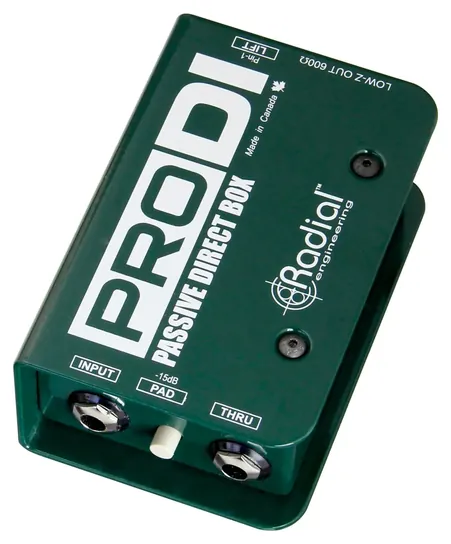
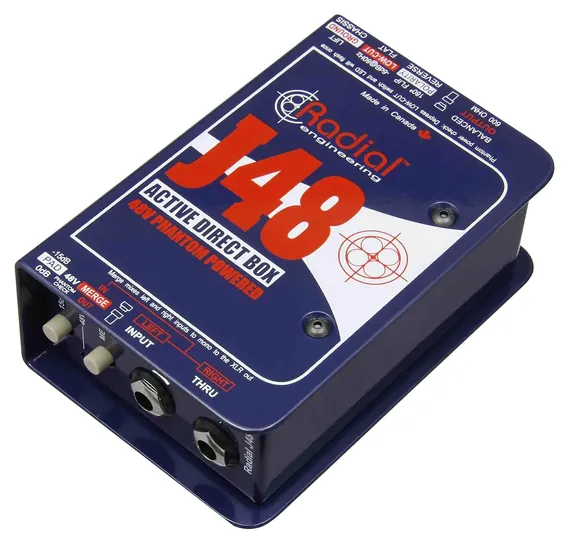
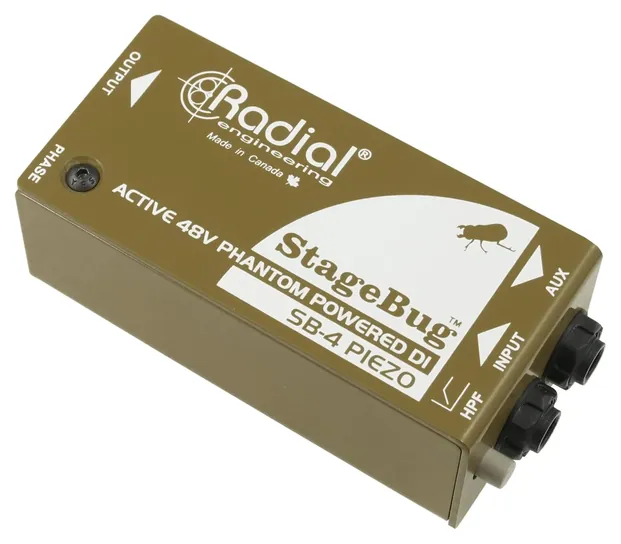
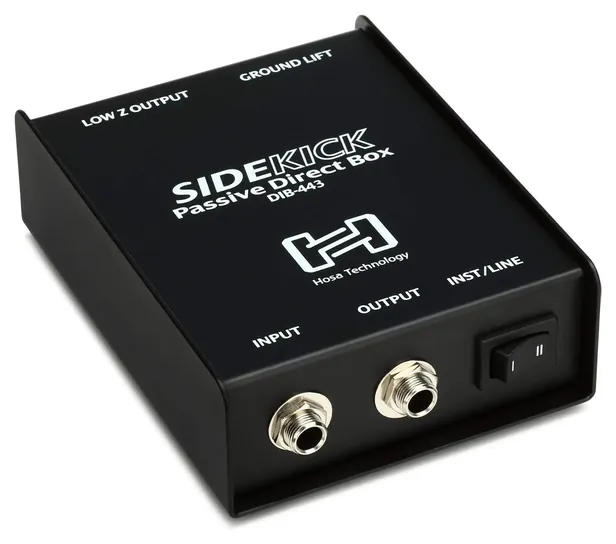
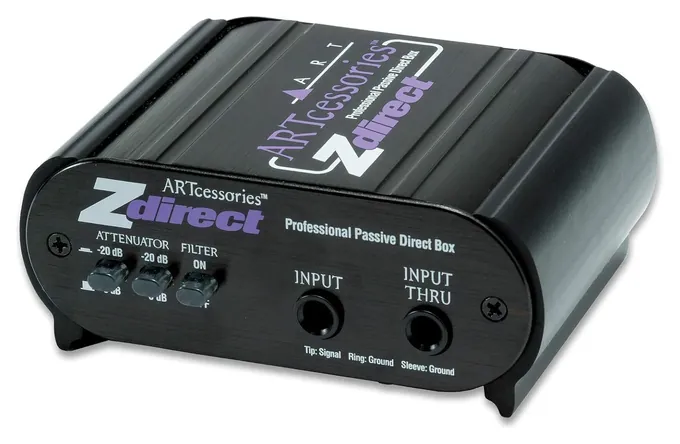
The mono Radial JDI now leads this list. Its Jensen transformer, full set of switches and a warranty that passes to a second owner make it the box most engineers would reach for first, and the Radial ProDI brings the same steel build for about half as much. We added the Radial J48 MK2 for passive basses and the Radial StageBug SB-4 for acoustic pickups, plus three low-cost boxes: the Hosa DIB-443 Sidekick, the ART Zdirect and the Samson MDA1, which stays.
The Behringer DI20 is gone. In a ten-box listening shootout it was the one unit that clearly dulled the sound, and it's out of stock anyway. The old stereo JDI listing no longer looked like the maker's own, so we point stereo buyers to Radial's JDI Duplex instead. The USB-Pro and the pcDI are fine but niche, the Ultra-DI400P has no current price, and the StageBug SB-6 is nearly sold out.
Radial's and Rupert Neve Designs' spec sheets, that shootout and Sound on Sound's RNDI review did most of the work here. Most of the gap between cheap and dear boxes turned out to be build and headroom, not tone.
Earlier notes
February 19, 2021, by Christopher Thomas:
We haven't made any changes to our rankings recently, and in fact, we're impressed with the long-term reliability of all the brands represented here. The Radial JDI Stereo remains one of the most advanced, but the Behringer DI20 is right behind it, and in terms of price, the Behringer is ridiculously affordable. It, along with the Samson MDA1, are both rock-solid budget options, and the Behringer Ultra-DI400P is even less expensive than either.
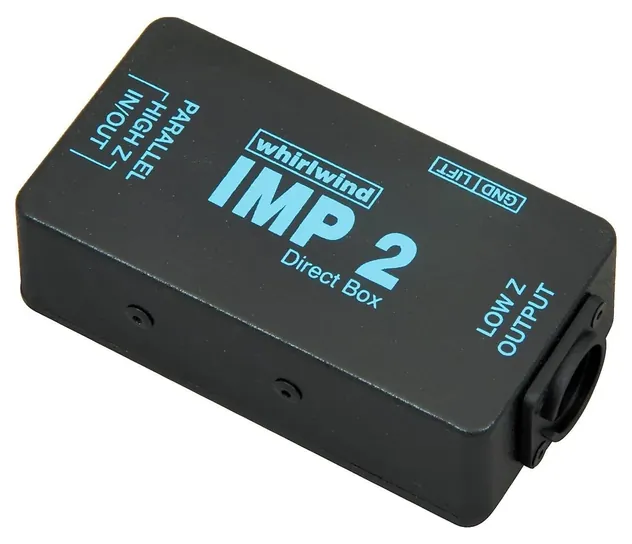
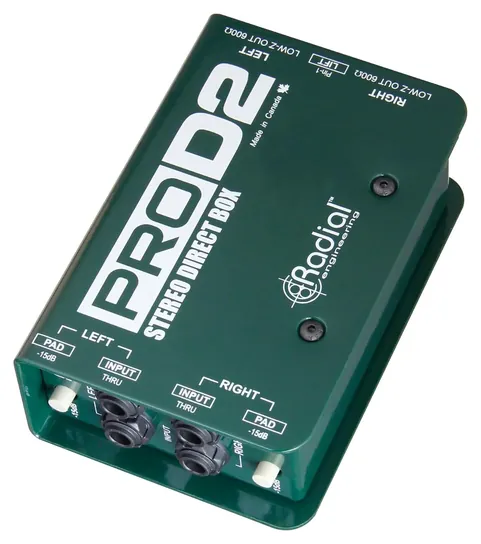
Some options are intended for specific instruments, such as the Radial Stagebug SB-6 and Radial USB-Pro Active, which are meant for DJs and producers who perform through their laptops. Others, such as the Radial ProD2, are meant for keyboards, but any of these specialized models will also work for a wide range of other instrument applications. For complex setups involving in-depth sound and pedal boards, the highly compact Whirlwind Imp 2 is worth a look, and if you want an ultra-premium choice that will hold up even in large venues, the Rupert Neve Designs Active is an expensive but worthwhile choice.
October 25, 2019, by Christopher Thomas:
DI boxes are categorically pretty simple; when they work, they work, and you can spend as little or just about as much as you want on a good one. Radial makes some of the best high-end options, and their Radial JDI Stereo is one of the best models on the market. The Radial USB-Pro Active is ideal if you're running a signal out of a laptop or other USB output, as it promises to be compatible with 24-bit sampling. Behringer, a huge player in affordable audio devices, also has a couple great choices. The Behringer DI20 is not only one of the lowest priced, it also has just about every feature you could need.
If you're willing to make a sizable investment, the Rupert Neve Designs Active is hard to beat, though it is very expensive. You can get by for far less with the Whirlwind pcDI or Whirlwind Imp 2, which are both very durably constructed. They're both excellent for integrating effects pedals a well as equalizers. And if all you need is a single, mono throughput, the Samson MDA1 is both affordable and highly effective.
Special Honors
Radial JDI Duplex Radial's stereo take on the JDI uses two Jensen transformers in one passive box, with inputs for 1/4-inch, mini-jack, RCA and XLR sources. It suits stereo keyboards and playback rigs that want the JDI's sound on both sides. radialeng.com
Passive Or Active: Match The Box To The Source
That keeps passive guitar and bass pickups bright and suits piezo pickups on acoustic instruments, which sound thin and quacky into a low load.
A DI box turns an instrument's high-impedance, unbalanced signal into a low-impedance, balanced one at mic level, so it can travel down a long snake to the mixer without picking up hum or losing treble (Wikipedia). Passive boxes do this with a transformer alone. They need no power, so nothing can die mid-set, and they shrug off hot signals from keyboards, drum machines and active basses. They can't add gain, though, and a weak source such as a passive single-coil bass or a vintage electric piano can come out a little dull (Vintage King).
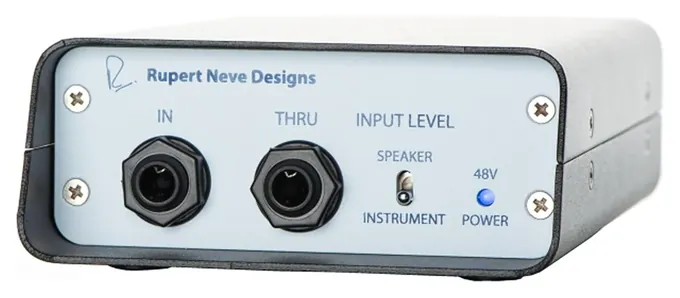
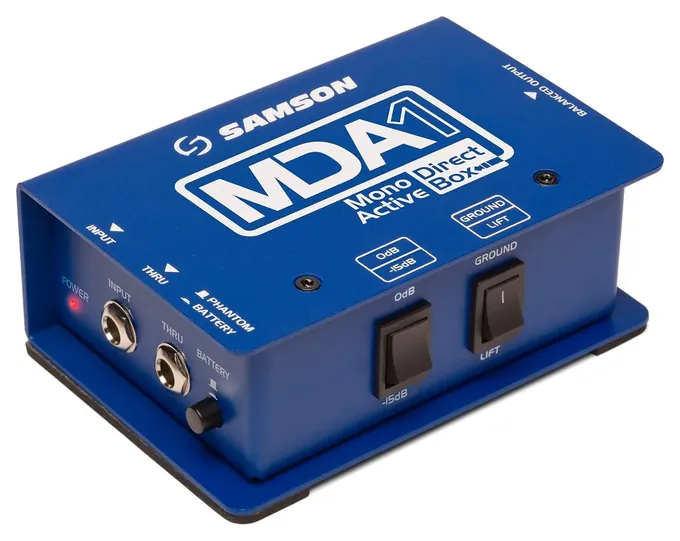
Active boxes add a small powered buffer with a much higher input impedance, often a megohm or more. That keeps passive guitar and bass pickups bright and suits piezo pickups on acoustic instruments, which sound thin and quacky into a low load. The Radial StageBug SB-4 goes to 5 megohms for that reason. The catch is power: the Radial J48 and the Rupert Neve Designs RNDI run only on 48-volt phantom power from the mixer and stay silent without it, while budget active boxes like the Samson MDA1 also take a 9-volt battery.
Pads, Ground Lift, Thru And Merge
A pad cuts the input level so a hot source doesn't overload the transformer: 15 dB on Radial's passive boxes, and 20 or 40 dB on the ART Zdirect. A thru jack passes the untouched instrument signal on to a stage amp while the XLR goes to the mixer. A merge or mono-sum switch, found on the Radial JDI and the J48, folds a stereo keyboard or laptop into one channel when the desk is short of inputs.
Ground lift is the hum fix. It breaks the audio ground between the stage gear and the mixer, which often kills a ground-loop buzz. It does not touch the mains safety earth, and you should never lift that with a cheater plug. Finally, check before you feed a box from an amp's speaker output. A normal DI isn't built for that level. The RNDI has a speaker mode rated for it, and the JDI has a speaker filter and pad for the job.
Does A Pricier Box Sound Better?
Less than you'd think. In Gearshoot's shootout of ten DI boxes, the differences were small on a single pass and hard to hear through a venue PA. The Radial JDI came across warm with a solid low end, while some active boxes sounded cleaner with more top. Neither camp was simply better. The exception was the cheapest box, the Behringer DI20, which narrowed the stereo image and rolled off the highs.
What the extra money buys is mostly build and headroom. Radial uses folded steel shells and backs its boxes for three years, transferable to a second owner. Premium boxes like the RNDI add a custom transformer and modes such as speaker input. Sound on Sound's RNDI review liked its warm tone with basses, guitars and acoustic pickups, but noted the price and the lack of any power option besides phantom. For a home rig or a spare, a well-made budget passive box covers the basics.
How we researched this
We compared 17 DI boxes, read the maker spec sheets for the six Radial and Rupert Neve Designs finalists, used an independent ten-box listening shootout and a Sound on Sound review, looked at owner feedback patterns, and checked every brand for recalls with the U.S. Consumer Product Safety Commission. None had a relevant recall.
Sources (12)
- Radial Engineering: JDI specifications
- Radial Engineering: ProDI specifications
- Radial Engineering: J48
- Radial Engineering: ProD2
- Radial Engineering: StageBug SB-4
- Radial Engineering: JDI Duplex
- Rupert Neve Designs: RNDI
- Gearshoot: Direct box DI shootout
- Sound on Sound: Rupert Neve Designs RNDI review
- Wikipedia: DI unit
- Vintage King: Buyer's guide to direct boxes
- U.S. Consumer Product Safety Commission: Recalls
Frequently asked questions
Do I need a DI box?
You need one when an instrument or line source has to reach a mixer's mic input over a long cable. It balances the signal to cut hum and keeps the highs, and the thru jack lets you keep your stage amp.
Should I get a passive or an active DI box?
Passive for keyboards, drum machines and active basses with strong output. Active for passive guitar and bass pickups and for acoustic piezo pickups, as long as your mixer has phantom power or the box takes a battery.
Why use a DI box for bass?
It sends a clean, full-range bass signal to the PA or recorder, independent of the amp and room. Many players blend it with a miked amp. The thru jack still feeds the amp on stage.
Can I use a stereo source with a mono DI box?
Yes, if the box has a merge or mono-sum switch. The Radial JDI and J48 fold left and right into one channel. Otherwise use a two-channel box like the Radial ProD2.
What does the ground lift switch do?
It disconnects the audio ground between the instrument side and the mixer side, which often stops a ground-loop hum. It doesn't affect the mains safety earth, which should always stay connected.
Is the Samson MDA1 any good?
It's a sound budget active box: it runs on a 9-volt battery or phantom power and has a pad, ground lift and thru jack in a metal case. We found no independent listening test of it, so its specs and owner feedback are the main evidence.