The 10 Best Face Shields
Updated by · How we research

Ten face shields for grinding, torch cutting, hard hats and splash work, compared on impact rating, coverage and fit. The Uvex Bionic S8510 leads. When users buy our independently chosen editorial recommendations, we may earn commissions to help fund the Wiki.
A face shield is backup, not your main eye protection: OSHA rules and the ANSI Z87.1 standard expect safety glasses or goggles underneath it. For grinding, look for Z87+ printed on the visor itself, since many cheap shields only claim it. This list is for DIYers and tradespeople who need a shield for shop, torch, hard-hat or light splash work.


Editor's Notes
October 23, 2026, by Ezvid Wiki Admin:
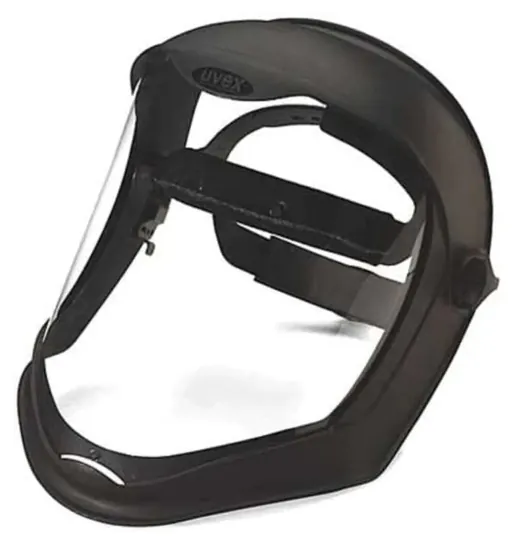
The Uvex Bionic S8510 keeps the top spot. Its wrap-around visor reaches past the chin, and a safety supply store's buyer's guide ranks the Bionic line first too.
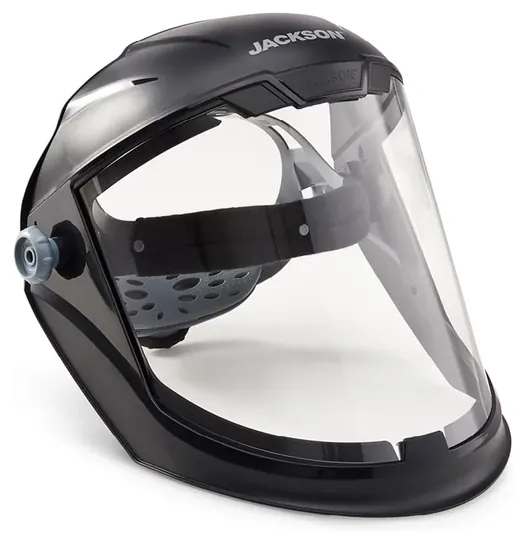
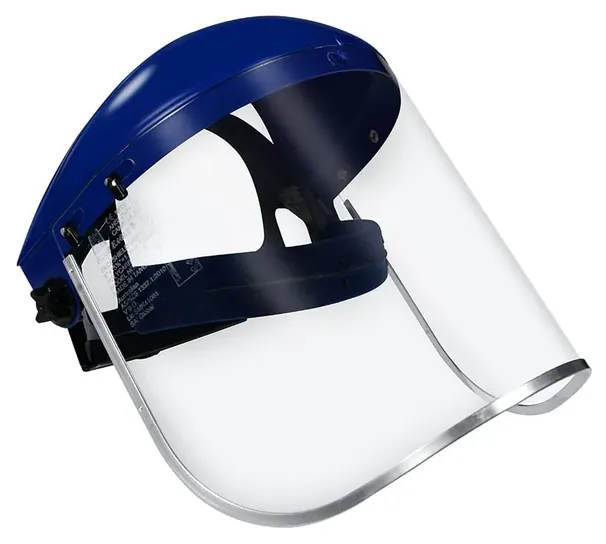
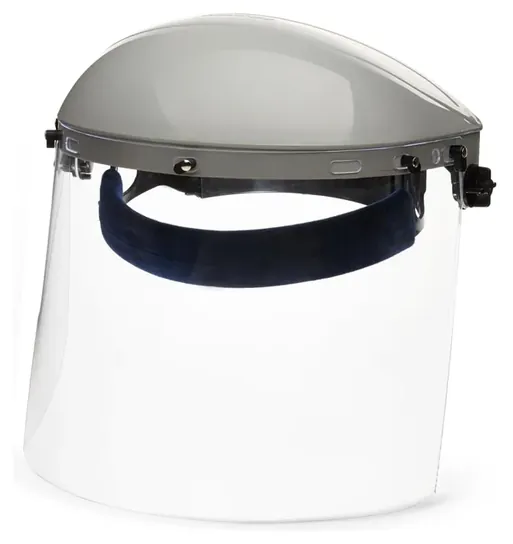
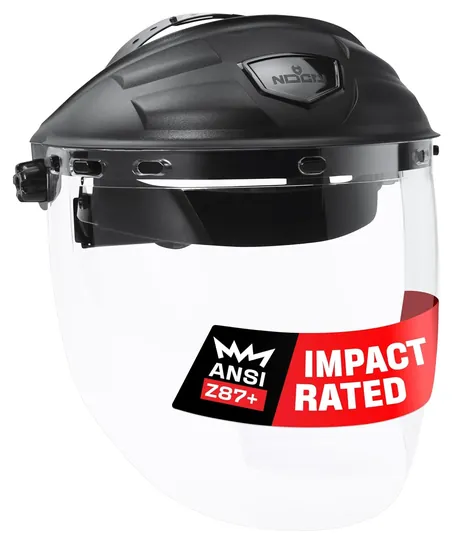
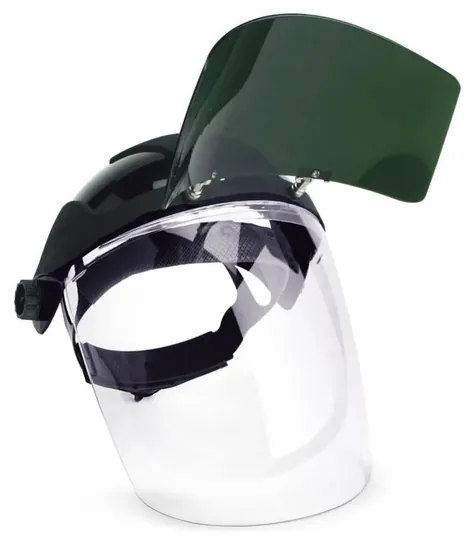
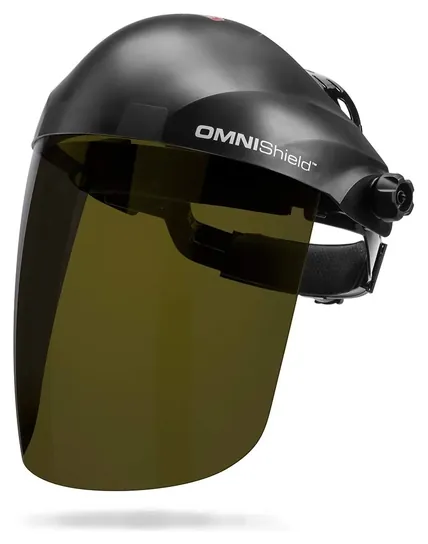
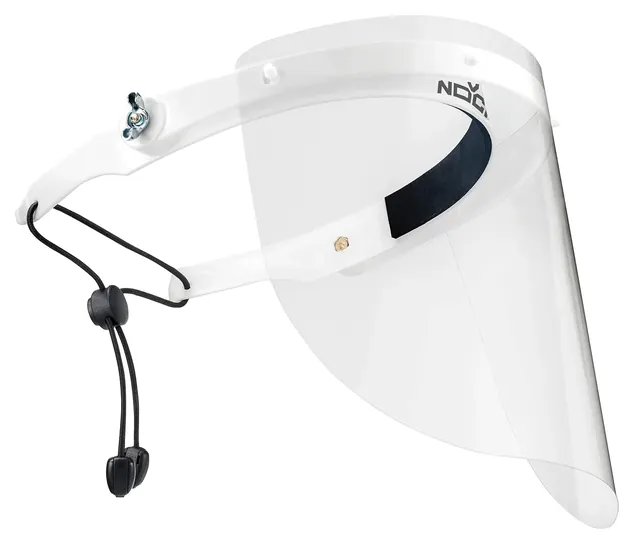
Half the old list was droplet shields from 2020, made for sneezes rather than flying chips. The Christmas By Krebs, OMK FaceShield S 2Pack, TR 88011, Bio-Mask B-101 and ArtToFrame PPE shields no longer turn up for sale, so they're gone, and the Zenport FS825 mesh visor went for the same reason. In their place are the Jackson Maxview 14201, Blue Eagle B1BL, NoCry FaceArmor Pro, Jackson GPL500, Sellstrom DP4 and the NoCry LiteArmor for light splash jobs. The Lincoln OMNIShield stays, but know that it now comes with a dark lens meant for torch work.
We found no published lab tests of face shields, so we checked the impact and shade markings each maker claims against what the Z87.1 standard requires, read a long Garage Journal thread where shop owners compare the shields they've worn for years, and searched federal recall records, which list no face shield recalls.
December 03, 2020:
If you’re looking for a face shield to guard against Covid-19 and other airborne illnesses, lightweight models that offer full-coverage are your best bet. The ArtToFrame PPE is a smart choice, as it comes with multiple, easy-to-clean screens that are wide enough to cover the sides of your face. Goofy animals and other kid-friendly designs are also available. Another option in this category is the Bio-Mask B-101, which comes with 10 plastic shields. An open forehead area lets in plenty of fresh air, though this feature may expose you to aerosol droplets. Alternatively, the Christmas By Krebs is a very economical choice, and it's available in bulk packs, making it ideal for large organizations. If you want even greater protection, take advantage of the included face masks.
If you’ll be wearing a guard for extended periods of time, like during front-line shift work, the OMK FaceShield S 2Pack may be the best choice on our list. It's user-friendly, has easy-to-clean shields, and weighs only 5 ounces, so you won’t feel burdened by the end of the day. As a bonus, it is also one of the most affordable options on our list.
If you want a face shield for industrial purposes, like woodworking and construction projects, look for one that’s ultra-durable and has additional protective features. The Sellstrom S30120 incorporates a full-sized helmet, which can be helpful when working around falling debris. Similarly, the Lincoln Electric OMNIShield also has an attached helmet, and features an impressively durable, scratch-resistant lens. Additionally, it has an anti-fog coating for maximum visibility, which is important to avoid injury when using blades and hammers. The most protective models on our list are the high-quality UVex Bionic, which features durable chin and forehead guards, and the TR 88011, which includes a set of earmuffs to safeguard against auditory damage. The latter also has a mesh screen that provides ventilation, essential for cooling off on hot days. Likewise, the Zenport FS825 has a breathable mesh barrier, though does not offer a full-coverage helmet.
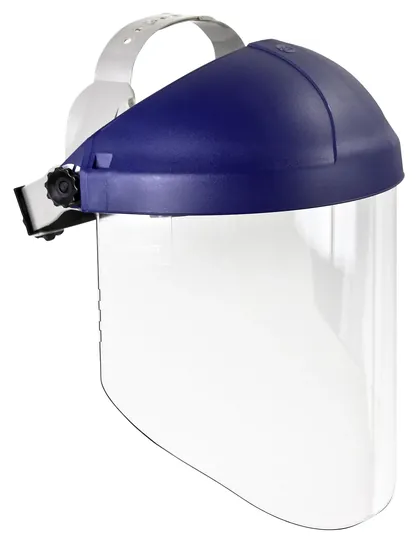
For those of you who have multiple-usage needs, the 3M Ratchet is both safe enough for industrial environments, and convenient enough for coronavirus PPE. It is a helmet-less, lightweight face shield that is comfortable to wear to the store or while running errands. However, it doesn't have a thin, flimsy screen, instead sporting an ultra-durable plastic shield that can stand-up to flying sheetrock.
April 09, 2019:
We looked for options that would provide a high level of safety, but we'd like to remind wearers: face shields are usually worn in addition to, rather than instead of, safety spectacles for an even greater degree of protection. Also, most (if not all) ship with protective film covering both sides, so if your visor seems especially foggy, you probably need to remove this film. That said, we still believe that the UVex Bionic and Sellstrom Headgear are top choices. Both are clear and offer enough adjustability to make most wearers completely comfortable. Plus, the Bionic is totally dielectric, so you'll have no worries in electrical environments. For a more affordable alternative, we suggest the Sellstrom Advantage Series or the 3M Ratchet. We also selected an option for those involved in martial arts, the Pro Force Thunder, and one for light-duty protection against the weather, the SA Multipurpose, which is popular with fishers. And, unfortunately, the Salisbury Flash has become tough to find, so we removed it.
Read The Markings: Z87, Z87+ And Shade Numbers
A shade number means the window is tinted to cut glare and infrared light from a flame.
Start with what's stamped on the visor, not what a box or a web page says. Under OSHA's eye and face protection rule, work eyewear and face protection have to meet the ANSI Z87.1 standard. A plain Z87 mark means basic impact protection. Z87+ means the window passed the high-velocity impact tests, and that's the one you want for grinding, chipping or anything with a spinning wheel, as WC Safety's face shield guide points out. Extra codes cover other hazards: D3 for splashes, D4 for dust and D5 for fine dust.
A shade number means the window is tinted to cut glare and infrared light from a flame. Shade 3 and shade 5 suit torch cutting, brazing and soldering, and they're too dark for woodworking. Neither is a welding lens. Arc welding needs a welding helmet with a much darker filter.
Many cheap multi-packs claim to meet ANSI but show no mark on the visor itself. Treat those as splash guards, not impact protection. And no matter how good the shield, it's secondary protection: OSHA and the standard expect safety glasses or goggles underneath.
Match The Window To The Job
Polycarbonate is the go-to for impact. It's the clear plastic in nearly every grinding and woodturning shield, and a typical window is about four hundredths of an inch thick. Heavy-duty windows like 3M's WP96 run about twice that. Acetate, propionate and PETG windows hold up better against chemical splashes, and they're common on lab and spray shields.
Steel or nylon mesh visors don't fog and let air through, so loggers and people clearing brush like them. They won't stop a splash, dust or a small chip, though. In a Garage Journal thread on face shields, one shop owner describes a cutoff wheel fragment going through an older shield, which is why a high-impact rating matters for angle grinders.
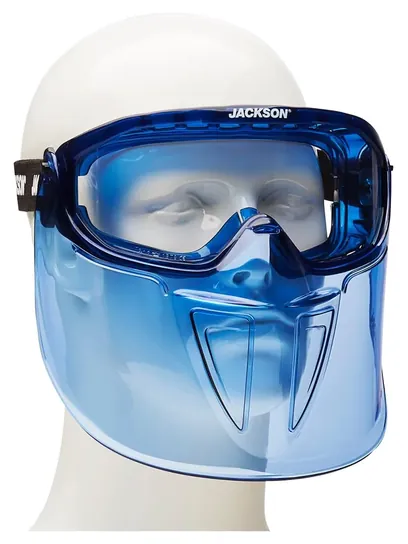
Think about coverage, too. Wrap-around shields with chin guards stop debris that bounces up from the bench. Flat windows on a simple crown are cheaper and lighter, but they leave the jaw and the sides of your face more open. Goggle-and-shield combos cover your eyes first and add a smaller shield for the lower face.
Fit, Fog And When To Replace The Window
Try the shield with the glasses, respirator or earmuffs you already wear. Ratchet headgear with a large dial is easier to adjust with gloves on, and visors that tilt farther from your face leave more room for prescription glasses. If you wear a hard hat, buy a cap-mount shield made for it rather than stacking a headband shield on top.
Uncoated polycarbonate fogs in humid shops and scratches with use. Anti-fog and hard-coated windows help, and many new shields arrive with a protective film on both sides that must come off before use. WC Safety's review of the Uvex Bionic notes the same trade-off for uncoated visors.
Wash the window with mild soap and water, never solvents, and store it out of the sun. Look it over before each use, and replace it when you see deep scratches, cracks, crazing, pitting or a cloudy haze. A spare window costs far less than the full shield.
How we researched this
We compared 22 face shields, including the six dropped from the old list, and read the makers' and sellers' specifications for the 10 finalists. We checked each claimed impact and shade marking against the ANSI Z87.1 rules, studied owner feedback patterns from shop forums, read a safety supply store's guide and review, and searched SaferProducts.gov for recalls. Updated October 23, 2026 by Ezvid Wiki Admin.
Frequently asked questions
Do I still need safety glasses under a face shield?
Yes. A face shield is secondary protection. OSHA's eye and face rule and the ANSI Z87.1 standard expect safety glasses or goggles underneath, because chips can get in under the edge of the shield.
Can I use a face shield for welding?
Not a clear one. Arc welding needs a welding helmet with a dark filter. Tinted shields with shade 3 or shade 5 lenses suit torch cutting and brazing, not arc welding.
Will a face shield fit over my glasses?
Most full-face shields leave room for glasses. The Uvex Bionic S8510, Jackson Maxview 14201 and NoCry FaceArmor Pro are sold as fitting over eyewear, and the Jackson GPL500 goggles fit over most prescription frames.
Why does my face shield fog up?
Uncoated polycarbonate fogs in humid air and when you breathe hard. An anti-fog coated window helps. Also check that you peeled the protective film off both sides, since leftover film blurs the view.
Are cheap multi-pack face shields safe for grinding?
Only if Z87+ is printed on the visor itself. Many cheap packs are thin droplet shields meant for splashes, and they can crack or let a chip through.
How often should I replace the visor?
Inspect it before each use and replace it when it has deep scratches, cracks, crazing, pitting or a cloudy haze. Clean it with mild soap and water, never solvents.