The 10 Best Fort Building Kits For Kids
Updated by · How we research

Rod-and-ball kits, a fan-filled dome, blanket clips and panel sets compared for indoor forts. The Tiny Land Fort Building Kit leads for size, fit and value. When users buy our independently chosen editorial picks, we may earn commissions to help fund the Wiki.
Most fort building kits supply only the frame. Rod-and-ball sets make the skeleton of a castle or dome, and you drape your own light sheet over it, since a heavy blanket can pull it all down. These picks also cover a fan-filled dome, a clip-on blanket set and cardboard and felt panels, for kids from preschool to about 10.




Editor's Notes
October 23, 2026, by Ezvid Wiki Editors:
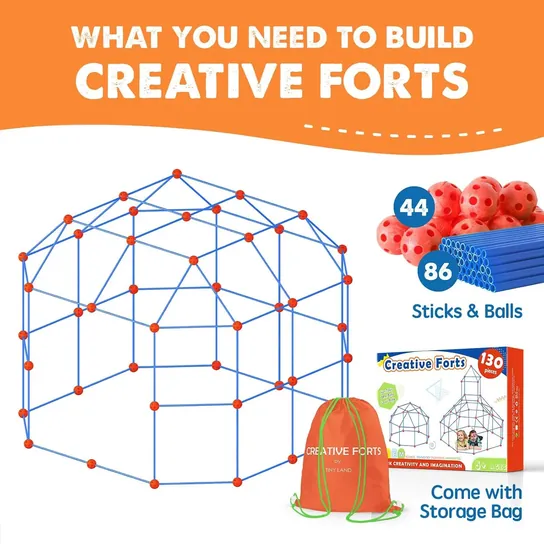
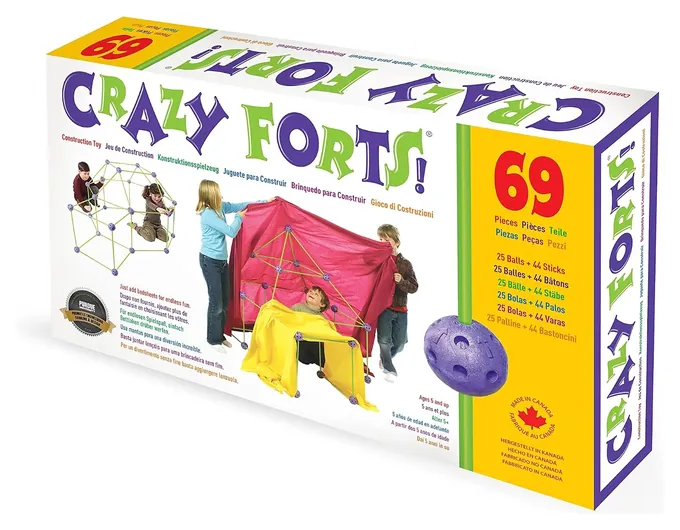
The Tiny Land Fort Building Kit now leads this list. It gives kids about 130 pieces for a fair price, its joints hold a frame firmly, and its maker states it meets the U.S. toy safety standard. Nine of the old picks are gone because they're no longer available, including Fort Boards, Fantasy Fort, PicassoTiles and HearthSong. Blaster Boards went too; they're bunker boards for foam-dart battles more than a fort. Crazy Forts stays.
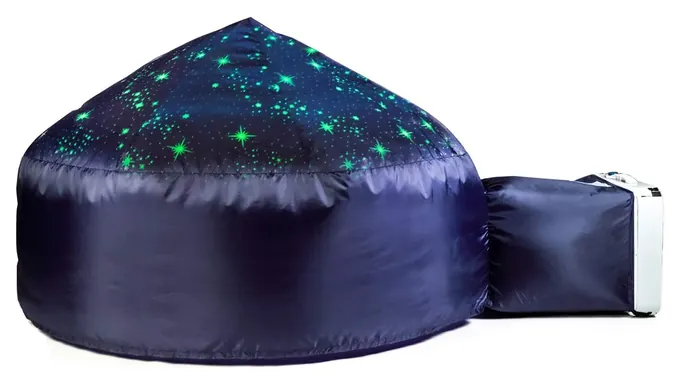
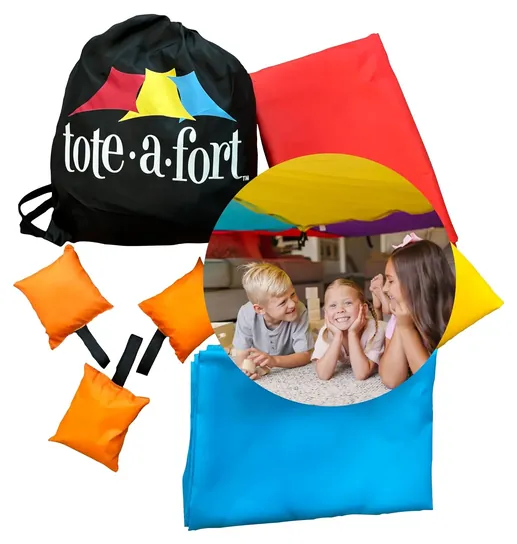
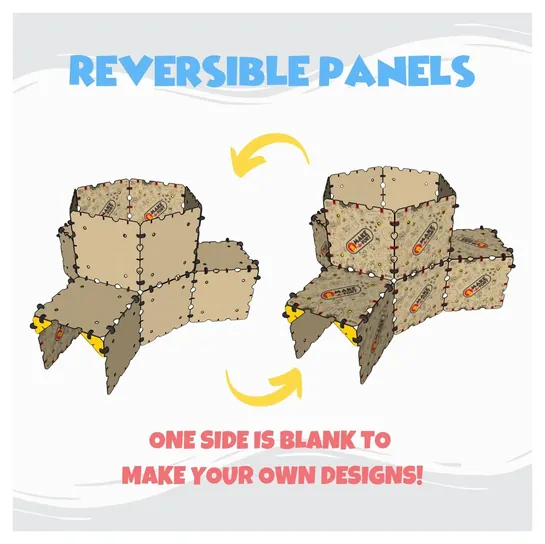
We also widened the list past rods and balls. The AirFort Inflatable Fort, the Tote a Fort Original, the Make-A-Fort Explorer Kit and the Superspace Little Set each build a fort a different way, and some kids will get more from them than from another stick kit.
No lab or magazine has tested fort kits side by side. Our evidence was each maker's parts list, one family's account of building a premium kit at home, parent-run roundups, patterns in owner feedback and a search of CPSC recalls. That search turned up a 2026 recall of Tiny Land's play tents over shedding fiberglass poles. It covers the tent, not the plastic-rod fort kit, but it's worth knowing.
Earlier notes
May 18, 2020, by Luke Mitchell:
There's no limit to a child's imagination, and the fort building kits in this ranking will allow your child the freedom to express their creativity in a number of ways. Whether they wish to build a fairytale castle, a knight’s fortress, a den of solitude for reading in, or a futuristic space station, the possibilities are indeed endless.
There are two types of forts in this ranking. Some, such as the Win Sports 77 Piece, PicassoTiles 72 Piece, and the Matchaccino 77 Piece, use scaffolding over which you can throw a sheet or tarp, to create an effective, lightweight shelter that can be easily assembled indoors or outdoors. These use an interlinking ball and shaft assembly that can be fitted together in a variety of positions, expanding the design possibilities.
Other forts, including the HearthSong 32 Piece, Blaster Boards 92 Piece, and the Fantasy Fort 32 Piece, use an interlocking panel design. These fit together using either Velcro straps or a plastic strut that clips to each panel to make the assembly rigid, and require no cover to enclose their structure.
If you seek a more visually appealing model, the FAO Schwarz 16 Piece and Fantasy Fort 32 Piece feature interesting designs on their facades, including medieval motifs, and faux-wood patterns, respectively. The HearthSong 32 Piece adds a creative twist to this idea with 16 chalkboard facades that allow a child to decorate their fort with their own inspirational designs.
Special Honors
Fort Magic Fort Magic is a premium construction kit of long rods and connectors that builds tall, room-size forts. It costs much more than a rod-and-ball set, but one family's write-up found preschoolers could follow its picture guide with an adult helping on tall builds. fortmagicstore.com
Lakeshore Ultimate Fort Builder Lakeshore Learning, a classroom supplier, makes the Ultimate Fort Builder, a set of poles and connectors that owners describe as unusually easy to put together and durable. Lakeshore sells it directly. lakeshorelearning.com
Four Ways To Build A Fort
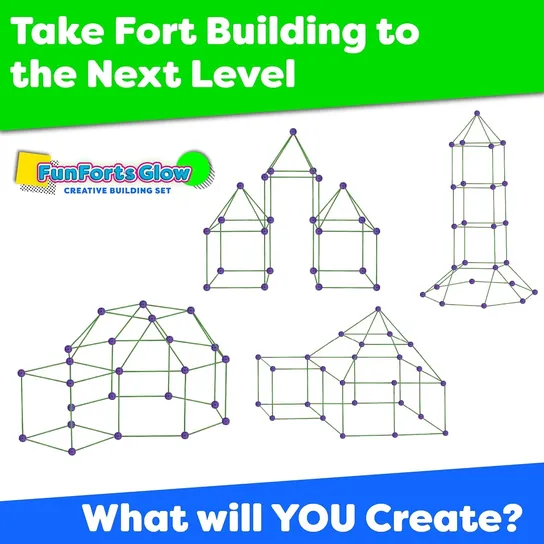
Plastic rods push or twist into round connectors to make a frame, and a sheet goes over the top.
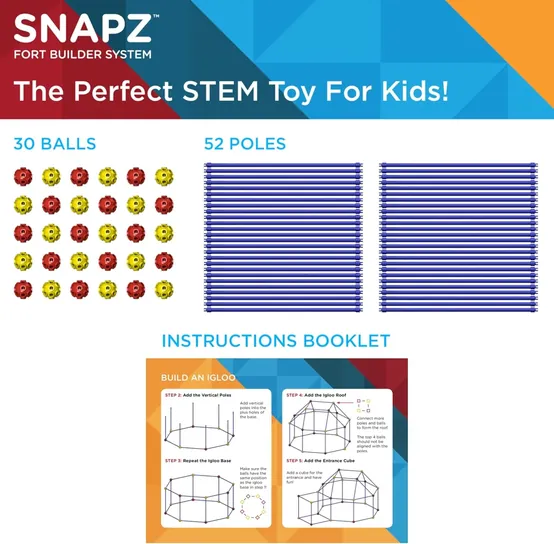
Most kits are rod-and-ball sets. Plastic rods push or twist into round connectors to make a frame, and a sheet goes over the top. They're the cheapest way to build something kids can walk into, and they teach a little geometry along the way. Some use plain balls with holes, others add hubs that click shut or bend, which helps young builders.
Blanket kits drop the frame. Sets like Tote a Fort are big, light fabric panels with clips, straps and weighted bags that hang off the furniture you already have. They're quick, quiet and have no small pieces, but the fort only works where there's a couch or table to tie it to.
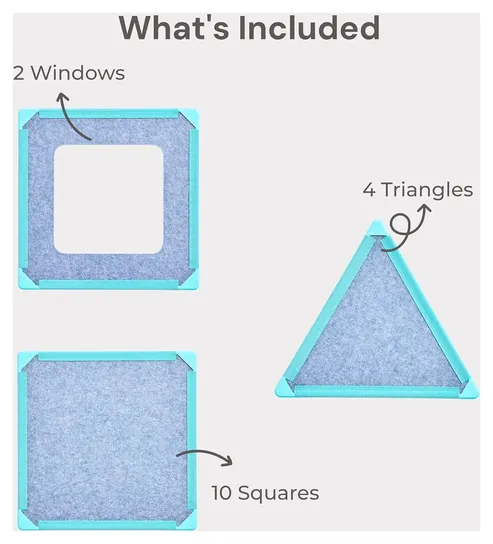
Panel kits build walls instead of skeletons. Make-A-Fort uses cardboard squares, foam connectors and braces, and builds a room about 6 by 4 feet and 4 feet tall. Magnetic felt panels such as Superspace snap together at the edges and cost far more. A fan-filled dome like the AirFort needs no building at all: it hooks to a household box fan, which you supply and keep running.
Whatever the type, a fort takes over a room. One family's write-up of building a premium kit at home, on Tinkerlab found that young kids could follow the picture guide, adults had to help with tall builds, and sheets had to be bought separately.
Pieces, Joints And What Goes On Top
Piece count decides what kids can make. A kit of around 70 pieces builds one small dome or tunnel; sets with 130 to 180 pieces leave room for towers, several rooms or two builders at once. Kits from the same brand usually fit together, so a second box is the cheapest way to grow, as Mommy Bunch notes for Crazy Forts.
Joints are the main trade-off. Twist-fit balls hold tight once the rod is in, but they take strong fingers, and parents often end up doing the building for kids under 8. Click-lock joints are easier for small hands. Loose push-fit kits are the easiest of all and also the first to fall apart: a parent-run roundup at Stuck at Home Mom found the sticks on one easy-connect kit popped out too readily.
The cover is almost never in the box. Plan on a flat sheet or a light throw. Heavy quilts and comforters drag rod frames down, and the small clips that come with some kits don't grip thick fabric well. Glow-in-the-dark rods need time under a lamp before play, and the glow fades over the evening.
Roundups such as ParentMap's list are a good source of ideas, but most don't name drawbacks, so weigh their picks against owner feedback on durability.
Safety: Small Parts, Collapses And Recalls
Rods, balls and clips are small parts. Federal rules ban small parts in toys meant for children under 3 and require a choking warning on toys for ages 3 to 5 (CPSC). Many rod kits are labeled 3 and up, but most families find them a better fit from about 4 or 5, with a grown-up building the tall parts. Keep loose pieces away from toddlers.
A frame can come down on a child. Keep builds low for little kids, keep them away from stairs, fireplaces and space heaters, and don't load the top with heavy blankets. Fort fabric isn't fire-resistant, so use LED lights inside, never candles or hot bulbs. Don't let small children nap sealed inside a fort, and keep fan and light cords out of the way.
Check recalls before you buy. In 2024, Intellio Toys recalled its Bright Builder fort kits because the included flashlights had button-cell batteries kids could reach (CPSC). In June 2026, Tiny Land recalled its children's play tents, whose fiberglass poles could shed fibers (CPSC); that recall covers the tent, not the plastic-rod fort kit. For any magnetic panel set, make sure the magnets are fully enclosed, and search SaferProducts.gov for the brand.
How we researched this
We compared 20 fort kits, including rod-and-ball sets, blanket kits, cardboard and felt panel sets and an inflatable dome, read the makers' parts lists and pages for the 10 finalists, read one family's account of building a premium kit and three parent-run roundups, analyzed owner feedback patterns, and checked each brand against CPSC recall records. Updated October 23, 2026 by Ezvid Wiki Editors.
Sources (13)
- AirFort: inflatable forts
- Tote a Fort: blanket fort kits
- Make-A-Fort: Explorer Kit
- Superspace: best fort building kits (vendor blog)
- Fort Magic: maker store
- Tinkerlab: engineering kids fort building kit
- Stuck at Home Mom: best fort building kits
- ParentMap: fort kits
- Mommy Bunch: fort building tools
- CPSC: small parts for toys and children's products
- CPSC: Intellio Toys Bright Builder fort kits recall (2024)
- CPSC: Tiny Land children's play tents recall (2026)
- SaferProducts.gov
Frequently asked questions
Do fort building kits come with a blanket or sheet?
Most rod-and-ball kits don't. Plan on a flat sheet or a light throw; heavy blankets can pull a rod frame down. Blanket kits and inflatable domes include their own fabric.
What age are fort building kits for?
Many are labeled for ages 3 and up, but rod-and-ball kits have small parts and tight joints, so they suit kids from about 4 or 5 with an adult helping. Kids around 8 and older can usually build alone. Blanket kits and inflatable forts have no small pieces.
How long do glow-in-the-dark fort rods glow?
Not all night. The rods need about 15 to 30 minutes under a bright light, and the glow fades over the following hours. Recharge them under a lamp before bedtime play.
Can I combine two fort kits?
Usually, if they're from the same brand. Rods and balls from different brands often don't fit each other, so buy a second set of the kit you already have.
Does an inflatable fort need a fan?
Yes. An AirFort attaches to a household box fan, sold separately, that must run the whole time the fort is up. Use the low setting to keep noise down and keep kids away from the fan opening.