The 10 Best Fuel System Cleaners
Updated by · How we research

Ten fuel system cleaners compared by detergent, dose and engine type. Chevron Techron Concentrate Plus leads for most gas cars; Red Line SI-1 suits deep cleans. When users buy our independently chosen editorial picks, we may earn commissions to help fund the Wiki.
In AAA's lab study, gas without extra detergent left about 19 times more engine deposits than Top Tier gas, so the first fix is often at the pump. A bottled cleaner helps most with light buildup, rough idle and hesitation in gas engines. It does little for the intake valves of direct-injection engines, and it can't fix a dead injector.


Editor's Notes
October 23, 2026, by Ezvid Wiki Admin:
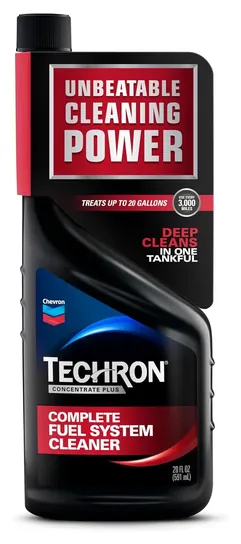
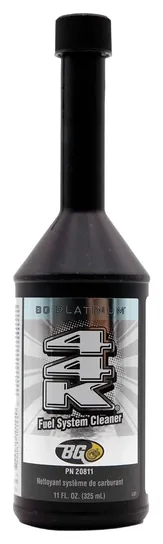
Chevron Techron Concentrate Plus moves to the top. Its detergent holds up in the hottest parts of an engine, one bottle doses a full tank, and it's sold almost everywhere. Red Line SI-1 and BG 44K Platinum follow for deeper cleanups.
The hard evidence in this field is mostly about gasoline, not bottles. AAA's lab work showed how much detergent-rich gas matters, and Motor Trend's injector flow check of one pour-in cleaner found no change on an older engine. So we ranked by the detergent each formula uses, the makers' own dosing sheets and long-running owner patterns, and we say where a claim is only the maker's.
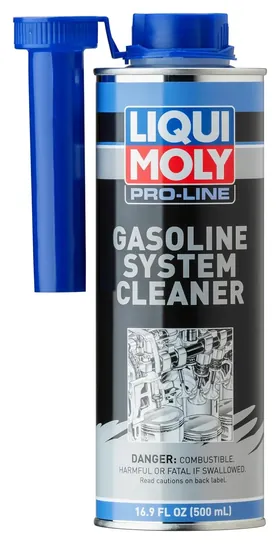
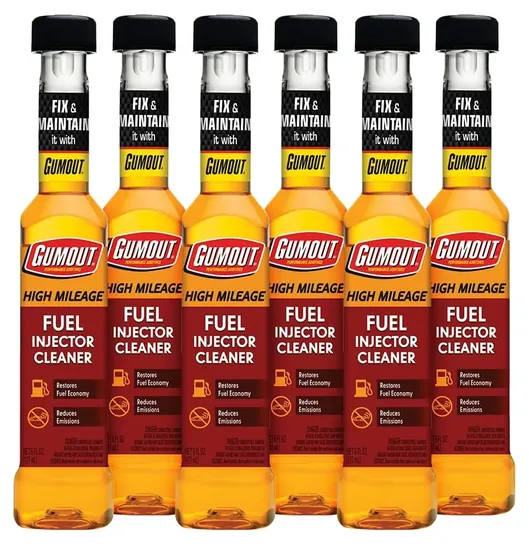
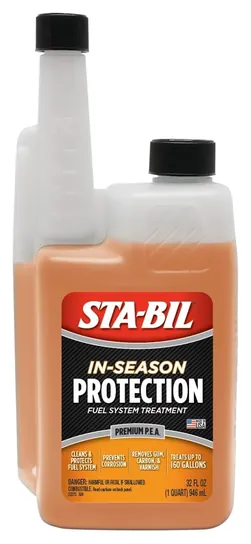
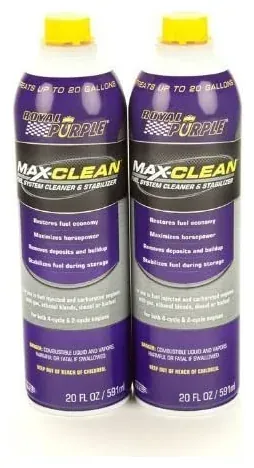
We dropped Marvel Mystery Oil Ultimate because it's no longer available, and Lubegard 77012 Booster because so little stands behind it. Royal Purple Max-Clean stays, but now as a two-pack, since the single-bottle option is gone. The old Sta-Bil 360 Protection is now called Sta-Bil In-Season Protection. New are Liqui Moly Pro-Line for import owners and Gumout High Mileage as the low-cost habit.
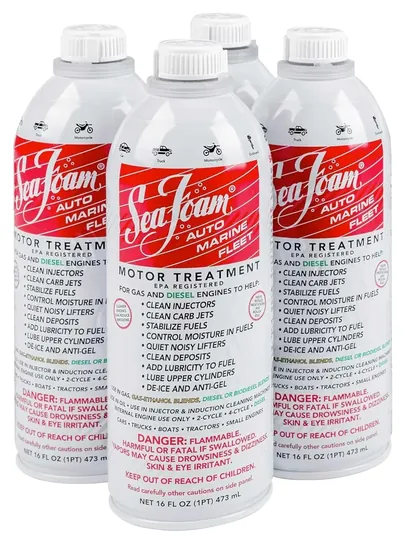
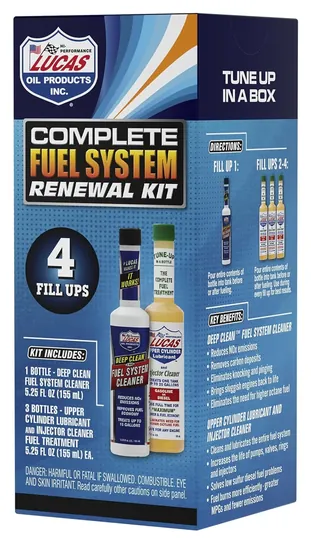
Diesel owners: the list is gasoline-first. Sea Foam Motor Treatment and the Lucas Oil Renewal Kit are the picks here that work in diesels.
December 07, 2020:
During this latest update, we made a few changes to reflect what we feel are better offerings for several reasons. One example of this is eliminating Lucas Oil 10512 Deep Clean and Lucas Oil 10013 Lubricant as separate options, and instead including the Lucas Complete Renewal Kit, which comes with a bottle of each of this effective formulas. Together, these will clean every aspect of your engine's fuel system, from the injectors to the combustion chamber, which should result in improved performance in across many areas. This freed up a spot to add Sea Foam SF-16, which has proven to be very effective at both removing and preventing deposits. It has also shown to improve cold and hot combustion pressure, which makes an engine start quicker and more powerful.
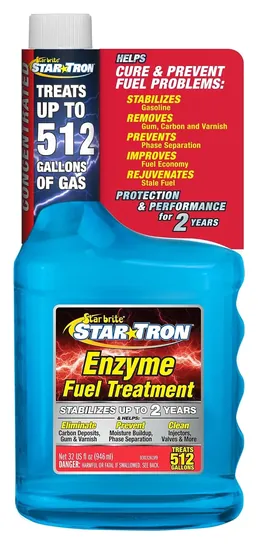
Another change was to replace Star Brite Star Tron Enzyme with Star Brite Star Tron Enzyme Concentrate. The latter comes in a 32-ounce bottle that is enough to treat over 500 gallons of gasoline. We feel this is not only more economical, but also more practical than the tiny one-ounce bottles the former comes in that can only treat six gallons. Other than one being more concentrated than the other, these are both equally effective at preventing phase separation, rejuvenating old fuel, and removing gunky buildup.
Based on some independent tests, we decided to remove STP 17437 Ultra and added Marvel Mystery Oil Ultimate. While there was nothing inherently wrong with the former, and they are both good at removing and preventing valve and cylinder deposits, the latter is just more versatile. Not only is it suitable for use in petrol and diesel engines, but it can also be used in hybrids and gasoline direct injection systems. Additionally, it doubles as an oil additive, allowing you to use a single solution for many of your maintenance needs.
April 29, 2019:
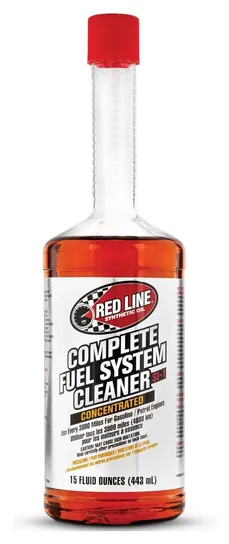
For the novice, trying to choose a fuel system cleaner can be a bit like trying to decipher Latin, they have no idea where to start. Luckily, we've got you covered and have put together a list of the best options, as well as tried to provide some guidance regarding the best usage of each. If you have a diesel engine, we recommend looking at Lubegard 77012 Booster and Lucas Oil 10013 Lubricant. That isn't to say these options wouldn't also be suitable for gasoline engines, they are just safe and very effective on diesels too. If you have an upcoming emissions test and are worried about passing, grab yourself some Royal Purple 11723 Max-Clean. You'll realize a marked reduction in the amount of harmful emissions leaving your vehicle, and it takes effect very quickly. If you think you car is stumbling because of restricted flow through your injectors, we recommend trying BG 44K Platinum. Along with BG 44K Platinum, Chevron Techron Concentrate and Red Line Complete SI-1 both work very well for high-performance engines. If you need something for your boat, you should probably take a look at STP 17437 Ultra, and if you want something for small outdoor engines, say a lawnmower or string trimmer, we recommend Star Brite Star Tron Enzyme.
Special Honors
Top Tier Gasoline Top Tier is a fuel standard backed by several automakers that requires more detergent than the EPA minimum. Filling up at a Top Tier station is the cheapest way to keep injectors and valves clean, and its site lists the gas brands that qualify. toptiergas.com
What A Bottle Can And Can't Clean
It helps most with light deposits that cause a rough idle, hesitation or a small drop in mileage.
A pour-in cleaner works by riding along with the fuel, so it can only clean what the fuel touches: the injectors, the intake valves on older port-injected engines, and the top of the pistons. It helps most with light deposits that cause a rough idle, hesitation or a small drop in mileage.
It won't revive an injector that's badly clogged or leaking. When Motor Trend sent injectors to a flow-testing shop before and after a well-known cleaner, the flow didn't change, and the shop said deep cleaning takes stronger chemicals than an over-the-counter bottle. That was one cleaner on older engines, but it's a fair warning against expecting miracles.
Direct-injection engines are a special case. Their fuel sprays straight into the cylinder, so it never washes the intake valves, and the carbon there comes from oil vapor. Tank additives do little for those valves (AA1Car); a shop walnut-blasting or induction cleaning is the usual fix. A bottle may still keep the injector tips clean.
The cheapest prevention is the gas itself. In AAA's study, non-Top Tier gasolines left 19 times more deposits after a simulated 4,000 miles, and the price gap was a few cents a gallon.
Shock Dose, Every-Tank Treatment Or Stabilizer
Bottles fall into three groups. Concentrates are meant for an occasional strong dose: Red Line says to pour a full bottle into a nearly empty tank and refill up to 20 gallons, then use half a bottle every 1,500 miles. BG Products gives an 11-ounce pour for 13 to 20 gallons and smaller pours for smaller tanks.
Every-tank treatments use a small dose at each fill-up. They cost little per tank and suit a car that's already running well. A solvent blend like Sea Foam is dosed at about an ounce per gallon and doubles as a stabilizer and a carburetor cleaner.
Stabilizers and enzyme treatments are for fuel that sits: boats, mowers, generators and seasonal cars. They keep gas from going stale and fight water in ethanol blends, but they're not strong injector cleaners.
Whatever you buy, match the dose to your tank. Doubling up doesn't clean faster, and mixing brands in one tank gains nothing. Add the bottle before you fill so the fuel mixes it in.
Gas, Diesel And Safety
Most concentrates are for gasoline only, so read the label before using one in a diesel. Of the picks here, Sea Foam and the Lucas Oil kit list both fuels. Diesel owners who need a cetane boost or anti-gel protection should look at a diesel-specific treatment.
Fuel additives sold for road vehicles have to be registered with the EPA under the Clean Air Act, which covers what they contain, not how well they work.
These are flammable liquids, and most are harmful or fatal if swallowed, because they can get into the lungs. Store them upright, away from heat and out of reach of children, and never siphon by mouth. Liqui Moly also prints a California Prop 65 warning. Pour into the fuel tank only, unless the label says a cleaner also goes in the oil.
How we researched this
We compared 20 fuel system cleaners and treatments and screened 10 finalists against their makers' directions, spec sheets and safety data sheets. We read AAA's gasoline detergent study, Motor Trend's injector flow check and technical write-ups on direct-injection deposits, analyzed owner feedback patterns, and checked every brand for recalls with the U.S. Consumer Product Safety Commission. We found no independent lab ranking of these cleaners.
Sources (12)
- AAA: Not all gasoline is created equal (2016)
- Motor Trend: fuel system cleaners, fact or fiction
- AA1Car: intake valve deposits in GDI engines
- Red Line: SI-1 product information sheet
- BG Products: BG 44K Platinum
- Liqui Moly: Pro-Line Gasoline System Cleaner
- Sea Foam: adding Sea Foam to gas and diesel fuel
- Sea Foam Motor Treatment SDS
- Lucas Oil: Complete Fuel System Renewal Kit
- Royal Purple: Max-Clean product data sheet
- EPA: registration of fuels and fuel additives
- Top Tier Gasoline
Frequently asked questions
Do fuel system cleaners actually work?
They help with light deposits that cause a rough idle or hesitation, and they keep a clean engine clean. They don't fix a badly clogged or failing injector; that needs a shop cleaning or a new part.
How often should I use a fuel injector cleaner?
Follow the label. Red Line suggests half a bottle every 1,500 miles after a full first dose, while every-tank treatments add a small amount at each fill-up. If you buy Top Tier gas, an occasional bottle is plenty.
What is the best fuel system cleaner for diesel engines?
Most strong concentrates are for gas only. Sea Foam Motor Treatment and the Lucas Oil Renewal Kit are labeled for diesel too; for cold-weather gelling or cetane, use a diesel-specific treatment.
Do cleaners work on direct-injection engines?
Partly. They can keep injector tips clean, but the fuel never touches the intake valves in a direct-injection engine, so carbon there usually needs a shop induction or walnut-blast cleaning.
Will a fuel additive void my car's warranty?
Some makers, such as Gumout, say theirs won't. Check your owner's manual, which may recommend Top Tier gas or a specific additive.
Is Top Tier gas better than using an additive?
For prevention, yes. AAA found non-Top Tier gas left 19 times more deposits in its lab test, and Top Tier usually costs only a few cents more per gallon.