The 8 Best Grandfather Clocks
Updated by · How we research

Weight-driven heirlooms, modern floor clocks and chiming wall pendulums compared on movement, sound and upkeep. The Hermle Anstead leads as the mechanical pick. When users buy our independently chosen editorial selections, we may earn commissions to help fund the Wiki.
Most tall clocks sold online now run on batteries: the pendulum swings for show and a speaker plays the chime, so nothing needs winding. A true grandfather clock runs on hanging brass weights that you crank up by hand, usually once a week, and it costs several times as much. This list covers both, plus wall clocks for homes without a spare corner.


Editor's Notes
October 26, 2026, by Ezvid Wiki Editors:
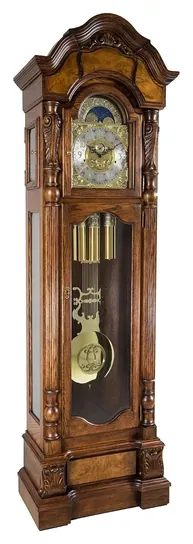
A weight-driven Hermle Anstead now leads, because it's the one traditional mechanical clock we could find still sold new with a German movement and a moon dial. None of the old picks survived: the Howard Miller Majestic II, Brenner III, Roderick III, Urban III and Nicea, and both Coaster clocks, have no current sellers.
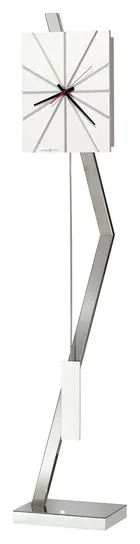
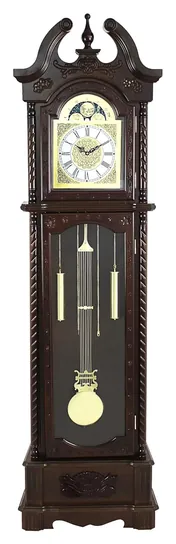
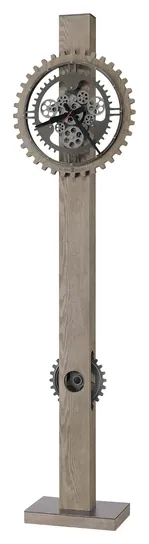
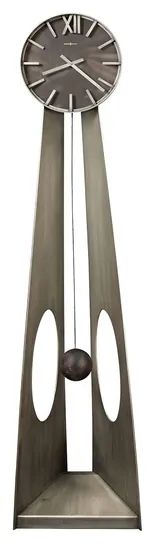
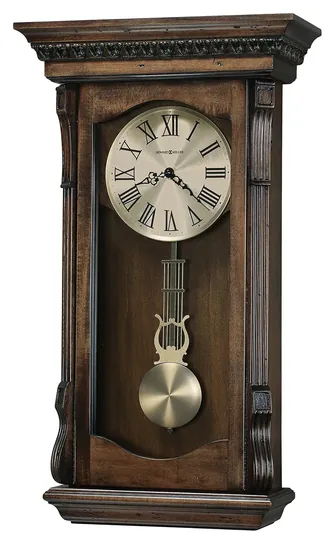
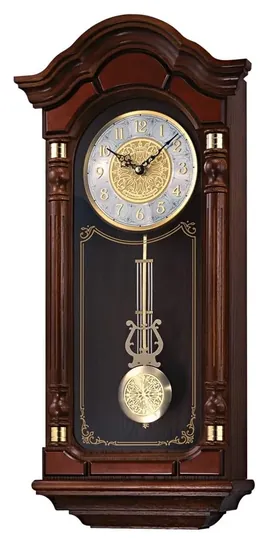
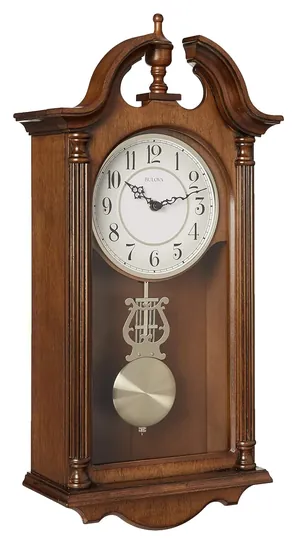
The surprise was how few real grandfather clocks are left in mainstream online stores. Nearly everything under a couple thousand is a battery clock with a decorative pendulum, so we say plainly which is which. The Howard Miller Zander, Alice and Smith II cover modern rooms, and the Jenlea Walnut Floor Clock gives the traditional look for far less. For tight spaces, we added chiming wall clocks from Howard Miller, Seiko and Bulova.
Our evidence was Howard Miller's own spec pages, the movement and chime details sellers publish, the history of the longcase clock, and a search of every brand in the Consumer Product Safety Commission's recall records.
Earlier notes
March 3, 2021, by Will Rhoda:
Our previous picks still looked like great choices for this category, but there were some issues with the availability of several options — namely three choices from Howard Miller: the Arendal, Diana and Langston.
As this brand – which describes itself as “the world’s leading clock company,” though we have no data to support that claim – offers an extremely large lineup, it was difficult for us to judge whether the Arendal, Diana and Langston were simply temporarily out of stock, or indefinitely discontinued. Either possibility seemed plausible, so in the interest of playing it safe, we decided to replace said choices with three new options from the same outfit.
The Howard Miller Majestic II was our biggest new addition, measuring 41 inches wide and 88 inches tall. It may be a bit on the large size for some, but for others… the bigger the better, and we think that many of our users will enjoy arranging their priceless trinkets inside its integrated curio cabinet.
The Howard Miller Roderick III is significantly smaller than the Majestic II, at 23 inches wide, but it still captures that classic feel that many are looking for in a grandfather clock. It’s available in three finishes, including gray and linen aesthetics that’ve been wire-brushed to achieve a tastefully distressed, reclaimed-wood lock.
The Howard Miller Brenner III was our smallest new addition, with a compact footprint that measures less than 11 inches by 15 inches. As far as grandfather clocks go, this one certainly looks more modern than most, and it's also available in three finishes. A dimmable LED lamp can illuminate its case at night.
For further time-keeping solutions, you might be interested in perusing our list of outdoor clocks or pilot watches for men.
February 14, 2019, by Tina Morna Freitas:
While most would consider a true grandfather clock to be an expensive, precision time-piece with cable-driven movement, we decided to include a few cheaper battery-operated choices for buyers who can't afford to spend thousands, but would still like to decorate their home with this style of clock. In addition to the classic, squared style we included some more contemporary curved options.
Special Honors
DutchCrafters This online store sells Amish-built grandfather clocks made to order in solid hardwoods, with options such as cherry, oak and maple. Many use German Hermle movements, so they're true weight-driven clocks rather than battery pieces, and the wood and stain can be chosen to match a room. dutchcrafters.com
Emperor Clock Company Based in Alabama, this company is now the official U.S. source for Hermle clocks, movements and parts. It's worth knowing about if you own a mechanical clock and need a replacement movement, a part, or a newer Hermle model than any listed here. emperorclock.com
Weights Or Batteries: What You're Really Buying
A traditional grandfather clock, or longcase clock, is driven by hanging weights.
A traditional grandfather clock, or longcase clock, is driven by hanging weights. As Wikipedia's longcase clock article explains, most run eight days on a winding, so owners wind them once a week; older 30-hour movements need winding daily. Two weights drive the time and the hourly strike, and a third weight adds the quarter-hour chimes. The weights hang on cables, wound with a crank key, or on chains you pull by hand. The tall case exists to house a long pendulum, close to a meter for one that beats once a second.
Most floor clocks under a couple thousand dollars are quartz. A battery movement keeps the time, the pendulum swings on its own small motor, and the chime is a recording played through a speaker. Brass tubes in the case are often there for looks. That's not a flaw if you want the style without upkeep, since there's nothing to wind and nothing to service. But it isn't a mechanical heirloom, and the seller's description should tell you which kind you're getting.
A mechanical clock needs a clock shop every few years for cleaning and oil. Hermle movements and parts are sold in the U.S. through Emperor Clock Company, and the National Association of Watch and Clock Collectors is a good place to learn about care and find people who repair them.
Chimes, Night Silence And Living With The Sound
The Westminster Quarters, the tune of Big Ben, is the standard grandfather clock chime: a short phrase at each quarter hour that builds to the full melody before the hour strikes. Whittington and St. Michael's are the usual alternatives on three-tune movements. The Hermle Anstead's seller lists all three, plus a lever to silence it.
A clock that chimes every 15 minutes is lovely in a hall and wearing in a bedroom. Look for a night shut-off, which silences the chimes overnight on its own. The battery clocks here add a volume control; a mechanical clock usually offers only on, off or a silencing lever.
Some modern floor clocks have no chime at all. The Howard Miller Zander is time only, with a silent sweep second hand, which suits a bedroom or an office. If the sound is the point, check that a chime is actually listed before you buy.
Measure, Anchor And Move With Care
Floor clocks are tall and narrow, and many run 6 to 7 feet. Measure the ceiling, the doorways and the stairs before ordering. Some designs need more room than their own height: Howard Miller asks for about 81.5 inches of ceiling for the 77.5-inch Zander. The weight matters too; the floor clocks here with published weights run from about 30 to over 60 pounds, and a mechanical case with its brass weights is heavier still. Browse the maker's full floor clock range to compare heights.
A tall case is top-heavy, so anchor it to the wall, especially with children or pets in the house, and keep the glass door closed. A weight-driven clock also needs a level, solid floor; if it sits out of level, it can stop or tick unevenly. Keep it away from heating vents and direct sun, which dry out wood and shift timing.
Moving a mechanical clock takes care. Follow the maker's manual: take off the pendulum and weights, and secure the chime rods or cables, before you lift the case. Battery clocks are simpler, but pull the batteries and remove the pendulum before any move.
How we researched this
We compared 22 floor and wall clocks, including every clock from the old list, and read Howard Miller's spec pages, the movement and chime details sellers publish, and the history of longcase clocks and their movements. We checked every brand for recalls with the U.S. Consumer Product Safety Commission and found none. No lab or magazine has published head-to-head tests of these clocks, so we judged movement type, chimes, build and warranty on paper, and we left out clocks with consistent owner complaints.
Frequently asked questions
Why is it called a grandfather clock?
The name comes from the 1876 song "My Grandfather's Clock" by Henry Clay Work. Before that, they were called longcase or tall-case clocks, and many collectors still use those names.
Are grandfather clocks still made?
Yes. Hermle, a family-owned German firm founded in 1922, still builds mechanical movements and clocks, Howard Miller in Michigan still lists floor clocks, and Amish workshops build them to order. But most floor clocks sold online now are battery-powered, so check the movement type if you want a mechanical one.
Who makes the best grandfather clocks?
For mechanical clocks, Hermle is the name most often found inside, both in its own cases and in clocks from other makers. Howard Miller, which also owns Ridgeway, has the widest range, from carved traditional cases to modern designs. Sligh, Colonial and Pearl River clocks mostly turn up through clock dealers and resale. Bulova and Seiko sell chiming wall and mantel clocks rather than floor models.
How much does a good grandfather clock cost?
Battery floor clocks start at a few hundred dollars. New mechanical clocks with weight-driven movements usually run several thousand, and custom or antique pieces can cost far more, depending on wood, carving and movement.
How often do you wind a grandfather clock?
Most mechanical grandfather clocks have eight-day movements, so you wind them once a week, either with a crank key or by pulling the chains. Older 30-hour movements need winding every day. Battery clocks need only fresh batteries now and then.