The 10 Best Granite Cleaners
Updated by · How we research

Ten stone-safe cleaners compared on pH, food safety and sealer care. Granite Gold Daily Cleaner leads for daily wipes, with plant-based and disinfecting picks. When users buy our independently chosen editorial picks, we may earn commissions to help fund the Wiki.
The Natural Stone Institute, the stone industry's trade group, says warm water with a little mild dish soap is enough to clean granite. A granite spray earns its place by skipping the rinse, leaving no film and not wearing down the sealer the way vinegar, bleach or glass cleaner can. This list is for anyone with sealed stone counters.
At a Glance
-
1
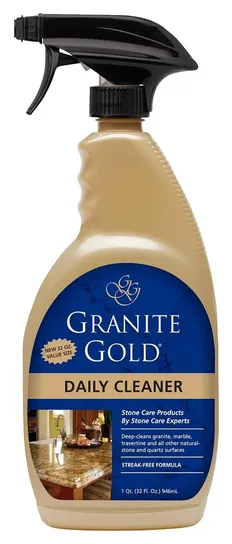
 Granite Gold Daily Cleaner
$9
-
2
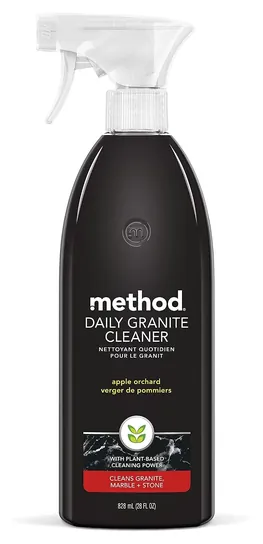
 Method Daily Granite Cleaner
$6
-
3
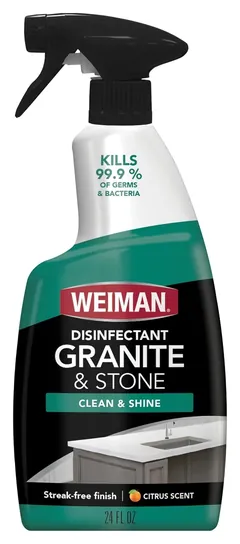
 Weiman Disinfectant Granite & Stone
$6
-
4
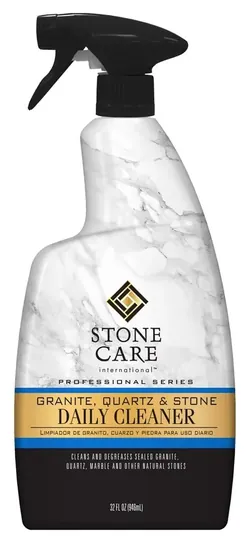
 Stone Care International Daily Cleaner
$10
-
5
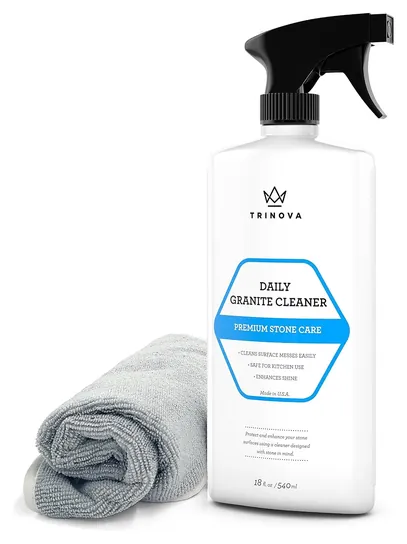
 TriNova Granite Cleaner
$17
-
6
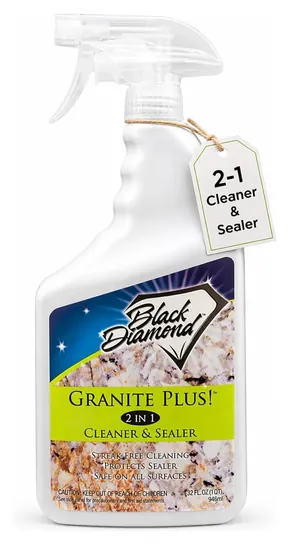
 Granite Plus 2-in-1
$19
-
7
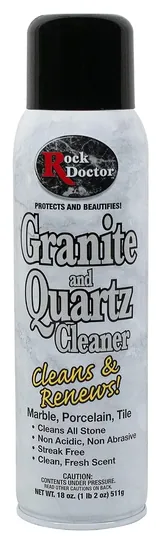
 Rock Doctor Cleaner & Renewer
$14
-
8
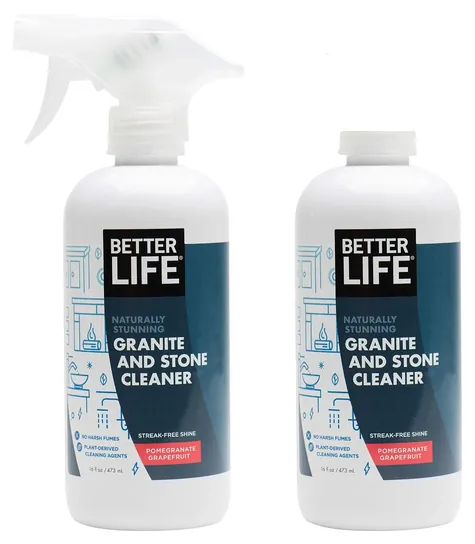
 Better Life Stone Cleaner
$19
-
9
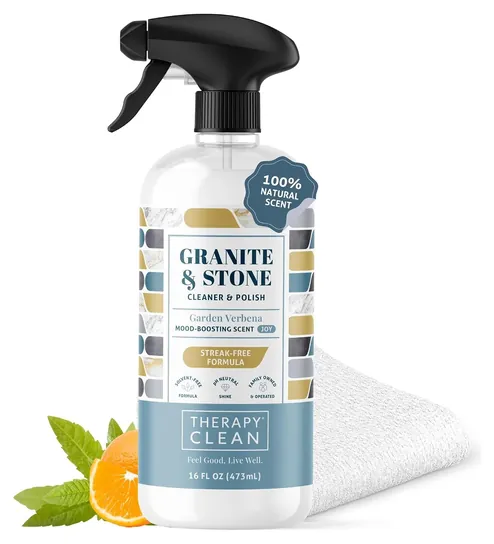
 Therapy Cleaner & Polish
$19
-
10
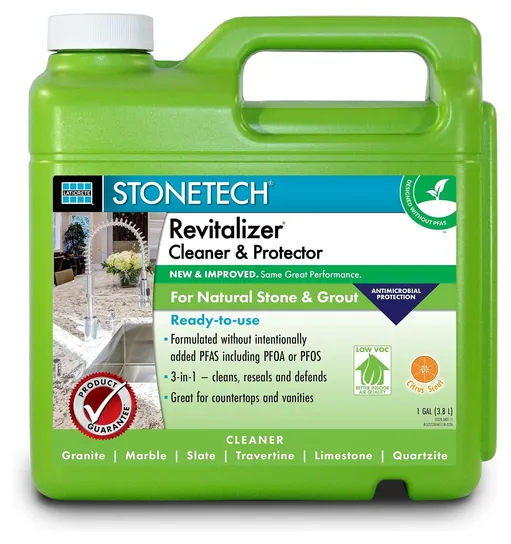
 StoneTech Revitalizer
$31
Editor's Notes
October 26, 2026, by Ezvid Wiki Admin:
Granite Gold Daily Cleaner now leads the list. Its maker states plainly that it's pH balanced and safe on food-prep surfaces, and the bottle costs little for its size. Method Daily Granite Cleaner stays for anyone who wants plant-based cleaning agents, now in a larger bottle.
Three picks are new: Weiman Disinfectant Granite & Stone for counters that need germ-killing, Stone Care International Daily Cleaner for homes with granite, quartz and laminate side by side, and Rock Doctor Cleaner & Renewer in a spray can. The Rock Doctor kit it replaces is no longer offered. We dropped Puracy All-Purpose Streak-Free because it isn't made for stone, and Weiman Brighten Wipes because of availability concerns.
The most useful finding wasn't about any one bottle. The Natural Stone Institute says mild dish soap and warm water clean granite fine, so a granite spray buys convenience and a sealer-safe formula, not a deeper clean. We checked each label's pH, rinse and food-surface claims against that guidance and the makers' own care pages.
February 26, 2021:
It is important to use either purpose-made cleaners on granite, or ones that are specifically listed as being safe for them, if you want to make sure you aren't causing any harm to their finish. All of the formulas here fall into one of those two categories.
During this update we have decided to eliminate Bio Clean: Professional. Though it shouldn't harm granite, its main purpose is to remove hard water stains, so it isn't very versatile. We believe most people would be better off with one of our other recommendations, such as Therapy Cleaner & Polish, which can remove hard water stains with a few applications. It also leaves behind a better sheen on granite. The one we have included here is a new formula that is made with lemon essential oils that give it a pleasant fragrance. Weiman Brighten Wipes are convenient to use on a regular basis, and you can easily keep them in the bathroom or anywhere else your granite is constantly exposed to hard water for quick wipes when needed to prevent it from ever building up.
While the majority of our recommendations are purpose-made formulas, Puracy All-Purpose Streak-Free is suitable for all kinds of surfaces, including wood, glass, and chrome, making it a handy cleaner to keep in any home.
If you want to add protection as you clean, you should choose a solution that also includes a sealant, like TriNova Daily, Black Diamond Stoneworks 2-in-1, and StoneTech Revitalizer. You can also go with Rock Doctor Complete Care, which is a bundle that includes a cleaner, polish, and sealant.
January 23, 2019:
Granite surfaces require non-acidic, non-abrasive solutions to clean them so as not to damage their seal, which is why many consumers notice deterioration occur when they use the wrong formula (such as window cleaner). Instead, dedicated granite or all-natural, all-purpose options that are safe for food prep areas with a balanced pH are best, which is what this list contains. After ensuring each one was safe for stone, we ranked our selections based on effectiveness, value for money, and subtle fragrances that don't linger.
Special Honors
Natural Stone Institute Accredited Companies When granite is etched, dull or stained past what a cleaner can fix, a stone restoration pro can hone, polish and reseal it. The Natural Stone Institute, the industry's trade group, keeps a directory of accredited fabricators and restoration companies, and its consumer pages cover care and stain removal for each kind of stone. naturalstoneinstitute.org
Dish Soap Or A Granite Spray?
The honest middle ground: a few drops of mild soap, rinsed off, won't hurt sealed granite, but it takes two steps.
Plain water and a little soap clean granite well. The Natural Stone Institute, the stone industry's trade group, says to use a neutral cleaner, a stone soap or a mild dishwashing liquid in warm water, then rinse and dry with a soft cloth. It also warns that too much soap leaves a film and streaks. Home guides from Bob Vila and Family Handyman give the same advice for daily wipe-downs.
Stone-care makers are stricter. Stone Care International lists dishwashing detergents among the cleaners that can dull the finish or wear the seal, and recommends a pH-neutral stone cleaner instead. The honest middle ground: a few drops of mild soap, rinsed off, won't hurt sealed granite, but it takes two steps.
That's where a granite spray earns its place. You spray, wipe and you're done, with no rinse and no film. Look for pH neutral or pH balanced on the label, a no-rinse direction, and a maker that says it's safe on food-prep surfaces if you cook on the counter. Granite Gold and Stone Care International both make that food-surface claim for their daily cleaners.
What Never To Put On Granite
Granite is mostly quartz and feldspar, so it shrugs off many kitchen spills better than marble does. The sealer and the polished face are the weak points. The Natural Stone Institute still advises against acidic cleaners on granite, because many slabs hold small amounts of acid-sensitive minerals.
Keep these off the counter: vinegar, lemon or lime juice, bleach, ammonia and glass cleaners, which can dull the finish or break down the sealer over time (Bob Vila). Scouring powders, steel wool and rough sponges can scratch the polish. Hydrogen peroxide is fine as a one-time stain treatment, not a daily cleaner.
Two hidden traps. Lemon-scented or disinfecting wipes can contain citric acid, so read the ingredients first (Bob Vila). And many rust removers, including some toilet bowl and laundry rust products, contain traces of hydrofluoric acid, which attacks granite and quartzite. Never mix ammonia and bleach either; together they release a toxic gas. Try any new cleaner on a hidden spot first.
Sealers, Polishes And Disinfectants
A cleaner doesn't seal stone. To check the sealer, drip a little water on the counter and wait about 15 minutes. If it beads, you're fine. If it soaks in and darkens the stone, it's time to reseal (Bob Vila). Some guides suggest resealing yearly (BestReviews); the water test tells you what your slab needs.
Cleaner-and-sealer sprays leave a thin protective layer each time you clean. They stretch the time between proper sealings, but they don't replace a real sealer once the water test fails.
Polishes add gloss. Granite Gold suggests its polish once a week, not daily, and polish used every day can build up into a haze. Disinfecting cleaners are a separate tool: under EPA rules, a disinfectant is a registered product that destroys bacteria and fungi on hard surfaces. It only works if the surface stays wet for the contact time on the label, so a quick spray-and-wipe cleans but doesn't disinfect.
How we researched this
We compared 17 granite and stone cleaners, read the Natural Stone Institute's care guidance, the makers' care pages and the label directions and safety claims for the 10 finalists, weighed stone-care advice from Bob Vila, Family Handyman and BestReviews, and checked every brand against the U.S. Consumer Product Safety Commission's recall database. We found no independent lab tests of granite cleaners.
Sources (11)
- Natural Stone Institute: Care and cleaning
- Natural Stone Institute: Consumers
- Granite Gold: Daily Cleaner
- Stone Care International: Granite Daily Cleaner
- Stone Care International: How to properly clean granite
- Bob Vila: How to clean granite countertops
- Bob Vila: The best granite cleaners
- Family Handyman: How to clean granite countertops
- BestReviews: Best granite cleaners
- U.S. EPA: What are antimicrobial pesticides?
- U.S. CPSC: Recalls
Frequently asked questions
Can I use dish soap on granite?
Yes, in small amounts. The Natural Stone Institute lists mild dishwashing liquid in warm water as a safe cleaner. Use only a few drops, rinse with clean water and dry with a soft cloth, because too much soap leaves a film.
Is vinegar safe for granite countertops?
No. Vinegar is an acid, and acids can dull the polish and break down the sealer over time. The same goes for lemon and lime juice.
Can I use Clorox or disinfecting wipes on granite?
Check the label first. Bleach can dull the finish, and some lemon-scented wipes contain citric acid. If you want to disinfect, use a disinfectant made for sealed stone and leave the surface wet for the label's contact time.
How often should granite be resealed?
There's no fixed schedule. Drip water on the counter and wait about 15 minutes. If it beads up, the sealer is still working. If it soaks in and darkens the stone, it's time to reseal.
Can I use a granite cleaner on quartz?
Most granite cleaners are also sold for quartz, and several on this list name it on the label. Quartz counters are engineered stone with resin, so skip harsh solvents and abrasive pads on them too.
Do cleaner-and-sealer sprays replace sealing?
No. They leave a thin protective layer that helps between sealings, but once water soaks into the stone, it needs a proper sealer.