The 6 Best Hand Vacuum Pumps
Updated by · How we research

Six squeeze-grip vacuum pumps for brake bleeding, engine checks and classrooms, compared on build, gauge and kit. The Mityvac MV8500 Silverline Elite leads. When users buy our independently chosen editorial choices, we may earn commissions to help fund the Wiki.
Most bubbles that show up while bleeding brakes with a squeeze pump aren't coming from the brakes at all: they're air sneaking in around the loosened bleeder screw threads, and a little grease stops most of it. These pistol-grip pumps also check engine vacuum and run classroom demos. This list is for home mechanics, shop techs and science teachers.


Editor's Notes
November 16, 2026, by Ezvid Wiki Editors:
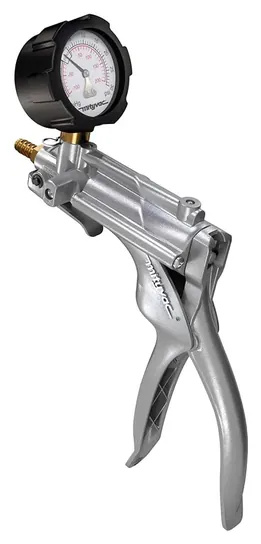
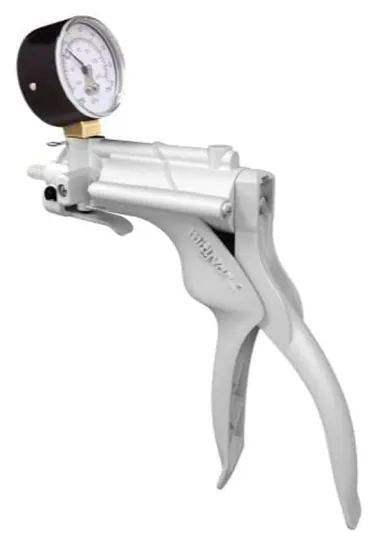
The die-cast Mityvac MV8500 Silverline Elite stays on top. It's the one pump here that can be rebuilt instead of replaced, and the only one with a trade review behind it. We built the rest of the list around what people do with these pumps: mostly bleeding brakes alone, plus engine vacuum checks and classroom demos.
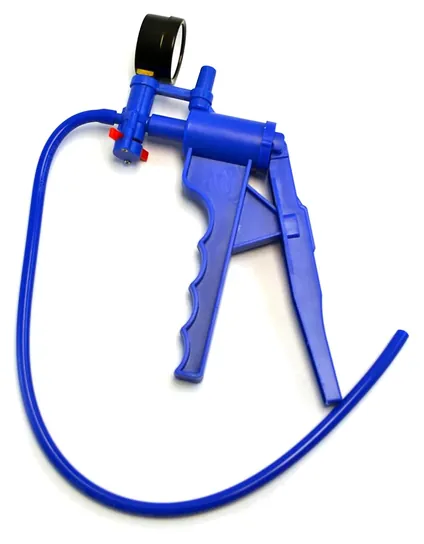
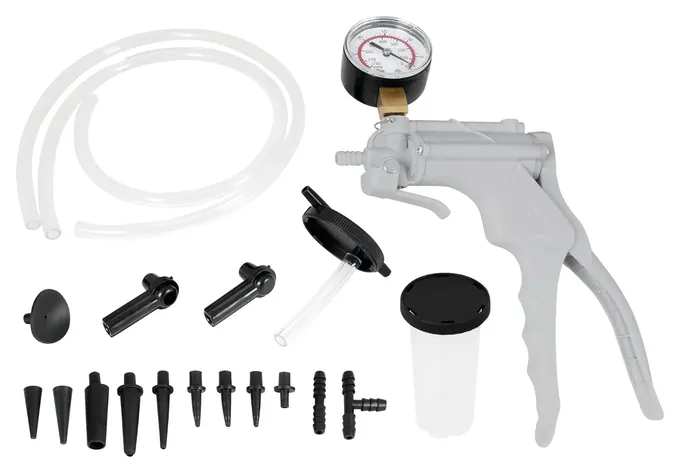
The 8MileLake Kit and the PMD Products Hand Held are no longer available, so they're gone. The GSC International 4-2061 is down to a few units with weak feedback, and the EISCO PH0167 takes its place for teachers. The Mityvac MV8255 Selectline and the Performance Tool W87030 stay. New are the Mityvac MV8000 Selectline kit and, for tighter budgets, the OMT One-Man.
Mityvac's MV8000 manual did the most work here. It explains the bubble problem that sends people back to the store and gives the vacuum readings a healthy engine should show. Breakage complaints run through this whole category, plastic pumps most of all, so every entry names its weak spot.
If you'd rather skip the bubbles altogether, a pressure bleeder is often the easier tool. Our brake bleeders list covers those.
Earlier notes
April 8, 2019, by Karen Bennett:
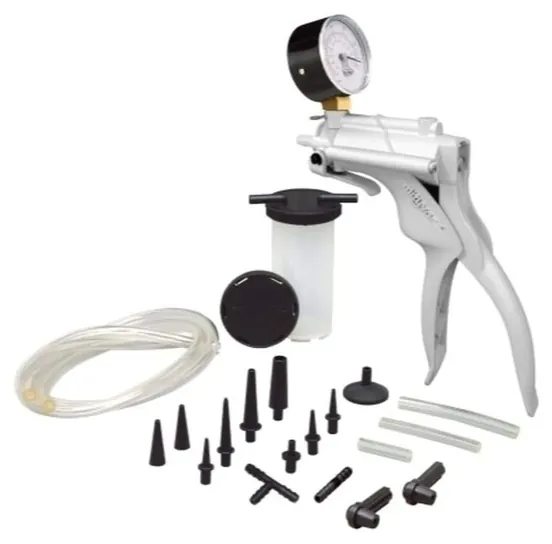
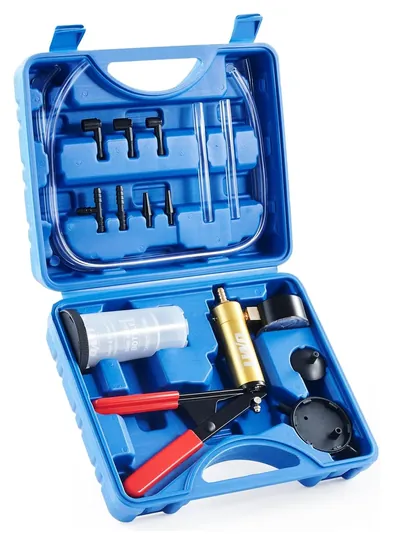
Hand-operated vacuum pumps tend to be more affordable than motorized ones, and as such, they’re often a better choice for those who intend to use the tool for lighter and less frequent jobs. You’ll often get the most bang for your buck with an all-inclusive kit, such as the Mityvac Silverline Elite, which is from a well-known, trusted brand and gets rave reviews from users. In addition to the tool itself, it comes with a reservoir, two lids, multiple adapters, and different lengths of tubing. Its die-cast metal can stand up to frequent use. Or, check out the 8Milelake kit for an inexpensive option that’s bright enough to stand out easily on your tool bench.
For a comfortable, easy-to-grip model that’s equipped with protective housing for the gauge, look to the PMD Products Hand Held – and it boasts a pretty slick design, to boot. Lastly, the GSC International selection is great for both teachers and students seeking a basic model suitable for a classroom setting. In all, each of the choices listed here will provide a reliable reading and a sturdy, ergonomic grip, to help make an easier job of bleeding brakes and performing engine diagnostics.
Bleeding Brakes Alone Without Chasing Bubbles
Wear safety glasses, since brake fluid can hurt your eyes, and wipe up drips fast because it strips paint.
A squeeze pump pulls old fluid and air out through each bleeder screw into a catch jar, so one person can do a job that usually takes two. The most common frustration is a stream of tiny bubbles that never seems to stop. Mityvac's MV8000 manual explains that this is usually air seeping in around the threads of the loosened bleeder screw, not air in the brakes. Grease or Teflon tape on the threads seals most of it. Mechanics on the Garage Journal forum describe the same leak, and some gravity-bleed first, then finish with the pump.
Keep the master cylinder topped up the whole time, because if it runs low the pump draws air into the lines and you start over. Open the bleeder only about a quarter to half a turn. Follow the wheel order in your car's service manual: Mityvac's generic steps start at the wheel closest to the master cylinder, but many cars call for the farthest wheel first. Cars with anti-lock brakes may need the system depressurized or a scan-tool procedure, and Mityvac warns never to use silicone DOT 5 fluid in them or to mix it with the usual glycol fluids.
Wear safety glasses, since brake fluid can hurt your eyes, and wipe up drips fast because it strips paint. When you're done, the pedal should feel firm. If it's still soft, bleed again before you drive. A pressure bleeder pushes fluid from the top instead and avoids the thread leak entirely; see our brake bleeders list.
Reading The Gauge For Engine And Part Tests
The dial on these pumps reads vacuum in inches of mercury, where 30 would be a perfect vacuum. According to the MV8000 manual, a hand pump tops out near 25 inches at sea level, and a healthy gasoline engine at idle pulls about 16 to 22 inches with a steady needle. A needle that flutters or sits low points to problems such as a vacuum leak, worn valves or late timing, and the manual walks through what each pattern suggests. Readings fall as you go higher, roughly an inch for every 1,000 feet, so mountain drivers should expect lower numbers.
The pump also tests parts that run on vacuum, such as a vacuum advance, an EGR valve or a brake booster. You pump it up to the part's test value and watch whether the needle holds. If it drops, the diaphragm or seal is leaking. A pump that also makes pressure, like the Mityvac MV8500 Silverline Elite, can check pressure-side parts too. A Vehicle Service Pros review found its gauge accurate and noted one technician using its low-pressure mode on GM fuel-tank sensors. The same tech once left it on pressure and blew a hose off, so check the switch before each job.
Metal Or Plastic, And Pumps For The Classroom
Body material matters more than any spec on the box. Die-cast metal pumps can be rebuilt with new seals and hold up to shop use, while molded plastic pumps are lighter and cheaper but tend to fail at the handle or the seals. For one or two brake jobs a year, plastic is fine. For weekly diagnostic work, metal pays for itself. Whatever you buy, keep fluid in the catch jar and out of the pump. Mityvac's manual also warns against running petroleum fluids or sprays through it, and says to oil it with silicone oil.
Science teachers want something different: a light pump with a hose that hooks to a filter flask or a small bell jar. EISCO's PH0167 spec page lists how much air it moves per squeeze and notes that the cylinder can be opened and oiled. Lab dealer Calpac says it isn't meant for automotive work or heavy continuous pumping, so keep brake fluid out of classroom pumps and keep a separate pump for the garage.
How we researched this
We compared 18 hand-operated pumps and kits and screened seven in depth. We read Mityvac's MV8000 owner's manual, EISCO's spec page and a lab dealer's notes, a 2014 Vehicle Service Pros review of the Silverline Elite, mechanic forum threads and patterns in owner feedback, and we checked every brand here for recalls with the U.S. Consumer Product Safety Commission. We found no independent lab tests of hand vacuum pumps.
Frequently asked questions
How much vacuum can a hand pump make?
About 25 inches of mercury at sea level for a typical plastic pump, per Mityvac's manual. Some metal pumps are rated a little higher. That is plenty for brake bleeding and engine tests.
Can I bleed brakes by myself with a hand vacuum pump?
Yes. The pump pulls fluid out at each bleeder into a catch jar. Seal the bleeder threads with grease or Teflon tape, keep the master cylinder full, and follow your car's bleeding order.
Should I use a vacuum pump or a pressure bleeder for brakes?
A vacuum pump is cheaper and doubles as a diagnostic tool. A pressure bleeder pushes fluid from the top and avoids air leaking in at the bleeder threads. See our brake bleeders list.
What should the vacuum gauge read on a healthy engine?
Mityvac's manual says a gasoline engine at idle usually pulls about 16 to 22 inches of mercury, with a steady needle. Expect lower readings at high altitude.
Can I use a classroom vacuum pump on my car?
No. Lab pumps such as the EISCO PH0167 aren't built for brake fluid or automotive work, according to the dealer. Use an automotive kit with a catch jar.