The 10 Best Headphone Extension Cords
Updated by · How we research

Three-pole, four-pole and quarter-inch extension cables compared on mic support, length and build. The KabelDirekt Pro Series leads, carrying mic and buttons. When users buy our independently chosen editorial selections, we may earn commissions to help fund the Wiki.
Count the dark rings on your headphone plug before you buy an extension. Two rings mean stereo sound only. Three rings mean the plug also carries a mic and buttons, and those work only through a four-pole cable, so the wrong one leaves music playing and the mic silent. These picks suit desk workers, gamers, TV listeners and home studios.


Editor's Notes
November 1, 2026, by Ezvid Wiki Admin:
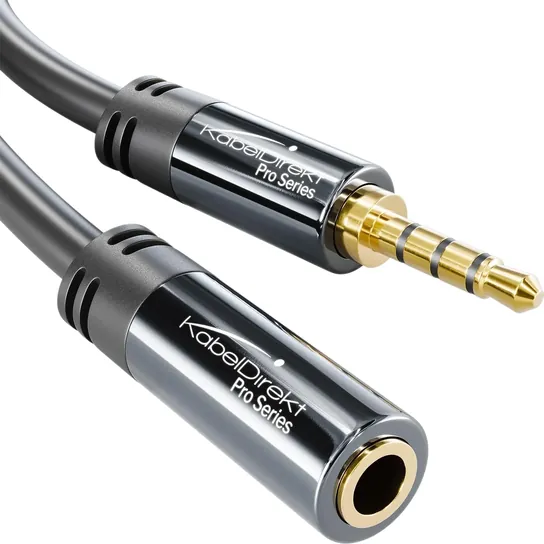
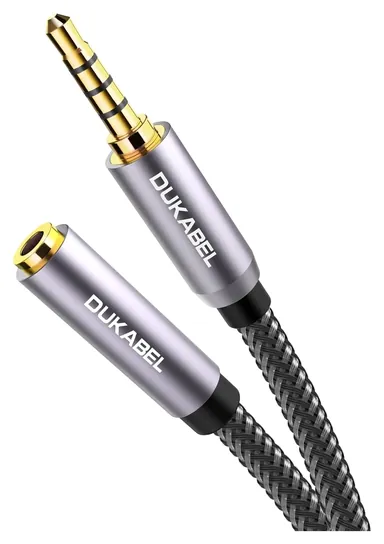
A four-pole cable leads this list now. It carries a headset's mic and buttons along with stereo sound, and plain headphones work through it too, so it's the safer buy when you aren't sure what you need. The KabelDirekt Pro Series takes that spot, with a three-year warranty from its maker. The DuKabel Top Series stays as the braided option, and the Pig Hog PHX14-25 stays for studio headphones with quarter-inch plugs.
The page now covers 3.5 mm cables with and without mic support, plus quarter-inch studio extensions. The FosPower Audio, Kinps Auxiliary, Archeer Slim, KetDirect Tangle-Free, Cmple 3.5mm and GE Universal Extension are gone: one has vanished from sale, and the rest have been passed by cables with clearer specs and warranty terms. A second DuKabel entry was the same cable line, so we merged the two.
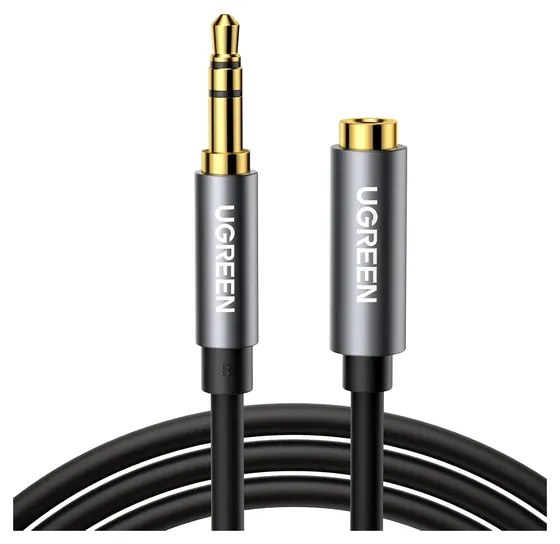
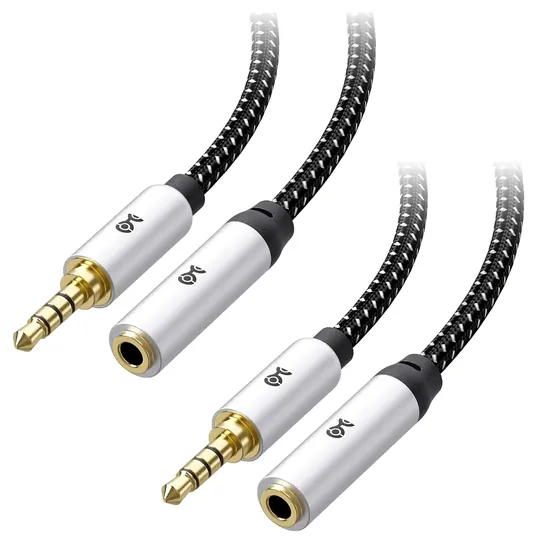
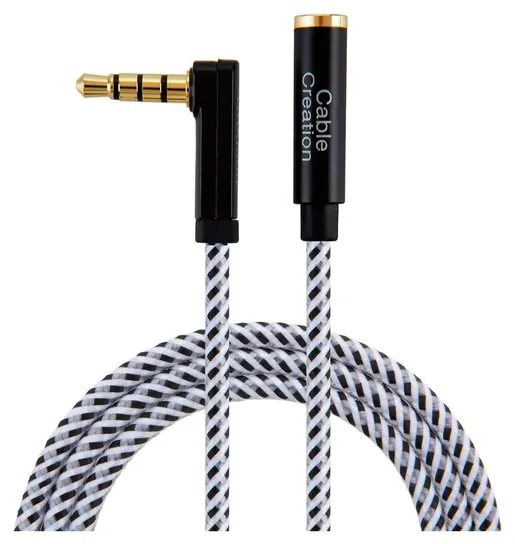
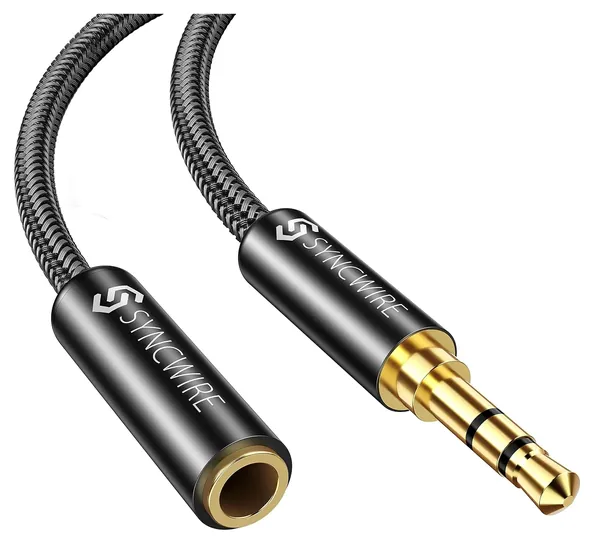
New are the UGREEN 10594 and Syncwire SW-SC620 for music, a 25-foot budget cable for long runs, two-packs from Cable Matters and MCSPER, the CableCreation CC0453 with its bent plug, and the Hosa MHE-310 for plugging everyday headphones into amps and keyboards.
Nobody has bench-tested these cables, so we ranked them on wiring type, plug design and warranty terms, and on the complaint that comes up most in this category: a mic that goes quiet through a three-pole cable.
October 01, 2020:
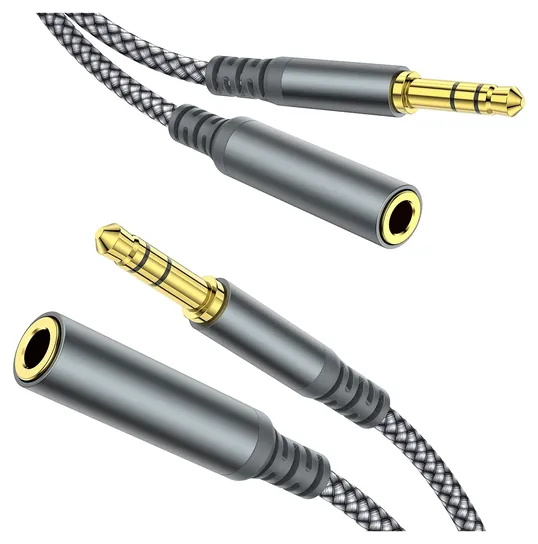
When selecting a headphone extension cable one of the most important things to determine is whether or not you need a 3- or 4-pole model. The amount of poles for a given option is most easily determined by the amount of black lines on the male side of the cord. If there are only two black rings it most likely has 3-poles, and in turn those with three rings are most often of the 4-pole variety, though if you want to be extra sure you can usually find out which kind it is on the manufacturer's product page. While 3-pole selections are perfectly adequate for transmitting stereo audio, you will probably need a 4-pole cable if your headphones feature any sort of inline microphone or volume controls.
These days many smartphones and media players are able to take advantage of such features, so 4-pole options such as the DuKabel Lossless, KabelDirekt Pro Series, Archeer Slim, and KetDirect Tangle-Free are going to be a great selection for most people, especially since they are often the same price as their audio-only counterparts. For this reason we removed a few more basic 3-pole models in favor of a couple specialized choices that users may find are actually better suited for their specific needs than a more typical option would be. For instance, the GE Universal Extension uses a coiled design to maintain tension on your cable regardless of your distance from the audio source. This helps to prevent you walking over and accidentally tangling it during an activity such as DJing, or any other situation where you may be moving back and forth between different tasks in the same space.
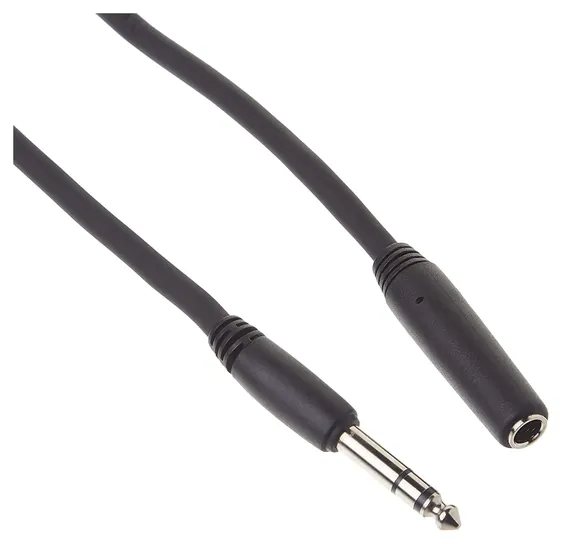
The Dukabel Top Series is another specialized cable that's great for people who frequently deal with pro-audio devices such as guitar amplifiers, mixers, keyboards, or even high-quality stereos. While modern headphones have almost ubiquitously moved on to 3.5-mm connections many of the aforementioned products still utilize 1/4-inch audio jacks, and this selection allows the two to work together without fuss. Of course the same result can be achieved with a 3.5-mm to 1/4-inch adapter, but these small pieces can be easy to lose, plus there's no point in using a high-quality headphone extension cord if you're going to pair it with a cheap adapter.
March 16, 2019:
The best type of cable for you will depend on how you plan to use it. First and foremost, be aware that many headphone extension cords have 3-pole connectors. If your headphones have a mic and remote (the buttons attached to the cord that allow you to pause, play, change the volume, etc.), you'll need a 4-pole cord in order for these functions to work. The KetDirect Tangle-Free, Archeer Slim, KabelDirekt Pro Series, and DuKabel Lossless all have 4-pole connectors, and the latter offers some of the best sound quality you can find for the price point. An easy way to tell whether a cable is 3- or 4-pole is to count the horizontal stripes on the male end — a 3-pole cable will have two stripes, while a 4-pole cable will have three. If you don't use the mic or remote functions on your headphones, the FosPower Audio and Kinps Auxiliary are 3-pole options that provide good sound with minimal signal loss or interference. For musicians, or anyone else who needs something extra durable, the PigHog Cable is a heavy-duty option that's made to take a lot of abuse while still transmitting the source audio with no distortion. But, since it's designed for professional/studio equipment, it has 1/4" connectors, so you'll need an adapter to use it with most regular headphones.
Special Honors
Pig Hog 3.5 mm Headphone Extenders Pig Hog, which makes the quarter-inch pick here, also sells 3.5 mm extenders with the same thick jacket and molded plugs, in several lengths, through its own store. They suit anyone who wants stage-grade build on a phone or laptop headphone, and most carry the brand's limited lifetime warranty. pighogcables.com
Three Poles Or Four, And Why Your Mic Went Quiet
Run a headset through a three-pole extension and the sound still plays, but the mic and buttons drop out.
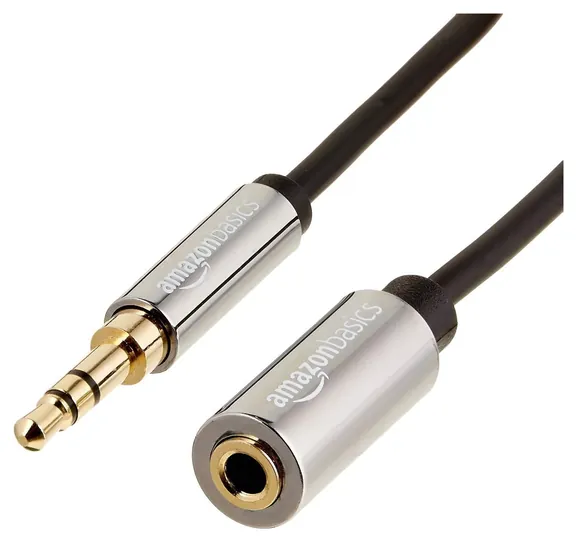
A 3.5 mm plug is split into contacts called tip, ring and sleeve. A three-pole plug, known as TRS, has two insulating bands and carries left and right audio. A four-pole plug, TRRS, adds a third band for a microphone and the inline buttons (Wikipedia: Phone connector). Run a headset through a three-pole extension and the sound still plays, but the mic and buttons drop out. Amazon Basics, UGREEN and MCSPER all warn about this on their three-pole cables.
It doesn't work against you the other way: plain stereo headphones play normally through a four-pole extension, which is why a four-pole cable is the safer default when you aren't sure. Four-pole plugs come in two wiring layouts. CTIA, with the mic on the sleeve, is the common one today; OMTP is an older layout found on some early phones. A straight extension passes along whichever layout your headset uses.
One limit catches podcasters. A four-pole extension carries the small mic built into a headset, not a studio microphone. An XLR or USB mic needs its own cable, so a headphone extension only helps with the headphones you monitor on.
Plug Size, Length And Noise
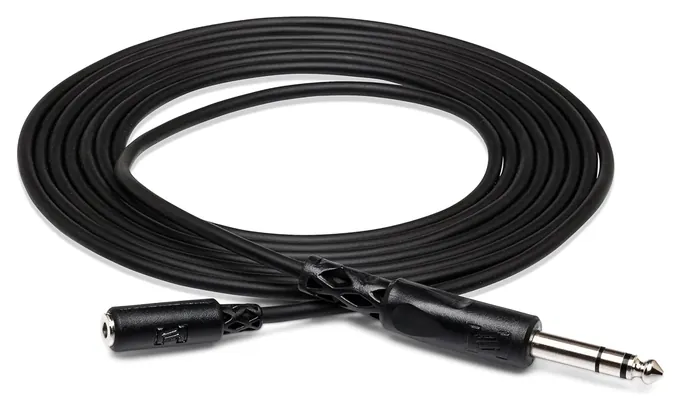
Phones, laptops, consoles and most headsets use the 3.5 mm plug, also called an eighth-inch plug. Studio headphones, amps, keyboards and audio interfaces use the quarter-inch (6.35 mm) plug. If your headphones have the small plug and your gear has the big jack, an adapter cable such as the Hosa MHE-310 extends and converts at once. Pig Hog sells its extenders in both sizes (Pig Hog).
Buy the shortest cable that reaches. Headphone signals are weak, and a long, thin run can pick up hum from nearby power cords; good shielding helps. Six to 10 feet covers a desk or a gaming chair, and runs past about 25 feet are a compromise. Joining two extensions end to end works, but every joint is another spot for a loose fit and crackle.
Skip the hi-fi talk on the box. Gold plating resists corrosion, which keeps contacts clean over the years, but no lab evidence shows a copper extension of normal length changing how music sounds. A cable that crackles usually has a worn joint or a plug that isn't fully seated.
Cases, Ports And Keeping It Safe
A thick phone case can stop a plug from seating fully, which leaves one ear silent or the sound thin. Many cables here have a stepped plug that narrows near the tip to clear the case, so look for one if you keep a bulky case on. An extension also spares a device's own jack: you plug and unplug at the cable instead, and when a connector wears out you replace a cheap cord rather than repair a port.
Right-angle plugs sit flat against a TV, controller or wall plate, but they point one way, so check which way the cord will run. A long cord on the floor is a trip hazard and can yank a laptop off a desk; run it along a wall and leave slack at both ends. Pull on the plug, never the cord.
Warranties differ more than prices do. Pig Hog covers most of its cables with a limited lifetime warranty for the original owner (Pig Hog warranty), Hosa covers cables bought in the U.S. for the original buyer's lifetime (Hosa warranty), and KabelDirekt lists a three-year warranty. We searched every brand here on the U.S. Consumer Product Safety Commission's database and found no recalls of their audio cables.
How we researched this
We compared 17 extension cables in 3.5 mm and quarter-inch sizes and screened 10 in depth. We read makers' spec pages and warranty terms, checked each cable's wiring against the published TRS and TRRS layouts, looked at patterns in owner feedback, and checked every brand for recalls with the U.S. Consumer Product Safety Commission. No independent lab has tested these cables.
Frequently asked questions
Will my headset mic work through a headphone extension cord?
Only through a four-pole (TRRS) extension. A three-pole cable passes stereo sound, but the mic and inline buttons drop out.
Does a longer extension hurt sound quality?
Not at normal lengths. Up to about 25 feet of shielded cable is fine for headphones. Very long, thin runs can pick up hum, so buy the shortest that reaches.
Do gold-plated or pricey extension cables sound better?
No lab evidence says so. Gold plating resists corrosion, which keeps contacts clean, but it doesn't change the sound of a working cable.
What extension cord is best for podcasters?
For a headset with a built-in mic, a four-pole 3.5 mm cable such as the KabelDirekt Pro Series. For studio headphones, a quarter-inch extension like the Pig Hog PHX14-25. An XLR or USB microphone needs its own cable.
Why does only one side play through my extension?
Usually a plug isn't fully seated, often because a thick phone case blocks it. Push it all the way in or use a cable with a stepped plug. If it still cuts out, a contact may be worn.