The 10 Best Keyhole Saws
Updated by · How we research

Ten jab and keyhole saws for outlet and recessed-light holes, fixed and folding, compared by teeth, grip, blade guard and warranty. The Klein 725 leads. When users buy our independently chosen editorial recommendations, we may earn commissions to help fund the Wiki.
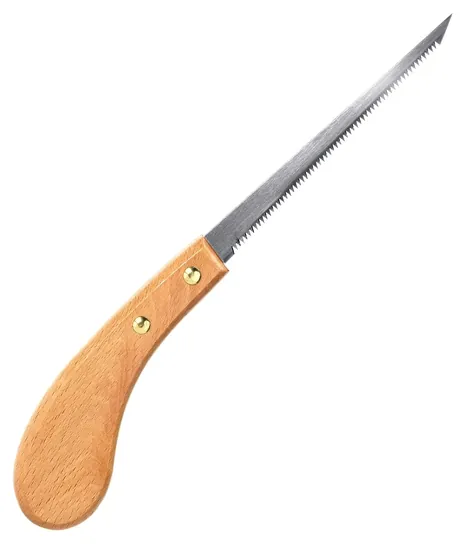
A keyhole saw, also sold as a jab or drywall saw, has a pointed blade that stabs straight through drywall or plaster, so you can open a hole for an outlet or vent without drilling first. Electricians, remodelers and homeowners patching walls use one. For a clean round hole, such as a recessed light, a hole saw works better.





Editor's Notes
November 1, 2026, by Ezvid Wiki Admin:
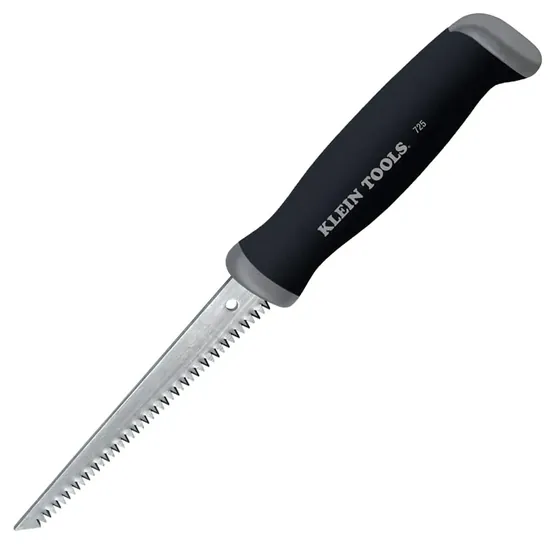
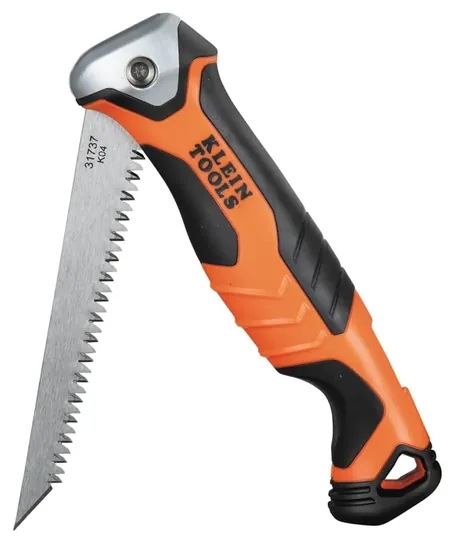
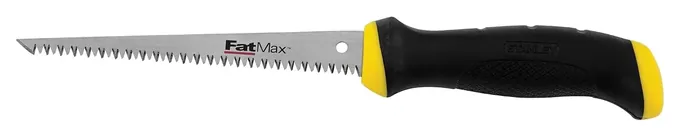
The Klein 725 now leads. It's a plain fixed saw, but its hardened point, two-way teeth and flat palming end suit outlet cutouts, and the roundups we read agreed on it more than on any other saw. The Klein 31737 and Stanley FatMax 20-556 stay from the old list.
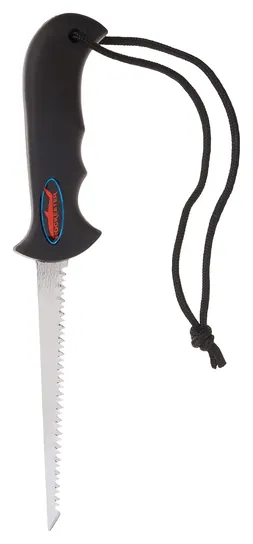
Most of the rest had gone. The Milwaukee Rasping is no longer sold, the Tajima Japanese and Level5 Pro Grade were down to a single unit, and the DeWalt Two-in-One Combo, WilFiks Razor Pro, Milwaukee Folding Multi Purpose and Lenox Tools Utility are nowhere to be found for sale. New picks cover fixed and folding saws, a sheathed saw and a fine Japanese pull saw for holes in cabinets and shelves.
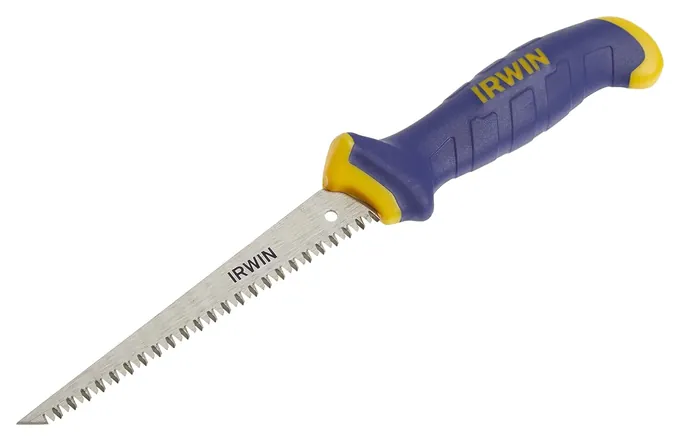
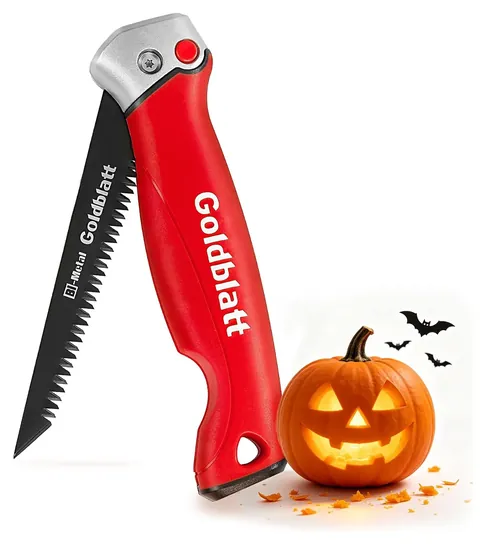
No lab has tested hand jab saws, so we leaned on roundups by reviewers at home-improvement sites, which split sharply on the Goldblatt Folding, plus Klein's and Irwin's tooth and blade specs and a recall search on each brand.
October 31, 2018:
Added several two-in-one options for casual renovators. For professionals, heavy-duty options such as the Tajima Japanese, were included.
Special Honors
Milwaukee Tool Rasping Jab Saws Milwaukee makes jab saws with a rasp on the back of the blade, so you can cut an opening and then file its edges smooth with the same tool. They sell mainly through home centers and electrical suppliers, and they were hard to find online when we checked. milwaukeetool.com
Jab, Keyhole Or Drywall Saw: Judge By The Blade
A drywall-style jab saw has a stiff, pointed blade about 6 inches long with coarse teeth, around 7 to 9 per inch.
The names overlap. Wikipedia lists jab saw, drywall saw and pad saw as other names for the keyhole saw, and stores use them loosely, so look at the blade, not the label. A drywall-style jab saw has a stiff, pointed blade about 6 inches long with coarse teeth, around 7 to 9 per inch. Klein's 725 jab saw is typical: hardened carbon steel, a beveled point for plunge cuts and triple-ground teeth that cut on both the push and the pull.
Coarse teeth are fast in drywall, plaster and thin plywood, but they leave a rough edge in wood and can chip the paper face of drywall on the way in. For a neat curved hole in a cabinet or shelf, a fine Japanese pull saw with about 14 teeth per inch cuts slower and cleaner. A compass saw is the longer, finer cousin for thicker stock. For a perfectly round hole, such as a recessed-light can or a pipe pass-through, a hole saw on a drill is the better tool; a jab saw is for the square boxes and odd shapes.
Fixed Or Folding
A fixed blade is the stiffer, simpler and cheaper choice, and stiffness matters: a blade that wobbles wanders off the line and leaves a jagged edge. The catch is the bare point. Most fixed jab saws come with no guard, so the tip can stab through a tool bag, or you, unless it has a sheath.
A folding saw tucks the blade into the handle, which makes it safe in a pouch or pocket. In exchange it's heavier and costs more, and the lock is one more part to wear. Homegrail found the folding Klein well built but heavy, and noted that its blade snaps shut quickly, so keep fingers out of the way when you release it. A flat or padded end on the handle helps either type: it lets you push with your palm to punch the point through board, a feature Bob Vila singled out on the Klein 725.
Before You Cut Into A Wall
Find out what's behind the board first. Turn off the circuit if you're near wiring, cut a small inspection hole or score the outline before going deep, and keep the blade angled and the cut shallow where pipes, ducts or cables could run. A jab saw goes through a wire as easily as through drywall.
In older homes, check the wall itself. The EPA lists patching and joint compounds among the building materials that could contain asbestos before its 1977 ban. If the house is that old, have a sample tested before you cut, and don't sweep up the dust with a household vacuum if the result is positive or unknown.
For any drywall job, wear eye protection and a dust mask, and keep your free hand behind the blade. Most jab saw blades are carbon steel, so wipe them off and store them dry, or they will rust.
How we researched this
We compared 18 keyhole, jab and drywall saws and narrowed them to 10. We read makers' spec pages and package details for teeth, blade thickness and warranty, weighed three roundups from home-improvement and woodworking sites, looked at patterns in owner feedback, and checked every brand against U.S. Consumer Product Safety Commission recall records. No hand jab saw recalls turned up. We found no lab tests of these saws.
Frequently asked questions
Can a keyhole saw cut wood?
Yes, thin plywood, paneling and soft boards, but drywall-style teeth leave a rough edge. For clean curves in cabinets or shelves, use a fine Japanese pull saw.
What's the difference between a keyhole saw and a compass saw?
They're close relatives. A compass saw usually has a longer, finer blade for thicker wood and wider curves, while a jab or keyhole saw is short and stiff for stabbing through drywall.
Should I use a keyhole saw or a hole saw for recessed lights?
A hole saw on a drill makes a cleaner round hole for a light can. A keyhole saw is better for rectangular electrical boxes, vents and odd shapes.
How do I avoid hitting wires or pipes?
Turn off nearby circuits, cut a small inspection hole first, and keep the cut shallow with the blade angled. Never plunge deep into a wall you haven't checked.
Do keyhole saw blades rust?
Most are carbon steel and can rust. Wipe off drywall dust and moisture after use and store the saw dry.