The 10 Best Loose Leaf Teas
Updated by · How we research

Ten loose teas compared by type, caffeine, organic claims and pack, from breakfast blacks to rooibos; Harney & Sons Paris leads for its smooth, sweet blend. When users buy our independently chosen editorial selections, we may earn commissions to help fund the Wiki.
Most tea bags hold fannings, the small broken bits left after the leaf is sorted, while loose tea is whole or large-cut leaf that can often be steeped two or three times. Some bags also shed plastic into hot water. These picks suit anyone ready to brew with an infuser or pot, from strong breakfast drinkers to caffeine-free evening sippers.
At a Glance
-
1
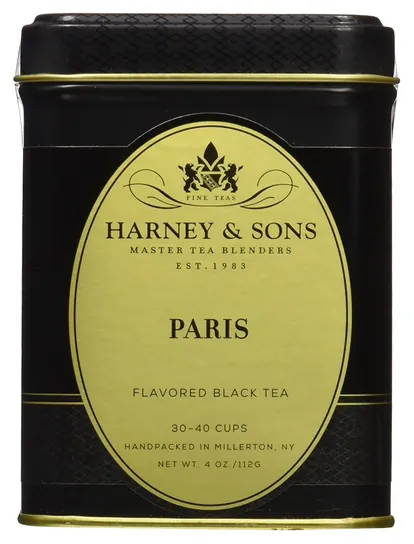
 Harney & Sons Paris
$11
-
2
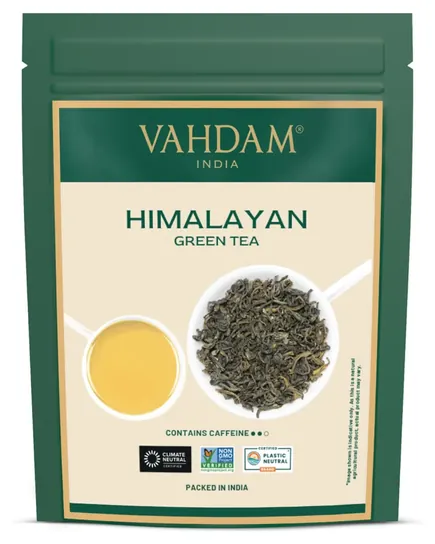
 Vahdam Himalayan Green
$14
-
3
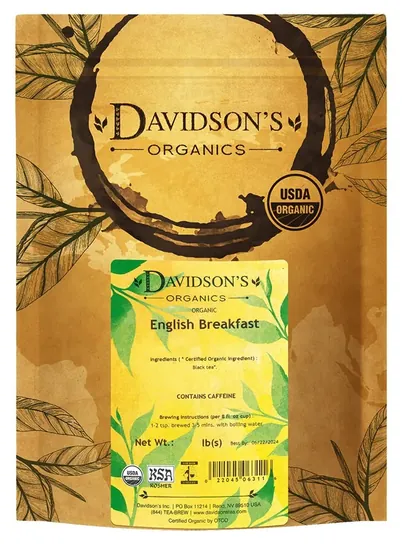
 Davidson's Organics English Breakfast
$27
-
4
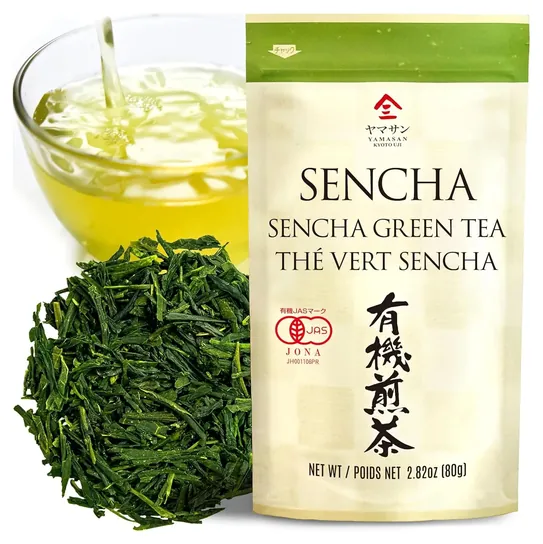
 Yamasan Kyoto Uji Sencha
$20
-
5
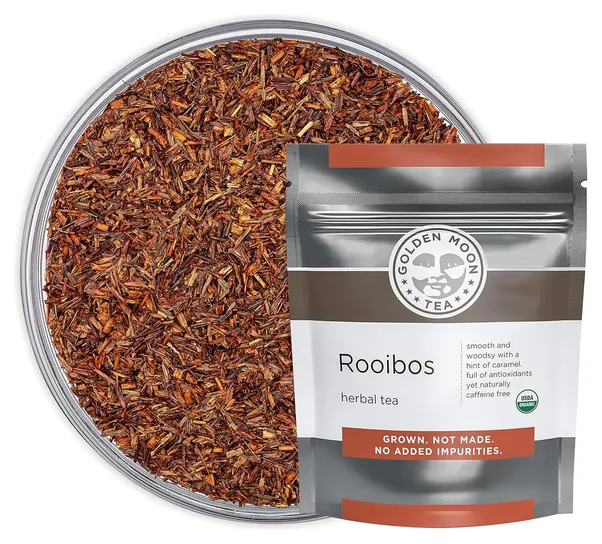
 Golden Moon Organic Rooibos
$17
-
6
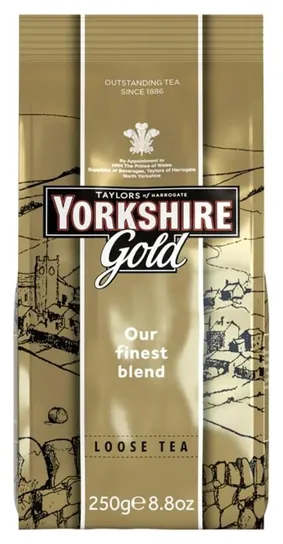
 Yorkshire Gold
$8
-
7
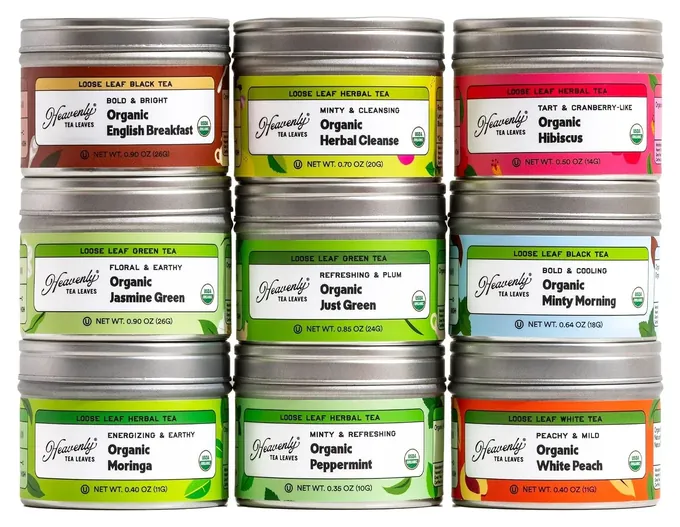
 Heavenly Tea Leaves Variety Pack
$33
-
8
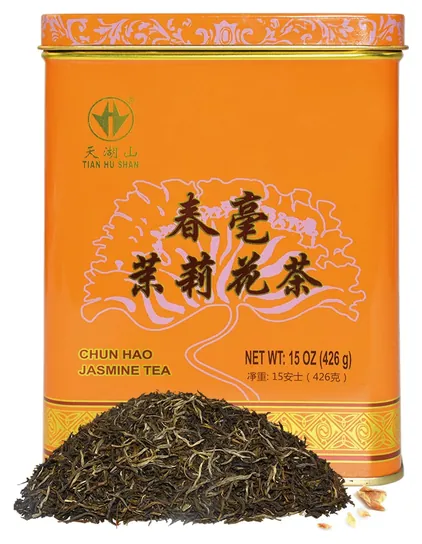
 Tian Hu Shan Jasmine
$19
-
9
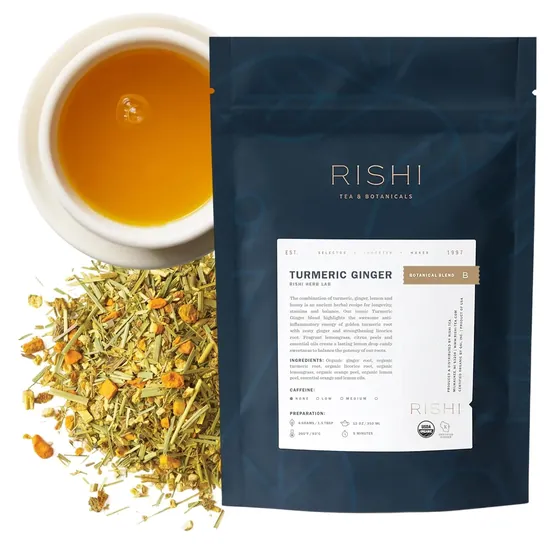
 Rishi Turmeric Ginger
$17
-
10
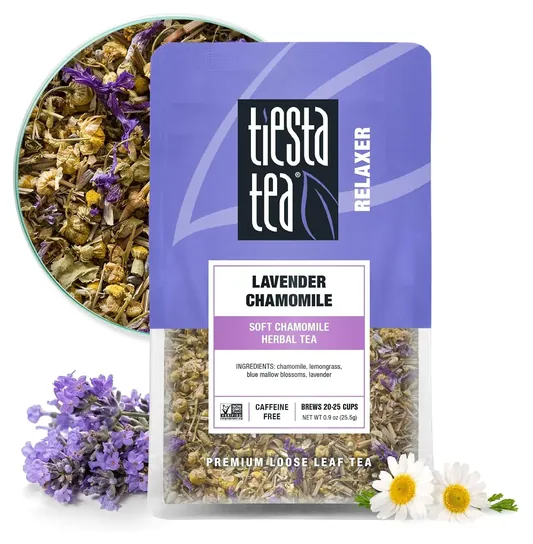
 Tiesta Lavender Chamomile
$7
Editor's Notes
November 1, 2026, by Ezvid Wiki Editors:
Harney & Sons Paris now leads the list. It's a smooth, flavored black tea in a sturdy tin, and it costs little to find out whether loose tea is for you. Four teas from the old version stay: Harney & Sons Paris (now in the smaller tin), Vahdam Himalayan Green, Golden Moon Organic Rooibos and the Heavenly Tea Leaves sampler.
Six old picks are out. Wild #6 Curr Berr is no longer sold, Tealyra's oolong is unavailable, and Barry's Gold Blend had no regular seller. Tea Drops are compressed instant tea, so they never fit a loose leaf list, and the Tiesta blend on the old list has turned into a different tea. The new teas cover what readers ask about: a pound of organic breakfast tea, a Japanese sencha, a strong milk tea, jasmine, and two caffeine-free herbals.
We weighed each maker's ingredient list, brewing directions and organic or trade certifications against general references on how tea is processed and brewed. There's no good oolong on the list right now, so the special honor points to a maker that sells several direct.
Earlier notes
February 6, 2019, by Melissa Harr:
We looked for teas that are fresh and enjoyable cup after cup, ultimately settling on Vahdam Himalayan Green, Harney & Sons Paris, and Barry's Gold Blend as top choices. Each may have its own flavor profile, but they are all high-quality and, as a bonus, not overly expensive. We also selected the Tea Drops Instant Assortment Box even though it's somewhat gimmicky; some drinkers do enjoy the convenience, and it's an interesting gift idea for the tea lover who has it all.
Special Honors
Rishi Tea & Botanicals Oolongs Rishi sells a range of single-origin oolongs direct, including Wuyi rock teas, Phoenix Dancong and Taiwanese high-mountain teas. They fill the gap on this list, since no strong oolong was in steady supply from a regular seller when we checked. rishi-tea.com
Why Loose Leaf Beats Most Tea Bags
Most paper tea bags are filled with fannings, the small pieces left after whole leaf is sorted.
Most paper tea bags are filled with fannings, the small pieces left after whole leaf is sorted. They brew fast and strong, but they give up their flavor in one go. Loose tea is usually whole or large-cut leaf, which unfolds in the water and often holds up for a second or third steep (Wikipedia: Tea bag).
There's a materials question too. A 2019 study cited on the same page found that one plastic mesh bag steeped at brewing temperature released billions of microplastic particles, and a 2021 study found plastic in 15 of 22 bags sold as cellulose. That's why makers such as Golden Moon make a point of selling no bags at all.
Loose tea needs a little gear: a mesh basket, a pot with a strainer or a simple filter. Start small. A sampler or a single tin costs little, and once you know which style you drink every day, a pound bag like Davidson's brings the cost per cup way down.
Black, Green, Herbal: Caffeine And What You're Drinking
True tea all comes from one plant, Camellia sinensis. What changes is the processing: green tea isn't oxidized, white tea is wilted and left unoxidized, oolong is partly oxidized, and black tea is fully oxidized (Wikipedia: Tea). A cup of tea has roughly 30 to 90 milligrams of caffeine depending on the type and how it's brewed, and black tea usually carries more per gram of leaf than green.
Herbal teas, or tisanes, are made from other plants: herbs, roots, flowers and fruit (Wikipedia: Herbal tea). Rooibos has no caffeine and little tannin (Wikipedia: Rooibos), and chamomile and ginger blends are caffeine free too. Watch the ingredient list on fruit blends: some are built on a green or black tea base, so they carry caffeine even when the name sounds herbal. Herbal blends with licorice root or strong herbs aren't for everyone, and anyone pregnant or on regular medication should ask a doctor before drinking them daily.
This list has no oolong, white or pu-erh pick. White tea shows up in the samplers, and specialist sellers like Rishi carry single-origin oolongs direct.
Brewing And Storing Loose Tea
Water temperature matters most. Green tea steeped too hot or too long turns bitter and dry. A common starting point is about 2 grams of leaf per 100 milliliters of water at 142 to 189 degrees Fahrenheit for 30 seconds to 3 minutes, and better green teas are often steeped two or three times (Wikipedia: Green tea). Yamasan suggests about 80 degrees Celsius (176 F) and 60 to 90 seconds for its sencha.
Black tea and most herbals take water at or near a full boil. Taylors of Harrogate suggests one rounded teaspoon per person and four to five minutes for Yorkshire Gold. Root blends like turmeric and ginger need longer: Rishi says to simmer them for about five minutes.
Keep loose tea in a tin or a sealed pouch away from light, heat, moisture and strong smells such as coffee and spices. Big bags are cheaper per cup but stay open longer, so split them into a smaller jar for daily use. "Organic" on a tea pack is a certification of how it was grown, not a lab test of the finished leaf.
How we researched this
We compared 20 loose teas across black, green, herbal, jasmine and sampler styles, read each maker's ingredient lists, brewing directions and organic or trade certifications, and checked brewing and caffeine facts against general tea references. We found no independent taste tests of these teas. Teas are food rather than consumer goods, so we checked the ingredients for cautions such as licorice root and treat organic labels as the grower's claim.
Frequently asked questions
Can you reuse loose tea leaves?
Often, yes. Whole-leaf green and oolong teas are made to be steeped two or three times, and each cup tastes a little different. Fannings from tea bags usually give up most of their flavor in the first steep.
Is loose leaf tea better than tea bags?
It's usually larger, less broken leaf, which brews a fuller cup and can be steeped again. It also avoids the plastic found in some bags. Bags are quicker and tidier, so the trade is convenience for flavor.
How much caffeine is in loose leaf tea?
Roughly 30 to 90 milligrams per cup, depending on the type, the amount of leaf and the steeping time. Black tea tends to have the most per gram. Rooibos, chamomile and ginger blends have none.
What water temperature is right for green tea?
Well below boiling, roughly 140 to 190 degrees Fahrenheit, for one to three minutes. Boiling water pulls out bitter tannins from green leaf. Black tea and most herbals can take water at a full boil.
Is herbal tea really tea?
Not strictly. True tea comes from the Camellia sinensis plant. Herbal teas, also called tisanes, are made from other plants such as rooibos, chamomile, ginger or hibiscus, and most have no caffeine.
Does organic tea mean it was tested for pesticides?
No. An organic seal certifies how the plants were grown and handled. It isn't a lab test of the finished leaf, and herbal ingredients can vary by source.