The 10 Best Mexican History Books
Updated by · How we research

Ten books on Mexico's past, from the conquest to the Revolution, compared by scope, sources and readability. Paul Gillingham's Mexico: A 500-Year History leads. When users buy our independently chosen editorial selections, we may earn commissions to help fund the Wiki.
No single book does Mexico justice from the Olmecs to today, so the most useful question is whose story you want: rulers, Aztec writers, Spanish soldiers or rebels on both sides of the border. This list pairs a few one-volume surveys with sharper studies of single eras, for curious readers, travelers and students assigned a course text.


Editor's Notes
October 23, 2026, by Ezvid Wiki Admin:
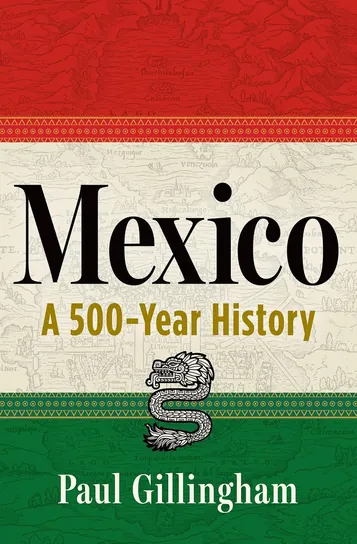
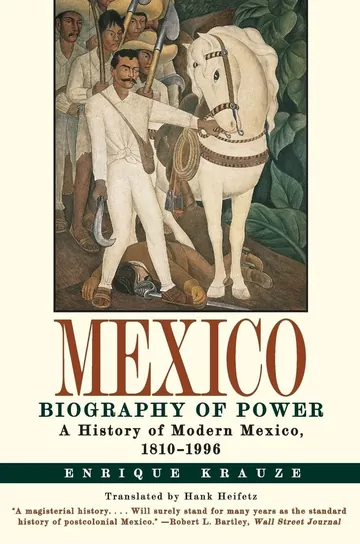
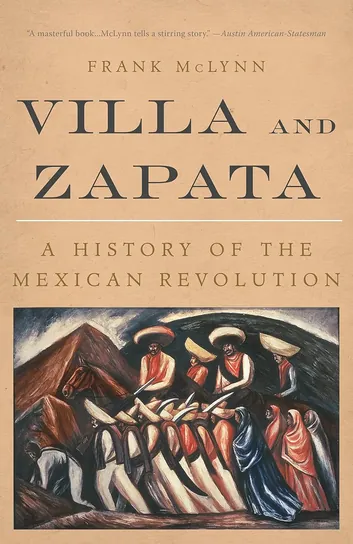
Paul Gillingham's Mexico: A 500-Year History, published in late 2025, now leads the list. It's the first one-volume history in years to win raves from major newspaper critics, and it brings the story up to migration and recent politics. Mexico: Biography of Power, Villa and Zapata, The Conquest of New Spain and The Course of Mexican History all stay.
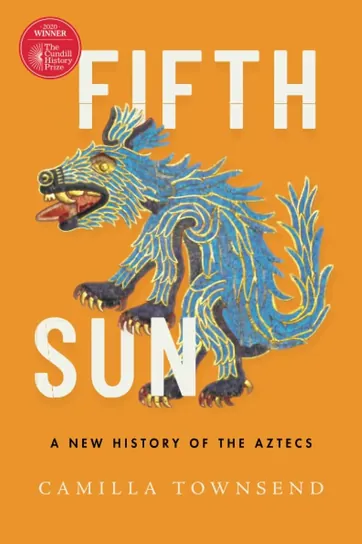
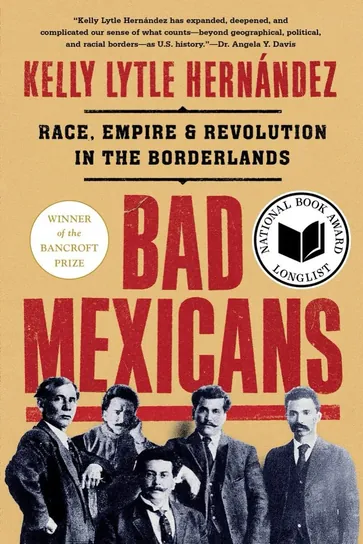
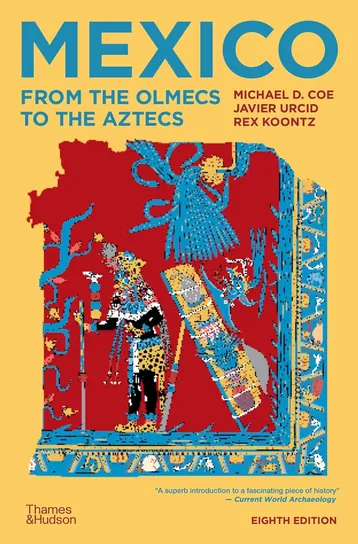
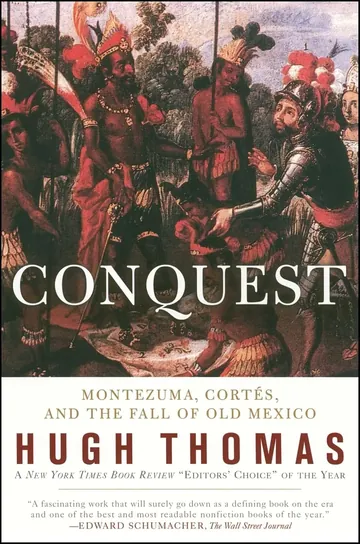
New picks fill gaps the old list left open. Fifth Sun tells the Aztec story from Nahuatl-language annals, Bad Mexicans traces the Revolution's roots in the U.S. borderlands, and Conquest, The Oxford History of Mexico and Mexico: From the Olmecs to the Aztecs round out the ancient and conquest eras. We dropped The Mexico Reader because only a single copy was left, and we cut The Irish Soldiers of Mexico, The Women's Revolution in Mexico, Mexico in World History, The Olmecs and A New Compact History of Mexico for narrow scope, thin reader feedback or e-book-only sales.
For books, the evidence is critics' reviews, prize juries and the publishers' edition records, plus the praise and complaints that recur among readers.
April 16, 2020:
To learn about Mexican history is to learn about ancient great civilizations, monumental power plays, game-changing invasions, wars, revolutions, and so much more. To get a sampling of all these, we curated a list that touched on everything from the Olmecs and Aztecs to the Mexican-American War, the Mexican Revolution, and current events. We placed sweeping histories like Mexico: Biography of Power, which looks at major political players who have shaped the country for better or for worse alongside reference texts such as The Course of Mexican History and concise ones like A New Compact History of Mexico.
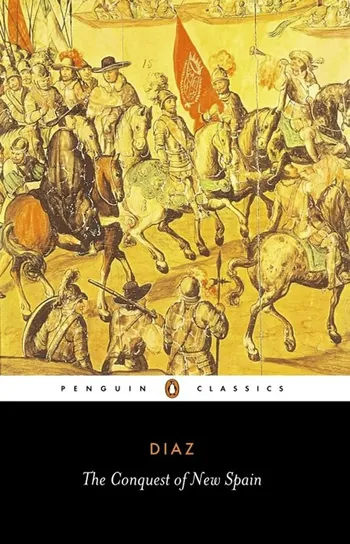
We also wanted to provide a deeper dive into moments of the country's history, which is done exquisitely in both of our update's new additions, The Conquest of New Spain and The Irish Soldiers of Mexico. The former is a transporting firsthand account of the Spanish conquest of Mexico. Because it comes from a solider in Cortes' army, readers will sadly not get the Aztec perspective, but it offers a trove of knowledge nonetheless. Another thing to note is that while the subject matter is fascinating, Bernal Diaz del Castillo was not a writer by trade, and so it lacks in style in places. The Irish Soldiers of Mexico is a bestselling retelling of a story often overlooked or completely ignored in the US. If you're wanting to dive into something that your school textbooks never covered, this is the book for you.
For lovers of war history books, there's Villa and Zapata and The Women's Revolution in Mexico. The latter takes a fresh perspective on a heavily covered period in Mexican history and provides interesting firsthand accounts and insight into daily life at the same time.
Special Honors
Museo Nacional de Antropología Mexico's National Museum of Anthropology, in Chapultepec Park in Mexico City, is the country's most visited museum and holds the Aztec calendar stone along with Olmec, Maya and Aztec sculpture. For readers of the ancient-history books here, it shows the objects those books describe. Its website lists the halls, hours and current exhibitions. mna.inah.gob.mx
El Colegio de México El Colegio de México is a leading research college in Mexico City and the publisher behind A New Compact History of Mexico and the Spanish-language Nueva historia general de México. Enrique Krauze earned his doctorate in history there. Readers who know Spanish will find much of Mexico's own scholarship in its catalog. colmex.mx
Pick A Period Or A Survey
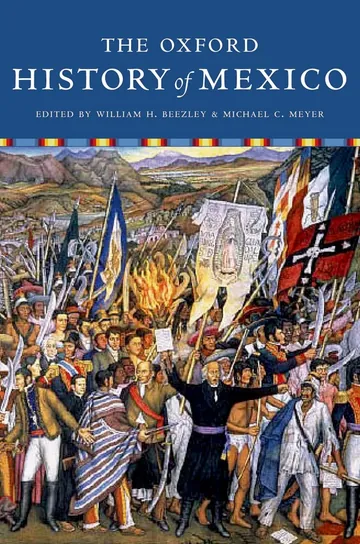
The Oxford History of Mexico takes the opposite approach, with a different specialist for each era.
Mexico's written history runs from Olmec carvings to last year's election, and few authors manage it all. A one-volume survey gives the shape of the whole. Book Marks collected six reviews of Paul Gillingham's 2025 survey and rated the reception a rave; Alvaro Enrigue, writing in The New York Times Book Review, noted that it stays close to the communities that lived under each regime rather than only the people in charge. The Oxford History of Mexico takes the opposite approach, with a different specialist for each era.
If one stretch of time interests you most, a focused book goes deeper. For ancient Mexico, Michael D. Coe's survey has been revised through eight editions since 1962 (Wikipedia: Michael D. Coe). For the conquest, there's Hugh Thomas's narrative or Bernal Díaz's memoir. For the Mexican Revolution of 1910 to 1920, Frank McLynn's dual biography of Pancho Villa and Emiliano Zapata is the most readable general account, and Enrique Krauze carries the politics through the 20th century.
Whose Voices The Book Uses
Much of what English readers learned about the conquest came from Spanish writers. Bernal Díaz del Castillo, a soldier with Cortés, finished his account around 1568, and it remains the main eyewitness record from the Spanish side (Wikipedia: Historia verdadera). Camilla Townsend's Fifth Sun turns that around: it rests on annals that Nahua authors wrote in their own language after the conquest, and it won the 2020 Cundill History Prize, which McGill University awards for history writing in English (Wikipedia: Camilla Townsend; Cundill History Prize).
The same question applies to modern Mexico. Krauze, a Mexican historian trained at El Colegio de México, writes mostly about presidents and caudillos (Wikipedia: Enrique Krauze). Kelly Lytle Hernández's Bad Mexicans looks from the other direction, at exiled rebels and the American agents who chased them; the National Book Foundation longlisted it for the National Book Award (National Book Foundation). Reading one book from each side gives a fuller picture.
Textbooks, Editions And Translations
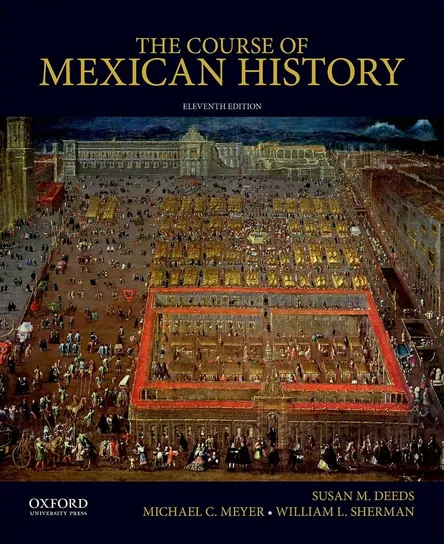
Several searches that reach this page are for The Course of Mexican History by ISBN, often with the word "rent". That's a sign of a course assignment, and editions matter: the eleventh edition from Oxford University Press (2017) has different page numbers and chapters from earlier ones (Oxford University Press). Check your syllabus for the edition before buying, since an older one costs far less but may not match the reading list.
Translation choices count too. Krauze's book appears in English in Hank Heifetz's translation, and the familiar Penguin Classics edition of Díaz, translated by J. M. Cohen in 1963, is abridged, so scholars often prefer complete translations. Coe's survey is in its eighth edition, with Javier Urcid and Rex Koontz as co-authors; buy the most recent edition, since older ones predate decades of excavation.
How we researched this
We screened about 30 titles from search results and published reading lists, compared 19 books in detail, and read critics' reviews, prize records and publishers' edition details for the 10 picks. We also weighed patterns in reader feedback and checked that each edition is in print. Updated October 23, 2026 by Ezvid Wiki Admin.
Sources (11)
- Book Marks: Mexico: A 500-Year History
- Wikipedia: Camilla Townsend
- Cundill History Prize
- National Book Foundation: Bad Mexicans
- Wikipedia: Kelly Lytle Hernández
- Wikipedia: Enrique Krauze
- Wikipedia: Historia verdadera de la conquista de la Nueva España
- Wikipedia: Michael D. Coe
- Wikipedia: Mexican Revolution
- Oxford University Press: The Course of Mexican History
- Wikipedia: National Museum of Anthropology (Mexico)
Frequently asked questions
What is the best single book on the history of Mexico?
For most readers, Paul Gillingham's Mexico: A 500-Year History (2025). It covers the conquest to the present in one volume and drew rave reviews. For a multi-author reference, The Oxford History of Mexico runs from ancient times to the late 20th century.
What are the best books on the Mexican Revolution?
Frank McLynn's Villa and Zapata is a readable narrative of the 1910-1920 fighting through its two best-known rebels. Kelly Lytle Hernández's Bad Mexicans covers the movement that organized against Porfirio Díaz from the United States. Enrique Krauze's Mexico: Biography of Power places the Revolution in a longer political story.
Who are some notable historians of Mexico?
Enrique Krauze is one of Mexico's best-known historians and editors. Camilla Townsend (Rutgers) writes on the Aztecs from Nahuatl sources, Michael D. Coe was a leading archaeologist of ancient Mexico, and Hugh Thomas wrote the standard English narrative of the conquest. El Colegio de México is the country's leading center for historical research.
Which edition of The Course of Mexican History should I buy?
Buy the edition your syllabus names. The eleventh edition (2017, ISBN 9780190659011) is the one on this list. Older editions cost less used but have different chapters and page numbers.
Is there a history of the Aztecs told from their own side?
Yes. Camilla Townsend's Fifth Sun is built on histories that Nahua writers recorded in their own language after the conquest. It won the 2020 Cundill History Prize.
Is Mexican history the same as Chicano history?
No. Chicano history covers people of Mexican descent in the United States, especially the civil rights movement. The books here are about Mexico itself, though Bad Mexicans and Gillingham's survey both cover migration and the border.