The 10 Best Mosquito Repellents
Updated by · How we research

Picaridin, DEET, lemon eucalyptus and permethrin repellents compared by label hours, feel and safety. Sawyer Picaridin Pump Spray leads for everyday use. When users buy our independently chosen editorial selections, we may earn commissions to help fund the Wiki.
Only a short list of active ingredients has solid evidence against mosquito bites, and every one of them carries an EPA registration number on the label. Bracelets, stickers and sound gadgets don't make that list. This guide is for hikers, campers, parents and anyone who sits outside at dusk and wants fewer bites without guessing what's in the bottle.


Editor's Notes
November 1, 2026, by Ezvid Wiki Editors:
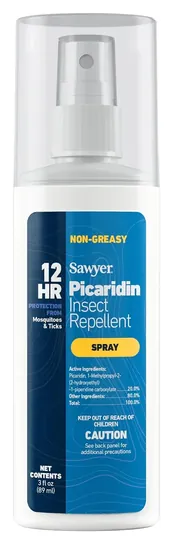
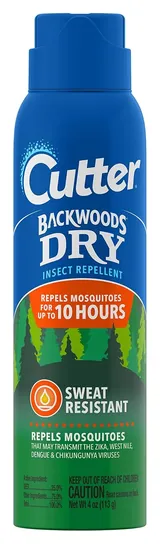
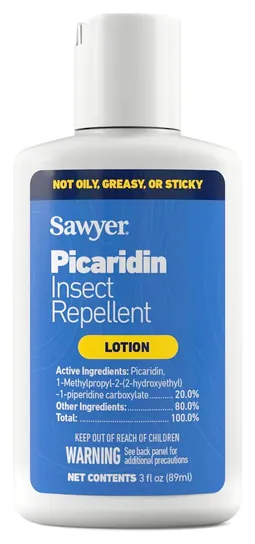
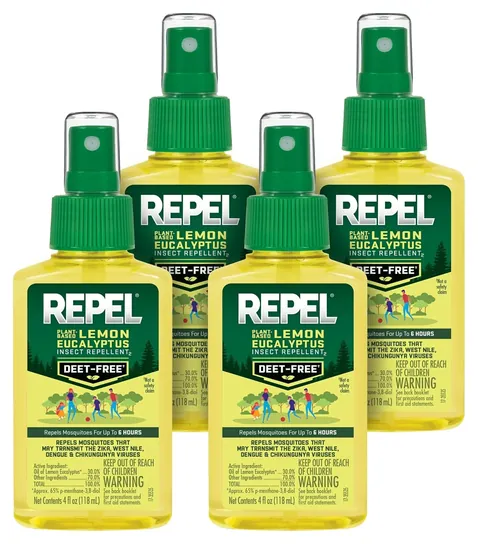
Picaridin takes the top spot. The Sawyer Picaridin Pump Spray works about as long as a mid-strength DEET spray, has no smell and won't eat through sunglasses or a fishing line, so it's the bottle we'd hand most people. Cutter Backwoods Dry stays as the DEET choice, and Repel Lemon Eucalyptus stays for readers who want a plant-derived option that's backed by health agencies.
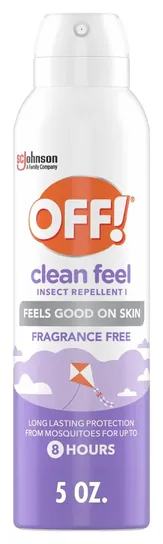
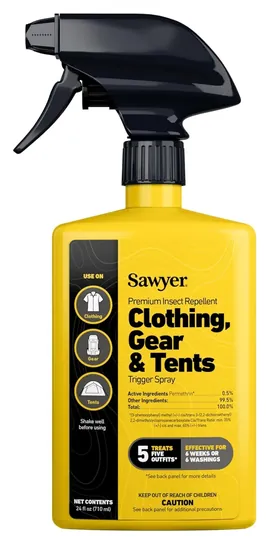
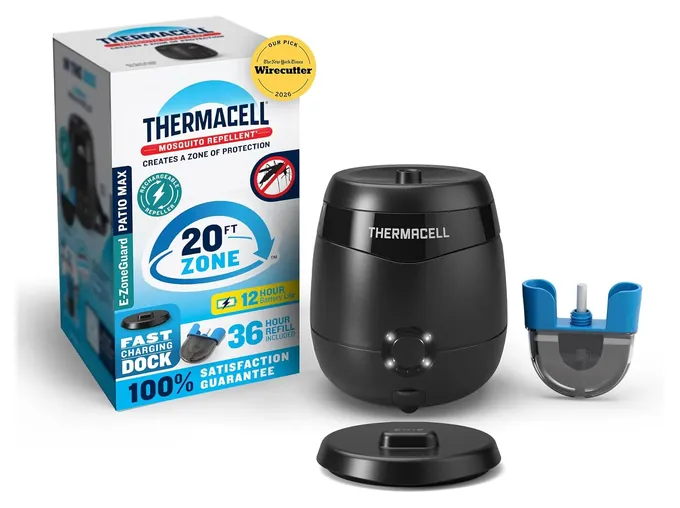
We also widened the list to the other ways to keep mosquitoes off: the Sawyer Permethrin Spray for clothes and tents, and the Thermacell E-ZoneGuard Patio Max for sitting still outside. The Off! Clip-On is dropped as its stock runs out, the Off! Deep Woods repeats what Cutter does, and Bug Mace and Bugger Off Bracelets are out because neither relies on a registered active ingredient.
Each pick was weighed on its active ingredient and strength against CDC and EPA guidance, the hours on its label, GearJunkie's field review and Wirecutter's published picks, and the complaints that recur among owners, mostly sprayers that clog or leak.
Earlier notes
April 20, 2019, by Christopher Thomas:
There's a considerable amount of scientific evidence that DEET and picaridin are effective at repelling mosquitoes, and a growing body of evidence suggests the same for PMD, which is a primary element of the oil of the lemon eucalyptus plant. Outside of those, there's been little else that shows promise, though there have been a few field studies that show some other essential oils to have a minor effect. Notably, turmeric, clove, thyme, and lemongrass have seen anecdotal use for years, and show potentially increased effectiveness when paired with vanillin. But the fact remains that no "natural" compound touted as an alternative even comes close to DEET, picaridin, or PMD. So if you're in a place where bloodborne disease is an issue, it's a good idea to stick to the big guns. And here's the real kicker: when used properly, those three repellent powerhouses are all perfectly safe, even for pregnant women. Don't drink them, of course; that would constitute improper use. But there's no evidence that proper use of any of these common chemicals is actually harmful, although the Internet would absolutely have you believe something far, far scarier.
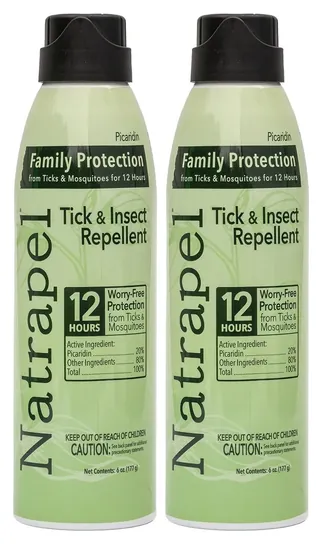
What nobody can argue about is that DEET stinks. And it usually leaves an unpleasant, slightly oily film on the skin. But mostly it smells really bad. So a lot of experts and dedicated backwoods enthusiasts now support picaridin-containing products, and of those, Sawyer Premium is one of the most popular. Natrapel is also pretty well-known, and it claims to last even longer than Sawyer. As far as Repel's plant-based formula goes, it's one of the first and most popular products to include 30% PMD as an active ingredient. As such a close relative of the oil of lemon eucalyptus (which is not actually closely related to the lemon or eucalyptus plants, go figure), it smells awfully nice. And it works pretty well, to, though it doesn't last as long as picaridin or DEET.
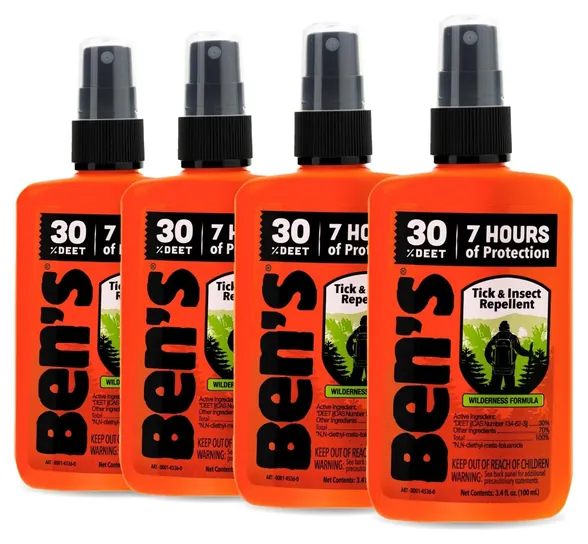
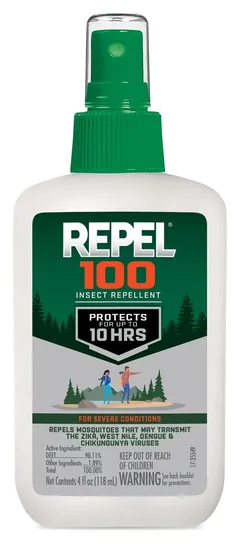
Speaking of DEET, we included 4 products that use this proven solution to insect bites. Ben's 30% offers a balance of comfort and effectiveness, as 30% is the recommended minimum for travelers to regions susceptible to malaria, Zika, or dengue. If you're flying to Panama anytime soon, it's worth a solid look. Off! Deep Woods and Cutter are both commonly seen in households, and their aerosol operation makes them a breeze to apply. Just make sure not to get the vapors in your eyes, which can be quite painful. And if you're headed to parts of South America or Africa where bloodborne disease is a major factor, Repel 100 should at least be on your radar. It apparently stinks to high heaven and isn't especially comfortable on the skin, but malaria is for life, Zika causes problems we don't even understand yet, and dengue is known as "bone-break fever" for a very good reason. If those or any other conditions are prevalent where you're going, consider this nearly pure DEET option.
Which brings us to the alternative products. Off! makes a clip-on machine that's relatively effective as long as you keep fresh cartridges in it, which can get somewhat pricey. But you can clip it to yourself and enjoy a relatively bug-free outdoor experience, as long as you're not moving around too much. If you hunt around the web, you can find evidence suggesting that some of the ingredients in Bug Mace do confer a little bit of repellent activity, especially when paired with vanillin, which they are in this blend. And we decided to include a wristband option because a lot of users claim that it's very effective, even though in scientific studies they don't usually do much outside of a range of several inches. But if you load up your wrists and ankles with them, they could very well minimize the number of mosquitoes that come near you, and you won't have to apply anything to your skin.
Finally, if you are traveling to a tropical area, consider treating your clothing with permethrin, which isn't a repellent, but an actual insecticide that kills mosquitoes, ticks, and couple other bugs with ruthless effectiveness. When used alongside a good repellent, this level of attention to your gear should keep you malaria-free for your entire trip.
Special Honors
EPA Repellent Finder The Environmental Protection Agency's free search tool lists every registered skin repellent and lets you filter by active ingredient, the pests you need to stop and how many hours of protection you want. It's a fast way to check whether a bottle you've found is registered at all. epa.gov
Start With The Active Ingredient
DEET has the longest record and works on mosquitoes and ticks, but it smells, feels oily and can damage plastics, watch crystals and synthetic fabrics.
The name on the front matters less than the active ingredient in small print on the back. The CDC recommends EPA-registered repellents containing DEET, picaridin, IR3535, oil of lemon eucalyptus (OLE), para-menthane-diol (PMD) or 2-undecanone. Products without a registration number, including most essential-oil blends, haven't shown how well they work.
DEET and picaridin are the two most people choose between. DEET has the longest record and works on mosquitoes and ticks, but it smells, feels oily and can damage plastics, watch crystals and synthetic fabrics. Picaridin at 20 percent gives similar protection with almost no odor and is safe on gear. More DEET isn't always better: WebMD notes that at least 20 percent lasts several hours and that strengths above 50 percent add nothing.
OLE is the plant-derived choice with evidence behind it. Plain eucalyptus essential oil is a different thing and isn't registered. The EPA's repellent finder lets you filter registered products by ingredient, pest and hours of protection.
Sprays, Lotions, Treated Clothes And Patio Devices
Aerosols coat arms and legs fast but drift, so you breathe some in and waste some. Pump sprays put down a lighter, more controlled coat. Lotions are best for the face and for children, because you put the dose exactly where you want it. GearJunkie found a picaridin lotion the most comfortable choice on long, sweaty hikes, while a DEET aerosol worked well but faded with sweat.
Permethrin is a different tool. It goes on clothes, shoes and tents, never on skin, and kills ticks and mosquitoes that land on the fabric. The EPA notes that treated clothing loses a little permethrin in each wash and should be laundered separately. Pair treated clothes with a skin repellent on exposed skin.
Heated area repellers such as Thermacell create a still-air zone around a table or campsite. GearJunkie saw noticeably fewer mosquitoes, about on par with citronella candles, and the devices are no help while you're walking. Wristbands, stickers and ultrasonic plug-ins don't protect you in any useful way, according to WebMD.
Using Repellent Safely
Read the label: for a registered pesticide, it carries the force of law. The EPA says to apply repellent only to exposed skin or clothing, never under clothes, and never over cuts or irritated skin. For the face, spray into your hands and rub it on, keeping it away from eyes and mouth. Wash treated skin with soap and water when you come indoors.
With children, an adult should do the applying, and repellent shouldn't go on a child's hands, since they end up in eyes and mouths. The CDC advises against OLE and PMD for children under 3. Registered repellents are safe for pregnant and breastfeeding women when used as directed.
If you also need sunscreen, the CDC says to put it on first and repellent second, then reapply each as its own label says.
How we researched this
We compared more than 20 mosquito repellents and devices, read the label and maker claims for the 10 finalists, weighed them against CDC and EPA guidance on active ingredients, children and pregnancy, read GearJunkie's field review and Wirecutter's published picks, analyzed owner feedback for recurring problems, and checked every brand for recalls with the U.S. Consumer Product Safety Commission.
Sources (8)
- CDC: Preventing mosquito bites
- EPA: Using insect repellents safely and effectively
- EPA: Find the repellent that is right for you
- EPA: Repellent-treated clothing
- WebMD: Mosquito repellents slideshow
- GearJunkie: Best mosquito repellents for hiking and camping
- Wirecutter: The best bug repellents (reprinted by Sawyer)
- CPSC SaferProducts
Frequently asked questions
Is picaridin as good as DEET?
At 20 percent, picaridin protects against mosquitoes and ticks for a similar number of hours as mid-strength DEET, and both are on the CDC's recommended list. Picaridin has little odor and won't damage plastics or synthetic fabrics, which is why many people now prefer it.
Does a higher DEET percentage work better?
Higher strength mainly lasts longer, and only up to a point. About 20 to 30 percent covers most outings. WebMD notes that strengths above 50 percent don't add protection.
Do mosquito repellent bracelets and stickers work?
No. A wristband protects only the skin right around it, and ultrasonic devices don't deter mosquitoes. Stick with an EPA-registered repellent on skin or permethrin on clothing.
Which mosquito repellents are safe for kids?
Registered repellents with DEET or picaridin can be used on children when an adult applies them and keeps them off the hands, eyes and mouth. The CDC advises against oil of lemon eucalyptus and PMD for children under 3.
Does Thermacell really work?
It reduces mosquitoes in a still-air zone around a table or campsite rather than stopping every bite. It works only outdoors, weakens in wind and does nothing while you're walking, so hikers still need a skin repellent.