The 9 Best Rat Traps
Updated by · How we research

Snap, electric, covered and live rat traps compared on killing power, safety around pets and cleanup. The Tomcat Rat Snap Trap leads for price and reliability. When users buy our independently chosen editorial picks, we may earn commissions to help fund the Wiki.
Rats are wary of anything new, so a trap set on the first night often sits untouched for days. University of California pest experts suggest leaving traps baited but unset until the bait has been taken a few times, then arming them in pairs along walls. This page is for anyone dealing with rats in a house, garage or attic.



Editor's Notes
October 23, 2026, by Ezvid Wiki Admin:
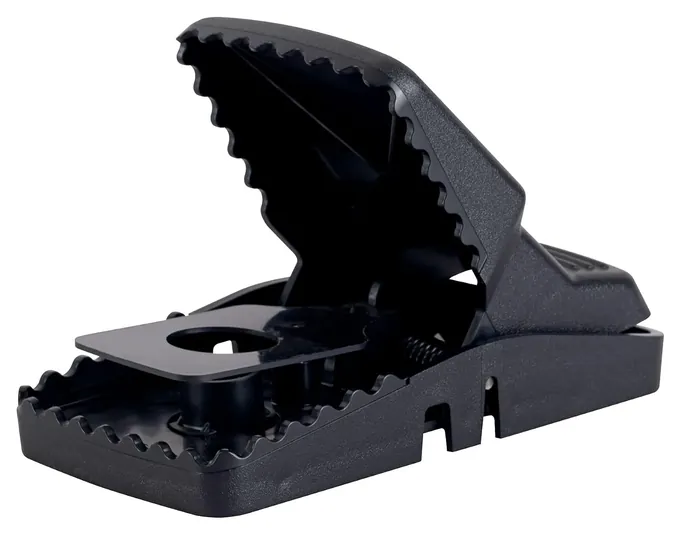
The Tomcat Rat Snap Trap moves to the top. It's cheap, it holds a full-size rat, and it sets with a foot, which matters with a spring this stiff.
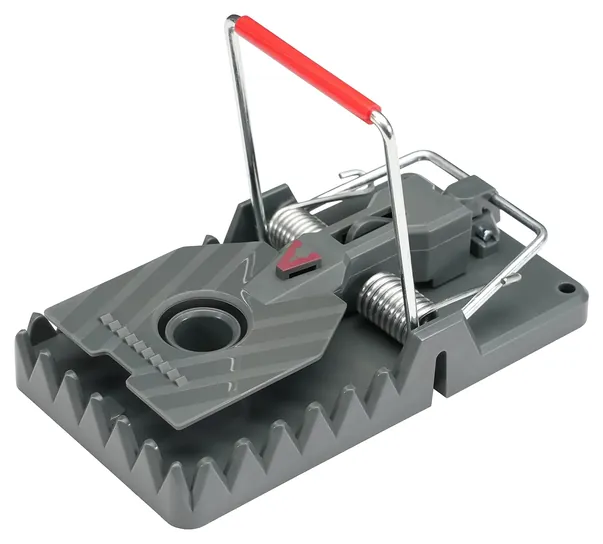
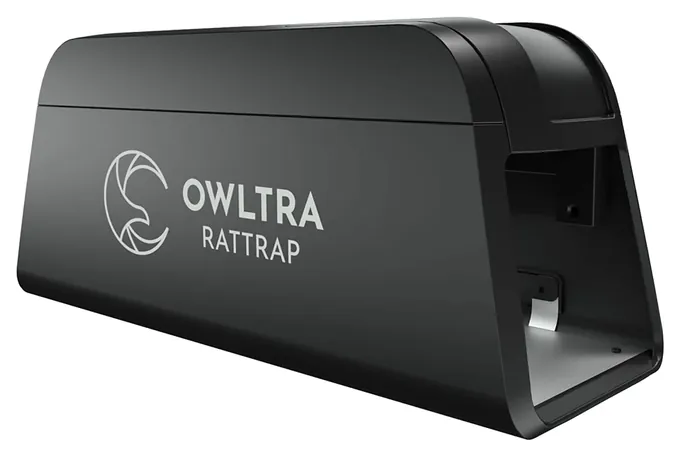
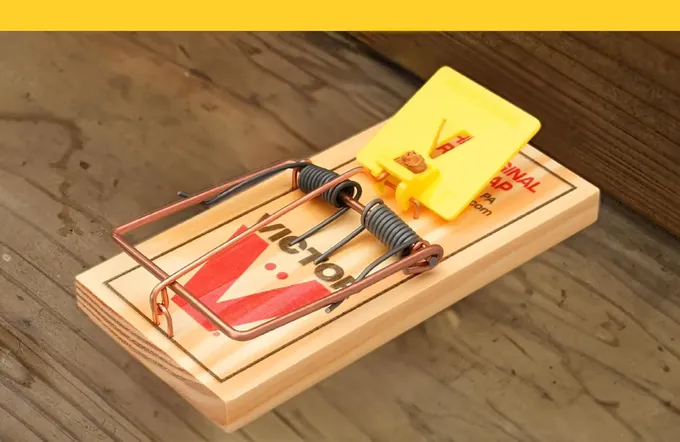
Seven of the eight earlier picks are out. The Authenzo SX-5006 and Nexxen Made2Catch are gone from sale, and the Havahart 0745 had no current offer. The CaptSure Humane, Kensizer Live Cage and Odesos Roller are built for mice, and a grown rat is too big for them. The Victor Original gives way to the Victor Wide Pedal, its bigger-trigger sibling. The additions answer the questions people search for: electric traps, a covered trap for homes with pets and a cage that catches many rats at once.
Glue traps are left out on purpose. They are cruel, they often fail on rats, and a growing list of countries bans them. Our evidence was the University of California's rat pest notes, a roundup that quotes two exterminators, the makers' instructions, and a federal recall search for every brand. No lab has tested rat traps head to head.
May 07, 2021:
Over the years, we've had the opportunity to test out just about every imaginable style of rat trap in a variety of real-life conditions, including the subtropics of Hawaii, forests of Colorado, and deserts of California. While we don't have a ton of sympathy for disease-carrying, property-damaging rodents, it is worth noting that both glue traps and electric traps are incredibly inhumane and immensely unpleasant to work with. Neither style regularly kills mice or rats, electric models pretty much just don't work, and glue pads leave pests to die slowly of dehydration, usually making quite a bit of awful noise at the same time. So, we have removed our recommendations for either variety.
Otherwise, our selections remain largely the same. The Authenzo SX-5006 uses the same concept as the traditional Victor Original and slightly stronger Tomcat Snap, but the Authenzo also has a slightly superior design that's more likely to kill immediately. If you want something a little more humane, the Kensizer Live Cage and Havahart 0745 are both traditional cages, while the CaptSure Humane is designed specifically for small to mid-size rats. Alternatively, the Odesos Roller can be used as a lethal or non-lethal option; to end the rodents' reign of terror without having to release or kill anything yourself, simply fill the bucket about 1/3 of the way with water and leave it out overnight.
February 27, 2020:
When it's time to get in touch with your inner hunter, there are plenty of ways to do so with relative ease. The Victor Original is a time-tested option that's undergone few changes in past decades, although it has a tendency to jump around when triggered due to its lightweight wooden base. I've used the Tomcat Snap alongside it and gotten slightly better results without having to worry about hurting my fingers thanks to the Tomcat's easy resetting process. The Authenzo SX-5006 can be even more effective due its stronger spring, while the Nexxen Made2Catch offers adjustable sensitivity -- it's the only one we found with this feature -- and relatively sharp teeth that will almost assuredly finish off any small rodent invaders. Generally speaking, snap traps like these work very well, and for the most part they kill rats very quickly. If you have a lot of rats, or especially large ones, there may be instances where you need to provide the final killing blow. It sounds a bit gruesome, but tossing them in a bucket of water is probably the cleanest and simplest way to do so.
We also highlighted a couple alternative (and also, ultimately deadly) choices, although some people don't find them quite as humane. The Pestrax Zapper is an electric rat trap that uses a solid 7,000 volts to send them to the afterlife, though according to reports it's not always the most consistent. Then there's the Kingman Glue Board; as long as you're okay with offing the poor little buggers yourself, it's a non-toxic and effective solution. You see, while it doesn't kill the rats, it also dooms them, because it doesn't really let you release them.
So if you want to relocate your unwanted visitors without harming them at all, you'll need a more traditional trap. The Havahart 0745 is highly popular and made with thick stainless steel sides and wire, while the Trap Top Cage is a bit lighter and also slightly bigger. The only drawback to these is that if your infestation tends to stick to small spaces like cabinets and ceilings, they'll be tough to fit in the right spot. In that case, use the CaptSure Humane, which, unlike others like it, has plenty of holes to keep the furry fiends from suffocating.
And if you want something that can capture multiple rats in one night without having to be reset, the somewhat unconventional Pawmate Roller is worth a look. You'll have to provide your own bucket and, ideally, some ramps for the rodents to walk up, but if you've got a whole family of rats to get rid of and you don't want to hurt them, it's a worthwhile choice. You may very well end up with an entire bucket full of rats waiting for you in the garage when you wake up, which can be a bit harrowing, but is also well worth it.
Special Honors
Havahart Live Traps Havahart, a Woodstream brand like Victor, makes galvanized steel live traps in sizes from mice up to raccoons, including rat-size cages. The company sells them through its own store, and its advice pages urge checking local laws before you trap or release an animal. It's a good place to look for a rat-size cage if you want to catch and release, since the right length matters for a clean catch. havahart.com
Snap, Electric Or Live: Decide What Happens Next
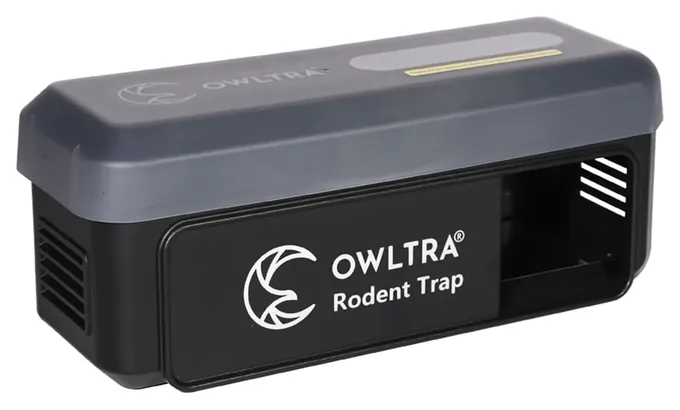
Electric traps kill with a shock inside a closed box, and you tip the body out without touching it.
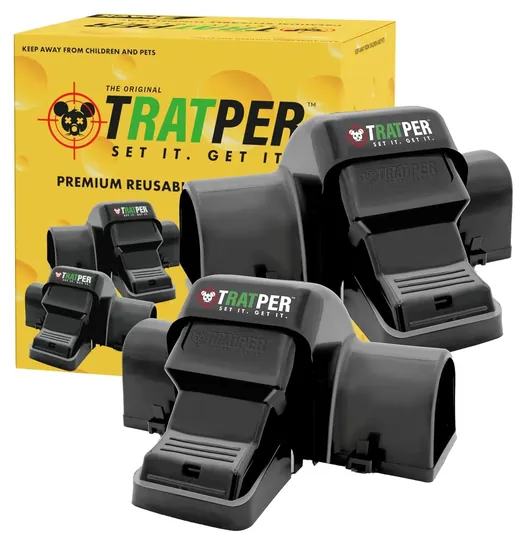
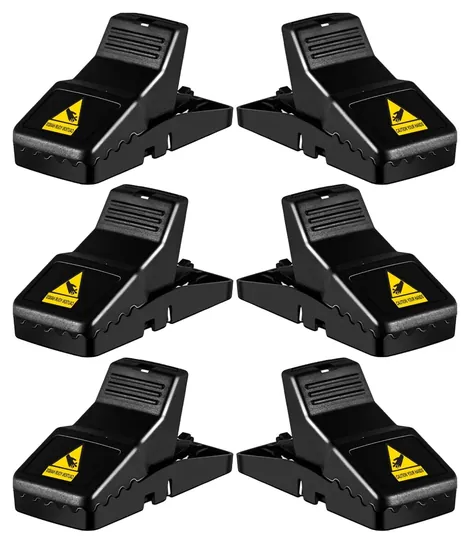
Snap traps are the standard answer. The University of California's rat pest notes say rat-sized snap traps come in many styles and can be used over and over, which makes trapping cheaper than poison bait, though it takes more work. Plastic jaw traps set with a hand or a foot. Wooden and metal-bar traps hit hard but can break a finger, a point the exterminators quoted by Bob Vila make about pedal traps. Covered tunnel traps hide the jaws from children and pets.
Electric traps kill with a shock inside a closed box, and you tip the body out without touching it. They need fresh batteries and most are for indoor use only. Trutech, a wildlife-control company, sees them as fine for a few rats indoors but not for a large infestation.
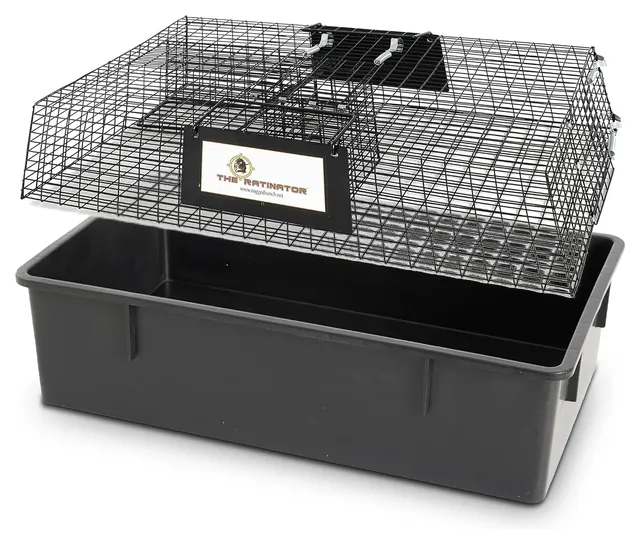
Live cages catch without killing, but someone has to check them daily and deal with a live rat. Havahart advises asking local authorities about the rules on trapping and releasing before you start, and says a live trap must be long enough for the whole animal, tail included. Glue boards are the option to skip. PETA lists England, Ireland, New Zealand and several other places that ban them, and the UC notes warn they can catch cats and dogs if left in the open.
Bait, Placement And Patience
Rats avoid new objects, often for several days and sometimes for weeks, according to the UC pest notes. Their fix is to bait the traps and leave them unset until the bait has been taken several times, then set them. Peanut butter, nuts and dried fruit work well, and a soft bait pressed into the trigger is harder to steal than a loose chunk.
Where the trap goes matters as much as the trap. Norway rats, the larger brown rats that live low in buildings, travel along walls, behind boxes and in dark corners, so set traps where you find droppings. Roof rats climb, so the same notes say to set traps off the ground on ledges, shelves, pipes, fences and beams. Traps set parallel to a wall should go in pairs, facing opposite ways, to catch rats from either direction.
Use enough traps to finish the job quickly. One trap for a house with an active problem rarely does it, and the exterminators in Bob Vila's guide suggest several traps spread through the area. Check them every day. If small droppings keep turning up, you may have mice or young rats, and those often won't trip a rat trap.
Seal Up And Clean Up Safely
Trapping alone won't hold if rats can still get in. The UC pest notes say to seal cracks and openings wider than a quarter inch with steel wool, wire screen or sheet metal. Rats chew through plastic, wood and rubber, so Trutech recommends metal or concrete for larger gaps and steel wool packed with caulk for small ones. Keep trapping for about a week after the last catch.
Rats can carry diseases, including hantavirus, so cleanup needs care. The CDC's hantavirus guidance warns that the virus can get into the air when fresh droppings or nests are disturbed. Air out the room first, wear rubber or nitrile gloves, and don't sweep or vacuum droppings. Wet them and any dead rat with a disinfectant or a mix of one part bleach to ten parts water, wipe up, double-bag the waste and wash your hands. Reusable traps can be cleaned the same way.
A large infestation, rats in walls, or rats around a business is a job for a licensed pest control company. Poison bait is risky around pets and wildlife, and poisoned rats can die inside walls where you can't reach them.
How we researched this
We compared 19 rat traps, read the makers' instructions and spec sheets, the University of California's rat pest notes, CDC cleanup guidance and a roundup that quotes two exterminators, looked at owner feedback patterns, and checked every brand for recalls with the U.S. Consumer Product Safety Commission. No lab has tested rat traps head to head.
Frequently asked questions
Do mouse traps work on rats?
No. A mouse trap is too small and too weak to hold an adult rat. Use traps made for rats, and mouse traps for mice.
What is the best bait for a rat trap?
Peanut butter, nuts, dried fruit and dry pet food all work. Press a small amount into the trigger so the rat has to work at it, and leave the trap unset for a few nights first.
Where should I put rat traps?
Along walls, behind objects, in dark corners and near droppings. For roof rats, put traps up high on ledges, shelves, pipes or beams. Set pairs facing opposite ways.
Are electric rat traps worth it?
For a few rats indoors, yes, if you never want to touch a catch. They need fresh batteries, and most aren't made for outdoor use or big infestations.
Are glue traps humane or legal?
Animal welfare groups and pest companies call glue traps the least humane choice, and they often fail on rats. Several countries and some U.S. cities ban them.
Can I release a rat I caught alive?
Check your local rules first. Many places restrict moving or releasing wild rats, and the trapper is responsible for doing it legally.