The 10 Best Music Theory Textbooks
Updated by · How we research

Ten music theory books compared, from beginner self-study guides to college harmony, jazz and modern texts. Music Theory for Dummies is the best first book. When users buy our independently chosen editorial selections, we may earn commissions to help fund the Wiki.
Nearly every beginner theory book covers the same ground, from the staff and rhythm up to scales and simple chords, so a table of contents tells you little. How a book teaches matters more, because theory sticks only when you write it out and hear it. These picks run from first books for self-taught players to the harmony, jazz and composition texts that come next.
At a Glance
-
1
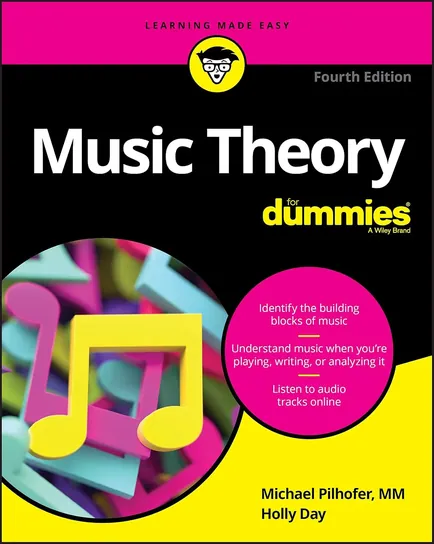
 Music Theory for Dummies
$12
-
2
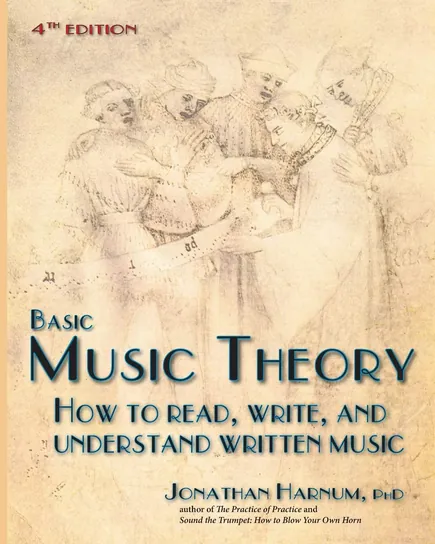
 Basic Music Theory
$24
-
3
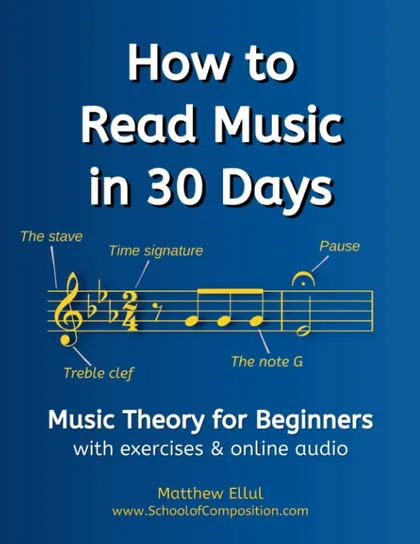
 How to Read Music in 30 Days
$19
-
4
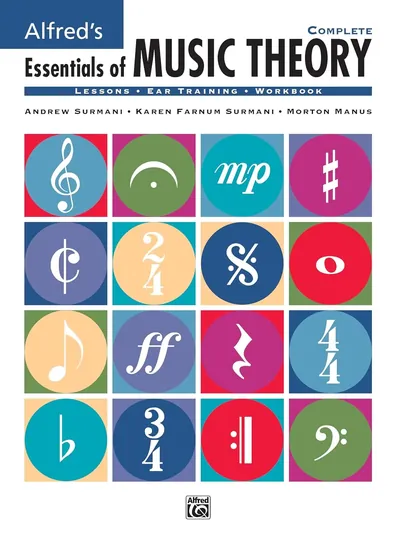
 Alfred's Essentials of Music Theory
$14
-
5
 Music Theory Note by Note
$20
-
6
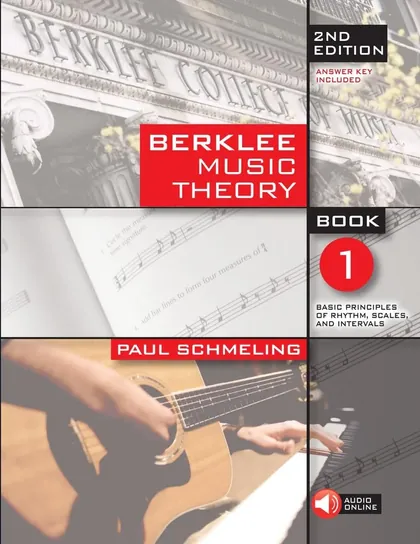
 Berklee Music Theory Book 1
$24
-
7
 Hal Leonard Pocket Music Theory
$10
-
8
 Tonal Harmony
$86
-
9
 The Jazz Theory Book
$49
-
10
 Twentieth-Century Harmony
$56
Editor's Notes
November 1, 2026, by Ezvid Wiki Editors:
Music Theory for Dummies is still our first choice: it explains the most for the least money, and its chapters let a guitarist or singer skip straight to what they need. Most people who land here are teaching themselves, so we rebuilt the list around them, adding How to Read Music in 30 Days, Music Theory Note by Note and Berklee Music Theory Book 1, and switching Alfred's Essentials of Music Theory to its cheaper spiral complete edition. Tonal Harmony joins for college students.
Four older picks are gone. Music Theory: From Beginner to Expert repeats what the self-study books do, with less clarity. The Elements of Music is an old volume that's hard to get, and The Complete Musician now costs more than most readers should pay. The old link for The Musician's Guide to Theory and Analysis leads to its workbook, not the textbook.
Books can't be put through lab tests, so we judged each one by what it teaches: tables of contents, sample pages, back covers, the authors' training, and what readers said about clarity, exercises and audio. If a class assigns a book, buy the edition the syllabus names.
Earlier notes
February 3, 2020, by Gia Vescovi-Chiordi:
Whether you play the guitar or violin, are a composer or singer, one of these music theory books is worth picking up. Thankfully, much of the information covered in volumes like these is evergreen, but we still feel it's important to provide readers with tried and true classics like Jazz Theory Book alongside recently updated and expanded selections like the newly-added Music Theory: From Beginner to Expert. That being said, the latter was included at the expense of Theory of Harmony, which was written a century ago, contains frequent philosophizing, and is showing its age. We still recommend it to supplement your understanding, however, we no longer feel it's advisable as a first choice, especially if you're a beginner.
Because we felt this list was heavy on scholastic works such as The Complete Musician, The Elements of Music: Concepts and Applications, and Basic Music Theory, as well as books with advanced concepts like Twentieth-Century Harmony, we added Alfred's Essentials of Music Theory. This book offers a crash course and is ideal for newbies who are casually interested in the subject but don't want to go overboard. When placed alongside Music Theory: From Beginner to Expert and Music Theory for Dummies, we feel the list is balanced favorably toward both beginners and serious students looking to get into advanced topics.
We know everyone learns differently, so we wanted to provide a range of options to cater to that. Many of our selections are written succinctly and in a straightforward manner, with plenty of exercises and examples, as well as hard-won tips and tricks.
Special Honors
musictheory.net Free web lessons and drills for reading notes and key signatures and for naming intervals, scales and chords on the staff or a keyboard. Its ear-training drills play notes, intervals, scales and chords for you to identify, and teachers can make custom exercises. A paid app adds offline versions. musictheory.net
Self-Study Book Or Course Text
Self-study books explain everything on the page and give you a way to check your work.
Decide first whether you'll learn alone or in a class. Self-study books explain everything on the page and give you a way to check your work. Matthew Ellul's How to Read Music in 30 Days puts its answers and audio online, and Berklee Music Theory Book 1 prints its answers in the back.
Course texts assume a teacher. Alfred's own foreword explains that its complete book holds three 40-page books of six units each, while the answer key and the recordings for its ear-training pages are separate purchases (Alfred Music). College harmony books such as Tonal Harmony go further: each chapter expects class time and homework from a separate workbook, published by McGraw-Hill.
Beginner books overlap a lot, so pick by voice. Some readers want jokes and patience, others want a clean reference they can dip into. A cross-check like the Read This Twice list of music theory books shows the same handful of beginner titles coming up again and again.
Hear It, Don't Just Read It
Theory on paper only sticks when you connect it to sound. Ear training, the skill of naming notes, intervals and chords by listening, is the half many books leave out. Check whether a book includes audio, and how you get it: several now use online files, which can be awkward to find and can disappear if a publisher or author's site changes.
Free drills fill the gap. The exercises at musictheory.net cover note, key signature, interval, scale and chord naming on the staff and keyboard, plus ear-training drills that play a note, interval, scale or chord for you to identify. A few minutes a day alongside any book here makes the written chapters far easier to remember.
Keep an instrument or a keyboard app within reach as you read. Playing each example, even with one finger, turns a symbol on the page into something you can hear.
After The Basics: Harmony, Jazz And Modern Music
Once you can read music and build chords, the road splits. Classical harmony, the voice-leading rules of the common-practice era, is what college theory classes teach, and Tonal Harmony is a standard course book for it.
Jazz players need a different toolkit: how chords and scales line up, and how to reharmonize a tune. Mark Levine, a pianist, wrote The Jazz Theory Book in about 1995 (Wikipedia), and his publisher, Sher Music Co., still sells it. Teachers disagree on which scale fits which chord; Levine teaches the plain major scale over a major chord (Wikipedia).
Composers who want sounds beyond major and minor keys can turn to Vincent Persichetti's Twentieth-Century Harmony, a book Wikipedia calls a noted music theory textbook (Wikipedia). It assumes you already know traditional harmony, so save it for later.
How we researched this
We compared 18 music theory books, from beginner guides and workbooks to college, jazz and modern harmony texts. We read their tables of contents, back covers and sample pages, checked each edition, publisher and author's background, and weighed reader feedback on clarity, exercises and audio. Books have no recalls or lab tests to check, so the ranking reflects what each book teaches and who it suits. Prices were checked on the date above.
Sources (14)
- Wiley: Music Theory For Dummies, 4th ed.
- Sol Ut Press: Basic Music Theory, 4th ed. (back cover)
- School of Composition: How to Read Music in 30 Days (back cover)
- Alfred Music: Essentials of Music Theory foreword
- Hal Leonard: Pocket Music Theory
- McGraw-Hill: Tonal Harmony
- Sher Music Co.
- W. W. Norton
- Wikipedia: Vincent Persichetti
- Wikipedia: Mark Levine (musician)
- Wikipedia: Chord-scale system
- musictheory.net exercises
- Read This Twice: best music theory books
- CPSC SaferProducts
Frequently asked questions
What is the best music theory book for a beginner?
Music Theory for Dummies is the best all-round first book, because it covers a lot and lets you read chapters in any order. If you can't read music yet, How to Read Music in 30 Days or Basic Music Theory takes smaller steps.
Do I need to read music before I start a theory book?
No. Beginner books start with the staff, note names and rhythm. College texts such as Tonal Harmony and specialist books such as The Jazz Theory Book do assume you read music fluently.
Can I learn music theory without a teacher?
Yes, if the book lets you check your work. Look for answers to the exercises and audio for the listening parts, and add free ear-training drills online. A teacher still helps with ear training and with writing harmony.
Is an older edition of a college theory textbook OK?
For self-study, usually yes, because classical harmony hasn't changed. For a class, buy the edition on the syllabus, since page numbers, exercises and online material change between editions.
Which music theory book suits guitarists?
Music Theory for Dummies and Berklee Music Theory Book 1 both work well for guitarists, and Basic Music Theory includes a fretboard chart with note names. Jazz guitarists can move on to The Jazz Theory Book.