The 10 Best Nursing Books
Updated by · How we research

Ten nursing school books compared, from core texts and drug guides to pocket references. Potter and Perry's Fundamentals of Nursing, 12th edition, leads. When users buy our independently chosen editorial recommendations, we may earn commissions to help fund the Wiki.
Before buying anything, check the syllabus: nursing programs assign textbooks by edition and ISBN, and new copies of the big publisher texts include an online access code that used copies usually lack. A drug guide is the one reference worth replacing often, since doses and warnings keep changing. These picks suit students from the first semester through the first year on the job.
At a Glance
-
1
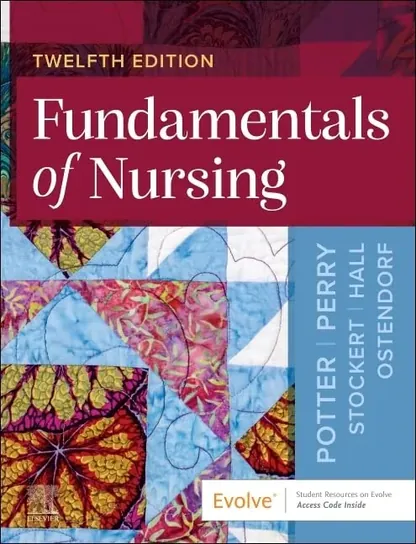
 Fundamentals of Nursing
$108
-
2
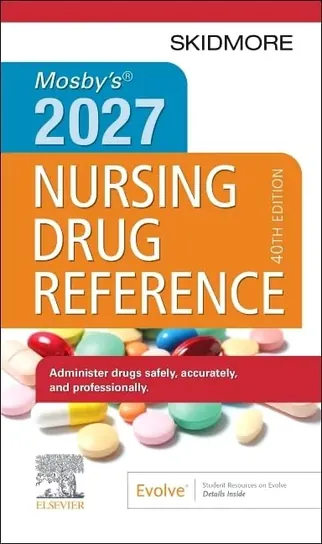
 Mosby's 2027 Nursing Drug Reference
$50
-
3
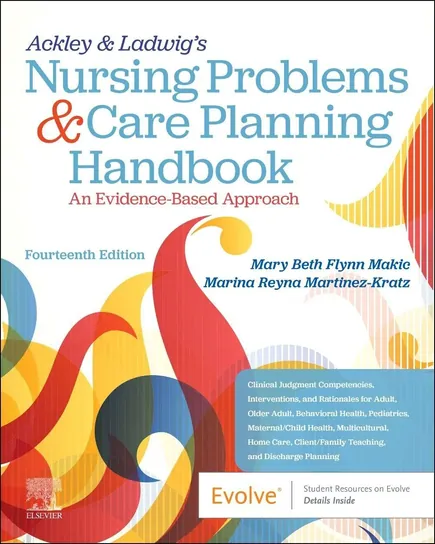
 Ackley and Ladwig's Handbook
$66
-
4
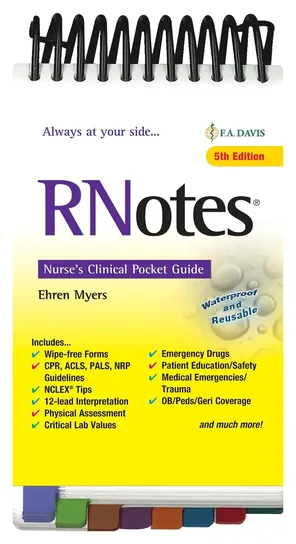
 RNotes
$33
-
5
 63 Must Know Labs
$11
-
6
 Lewis's Medical-Surgical Nursing
$99
-
7
 Medical Terminology
$14
-
8
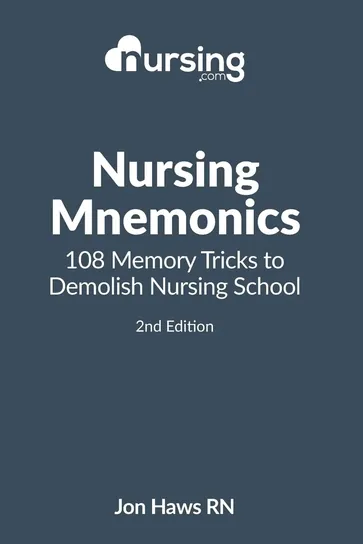
 Nursing Mnemonics
$10
-
9
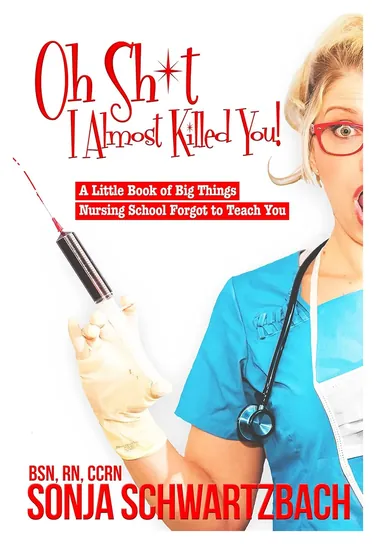
 Oh Sh*t, I Almost Killed You!
$6
-
10
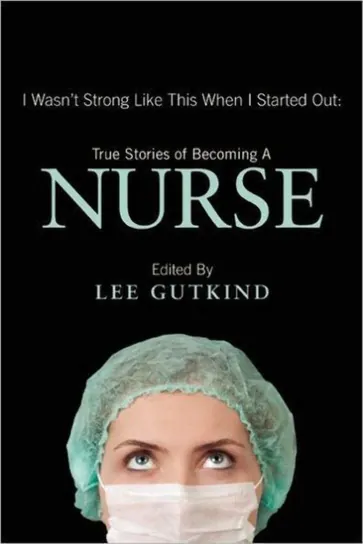
 I Wasn't Strong Like This
$17
Editor's Notes
October 27, 2026, by Ezvid Wiki Admin:
Fundamentals of Nursing now leads this list in its 12th edition, because it's the text most first-semester students are told to buy, and the edition we had before has been replaced. We also swapped out two references that had gone stale. The 2019 Lippincott Drug Handbook gave way to Mosby's 2027 Nursing Drug Reference, and the 2016 Nursing Care Plans gave way to Ackley and Ladwig's Handbook from 2026. Lewis's Medical-Surgical Nursing is new here for the second-year courses.
Nursing Research and How To Succeed In Nursing School are gone: the first serves a single research course, and the second hasn't been revised since 2011. RNotes stays for clinicals, but its CPR pages date from 2018, so check them against your class.
Nobody lab-tests books, so this update came down to edition dates. We checked each drug guide and care-plan handbook for a newer printing, read the publishers' descriptions and the contents printed on the covers, and compared them with what the licensing exam now emphasizes.
March 13, 2019:
Whether you are currently in nursing school, just starting out in the field, or have been working 12-hour shifts for years, there is a book here for you. If you have reached that point in your coursework where you have to write care plans, or are actively writing them for patients, Nursing Care Plans: Diagnoses, Interventions, and Outcomes will be very helpful. RNotes: Clinical Pocket Guide and 2019 Lippincott Drug Handbook are handy references every medical professional should have on hand at all times, unless you work in a lab, in which case 63 Must Know Lab Values is a better option for you. Medical Terminology, How To Succeed In Nursing School, and Nursing Mnemonics: 108 Memory Tricks are ideal for students who could use a little extra help to ensure they ace their classes. Those who have already completed their schooling and are still in their first or second year of practice will find I Wasn't Strong Like This When I Started and Oh Sh*t, I Almost Killed You! both enjoyable and informative.
Special Honors
DrugGuide.com F.A. Davis offers the content of Davis's Drug Guide for Nurses online at DrugGuide.com, searchable from a phone or a computer. It's a paid subscription. It suits students who would rather look up a drug on a phone than carry a thick paperback, as long as their clinical site allows phones. drugguide.com
Start With The Syllabus, Then Check The Edition
If your course grades work through Evolve, price a new copy or a standalone code before you buy used.
Nursing programs choose their core texts and usually list them by edition and ISBN, so start there. The big publisher titles revise every few years: Elsevier released the 12th edition of Fundamentals of Nursing in 2025, while many schools still teach from the 11th. Page numbers and chapter order shift between editions, which matters when an instructor assigns reading by page.
New copies of Elsevier texts include an access code for its Evolve student resources, the publisher's online companion site. Used copies usually come with a spent code or none. If your course grades work through Evolve, price a new copy or a standalone code before you buy used. If it doesn't, an older edition can save a lot, as long as the instructor accepts it.
Drug Guides Go Out Of Date
A drug guide is the reference you replace most often. New drugs reach the market, warnings change and doses get revised, so the major guides come out every year or two. Mosby's Nursing Drug Reference carries a year in its title, and the 20th edition of Davis's Drug Guide for Nurses carries a 2026 copyright. Pick one current guide and learn its layout well instead of buying several.
No printed guide replaces the facility's own drug reference, the prescriber's order or the pharmacist. Learn the abbreviations that cause errors, too. The Institute for Safe Medication Practices keeps a list of error-prone abbreviations that should never appear in orders or charting, such as a trailing zero after a decimal point.
Care Plans, Pocket Guides And Study Aids
Care-plan books map a patient's problems to goals, interventions and rationales. Many schools teach the standard nursing diagnoses published by NANDA International, whose current list covers 2024 to 2026, so check which wording your program expects. Use the handbook to find ideas and reasons, then write the plan for the patient you actually cared for.
The licensing exam moved to the Next Generation NCLEX on April 1, 2023, with case-based questions that score clinical judgment. Current textbooks build that thinking into their case studies, but they are not exam-review books, which are a separate purchase near graduation.
Pocket guides help on clinical shifts, though some hospitals limit what students may carry into patient rooms, so ask your clinical instructor first. Cheap study aids such as mnemonic and lab-value books work best alongside the course text, not in place of it.
How we researched this
We compared 25 nursing titles, from core textbooks and drug guides to pocket references, study aids and books about the job. For each finalist we checked the edition and publication date and looked for a newer printing, read the publishers' descriptions and the contents printed on the covers, and set them against the National Council of State Boards of Nursing's description of the current licensing exam. Books have no recall database, so for the drug guides we also reviewed the Institute for Safe Medication Practices' list of error-prone abbreviations. Updated October 27, 2026 by Ezvid Wiki Admin.
Sources (7)
Frequently asked questions
Do I need every book on this list?
No. Your program assigns the core textbooks. Most students add one current drug guide, a care-plan handbook and perhaps a pocket guide for clinicals. Study aids and the books about nursing life are optional.
Can I buy a used or older edition?
Often, yes, if your instructor accepts it. Used copies save money but usually lack a working access code for the publisher's online resources, and page numbers can differ between editions.
Which drug guide should a nursing student buy?
Buy the one your program names. If it names none, any major guide in a current edition works, such as Mosby's Nursing Drug Reference or Davis's Drug Guide for Nurses. Replace it every year or two.
Can I use a pocket guide during clinicals?
Usually, but rules vary. Some hospitals limit personal items in patient rooms, so ask your clinical instructor. Always follow the facility's own policies and drug references.
Are NCLEX review books on this list?
No. These titles teach and support coursework. Exam-review books with practice questions are a separate purchase, usually in the last semester before the licensing exam.