The 10 Best Ultralight Backpacking Tents
Updated by · How we research

Ten ultralight backpacking tents compared on weight, room, setup and weather, from freestanding domes to trekking-pole shelters. Nemo's Hornet OSMO 2P leads. When users buy our independently chosen editorial recommendations, we may earn commissions to help fund the Wiki.
A tent's trail weight covers only the body, fly and poles, so stakes, sacks and guylines add a few ounces more. Most good three-season shelters for one or two hikers land between two and three pounds, and lighter ones ask for skill or money. This list is for backpackers ready to trade some room and toughness for a lighter pack.
At a Glance
-
1
 Nemo Hornet OSMO 2P
$479
-
2
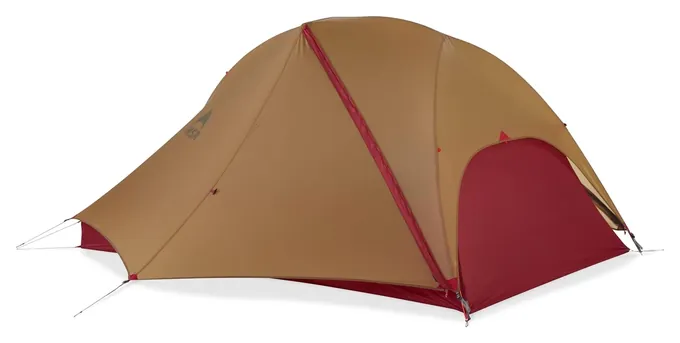
 MSR FreeLite 2
$429
-
3
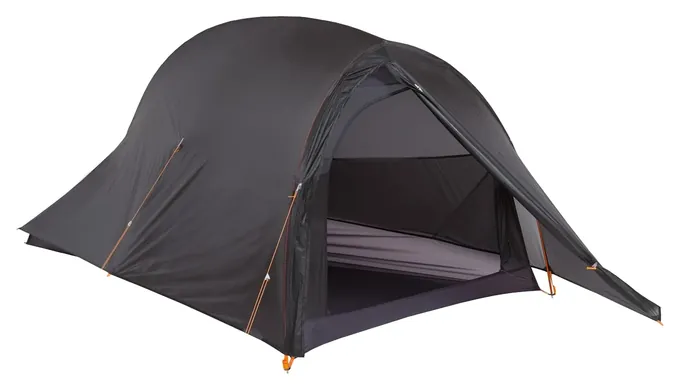
 Big Agnes Fly Creek UL1
$419
-
4
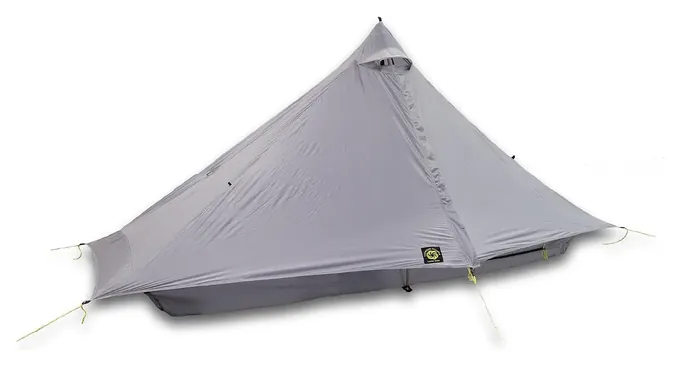
 Six Moon Designs Lunar Solo
$270
-
5
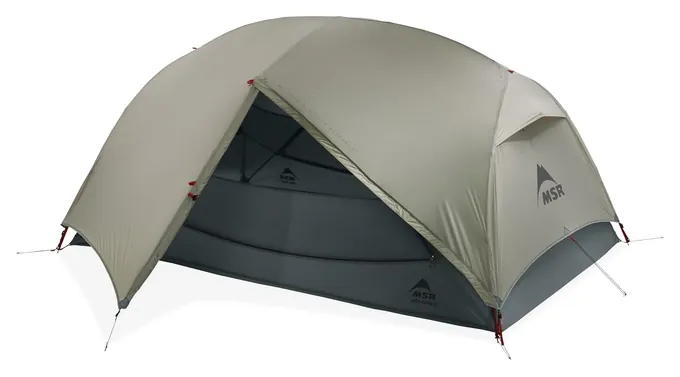
 MSR Hubba Hubba LT 2
$549
-
6
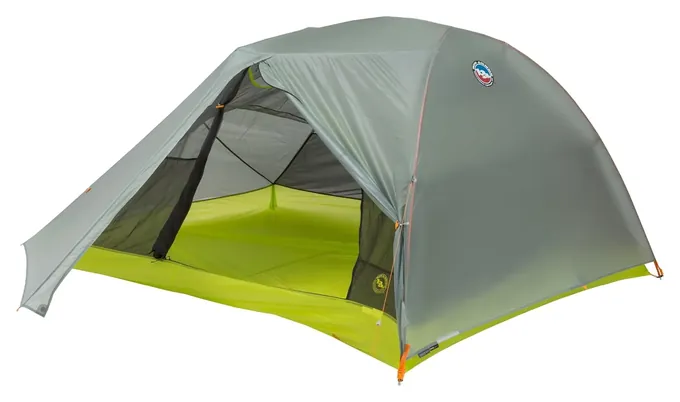
 Big Agnes Tiger Wall UL3
$579
-
7
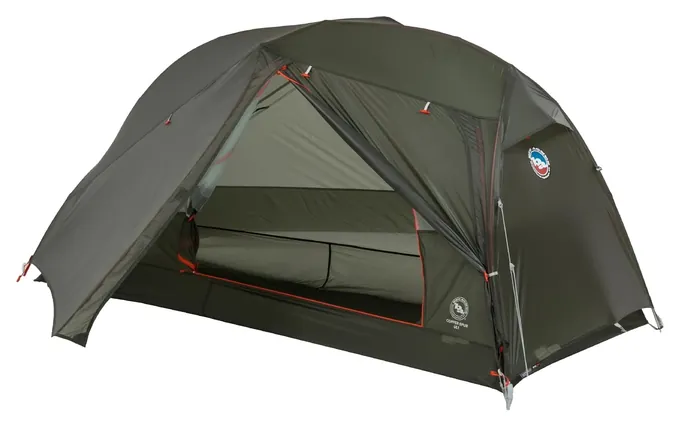
 Big Agnes Copper Spur UL1
$499
-
8
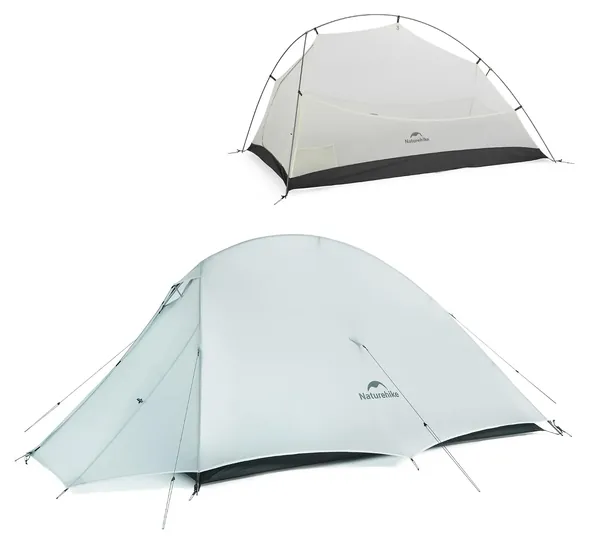
 Naturehike Cloud-Up 2
$179
-
9
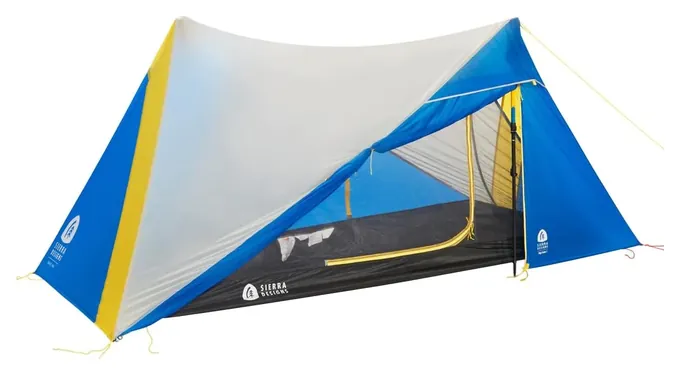
 Sierra Designs High Route 1P
$165
-
10
 Six Moon Designs Gatewood Cape
$165
Editor's Notes
October 23, 2026, by Ezvid Wiki Admin:
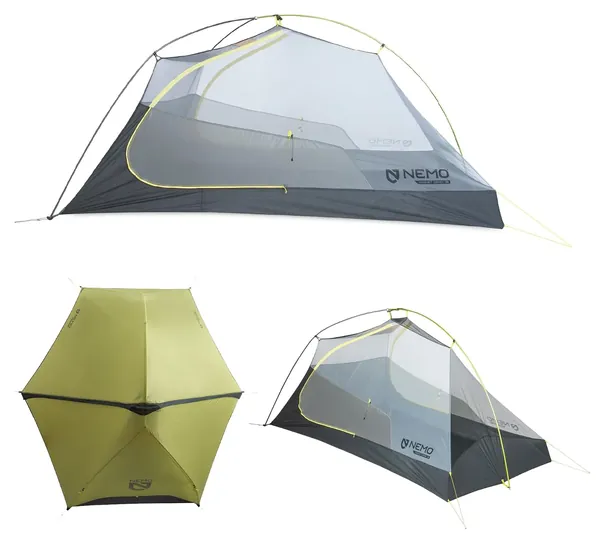
The Nemo Hornet OSMO 2P now leads this list. It's light, two people can share it, and an independent review named it the best first ultralight tent. Big Agnes replaced the Fly Creek HV UL1 and the old Tiger Wall with new versions, so the Big Agnes Fly Creek UL1 and Big Agnes Tiger Wall UL3 stay under their current names. The Six Moon Designs Lunar Solo, Six Moon Designs Gatewood Cape and Sierra Designs High Route 1P stay too.
The Nemo Hornet Elite, Nemo Kumai, MSR Thru-Hiker, Six Moon Designs Deschutes Plus and Fly Creek HV Carbon are gone because they're no longer available. New picks cover what readers ask about: the MSR FreeLite 2 and MSR Hubba Hubba LT 2 for pairs, the Big Agnes Copper Spur UL1 for roomy solo trips and the Naturehike Cloud-Up 2 for tight budgets.
Two outdoor sites that pitch and weigh these tents in the field shaped the order, along with the makers' spec cards and a long-term review of the Naturehike. The lightest Dyneema shelters still sell only direct from small makers, so they're in the special honors.
February 03, 2021:
The Big Agnes Fly Creek HV remains immensely popular for very good reason, but if you're willing to spend more, the Nemo Hornet Elite and the ultra-premium Big Agnes Fly Creek Carbon offer lighter weight and just about the same high-end performance. The Big Agnes Tiger Wall UL3 is a top choice for couples who want to share the load. Alternatively, the Nemo Kumai does a great job of keeping wind and cold out and maximizing two people's body heat in actual winter conditions, something many lightweight tents can't claim.
Six Moon Designs has also continued to develop and produce impressively lightweight models, and their latest Six Moon Designs Lunar Solo is about as straightforward as they come. It's actually one of the lightest one-person options on the market. The Six Moon Designs Deschutes Plus is basically the Lunar Solo without a floor, and the Six Moon Designs Gatewood Cape, despite being mind-blowingly simple, also makes a passable rain poncho, even further reducing your pack weight.
May 05, 2019:
First of all, it's important to be realistic when looking at ultralight gear of any type. By its very nature, it's not as durable as the average equipment, and it probably won't last as long. But the fact is, if you're hiking for more than 3 days, a three-pound single-person tent is very hard to justify. There's no hard and fast rule, but most ultralight fanatics tend to focus on shelters around 2.5 pounds or lighter. Also, there are many different varieties of tent; some -- but not many -- are similar to standard dome tents, others resemble oversize bivy sacks, some are basically glorified bug nets, and others are mostly just tarps with a stick in the middle.
If you're looking for a tent that most closely resembles a tent, you're likely looking at around a 2-pound package. Right off the bat, know that Big Agnes makes some of the most well-respected such shelters in the industry. I've personally dragged a Fly Creek UL1 through nearly every type of terrain and climate outside of heavy snow, and it's served me as well as I could possibly ask for. It's plenty roomy enough for me, though I'm admittedly pretty short, but if you're over 6 feet tall, you'll have a harder time fitting in most ultralight tents. It is possible, though. The Fly Creek Carbon is made with Dyneema-infused fabric that's superior in many ways to silnylon, but it's amazingly expensive. Big Agnes' Tiger Wall, on the other hand, is actually well-priced if you consider that its "3-person" model makes an exquisitely spacious dwelling for a pair of thru-hikers.
Nemo's Hornet Elite is similar in design to the Fly Creek, but according to users it's even smaller, and some find it a bit claustrophobic even for an ultralight tent. But it is really light, and its side entrance is a hugely comfortable benefit. Their Blaze is unfortunately discontinued, but you can still get your hands on it, and it offers probably the highest internal volume overall out of any one-person tent on the list. The Sierra Designs may come close, though, and it's almost as affordable as you'll find in such a lightweight package.
Finally, it's time to talk about Six Moon Designs, a boutique company from the Pacific Northwest that's dedicated to reasonably priced and highly effective shelters. All of their designs are held up by trekking poles or the separately available carbon fiber pole. Their ultra-minimalist design gives them the highest floor-space-to-cost ratio on the market. Their Lunar Solo is almost impossible to beat for this reason, and if you don't need an actual floor, the Deschutes Plus is even lighter. It even has a shroud that acts as a bit of a bug net, and can keep out the drafts that mere tarps might be susceptible to. Then there's the Gatewood Cape. This is a truly unique piece of gear. If you're over about 5'9", it won't work for you, but if you're under that height and are crazy about cutting every bit of unnecessary weight, check this thing out. There's almost nothing to it -- it weighs 10 ounces -- and it serves as rain gear that covers 3/4 of your body while you're hiking though a storm. Sure, it's made of silnylon that might sag when it gets saturated, but I spent a handful of nights on the North Shore of Maui in one of the literally rainiest places on Earth, and while I wasn't exactly "dry" afterwards, I was able to sleep, and my pack and clothing weren't soaked. If you're good at gritting your teeth and bearing some elements, and want the absolute lightest pack, it or one of the Six Moon Designs' other tents are definitely worth considering.
Special Honors
Durston Gear Dan Durston's X-Mid tents put two trekking poles at opposite corners, which makes them quick to pitch and steady in wind for their weight. The silpoly versions cost less than most name-brand domes, and the Pro versions in Dyneema are among the lightest double-door shelters sold. They're sold direct. durstongear.com
Zpacks Zpacks has made Dyneema shelters for thru-hikers for many years. Its Duplex, a two-door trekking-pole tent, weighs a little over a pound and shows up on most long-trail gear lists. Dyneema doesn't sag when wet and needs no seam sealing, but it's expensive and less resistant to punctures than nylon. zpacks.com
Tarptent Henry Shires founded Tarptent to build light, simple shelters. The lineup runs from one-pole solo tents to roomy two-person models and semi-freestanding designs, in silpoly or Dyneema. Prices sit between budget tents and the big outdoor brands. tarptent.com
Trail Weight, Packed Weight And Who Sleeps Inside
Tall hikers should check floor length; 84 to 90 inches is common, and a tapered foot eats into it.
Two weights show up on spec cards. Trail weight, or minimum weight, counts the tent body, fly and poles. Packed weight adds stakes, guylines and stuff sacks, which usually means a few more ounces. Nemo lists the Hornet OSMO 2P at 2 pounds 1 ounce minimum and 2 pounds 8 ounces packed, so compare like with like. Switchback Travel puts most three-season backpacking shelters between 2 and 4 pounds, and says a footprint adds another 5 to 10 ounces (Switchback Travel).
Ultralight tents save weight by trimming floor space, so the person rating is generous. OutdoorGearLab found the Hornet OSMO 2P tight for two adults (OutdoorGearLab), and Cleverhiker's reviewer called the Naturehike Cloud-Up 2 a solo shelter in practice (Cleverhiker). Many solo hikers buy a two-person tent for the extra room and a dry spot for the pack. Couples who share a tent every night do better with a rectangular floor and a door on each side, like the MSR FreeLite 2 or MSR Hubba Hubba LT 2. Tall hikers should check floor length; 84 to 90 inches is common, and a tapered foot eats into it.
Freestanding, Semi-Freestanding Or Trekking Poles
A freestanding tent, like the MSR Hubba Hubba LT 2 or Big Agnes Copper Spur UL1, keeps its shape without stakes, so it works on rock, sand and wooden platforms. It's the heaviest kind. Semi-freestanding tents, like the Nemo Hornet OSMO 2P and Big Agnes Fly Creek UL1, use one hubbed pole set and need stakes at the foot corners. They're the usual first ultralight tent.
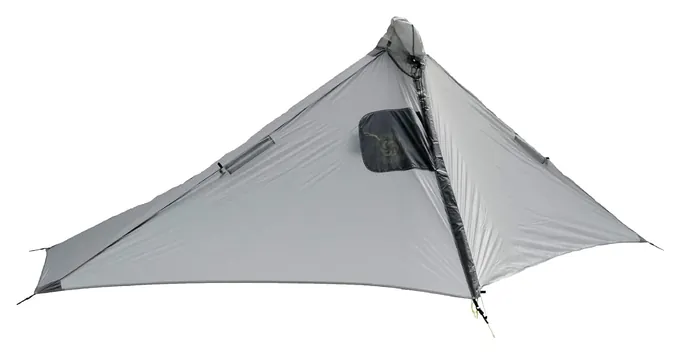
Trekking-pole shelters drop tent poles and stand on the hiking poles you already carry. The Six Moon Designs Lunar Solo weighs 26 ounces without stakes, according to its maker (Six Moon Designs). They need flat ground, firm stake spots and practice to pitch tight, and wind exposes a sloppy pitch. Single-wall shelters save more weight but collect condensation, since there's no separate inner tent to keep you off a damp wall. The lightest of all are Dyneema trekking-pole tents from small makers such as Zpacks, Durston and Hyperlite Mountain Gear. OutdoorGearLab lists the Zpacks Duplex near 1.2 pounds, but these shelters cost far more and sell direct (OutdoorGearLab). Budget dome tents go the other way, usually landing between 3.5 and 4.5 pounds.
Pitching, Care And Camp Safety
Practice at home before the first trip. Many silicone-coated nylon and polyester shelters ship with unsealed seams. Six Moon Designs says the Lunar Solo needs seam sealing and sells a kit for it (Six Moon Designs). Ultralight floors are thin, so clear sticks and stones and use a footprint or a cheap polycryo sheet. Tension the guylines so the fly stays off the inner tent, and vent the doors on still nights to cut condensation. Dry the tent fully before storing it, loosely, out of the sun.
Never cook or run a stove inside a tent or a closed vestibule. Carbon monoxide builds up fast, and thin fabric burns. Leave No Trace asks hikers to camp on durable surfaces about 200 feet from lakes and streams (Leave No Trace), and many parks require permits or designated sites. In a lightning storm, get off exposed ridges before you pitch.
How we researched this
We compared 20 ultralight and budget backpacking tents, read makers' spec cards and setup notes, field reviews from OutdoorGearLab and Switchback Travel, a long-term Cleverhiker review and owner feedback, and checked every brand for recalls with the U.S. Consumer Product Safety Commission. Weights are makers' trail or packed figures, and stakes and stuff sacks add a few ounces.
Frequently asked questions
What is the lightest backpacking tent?
Dyneema trekking-pole tents from small makers such as Zpacks and Durston weigh a little over a pound for two-door models. On this list, the Six Moon Designs Gatewood Cape weighs under a pound but has no floor, and the Six Moon Designs Lunar Solo is the lightest floored shelter at 26 ounces.
What type of ultralight tent is best for beginners?
A semi-freestanding double-wall tent, such as the Nemo Hornet OSMO 2P. It pitches with one pole set and a few stakes, ventilates better than a single wall and doesn't need trekking poles or a perfect pitch.
Is a two-person ultralight tent big enough for two?
For two adults it's usually tight, because floors taper and run about 50 inches wide. Couples should look for a rectangular floor and two doors. Many solo hikers buy a two-person model for the extra room.
Are cheap backpacking tents worth it?
Budget dome tents work for weekend trips, but most weigh 3.5 to 4.5 pounds and use thin fabric that needs care. Getting under 2.5 pounds usually means paying for a name-brand or cottage-made shelter.
Can I use an ultralight tent in winter?
Ultralight tents are built for three seasons. Their mesh and thin fabric don't hold heat or carry snow loads, so winter and high-mountain trips call for a heavier four-season tent.