The 9 Best Pinpointer Metal Detectors
Updated by · How we research

Nine metal detecting pinpointers compared on waterproofing, iron tones, battery and price. The Garrett Pro-Pointer AT is the dependable pick for most diggers. When users buy our independently chosen editorial selections, we may earn commissions to help fund the Wiki.
A pinpointer is not a smaller metal detector. Its range is only a few inches, and its job starts after the main coil beeps: it finds the coin or ring inside the hole, so digs go faster and holes stay small. This list serves beach, park and relic hunters, from first-timers on a budget to scuba divers.


Editor's Notes
November 1, 2026, by Ezvid Wiki Admin:
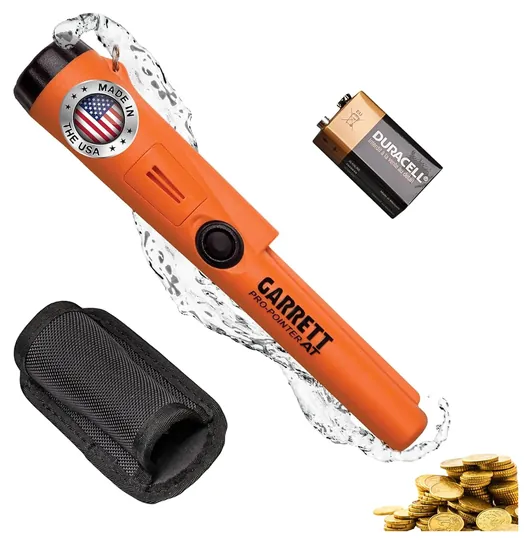
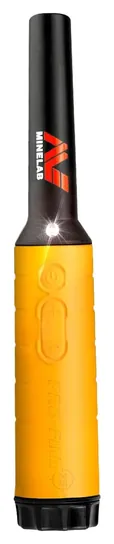
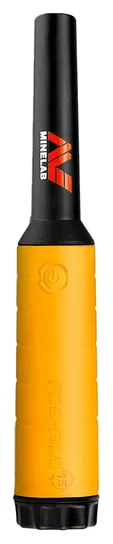
The Garrett Pro-Pointer AT keeps the top spot. It is still the wand most detectorists reach for, it goes underwater, and its retune button handles salt sand. The Minelab Pro-Find 35 comes close, and park hunters who dig a lot of nails may prefer its separate iron tone.
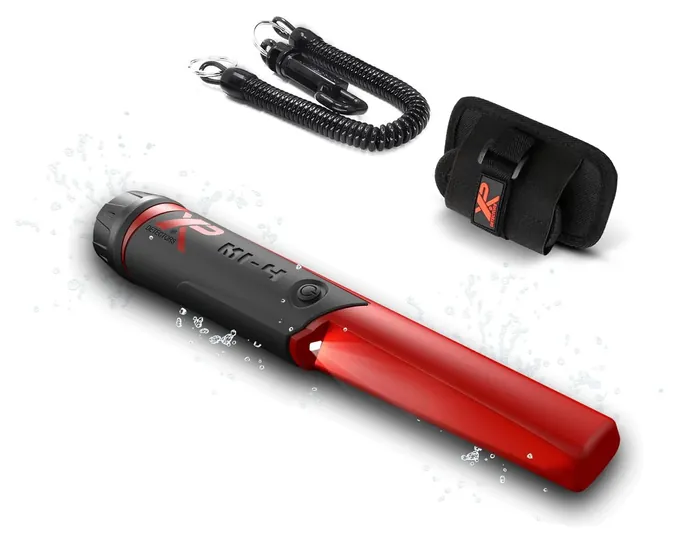
This list covers handheld pinpointers, the short probes used to find a target in the hole after the detector signals. For full-size machines, see our metal detectors list. Seven old picks left the list. The Quest XPointer Pro and Dr. Otek IP68 can't be bought now, the White's Bullseye II went with White's itself, and the Teknetics Tek-Point and Deteknix Xpointer have no steady supply. The XP Deus MI-6 gives way to XP's MI-4, which works with any detector, and the Garrett Pro-Pointer II made way for its fully submersible sibling. New picks cover iron tones, a color screen, a rechargeable wand and two cheap starters.
The evidence was makers' waterproof and battery ratings, a detecting retailer's pinpointer guide, hobby forum threads on how these wands behave in salt sand and trashy soil, and the federal rules on where digging is allowed. No lab has published a side-by-side test of pinpointers.
November 19, 2020:
The Garrett Pro-Pointer AT continues to be a top contender and for good reason, as it's feature-rich without going overboard, reliable, accurate, and versatile. If you want something in the same wheelhouse but with a rechargeable battery rather than a 9-volt, the XP Deus MI-6 is a great choice, especially if you're a beginner who plans on getting a full-sized metal detector as you progress, as it links up to its larger counterpart detector.
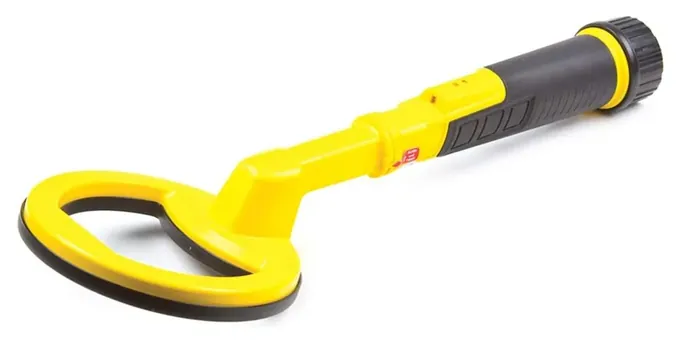
With the Kuman Unearthing Tool no longer as budget-friendly as it once was, we decided to remove it, as the quality does not match the new price point. Instead, we took the opportunity to bring on the Nokta PulseDive, a patented 2-in-1 selection that is distinctive from the rest thanks to its pinpointing and coil functions. This one is ideal for diving and snorkeling since it's submersible down to 200 feet, a feature that is relatively uncommon in this category. And if you want just a pinpointer with the same deep-diving capabilities, the Quest XPointer Pro can also handle 200 feet.
While we appreciated that the Pyle Pro has a low price, it's far surpassed by the newly-added Dr. Ötek IP68, which is in the same league budget-wise. It's straightforward to use, smartly designed, sensitive enough to pick up gold flakes and other teensy objects, waterproof to 32 feet, and outfitted with a multicolored LED flashing system to alert you as you draw nearer to treasure. It does away with an audible alarm function to not disturb wildlife and other treasure hunters, but some find this omission to be a flaw.
July 02, 2019:
While there are plenty of pinpointer metal detectors on the market, it still remains difficult to top the Garrett Pro-Pointer AT, often affectionately referred to as the Garrett Carrot. Not only is it built to last, but it's easy enough even for novices to use — and without the frustration that less robust models might offer. The one tiny drawback is that it runs on a 9-volt battery, which is only a drawback when you consider that companies are now pushing out models with rechargeable batteries. These, including the XP Deus MI-6 and Quest XPointer Pro, mean no more buying new batteries, and they have plenty of other great features, to boot. Of course, none of these models is particularly cheap, and so may not be the best option for a newbie. If the budget is a concern, we still think the Deteknix Xpointer or Kuman Unearthing Tool are acceptable, although neither is fully submersible. Beginners may also find them inadequate as their skills grow.
Special Honors
Meetup Meetup is a platform for finding and building local communities with like-minded people. It's handy for making friends, learning new things, pursuing passions and hobbies, and more. If you're interested in locating fellow treasure hunters in your area for group metal detecting excursions, this is a solid place to start. meetup.com
Metal Detecting in the USA For detection tips, finds, stories, relic and treasure hunting information, news, downloads, and how-to articles, this website is a helpful resource. They also have an extensive directory of clubs throughout the United States organized by state, as well as British and Canadian groups for anyone looking to join one. metaldetectingintheusa.com
Waterproof Ratings And Where You Hunt
Rinse the wand in fresh water after a beach hunt, keep the cap on the tip, and take a 9-volt battery out before storing the probe for a season.
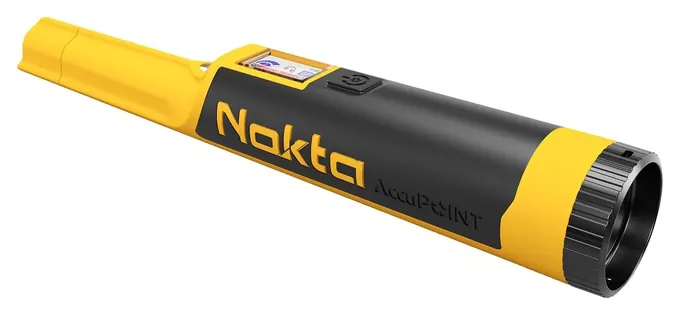
Match the waterproof rating to the wettest place you will actually dig. Under the IEC's IP code, a 7 as the second digit means the case survives about one meter of water for 30 minutes, and an 8 means deeper or longer, as the maker defines it. That is why the stated depth matters more than the code. The Minelab Pro-Find 15 is rated to about 5 feet, the Pro-Find 35 and Nokta AccuPOINT to about 10 feet, and the Garrett Pro-Pointer AT and XP MI-4 to about 20 feet. The Nokta PulseDive is built for scuba depths.
Park and field hunters only need rain and dew resistance. Beach hunters who work the wet sand and wade into the shallows should buy a fully submersible wand, because a dropped probe in the surf is common. Some budget wands seal only the tip, so the switch and speaker must stay dry.
Salt water is hard on any seal. Rinse the wand in fresh water after a beach hunt, keep the cap on the tip, and take a 9-volt battery out before storing the probe for a season. A bright orange or yellow body is also easier to find when it slips out of a pocket in tall grass. Kellyco's pinpointer guide pairs fully submersible wands with water hunting and splash-rated ones with land use.
Iron Tones, Retune And Batteries
A pinpointer's range is a few inches. Its job is to tell you where in the hole, or in the pile of soil you just lifted, the target sits. Sweep the tip in an X across the hole, then probe the loose dirt before digging wider. Most wands beep faster or buzz harder as the tip gets closer.
Iron tone is the feature that saves the most digging in old parks and homesites. The Minelab Pro-Find 35 and Nokta AccuPOINT sound a different tone for iron, so a rusty nail can be left in the ground. Minelab's Pro-Find brochure describes the same two-tone iron alert and the anti-interference setting across the range. Single-tone wands, including the Garrett Pro-Pointer AT, treat all metal alike.
Retune resets the wand's baseline. Use it on wet salt sand or mineral-rich soil, where an untuned probe can sound off with no metal nearby. Keep the pinpointer away from the search coil of a running detector, or the two can interfere; Minelab and Nokta add settings that reduce the clash.
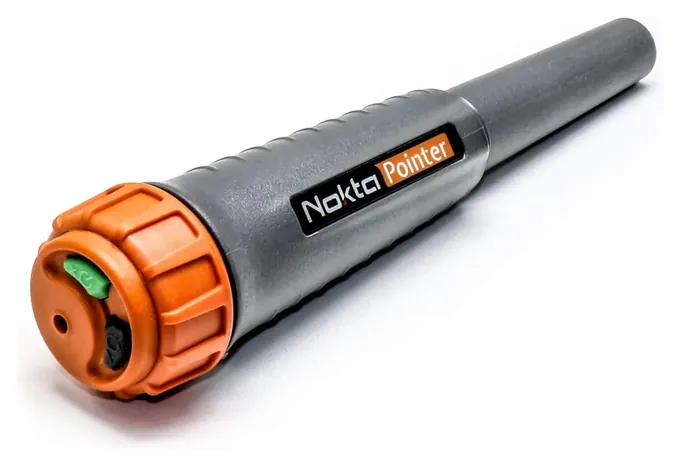
Batteries split the field. Garrett, Minelab and Nokta's basic pointer use a single 9-volt, which is sold everywhere and lasts about 30 hours in the Garrett, per GPS Central's spec sheet. The XP MI-4, AccuPOINT and PulseDive charge by USB, which saves money over time but means a dead wand if you forget to charge it.
Where You Can Dig, And How To Leave It
Rules on detecting vary by land, and the federal ones are strict. In units of the National Park System, 36 CFR 2.1 bans possessing or using a metal detector unless it is packed away so it can't be used. On public and tribal land, the Archaeological Resources Protection Act makes it a crime to dig up or damage archaeological resources without a permit, with fines and jail time even for a first offense.
State parks, city parks and beaches set their own rules, and many require a permit or ban digging in turf. Private land needs the owner's permission, ideally in writing. Before digging deeper than a hand trowel near homes or roads, call 811 so buried power, gas and water lines are marked.
Good practice keeps sites open to the hobby: cut a neat plug, use the pinpointer to keep the hole small, pick up trash you find, and fill and tamp every hole before you move on. Metal Detecting in the USA lists clubs by state, which often know local rules and arrange permission on private land.
How we researched this
We compared 16 pinpointers, read the makers' ratings and spec sheets for the 9 picks, analyzed owner feedback and hobby forum threads, and checked each brand against the CPSC recall database. Updated November 1, 2026 by Ezvid Wiki Admin.
Frequently asked questions
How deep can a pinpointer detect?
Only a few inches. Makers quote roughly 3 to 6 inches for a coin, and that is a best case. A pinpointer is for finding a target in a hole or a pile of soil, not for searching ground.
Do I need a pinpointer for metal detecting?
No, but most detectorists carry one. It shortens each dig, keeps holes small and lowers the chance of scratching a coin or ring with the shovel.
Does a pinpointer work with any metal detector?
Yes. Pinpointers run on their own and work beside any brand. Keep the tip away from a running detector's coil, or the two can interfere. Some, like the Minelab Pro-Find 35, have a setting that reduces this.
Is a pinpointer the same as a handheld security wand?
No. A security wand scans people and bags for metal. A pinpointer is a sealed, rugged probe made to push into soil and sand, and many work underwater.
Which pinpointer is best for the beach?
Pick a fully submersible wand with a retune button, such as the Garrett Pro-Pointer AT, so wet salt sand doesn't cause false signals. Rinse it in fresh water after each trip.
Can I use a metal detector in a national park?
No. Federal rules in 36 CFR 2.1 ban using or carrying a usable metal detector in National Park System units. Other land has its own rules, so check before you dig.