The 6 Best Pool Water Levelers
Updated by · How we research

Hose-fed, wireless or built-in: six pool autofill options compared by fill range, water pressure and build. The Fill-O-Matic Premium stays on top. When users buy our independently chosen editorial recommendations, we may earn commissions to help fund the Wiki.
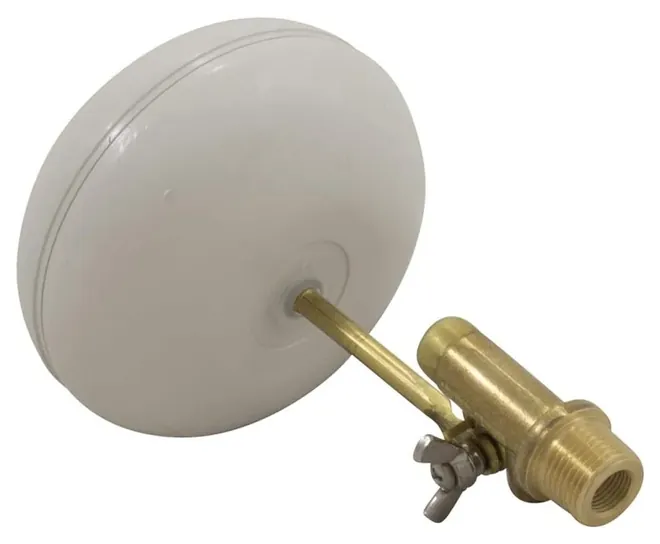
In a built-in autofill, a worn float valve is the usual fault, and swapping it is often cheaper than calling for service. Pools without one can use a deck-top leveler that runs from a garden hose and tops up the water as it evaporates or splashes out, so the pump never sucks air at the skimmer. Some need a reducing valve above 60 psi.


Editor's Notes
October 17, 2026, by Ezvid Wiki Admin:
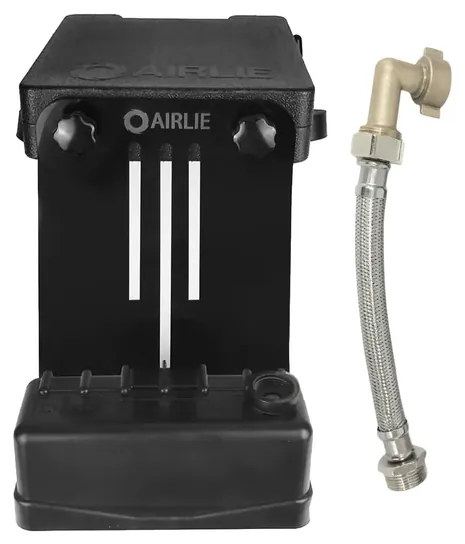
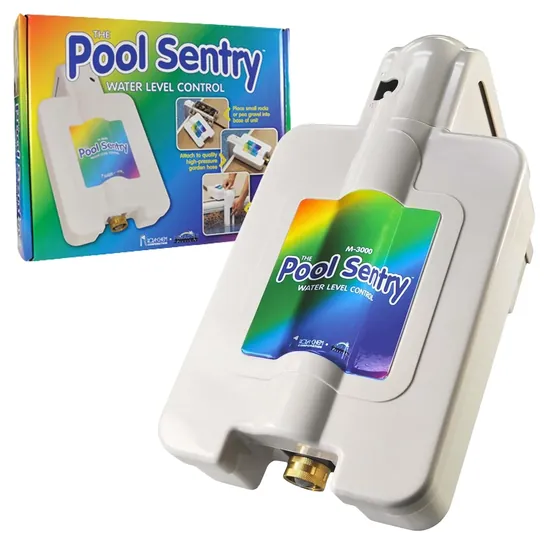
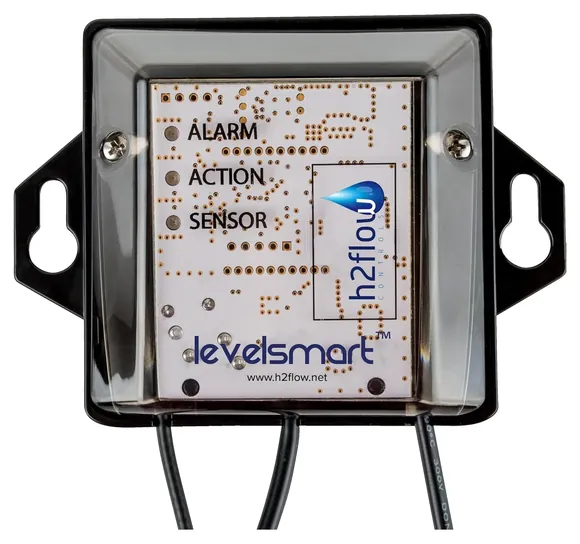
Three entries now cover products sold today, because the versions on our 2020 list were discontinued or had vanished. The Airlie AR-1 we listed was discontinued, so that entry now covers the current Airlie Water Leveler, which comes with a stainless hose and a brass elbow. The old Kona Labs LevelSmart LS-25 and Rola-Chem Sentry M-3000 product pages had vanished too, and their entries now point to the LevelSmart Wireless Autofill and the Rola-Chem Pool Sentry M-3000 sold today. We dropped the CMP 25504, a replacement lid for a built-in leveler that comes in several confusing versions.
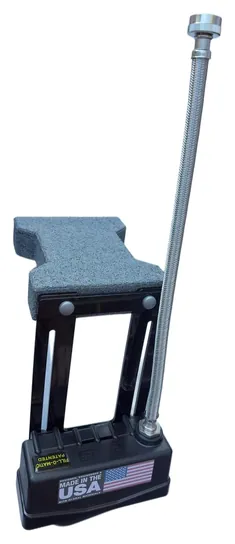
The Fill-O-Matic Premium stays on top. It's simple, its rubber base stays put, and its label instructions are the clearest we found. The Staypoollizer 2.0 Premium stays for homes with high water pressure. New is the Pentair T26 Float Valve, because a worn valve is the usual fault in a built-in autofill, and readers search for that part too.
We also looked at the flood of cheap, unbranded hose fillers. They copy the established designs, and there's too little evidence behind any of them to recommend one.
Evidence in this category is thin. We found no independent lab tests of pool levelers. Most pressure ratings and fill ranges are the makers' own, from specs and label instructions. Owners on pool forums and retailer sites reported leaks and wear, and we checked recalls.
September 10, 2020:
After what appeared to be quite a stagnant year for this category, it was a quick round of updates, with no new additions. At the same time, most of our previous selections managed to maintain their positions on our list, with the only exception being the Custom Molded 25604, which we removed, noting some availability issues with it, as well as a questionable note from the manufacturer explaining that the unit "will require teflon tape for a proper seal."
We also bumped the Kona Labs LevelSmart LS-25 a bit further up our rankings, recognizing that it’s one of the better options out there, but also appreciating that its price – which is astronomically expensive compared to some close competitors – makes it a tough sell for our top spot. I also wasn’t a fan of the fact that the unit’s sensor needs to be replaced once its battery runs out. Granted, with an estimated battery life of 10 to 12 years, it won’t be a frequent expense, but for such a costly unit, it would be nice if they could come up with a solution that was more practical and less wasteful.
For most people – as long as their backyard is equipped with a garden hose, and ideally a garden hose splitter – most of our selections will work, but some are exceptional in respects that are worth noting.
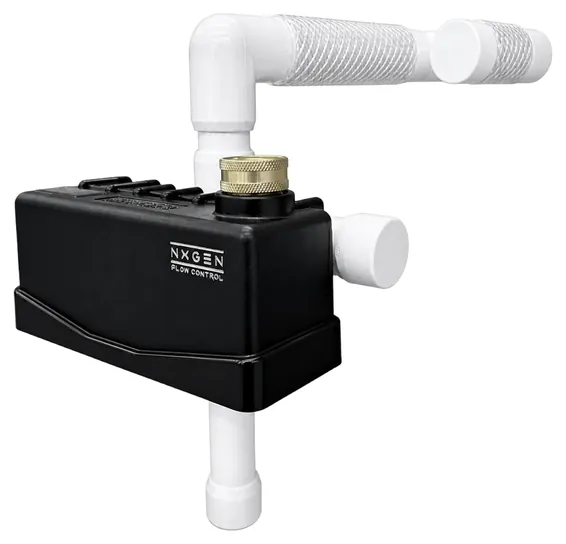
If you’re dealing with a high-pressure water source, say in excess of 60 PSI, then you might want to consider either the Airlie AR-1 – which features a built-in, brass, pressure-reducing valve – or the Staypoollizer 2.0 Premium — which can accommodate water pressures up to 200 PSI.
For users with sloped decking or a lip around the edge of their pool, you may want to consider an option like the Rola-Chem Sentry M-3000 – which has two, adjustable legs, to help level the unit off – or the Staypoollizer 2.0 Premium — which features an adaptable design, with a flexible frame that will accommodate most styles of decking.
While most of our selections can be easily retrofitted, as an afterthought, the CMP 25504 stands apart as one option that’s intended for installation during the pool’s original build.
April 30, 2019:
If you’re tired of spending time each day (or even worse, in the middle of the night) to add water to your pool when you hear the pump sucking in air, a water leveler is probably just what you need. Many that made our list are affordable and hook right up to a garden hose. (This is where a hose splitter really comes in handy.) It’s hard to go wrong with the reliable Fill-O-Matic on our list, which offers adjustable height and thoughtfully includes a sturdy brass connector and wing nuts that won’t tear a vinyl lining.
For a more high-tech solution that takes away the need to run a hose to your pool, look to the LevelSmart LS-25, with which a sensor and receiver communicate to send water in through your existing plumbing. Note, however, this unique selection is significantly higher-priced than the others and involves a more intricate setup.
For a couple of simple, budget-friendly options, look to the Custom Molded and Rola-Chem, both of which are highly portable and can be installed easily at your home, vacation house, or rental property.
Special Honors
Kona Labs LevelSmart Kona Labs, the company behind LevelSmart, sells its wireless autofill directly, including an Online version for remote monitoring that costs more than the standard kit. Its site also has install guides, troubleshooting articles and a guide to telling a leak from evaporation, which are worth reading before you decide whether a plumbed system suits your pool. konalabs.com
Pentair Automatic Water Fillers Pentair's built-in automatic water fillers set a canister with a float valve into the deck beside the pool, fed by a buried supply line, so nothing sits on the coping. They go in when a pool is built or the deck is redone, so they're a job for a pool builder. The maker's page lists the models, and its install guide shows how the canister connects to the pool. pentair.com
Hose-Fed, Built-In Or Wireless
A float drops with the water, opens a valve and lets fresh water in until the float rises and shuts it off.
Every leveler here works on the same idea as a toilet tank. A float drops with the water, opens a valve and lets fresh water in until the float rises and shuts it off. What differs is where the unit sits and how the water gets to it.
Hose-fed deck units are the most common. They hang over the pool edge, take a garden hose and need no plumbing or power, which makes them the only practical choice for most existing pools. The tradeoff is a hose under constant pressure across the deck.
Built-in autofills are installed when a pool is built. Pentair's design puts a canister in the deck next to the pool, connected to the water below the surface, with a float valve inside fed by a buried supply line (Pentair, install guide). They're tidy and out of sight, but adding one later means cutting into the deck. When one fails, a replacement float valve usually fixes it.
Wireless systems split the job in two. LevelSmart puts a sensor in the skimmer and a controller that opens a valve teed into a water line (Kona Labs). That keeps the deck clear, but it costs far more and needs a plumber or a confident do-it-yourselfer.
Measure The Drop And Check Your Water Pressure
Before buying a deck unit, measure from the top of your coping down to where you want the water. Each leveler covers a set range: the Fill-O-Matic and Airlie handle 2 to 9 inches, the Pool Sentry 2 to 8 and the Staypoollizer 4 to 9 (Staypoollizer). Deeper drops need an extension bracket where one exists. Look at the edge shape too. Flat coping is simplest, while sloped or raised edges call for adjustable feet, like Airlie's (Airlie), or a leveling kit.
Water pressure matters more than most buyers expect. Fill-O-Matic's instructions blame overfilling on pressure above 60 psi, and they require a pressure-reducing valve in that case. Airlie's listing sets the same 60 psi limit, while the Staypoollizer is rated for up to 200 psi. A cheap hose-thread pressure gauge from a hardware store tells you where your home stands.
Check what's in the box as well. Some units come with a stainless hose, and others need you to supply a heavy-duty one. Pool covers can get in the way, and Fill-O-Matic isn't meant for use with motorized covers.
Hoses, Backflow, Leaks And Winter
A garden hose that stays pressurized all summer in the sun is the weak point of any deck leveler. Pool forum members and retailer reviewers mostly describe hose bursts, drips at the connection and freeze damage, rather than levelers that overfill (Inyo Pools Q&A). Use a reinforced hose, replace worn washers, and turn the tap off when you leave for a long trip. Drain and store a hose-fed unit before a freeze, since water trapped inside can crack the plastic.
Keep drinking water safe. Plumbing codes require an air gap or a backflow preventer between the household supply and a pool, and the hose end must never sit in the pool water (International Plumbing Code requirements, Louisiana Department of Health, Portland Water Bureau). Deck units keep an air gap by design. A plumbed valve like LevelSmart's may need a backflow device, depending on local rules.
An autofill can also hide a leak. If it seems to run all the time or your water bill jumps, do a bucket test: set a bucket of pool water on a step and compare its drop with the pool's over a day. A pool that falls faster than the bucket is leaking (Kona Labs).
We checked each brand on this list in the U.S. Consumer Product Safety Commission's database and found no recalls of levelers or float valves (CPSC).
How we researched this
We screened about 30 pool levelers, autofill kits and float valves and compared 13 in depth. We read makers' spec pages, install guides and the instructions printed on product labels, a maker's troubleshooting guide, owner discussions on TroubleFreePool and retailer question-and-answer pages, and two published roundups, and we checked every brand for recalls with the U.S. Consumer Product Safety Commission. We found no independent lab tests of pool levelers.
Sources (13)
- Staypoollizer 2.0 Premium
- Airlie pool water leveler
- Kona Labs: LevelSmart Wireless Autofill
- Kona Labs: installing the LevelSmart wireless autofill
- Kona Labs: pool auto fill troubleshooting
- Pentair automatic water fillers
- Pentair T40 automatic pool filler install guide
- TroubleFreePool: review of LevelSmart auto fill
- HomeGrail: automatic pool water levelers
- Nerdtechy: best automatic pool leveler
- Louisiana Department of Health: 2015 IPC cross-connection requirements
- Portland Water Bureau: backflow assemblies
- CPSC recalls
Frequently asked questions
What is the best automatic pool filler for an inground pool?
For most inground pools with an existing deck, a hose-fed unit like the Fill-O-Matic Premium is the simplest choice. If you want no hose on the deck, a plumbed wireless system like LevelSmart works but costs far more. New pools can get a built-in autofill during construction.
Do I need a pressure regulator for a pool water leveler?
It depends on the unit and your home's pressure. Fill-O-Matic requires a pressure-reducing valve above 60 psi, and Airlie's listing sets the same limit. The Staypoollizer is rated up to 200 psi. A hose-thread pressure gauge tells you your pressure.
Can an automatic pool filler overfill the pool?
It can if the float sticks, scale builds up on the valve or the pressure is too high for the unit. Watch it for the first few days, keep the float clean, and use a pressure-reducing valve when the maker calls for one.
Will a pool autofill raise my water bill?
It only replaces water the pool loses. If it seems to run constantly, the pool may be leaking, or the float may be stuck. A bucket test helps tell a leak from normal evaporation.
Do pool water levelers work on above-ground pools?
Some do. The Pool Sentry and Fill-O-Matic are sold for both inground and above-ground pools, and Staypoollizer makes separate above-ground versions. Check the unit's fill range against the gap between your top rail and the water.
Do pool water levelers need electricity?
Hose-fed float units need none. Wireless systems like LevelSmart need a 120-volt outlet for the controller, plus a valve plumbed into a water line.