The 8 Best Powder-Actuated Tools
Updated by · How we research

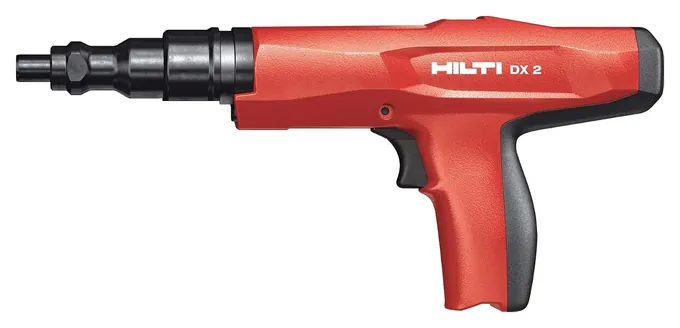
Eight powder-actuated tools compared, from hammer-fired single shots to magazine-fed nailers, by speed and power control. The Hilti DX 2 suits most contractors. When users buy our independently chosen editorial recommendations, we may earn commissions to help fund the Wiki.
The powder-actuated tools sold today are low-velocity designs: the cartridge drives a piston, and the piston drives the pin, so a fastener can't fly free like a bullet. They can still hurt you, and two states require an operator card. These tools suit remodelers, electricians and framers fastening wood or steel track to concrete and steel.


Editor's Notes
October 23, 2026, by Ezvid Wiki Editors:
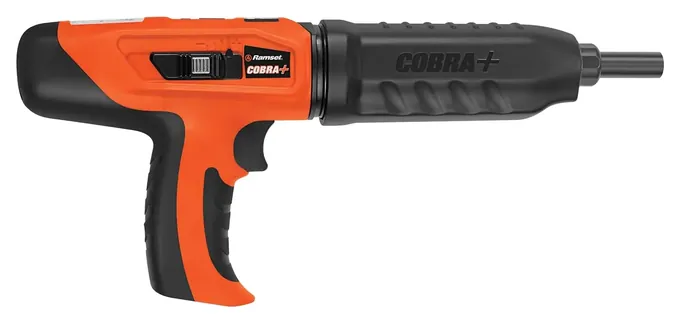
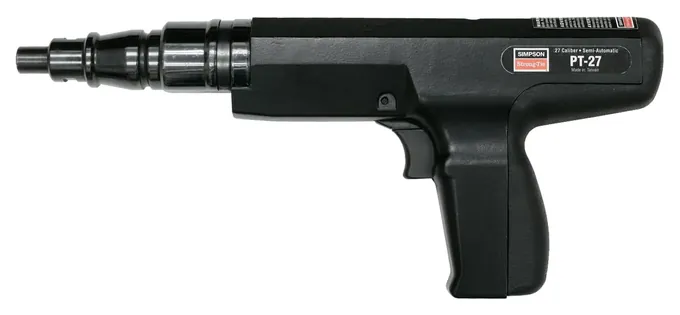
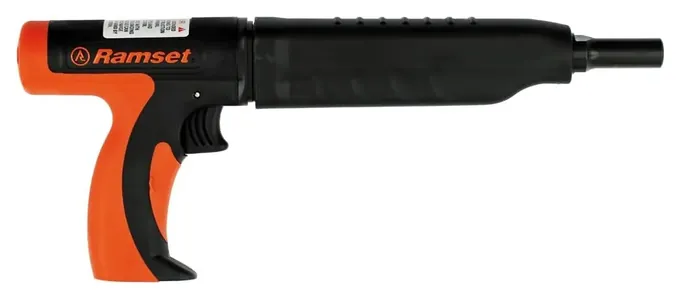
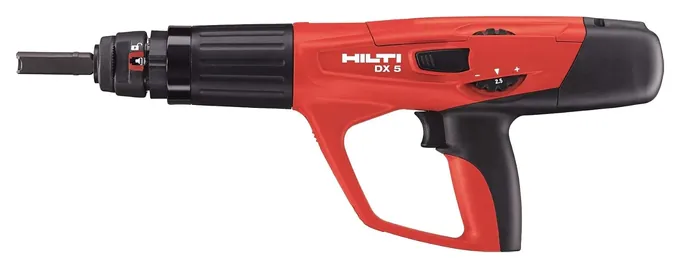
The Hilti DX 2 now leads the list. It's compact, fires from strips, and Hilti backs it with repair service and operator training, which many jobsites want to see. The Hilti DX 5 stays for crews who fasten all day, though at its current price it's a specialist's tool. The Ramset Cobra+, Simpson Strong-Tie PT-27 and Ramset MasterShot stay too.
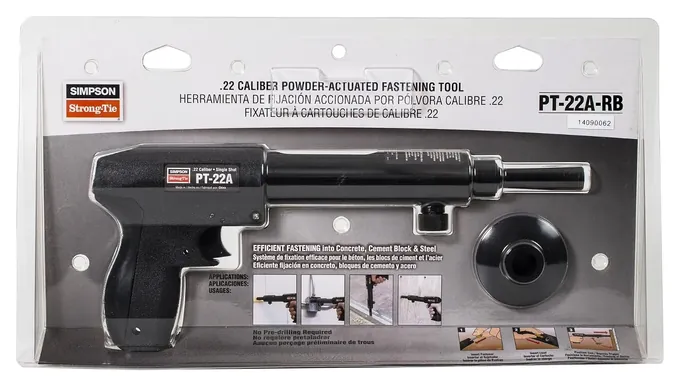
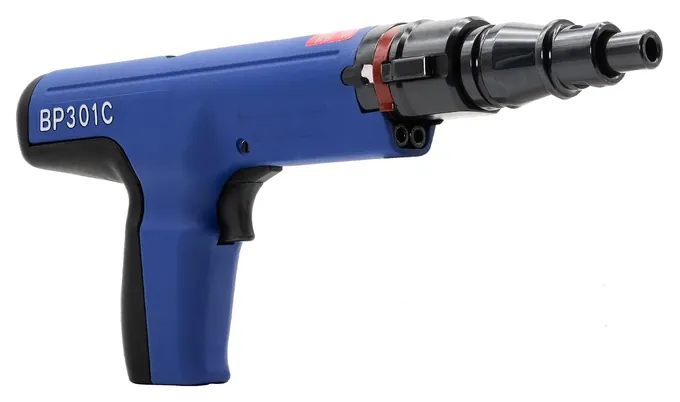
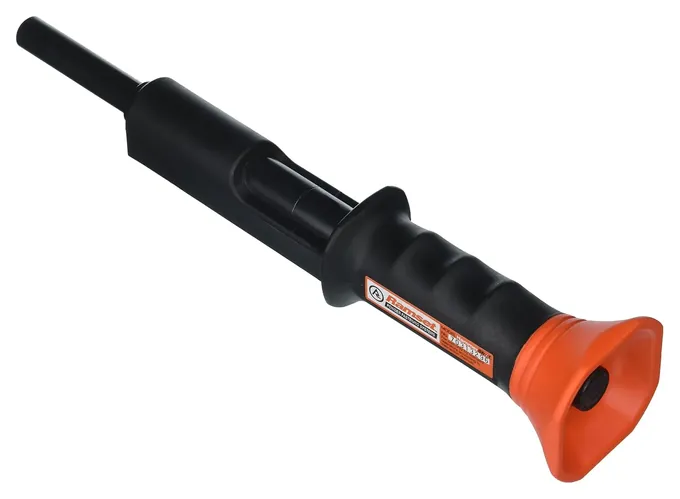
We dropped the Ramset XT540, which is now hard to find at a sensible price, and the Ramset TriggerShot and Simpson Strong-Tie Grip Shot, which are no longer offered. New picks are the Simpson Strong-Tie PT-22A, the Bluepoint BP-301C and the Ramset HammerShot for people who need only a handful of pins. A DeWalt strip tool almost made it, but the only offer we found was refurbished.
Independent testing of these tools is scarce: a trade magazine's long-term strip-tool test and a consumer roundup cover only part of this list. So we leaned on the makers' load charts, OSHA's powder-tool rules, California's and Washington's operator-card rules, and patterns in owner reports.
Earlier notes
September 7, 2020, by Will Rhoda:
It was a fairly straightforward round of updates, with the majority of our previous selections maintaining their positions, although we did decide on removing the PowerFasteners P2201, due to availability issues. We also decided to expand the category, which was previously focused on trigger-actuated, budget-friendly picks, and include a couple of new, top-end options. Our first new addition was the Ramset XT540, the most powerful option offered by the company, and one that can be made fully automatic with the additional purchase of an XTMAG fastener magazine. Our second new addition was the Hilti DX 5, which not only bests the XT540 by coming standard with a 10-fastener magazine assembly, but also blows Ramset’s three-year warranty out of the water with a 20-year limited warranty and two-year wear-and-tear coverage. On top of that, the DX 5 is part of a new generation of tools that feature app connectivity via Bluetooth, helping operators keep track of when to maintain and service the tool.
For users on a budget, aside from the app connectivity, the biggest difference between the Hilti DX 5 and Hilti DX 2, as well as the Ramset XT540 and Ramset Cobra+, is that the latter-mentioned models are semi-automatic tools, which, in the case of this category, means that their loads advance automatically as the tool is cycled, but their fasteners need to be loaded manually and individually. Compared to a fully automatic option, this is a hindrance, but in practice these are still powerful tools that most tradespeople will find serviceable for their needs.
If those tools are still looking a bit pricey for your budget, and you really rely on this gadget infrequently (maybe you only need it for a single renovation project), then the Ramset TriggerShot is an option I’d highly recommend. It certainly isn’t as efficient or ergonomic as many top-end options, but it is quite simple to operate, and often as effective as it needs to be. It can be managed with a single hand, which is an advantage when compared to many other low-end options, especially hammer-actuated models that we deemed of insufficient quality for this list. I’ve personally, single-handedly mounted several panelboards to concrete foundations with this tool and, while it might not be ideal, I certainly think it gets the job done.
As is the case with so many tools (and, perhaps sometimes more so with those that employ explosive loads), these machines can be dangerous if wielded improperly. Do your due diligence and properly familiarize yourself with the tool before getting to work with it, and don't forget to wear proper personal protective equipment.
May 27, 2019, by Will Rhoda:
A good powder-actuated tool can make an excellent addition to your collection. But like lots of tools, these devices can be dangerous if they're used improperly or without proper training. Powder-actuated tools in particular operate in a manner very similar to firearms, employing explosive charges to fire fasteners, and their misuse could most certainly lead to bodily harm.
In the interest of your safety, hammer-actuated selections were eliminated from this Wiki, as they require two-handed operation and the use of basic hand-eye coordination. Using these tools safely is absolutely possible, but a bit more difficult, and with several, reasonably-priced trigger-actuated models available, it seemed sensible to set the feature as a standard.
Multiple manufacturers for these devices offer certificate training for these tools online, and many regional health and safety authorities, such as the OSHA and ANSI, have made it mandatory for operators to achieve this credential prior to using the tool.
Before your bring one of these tools out to your next job site, make sure that you do your due diligence, familiarize yourself with the user manual and, if applicable, follow through and do whatever training is demanded of you by your local authorities.
Special Honors
Powder Actuated Tool Manufacturers' Institute The trade group for powder tool makers publishes a fastening manual that covers safe use, load levels and base materials. It's worth reading before a first job, and it explains why today's tools are low-velocity designs. patmi.org
Hammer, Trigger, Strip Or Magazine
Fully automatic tools such as the Hilti DX 5 add a magazine of collated nails and are meant for crews setting pins all day.
Powder-actuated tools come in four kinds, and the firing method decides how fast you work. A hammer tool, like the Ramset HammerShot, is a steel rod you load with a pin and a .22 load, then strike with a hammer. It costs little and has few parts, but it's slow and the shot can feel unpredictable. It's for a basement wall or a few shelf cleats.
A trigger single-shot tool, like the Ramset MasterShot or Simpson Strong-Tie PT-22A, fires one .22 load per pin when you press the nose firmly against the work and pull the trigger. Semi-automatic strip tools, like the Hilti DX 2, Ramset Cobra+ and Simpson Strong-Tie PT-27, feed .27 loads from a ten-shot plastic strip, so you only load a pin between shots. That's the class most remodelers and trades buy. Fully automatic tools such as the Hilti DX 5 add a magazine of collated nails and are meant for crews setting pins all day.
All of these are low-velocity, indirect tools: the load drives a piston, and the piston drives the pin. The old high-velocity tools that fired the pin directly left the market decades ago, according to the Powder Actuated Tool Manufacturers' Institute. For a broad consumer overview, BestReviews' guide covers the same classes.
Load Colors, Pins And Base Material
Loads are color-coded by power. Gray and brown are the weakest, green and yellow sit in the middle, and red and purple are the strongest. Start with the weakest load your tool accepts and step up one color at a time until the pin sits flush. If a pin sinks too deep or the head breaks through the wood, drop a level. Use the caliber, crimp and strip type your manual lists; many .27 strips fit several brands, but not every tool takes every strip.
The base material matters as much as the tool. Concrete should be at least three times as thick as the pin's penetration, and in concrete block you fasten into the mortar joints or solid cells, not the hollow face. Do a center-punch test first: if the punch barely marks the surface, the material is too hard, and if it sinks in easily, it's too soft. Never fire into glazed tile, cast iron, hardened steel or brittle stone, and stay back from edges, since the material can spall or the pin can glance off.
Pins come in lengths for wood plates, furring and steel track, plus threaded studs for hanging pipe and conduit. Check the maker's chart, such as Simpson Strong-Tie's or Hilti's, for the pin and load that match your base.
Training, Operator Cards And Daily Checks
Federal rules treat these as tools that only trained people should use. OSHA's construction standard, 29 CFR 1926.302(e), says only employees trained in the tool may operate it, the tool must be tested each day before loading, a defective tool must be taken out of service, and a tool shouldn't be loaded until just before use. OSHA has said the trainer doesn't have to be a maker's rep, and there is no federal card.
Some states go further. California's Title 8, section 1685 and Washington's WAC 296-807-15005 require a qualified operator's card from an authorized instructor. Many contractors, rental counters and job sites ask for a maker's card regardless, and Hilti and Ramset both offer the training.
Wear eye protection with side shields and hearing protection, keep both hands on the tool, hold it square to the work and keep everyone clear, including anyone on the other side of the wall. Store loads locked and away from children, never leave a tool loaded, and load the pin before the cartridge.
How we researched this
We compared 18 powder-actuated tools across hammer, trigger, strip and magazine types, read the makers' specs and load charts for the 8 picks, reviewed OSHA, California and Washington rules for operators, analyzed owner feedback, and checked each brand against the CPSC recall database. Updated October 23, 2026 by Ezvid Wiki Editors.
Sources (11)
- OSHA 29 CFR 1926.302(e): powder-actuated tools
- OSHA interpretation, March 10, 2006
- California Code of Regulations, Title 8, section 1685
- Washington WAC 296-807-15005
- BestReviews: best powder-actuated tools
- Powder Actuated Tool Manufacturers' Institute
- Hilti
- Ramset
- Simpson Strong-Tie
- Practical Machinist forum: powder-actuated tools, best value
- CPSC recall database
Frequently asked questions
What is a powder-actuated tool?
It's a fastening tool that uses a small blank cartridge, called a load, to drive a hardened steel pin or threaded stud into concrete, block or steel. People often call it a Ramset or a Hilti gun after the two best-known brands.
Ramset or Hilti: which is better?
Hilti tools, like the DX 2, are compact and come with Hilti's service and training. Ramset tools, like the Cobra+, cost less and add features such as a silencer and adjustable power. Both are well-supported brands, so the choice comes down to budget and how often you'll use it.
Do I need a license to use a powder-actuated tool?
Federal OSHA rules require training for workers but no federal card. California and Washington require a qualified operator's card, and many employers and rental counters ask for a maker's card anywhere.
What do the load colors mean?
They show power. Gray and brown are lowest, green and yellow are medium, and red and purple are highest. Start low and step up until the pin sits flush.
Can I use any brand of loads in my tool?
Often, if the caliber, crimp and strip style match, but follow the tool's manual. A load that fits but isn't approved can misfire or jam.