The 10 Best Protective Cups
Updated by · How we research

Ten athletic cups and groin guards for baseball, football, kids, boxing and MMA, compared by shell and fit. The McDavid FlexCup 3020 leads for most players. When users buy our independently chosen editorial choices, we may earn commissions to help fund the Wiki.
No safety standard covers athletic cups, so fit does most of the work: a cup that sits flush and stays put does its job, while one that shifts leaves gaps. This list is for parents buying a first cup, players in baseball, football and hockey, and fighters who need a groin guard for boxing, Muay Thai or grappling.
At a Glance
-
1
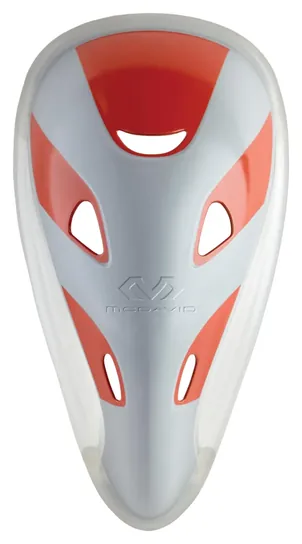
 McDavid FlexCup 3020
$10
-
2
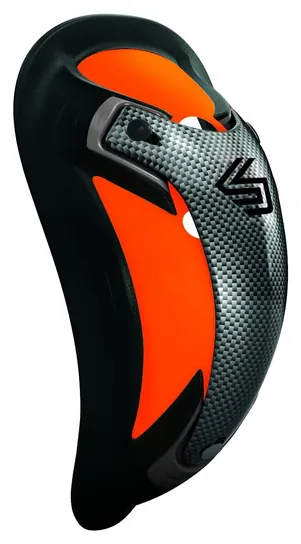
 Shock Doctor Ultra Carbon Flex
$12
-
3
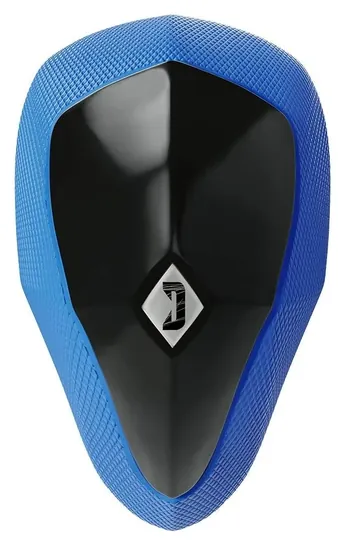
 Diamond MMA Athletic Cup
$39
-
4
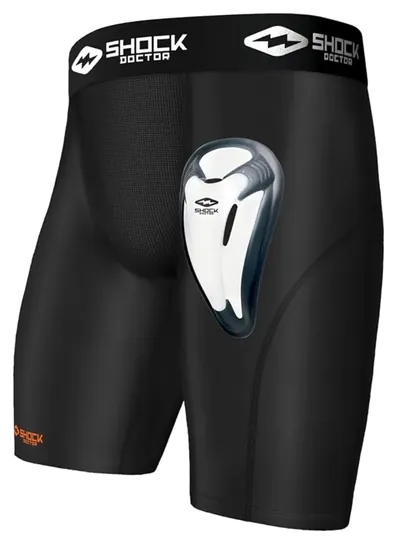
 Shock Doctor Bio-Flex Compression Shorts
$19
-
5
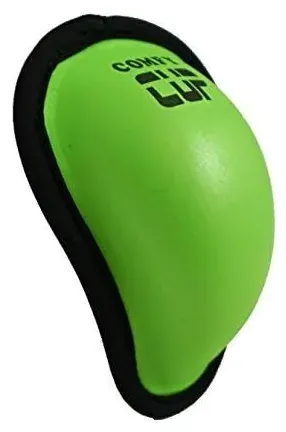
 Comfy Cup Youth
$14
-
6
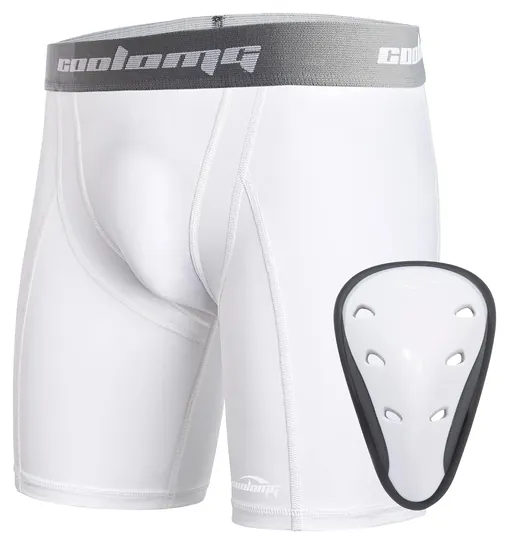
 COOLOMG Youth Compression Shorts
$17
-
7
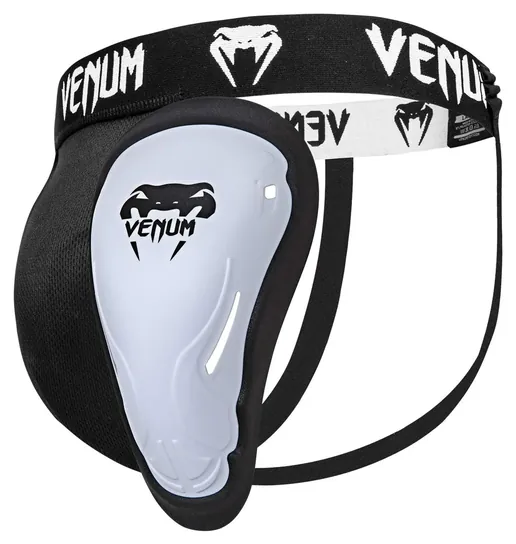
 Venum Challenger
$34
-
8
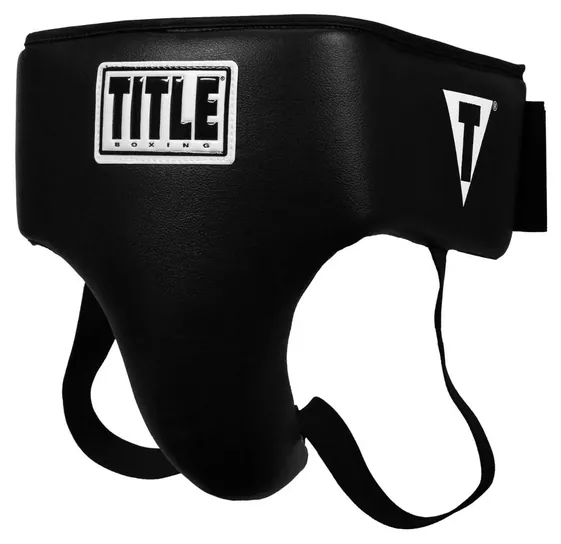
 Title Boxing Deluxe Plus 2.0
$24
-
9
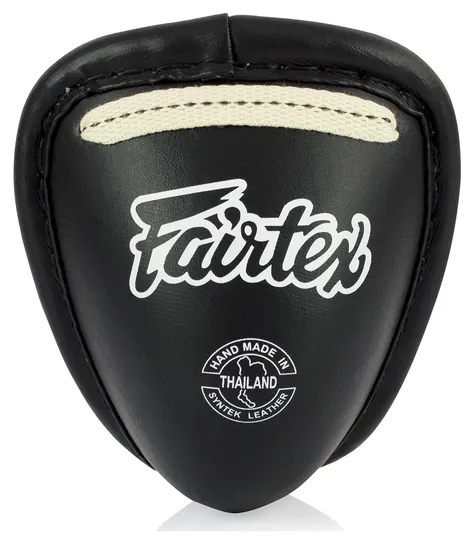
 Fairtex GC2
$54
-
10
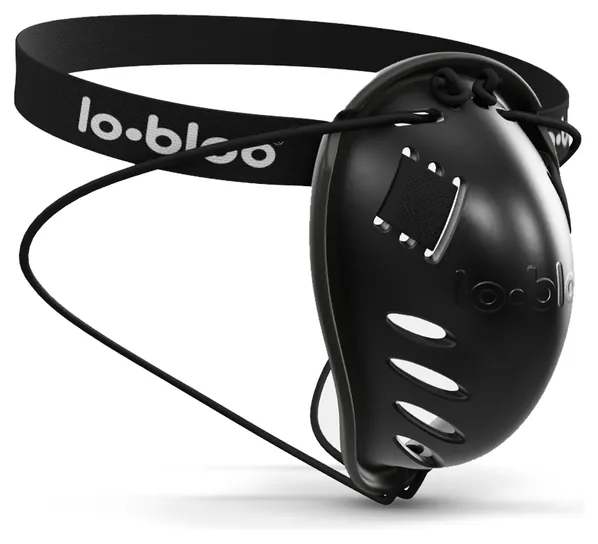
 lo-bloo Thai Cup 2.0
$49
Editor's Notes
November 1, 2026, by Ezvid Wiki Admin:
A plain, vented cup that costs little heads the list this time: the McDavid FlexCup 3020. It comes in sizes from peewee to adult, and it posted the best protection result in the one side-by-side cup comparison we could find. The Shock Doctor Ultra Carbon Flex and the Comfy Cup Youth stay. Most of the rest had to go: the old Diamond MMA shorts system, the Shock Doctor BioFlex and the McDavid Flex shorts have disappeared from sale, and lo-bloo's Aerofit gave way to its Thai Cup 2.0.
Many readers arrive looking for a cup for MMA, jiu-jitsu or boxing, so this version adds the Diamond MMA Athletic Cup, two boxing guards and two Thai-style cups, one of them steel. We found no safety standard or lab test for athletic cups, so the evidence here is makers' sizing charts and materials, a baseball gear maker's fitting guide, that single comparison, and the 2009 recall of Under Armour cups that could break when hit.
March 04, 2021:
It was a simple round of updates, with all of our previous picks maintaining their positions on the list, save for the low-ranking Mueller Adult Protective Flex Shield, which we phased out due to availability issues.
To replace the Protective Flex Shield, we added the Exxact Sports Foam Padding. This option caught our eye by being one of the only choices on the market that comes with two pairs of compression shorts, which means that (if you’re reasonably organized) you should never need to train without your cup because its shorts are busy being laundered. The shorts also have foam inserts stitched into their sides, affording martial artists a bit of protection from leg kicks (though, not a lot).
Despite all the good things I might have to say about this option, it must be noted that at the time of this writing it had very little in the way of available user reviews, which makes it very difficult for us to credibly rank it. However, it was my judgement that, given the extremely affordable price and the value offered by the second pair of shorts, some moderate quality concerns for this selection could be forgiven. It might not be the choice of professional athletes, but it could still be a favorable pick for budgeted hobbyists, so we included it at the bottom of our list, with a warning regarding its durability. We’ll monitor this option closely and determine whether it deserves to retain its spot after our next round of updates.
If martial arts is your game, we have other lists of protective equipment that you might be interested in, including categories for headgear and chest protectors.
July 09, 2019:
Comfort and fit. These are the two must-have traits for anyone shopping for a protective cup. Other features, such as ventilation and padding are nice-to-have bonuses. With a comfortable, well-fitting model, your movements are unrestricted and the cup can do its job without slipping out of place or pinching.
In this update, we paid close attention to those two essential traits and looked for models with stellar reputations. Removed one item due to concerns about its availability. Added the Shock Doctor BioFlex in one of our top slots as a good choice from a respected manufacturer, and for a very reasonable price.
Special Honors
Nutty Buddy Nutty Buddy sells its cups mainly through its own site. The design came from Mark Littell, a former major league pitcher, and it is shaped to sit closer to the body than a standard triangle cup, which the company says cuts down on pinching. Baseball players who can't get comfortable in a regular cup often try one. The line includes the Classic and Flex cups, plus jocks and compression shorts. nuttybuddy.com
Cleto Reyes Boxing Cleto Reyes, the Mexico City boxing brand best known for its handmade leather gloves, also makes leather foul protectors. Its larger models wrap far enough around the waist to help shield the kidneys, which suits fighters with heavy-handed sparring partners. They cost more than most gym gear and are sold through the brand and boxing specialty shops. cletoreyesboxing.com
Hard, Flexible, Foam Or Steel
Catchers, infielders, hockey players and lacrosse players face the hardest shots, so they want the stiffest shell that still fits.
Match the cup to how hard and how often you'll get hit. A rigid plastic shell with a soft edge is the standard for baseball, softball, football, lacrosse and hockey. Catchers, infielders, hockey players and lacrosse players face the hardest shots, so they want the stiffest shell that still fits. Outfielders and soccer players get hit less often and may care more about comfort.
Flexible cups use layered plastic or a stiff core inside a soft rim, so the edges give while the center stays hard. Diamond MMA describes its cup as a polycarbonate core with an elastomer rim, and Shock Doctor builds its Ultra and Bio-Flex cups with gel or soft edges for the same reason.
Soft foam cups such as the Comfy Cup are a way to get young beginners used to wearing protection, but foam is the lightest protection there is. In Bat Digest's comparison, the foam cup scored far below hard shells on protection while scoring high on comfort. Steel cups, laced on Thai style, are the traditional choice for Muay Thai, where knees and kicks land with real force. Boxers in sanctioned bouts usually wear a foul protector, a padded guard that also covers the lower belly.
Women and girls in contact sports need a pelvic protector, which is a different shape; a men's cup won't fit or protect properly.
Getting The Size And Fit Right
Size by waist and age, not by guesswork. The fitting guide from Bruce Bolt, a baseball gear maker, puts youth cups at about a 20 to 26 inch waist (roughly ages 7 to 12), teen cups at 26 to 32 inches (13 to 17), and adult cups at 32 inches and up. Makers' charts differ a little, and some brands run small, so check the chart for the exact cup you're buying.
A cup that fits sits flush against the body, covers everything without pressing on it, and doesn't pinch the thighs or ride up. Test it before game day: squat, run and drop into your sport's stance. If it shifts or digs in, try the next size or a different shape.
How you hold it in place matters as much as the cup. Compression shorts with a cup pocket keep the cup snug and centered, and most players now wear them instead of an old-style jockstrap. A supporter still works and is cheaper. Fighters often prefer cups built into a supporter or tied on, because a pocket can shift during grappling.
Care, Replacement And Safety
Wash the cup by hand with mild soap and water after use, and let it dry fully before it goes back in the bag. Compression shorts can usually go in the washing machine on a gentle cycle, but take the cup out first. Several makers, including COOLOMG, say the cup itself should be hand washed.
Replace a cup when it's cracked, dented or outgrown. Cracks matter: in 2009 the U.S. Consumer Product Safety Commission announced a recall of about 211,000 Under Armour athletic cups because they could break when hit. We checked the brands on this list against CPSC recall records and found no recalls.
There is no NOCSAE, ASTM or other safety standard for athletic cups that we could find, so protection claims are the makers' own. Wear the cup at every practice as well as in games, since many hits happen in practice. Kids should start once they face live pitching or hard-hit balls. After a hard hit, see a doctor right away if pain or swelling doesn't ease.
How we researched this
We compared 20 cups, cup-and-shorts sets and groin guards for team sports and combat sports, read makers' product pages, sizing charts and care notes, a baseball gear maker's fitting guide and the one side-by-side cup comparison we found, looked at owner feedback patterns, and checked every brand against U.S. Consumer Product Safety Commission recall records. We found no lab test or safety standard for athletic cups, so protection claims on this page are the makers' unless stated otherwise.
Frequently asked questions
How should a protective cup fit?
It should sit flush against the body and cover everything without pressing on it. It shouldn't pinch the thighs or ride up when you squat or run. Wear it in compression shorts with a cup pocket or a supporter so it stays centered.
Is a soft foam cup enough protection?
For young beginners in light-contact play, a foam cup is better than nothing and much easier to get a child to wear. It isn't built for hard direct hits, so move to a hard shell once a child faces live pitching, hard-hit balls or full contact.
When should kids start wearing a cup?
Bruce Bolt's baseball guide suggests starting once kids face live pitching or hard-hit balls, and wearing it at every practice, not only in games. Youth cups generally fit waists of about 20 to 26 inches.
Do football players wear cups?
Some do and many don't. Cups are common in baseball, hockey, lacrosse, cricket and combat sports. We found no league rule that requires one in football, so it comes down to position, age and the player's choice. Check your league's equipment rules.
What's the best cup for MMA or jiu-jitsu?
Grapplers want a cup with a soft rim that won't dig in when they're on their back, held by shorts or a supporter that won't shift. Strikers who take knees may prefer a steel cup or a slim cup on a harness.
How long does an athletic cup last?
No maker we checked gives a lifespan. Replace a cup when it's cracked, dented or no longer fits, and check it for cracks after any hard hit.