The 9 Best Roping Dummies
Updated by · How we research

Ground dummies, hay bale heads, calf trainers and kids' kits compared on realism, heel action and value. The Tough 1 Elite Collapsible suits most ropers. When users buy our independently chosen editorial selections, we may earn commissions to help fund the Wiki.
A plastic steer head on a hay bale is enough to learn a loop, but only a dummy with a body shows where that loop lands on horns or heels. Headers, heelers and calf ropers each need a different target, and many frames ship without a head at all. This list covers starter heads, full ground dummies and kids' sets.


Editor's Notes
October 23, 2026, by Ezvid Wiki Admin:
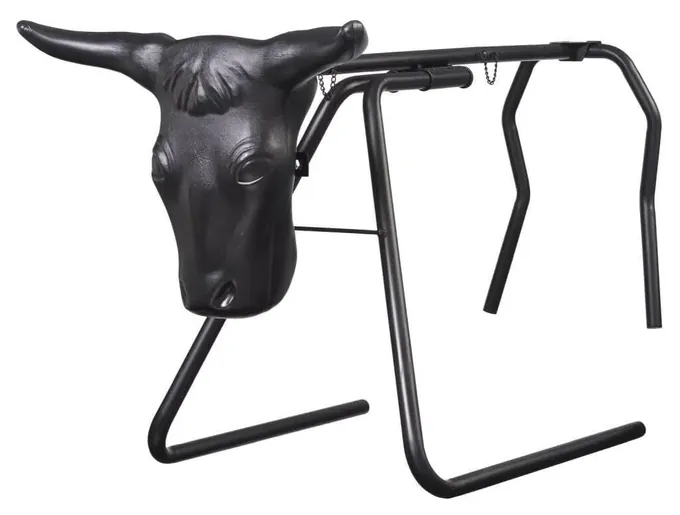
The Tough 1 Elite Collapsible takes the top spot because it's the rare frame that arrives with a head, and its hinged hind legs give heelers something to time. Too many dummy stands are sold bare, so a beginner opens the box and still can't rope.
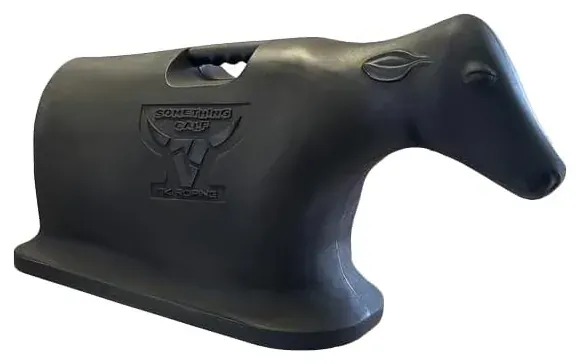
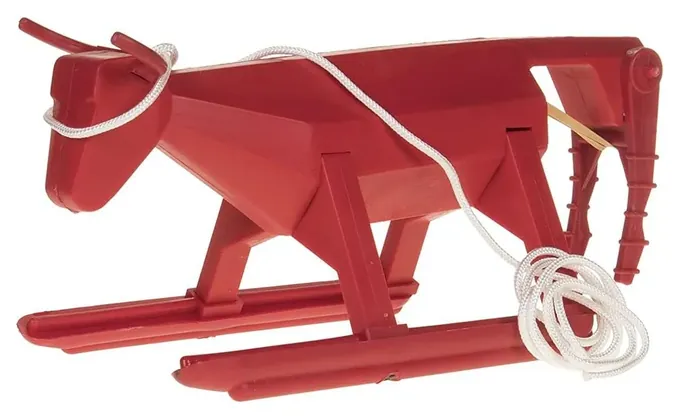
Most of the old list was gone. The Ropesmart Steer, AJ Tack Lariat Set, Southwestern Equine Heading and Heeling Stand, Apple Picker Steel and 44 Wild West Bonnie The Goat have all disappeared from sale. The Rope It Up Speed Steer had too little feedback to trust. The 7K Something Steer replaces the older Something dummy from the same maker, the Mustang Steer Head stays, and the Circle R Cowboy Toy carries on for kids. New picks cover calf ropers, heel timing and young beginners.
Nobody has published lab tests of roping dummies, so we leaned on makers' horn and frame specs, a rope shop's buying guide, the high school rodeo association's practice tips and what owners report about cracking, tipping and fit, and we checked each brand for recalls.
October 03, 2020:
When it comes to roping dummies, durability and functionality should be top priorities. Though it may not immediately seem like it, constantly hitting an item with a heavy lasso can actually cause a lot of wear and tear, and low-quality models will be prone to breaking somehow. This can be from cracking after getting knocked over one too many times, or perhaps from one of the horns breaking, or even simply from constant exposure to the elements.
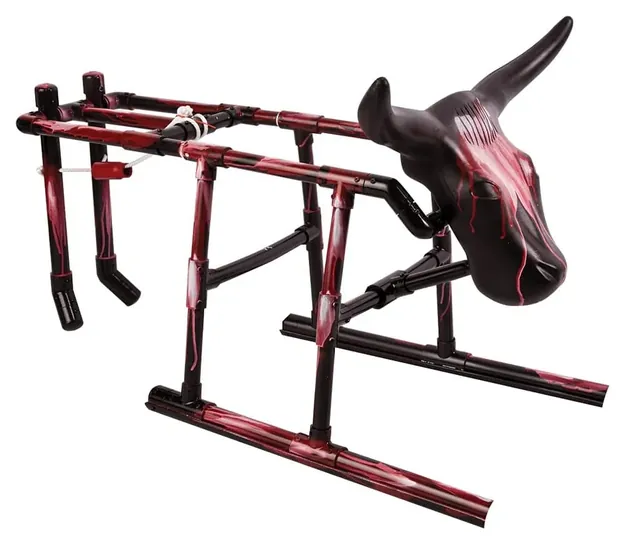
When it comes to functionality, we mean two things. It should have a life-size horn spread, unless it is intended for kids to practice on, in which case a small horn spread can be beneficial, and it should meet your needs. So, if you want to practice heading and heeling, you'll need to make sure to choose a model with legs, like the Apple Picker Steel.
An even better option for those who want to practice heeling is to choose a model with articulating rear limbs, such as the Ropesmart Steer and Southwestern Equine Heading and Heeling Stand, since these will have the most realistic action. The 44 Wild West Bonnie The Goat is another model with articulating legs that provide lifelike movement thanks to the inclusion of bungee cords that replicate the resistance you might experience when tying down an actual animal. This last model isn't designed for practicing heading or heeling, but solely for hog-tying.
If you prefer something with a realistic physical structure to a bull, as opposed to something like the Apple Picker Steel, which is just a bunch of pipes, the Something Dummy 7K and Rope It Up Speed Steer are both top choices. They both include two sets of horns and a horn wrap, but we slightly favor the Something Dummy 7K because it has a higher head and features slotted horn sockets that prevent them from twisting or falling off during practice.
Whichever model you decide to purchase in the end, you'll want to have a good pair of boots and a smart-looking hat to wear while you practice.
November 16, 2018:
Roping dummies must be able to stand up to constant wear from a lasso slipping over the horns, so we made sure to only include tough, well-built models. We also wanted to include a variety of units to suit both heading and heeling practice needs.
Special Honors
RopeSmart RopeSmart, based near San Antonio, sells its roping dummies, calf sleds and roping machines direct rather than on Amazon. Its Smart Heeler heeling dummy sets to three heights and five leg angles, so a heeler can practice the different lines a steer takes across the pen. Its sleds and machines suit ropers ready to practice from horseback. ropesmart.com
Heading, Heeling Or Calf: Pick The Target First
It can't teach heel timing, though, and it can't teach the horse.
Each roping event aims at a different part of the animal, so start there. A header ropes the horns, which calls for a steer head with a realistic horn spread and angle. A heeler ropes the hind feet, so a dummy with hinged or swinging back legs is what teaches timing. Calf and breakaway ropers throw at a neck with no horns, and a calf-shaped head and neck matters more than anything else. The buying guide from Roping Supply makes the same point: each discipline wants its own design, and adjustable height or neck angle lets you practice more than one shot.
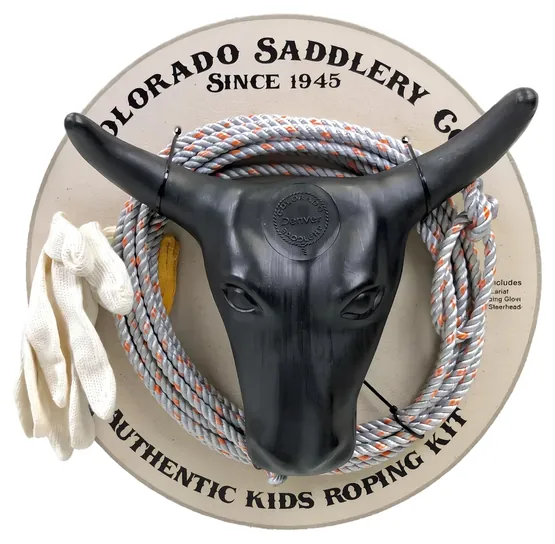
Beginners and kids can start with a head on a hay bale. It costs the least and teaches loop size and delivery. It can't teach heel timing, though, and it can't teach the horse. The National High School Rodeo Association calls the dummy the best way to get a feel for the rope, and also warns that bad habits can form on any dummy, so stay disciplined about form.
Head On A Bale, Frame Or Solid Body
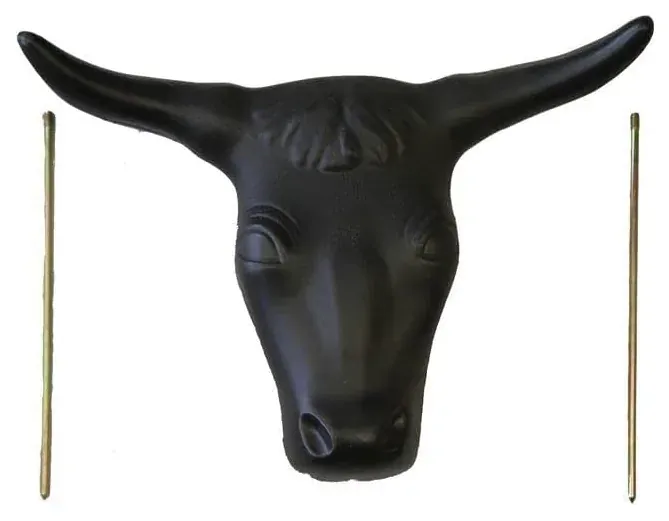
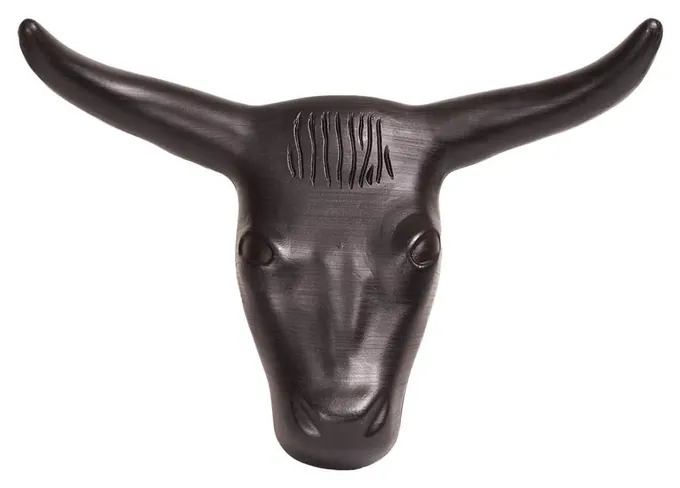
There are three common builds. A molded steer head with steel spikes pushes into a hay or straw bale. It's light and cheap, but AJ Tack says its head is meant for bales only and may not fit metal stands or sleds, so check fit before you buy a head for a frame.
A collapsible frame of steel or metal tube carries a head and adds hinged hind legs for heelers. Watch for the stand-only trap: several frames ship without a head, and some need ground stakes bought separately. The Tough 1 Elite includes a plastic head with bale rods, which is why it's a sensible first frame.
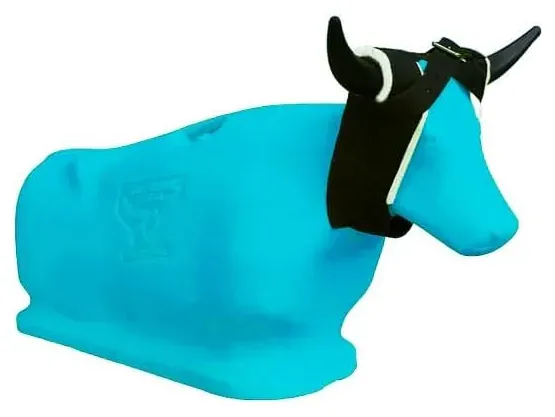
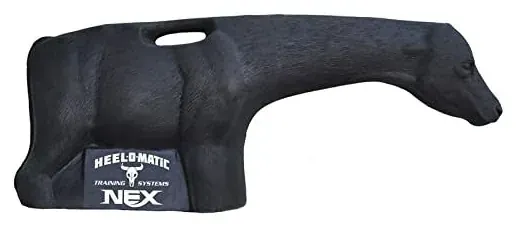
Solid bodies molded from heavy polyethylene, like those from 7K Roping, sit low on a flanged base, resist sun fade and drop into a sled for horseback work. They weigh much more and cost several times as much as a head. Above them sit sleds and roping machines, such as the RopeSmart line, which a rope shop guide notes are bulky to haul.
Practice Habits, Safety And Care
Rope with a partner when you can. The rodeo association's tips say a partner makes practice safer and gives a fresh eye on your swing, and a phone video shows what you can't feel. Wear gloves, keep small children well back from a swinging loop, and stand clear of the rope tail when a loop comes tight.
Check bale spikes before each session, because a loose head can pop out when a loop pulls. Plastic heads and horns wear where the rope rubs, and UV-stable polyethylene holds up best outdoors. Store frames folded and dry, tighten bolts on hinged legs now and then, and replace a cracked horn rather than taping it. A U.S. Consumer Product Safety Commission recall search turned up no recalls for any brand on this list.
How we researched this
We compared 22 roping dummies and heads, from hay bale heads to solid calf and steer bodies, read makers' descriptions, specs and dimension charts, a roping shop's buying guide and the National High School Rodeo Association's practice tips, studied patterns in owner feedback, and checked every brand for recalls with the U.S. Consumer Product Safety Commission.
Frequently asked questions
What is the best roping dummy for beginners?
A steer head on a hay bale is the cheapest start and teaches loop size. A frame with a head and hinged hind legs, like the Tough 1 Elite Collapsible, adds heel practice for not much more.
What's the difference between a heading and a heeling dummy?
A heading dummy has a steer head with realistic horns for the header's loop. A heeling dummy has hind legs that hinge or swing, so a heeler can practice timing a loop under the feet.
Will a hay bale steer head fit a metal stand?
Not always. Some heads are made for bales only. Mustang says its steer head works on a bale or a stand, while AJ Tack says its head may not fit stands or sleds.
Do I need a roping sled?
Only if you want to rope from horseback. A sled lets someone pull a dummy behind a four-wheeler or another horse. For ground practice, a dummy on its own is enough.
Is a roping dummy the same as a 'toro para lazar'?
Yes. Spanish speakers often call a roping dummy a toro para practicar lazo or a dummy para lazar. The same choices apply: a head for a bale, a frame with legs, or a solid calf or steer body.