The 10 Best Safari Hats
Updated by · How we research

Brim width, a tight weave and a chin cord decide how well a hat works on safari. The Tilley LTM6 Airflo leads 10 hats compared, from boonies to a pith helmet. When users buy our independently chosen editorial recommendations, we may earn commissions to help fund the Wiki.
The Skin Cancer Foundation's rule for a sun hat is a brim of at least three inches and a tight weave, since loose straw and open mesh let UV through. That counts on a game drive, a long hike or a day on the water. This list runs from soft boonies and neck-flap hats to cotton classics and a rigid pith helmet.
At a Glance


Editor's Notes
October 27, 2026, by Ezvid Wiki Editors:
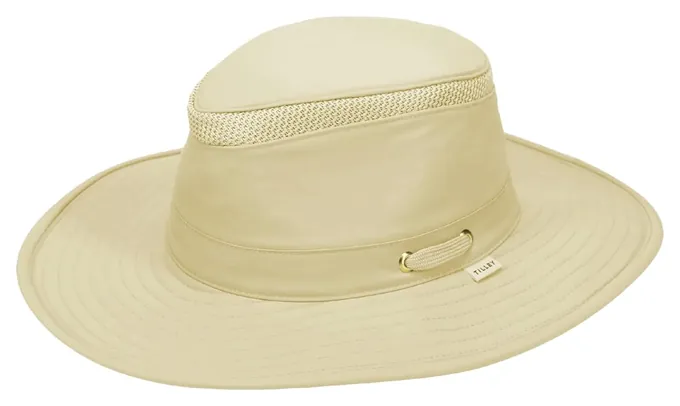
The Tilley LTM6 Airflo keeps the top spot. Its nylon shell is tough, it floats, and its wind cord holds it on in an open vehicle, which is the job on a real safari. Just order a size up.
Five earlier picks had no current offer to point you to: the Sunday Afternoons Ultra-Adventure, Henschel Waxed Cowhide, Columbia Bora Bora II, Stetson Gable All-Weather and Kavu Chillba. The Sunday Afternoons hat is still made, so it moves to special honors. We also dropped the generic Rothco Boonie and Tirrinia Wide Brim, and the Funny Party Hats Helmet, which is a costume. The Outdoor Research Sun Runner stays for anyone who'd rather wear a cap with a cape.
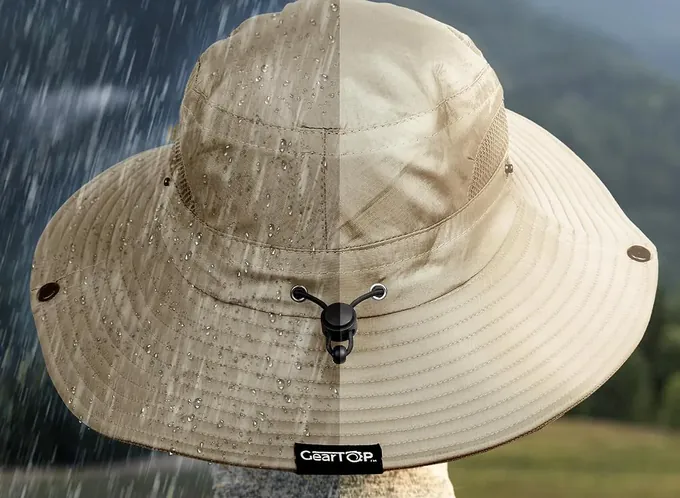
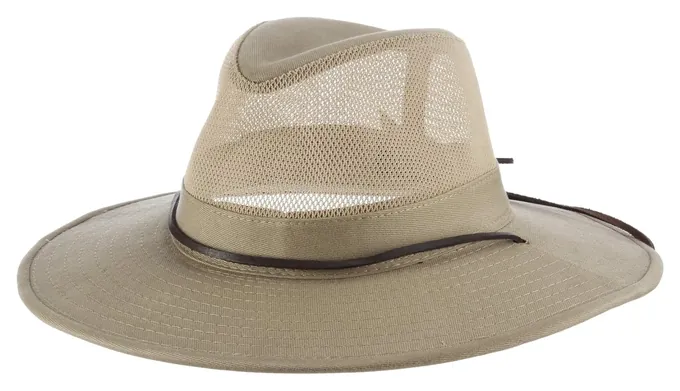
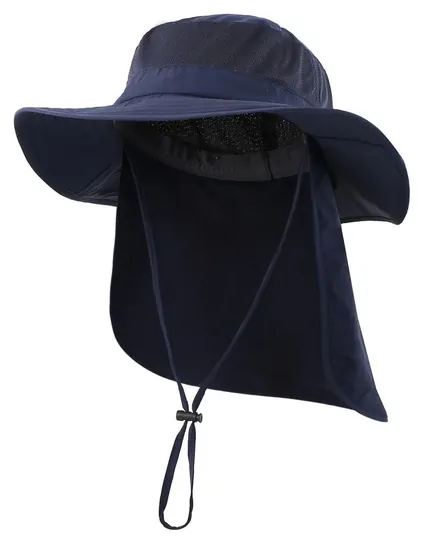
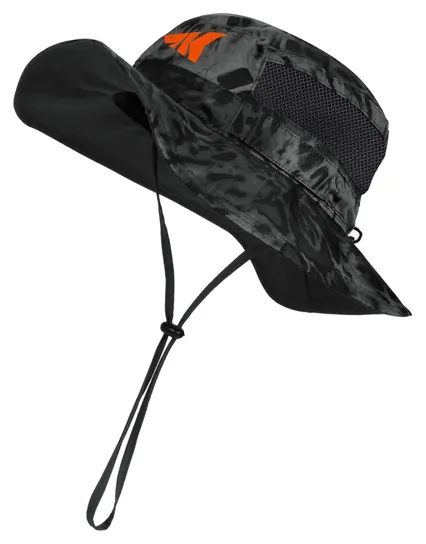
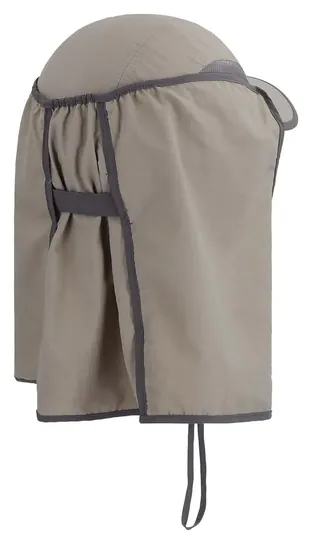
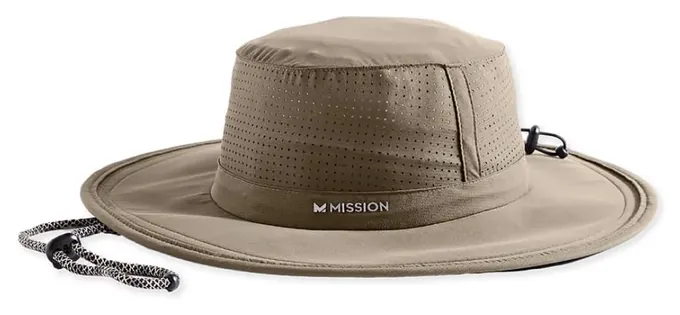
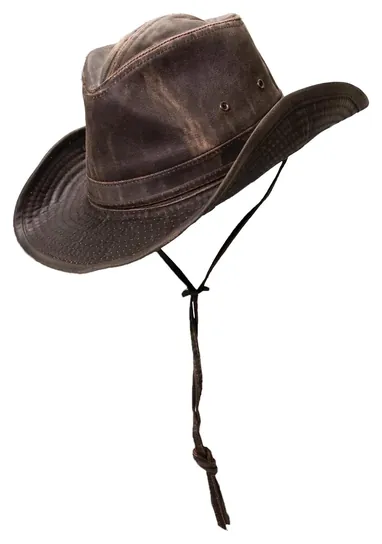
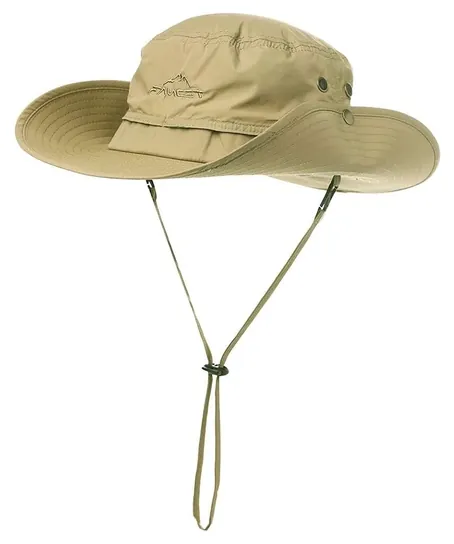
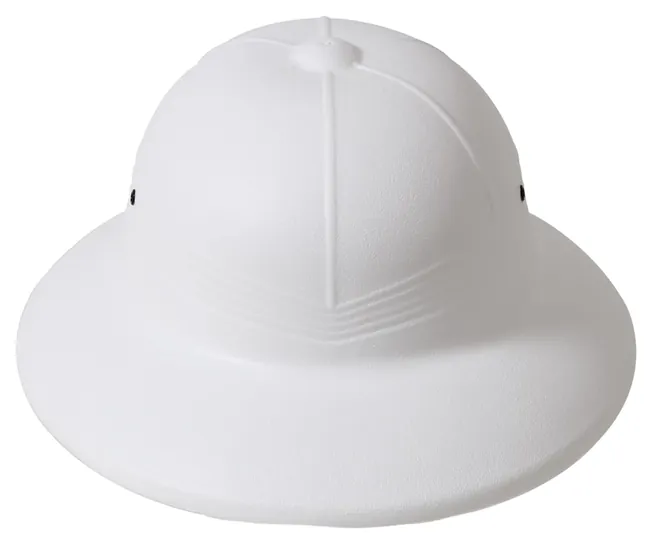
New picks include the GearTOP Safari for tight budgets, the Dorfman Pacific Twill Safari for the classic look, the Home Prefer Neck Flap, the Mission Cooling Boonie and a real Rothco Pith Helmet. The firmest evidence here was a trail roundup that measured brim width and weight hat by hat and noted which brims flipped in wind, set against the Skin Cancer Foundation's advice on brims and weave.
Earlier notes
June 13, 2019, by Melissa Harr:
Many people are tempted to grab a baseball cap for their outdoor activities and call it a day, but if you are, indeed, going on safari or will be outside for an extended period of time, we think these protective hats are much more useful. That's because we've looked for options that guard you from the sun, so you can comfortably stay outside longer. Currently, the Tilley LTM6 Airflo is the one to beat, and in fact, you may already be familiar with the brand. Based in Canada, Tilley is an extremely popular hat maker, and their LTM6 is a classic bestseller. It's not cheap, but it comes with a lifetime guarantee, so you can plan on wearing it for a long time to come. Also, it's aimed at men, but plenty of women wear them, too.
If you don't like the look of the Tilley for whatever reason, then you might consider the Sunday Afternoons Ultra-Adventure or the Outdoor Research Sun Runner. These will keep the sun out of your eyes and off your neck, and they come in several colors. Perhaps most importantly, though, neither is overly large or hard to pack, so they're fine for your carry-on or checked bag. The Rothco Boonie Hat is a good option for the same reasons, but it doesn't seem to be as durable, so plan to treat it gently.
Special Honors
Solbari Trekker Sun Hat Clever Hiker picked the Solbari Trekker as its best sun hat overall. It has a downturned brim, a neck cape that stays down in wind, a removable chin strap and a UPF 50 nylon shell. It folds only in half, it's heavier than most, and the sizes are far apart. Solbari, an Australian sun-protection brand, sells it on its own site. solbari.com
Sunday Afternoons Ultra Adventure The Ultra Adventure was on this list before, and Clever Hiker still rates it highly. It's one of the lightest sun hats with a full brim and neck cape, it floats, and it packs down small. It runs large, and the flap can flip up in strong gusts. Sunday Afternoons sells it directly and through outdoor stores. sundayafternoons.com
Brim, Weave And What UPF Means
The bigger difference is usually coverage: ears and the back of the neck burn first, so a neck flap or cape helps on long days in open country.
A hat only protects what it shades. The Skin Cancer Foundation suggests a brim of at least three inches all the way around and a tightly woven fabric. Loose straw and open weaves let UV through, and fabric that's wet or stretched protects less than it does dry. The CDC also recommends a wide-brim hat that shades the face, ears and back of the neck, which a ball cap doesn't.
UPF is a fabric rating. A UPF 50 fabric lets about one-fiftieth of UV through, roughly 2 percent, and UPF 40 lets through about 2.5 percent. Both are good. The bigger difference is usually coverage: ears and the back of the neck burn first, so a neck flap or cape helps on long days in open country.
Mesh vents are a trade-off. They let heat out of the crown, but loosely woven mesh can let UV through, Clever Hiker points out, and that matters if your hair is thin. Sunscreen on the scalp or a hat with a solid top solves it.
Wind, Heat And Staying On Your Head
Safari game drives often run in open vehicles, and a hat that blows off at speed is gone. A chin strap or a wind cord fixes that, and it's worth having on a boat or a ridge as well. Soft brims can fold back in a gust: in Clever Hiker's roundup, one popular boonie's brim flipped up in wind of about 15 miles per hour, while a stiffer budget brim stayed put. Capes and neck flaps can swing around in wind too, leaving the neck bare.
For heat, look for mesh panels high on the crown and a wicking sweatband. Wet-to-cool fabrics work by evaporation, the way a damp cloth does, so they do the most in dry heat and much less in sticky, humid air. Cotton twill looks traditional and feels soft, but it's heavier and slower to dry than nylon or polyester.
A pith helmet shades well and its vents move air, but it's rigid and bulky in a bag. It's also not rated for impact, so it isn't a substitute for a bike or climbing helmet.
Color, Fit And Care
On safari, neutral colors such as khaki, stone and olive blend in with the bush and hide dust. Safari outfitter Sun Hats advises skipping white and bright colors, which stand out to wildlife and show dirt fast. Darker fabrics block a bit more UV but soak up more heat.
Measure around your head where a hat sits, just above the ears and across the forehead, and check each maker's chart. Sizing isn't consistent: Clever Hiker found the Tilley runs small and the Sunday Afternoons Ultra Adventure runs large. Many budget hats are one size with a drawcord, fitting heads of about 22 to 24 inches, so people with larger heads should look for a hat sold in extended sizes.
Most nylon and polyester hats can be hand washed in cool water and air dried. Keep them away from a hot dryer, which can warp a brim. A cotton hat can shrink, so follow the label, and reshape the brim while it's damp.
How we researched this
We compared 22 safari hats, boonies, neck-flap hats and caps, read the makers' fabric, UPF and fit specs, and weighed them against a sun hat roundup in which Clever Hiker wore each hat on the trail and the sun-safety advice of the Skin Cancer Foundation and the CDC. Only a few of these hats have independent test results; for the rest we relied on makers' specs and long sales records. We checked every brand for recalls with the U.S. Consumer Product Safety Commission and found none for hats.
Frequently asked questions
What color safari hat is best?
Khaki, stone or olive. Neutral colors blend in with the bush and hide dust, while white and bright colors stand out and show dirt quickly. Darker colors block a little more UV but feel warmer.
Does a UPF 50 hat block all UV?
No. UPF 50 fabric lets about 2 percent of UV through. It protects less when it's wet or stretched, and the brim can't shade everything, so use sunscreen on exposed skin too.
Do I need a chin strap on a safari hat?
Yes, if you'll ride in an open vehicle or a boat. Wind at speed lifts brims easily, and a strap or wind cord keeps the hat from blowing away.
Is a mesh crown safe in strong sun?
Tight mesh is fine for most people. Loosely woven mesh can let some UV reach the scalp, which matters most if your hair is thin. Sunscreen on the scalp or a solid-topped hat helps.
How do I find my hat size?
Wrap a soft tape around your head just above the ears and across the forehead, then match it to the maker's chart. Tilley hats run small, so many people order a size up.
Is a pith helmet a protective helmet?
No. A pith helmet is a sun hat with a rigid shell and vents. It isn't rated for impact, so it won't protect your head in a fall or crash.