The 9 Best SD Cards For 8K Video
Updated by · How we research

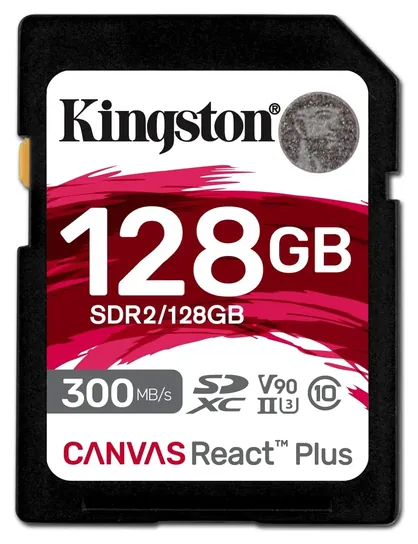
V90 SD cards promise steady 90 MB/s writes, enough for compressed 8K. Fast in independent tests and cheaper than most, the Kingston Canvas React Plus leads. When users buy our independently chosen editorial picks, we may earn commissions to help fund the Wiki.
Cameras that shoot 8K RAW usually need CFexpress cards, while SD cards handle compressed 8K. In mirrorless cameras with an SD slot, look for full-size cards marked V90, which keep writing without a pause. MicroSD suits 360 and action cameras, whose bitrates run far lower. Either way, 8K fills cards fast.


Editor's Notes
October 18, 2026, by Ezvid Wiki Admin:
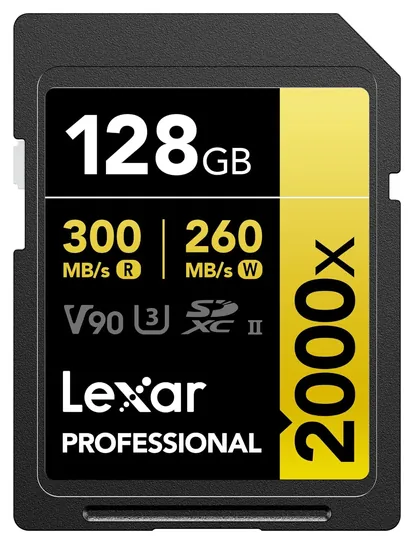
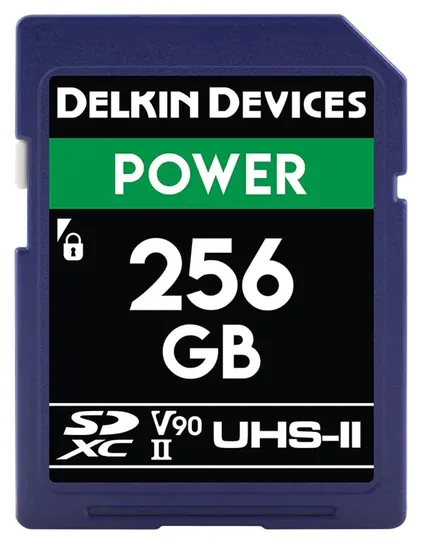
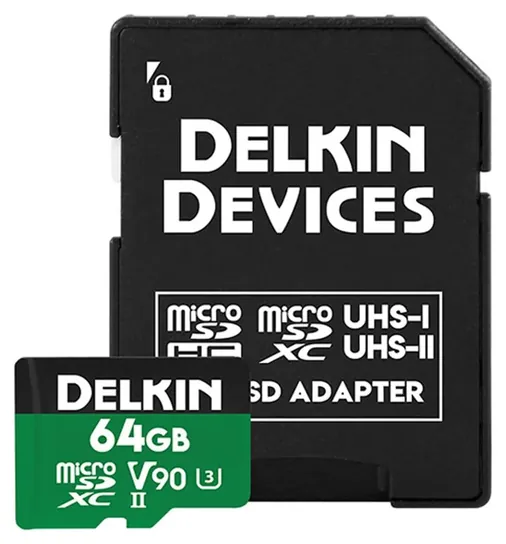
Independent bench numbers now back the Kingston Canvas React Plus, which stays on top. Two picks from the 2021 list had to go. The Silicon Power Superior Pro microSD is no longer available, and the Kodak Ultra Pro listing contradicts itself on write speed, so we couldn't vouch for it. The ProGrade Digital V90 Iridium, Lexar Professional 2000x and Delkin Power stay too.
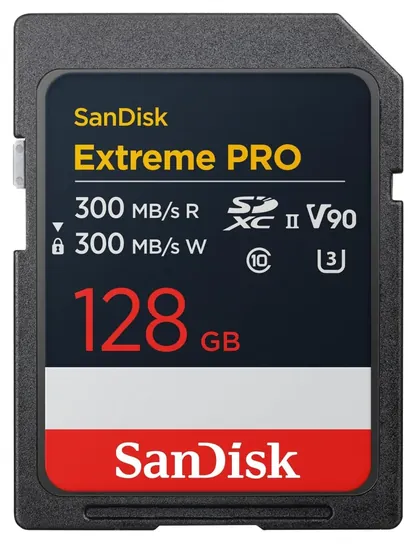
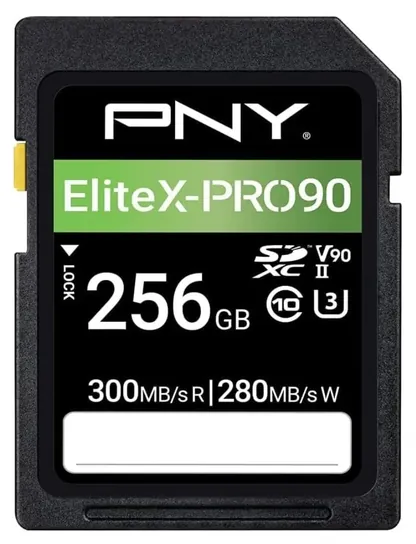
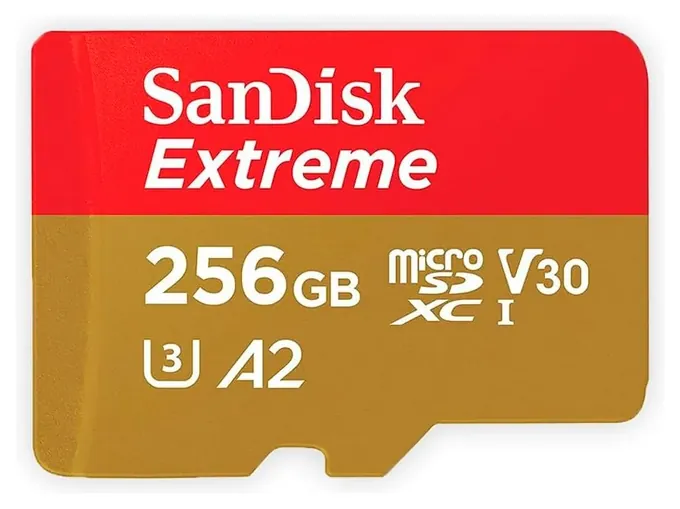
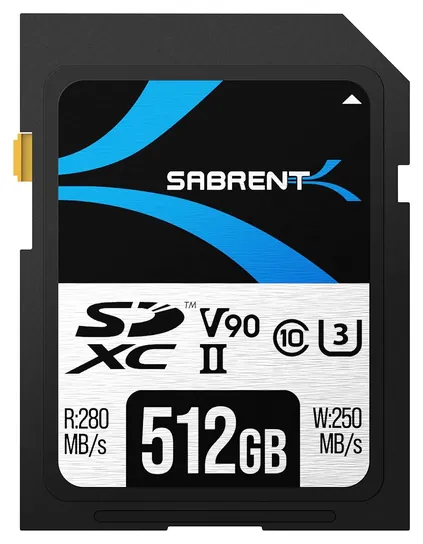
New picks include the SanDisk Extreme PRO V90, the PNY EliteX-PRO90 and a 512GB Sabrent Rocket V90 for long takes, plus two microSD cards for 360 and action cameras. Watch the SanDisk name: there's a V60 card called Extreme PRO too.
One honest note. SD cards cover compressed 8K, not every 8K mode. Cameras that shoot 8K RAW to CFexpress need CFexpress cards, and we say so in the guide below. We leaned on one independent speed test, makers' 8K guides and recall checks, since most maker pages and forums were out of reach.
February 05, 2021:
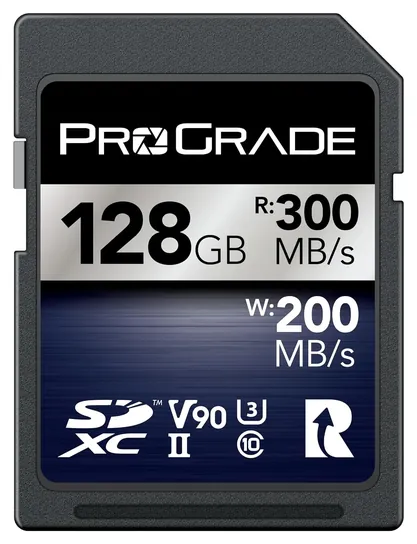
If you're working with an actual camera, a full-size option like the Lexar 2000X or especially the ProGrade Digital V90 will be a good choice, and if you're on a budget, the Kodak Ultra Pro should also suffice. Videographers who insist on the best might consider the Delkin Power, which is purpose-built for DSLR usage. On the other hand, if you own a modern smartphone capable of 8K recording, the Silicon Power Superior Pro is a moderately priced choice that will almost certainly suffice.
At the top of the pack, though, you'll see the Kingston Canvas React Plus, which comes in full-size and microSD versions, and basically leads the pack in real-world sequential read tasks. We also want to point out that every one of these models is rated V90 - you might be able to get away with using a V60 card, but as it starts to fill up you could see significantly reduced speeds, so we wouldn't necessarily recommend it.
January 09, 2019:
It's not too difficult to find appropriate storage for still photos, even with high-speed burst modes, and 4K recording is also easier to accommodate than ever. When you approach 8K, however, you'll need to pay attention to not just the manufacturer's claims, but also the card's abilities, as tested in the real world. As far as hands-on testing goes, the ProGrade Digital V90 and Toshiba Exceria stand above the rest, with the Lexar 2000X a close third. Speaking of Lexar, their microSD variety blows away much of its tiny brethren, and unlike them, writes at over 100MBps. The SanDisk is one of the most popular lines ever, though it is a bit more expensive than others of similar capacity, and the same can be said for the Sony SF-G. If you've spent all your cash on the camera itself, consider the lower-end ProGrade Digital, which should just barely handle 8K streams, but is half the price of most other options.
Special Honors
Angelbird Angelbird, an Austrian maker of memory cards for film and photo work, sells V90 SD cards alongside CFexpress cards for cameras that record 8K RAW. Its V90 card tested about 257 MB/s write in Alik Griffin's bench tests. It's a good place to start if your camera records RAW to one slot and compressed video to the other. angelbird.com
OWC OWC sells its Atlas Ultra V90 SD cards and CFexpress cards direct, along with readers. The Atlas Ultra tested about 270 MB/s write in Alik Griffin's bench tests, near the top of his V90 results. Worth a look if you want cards and a fast reader from one maker. owc.com
Match The Card To Your Bitrate, Not The 8K Label
A 128GB card holds about 36 minutes, a 256GB card about 73 and a 512GB card about two and a half hours.
Resolution alone doesn't tell you what card you need. Bitrate does. ProGrade's guide to 4K and 8K cards gives the Canon EOS R5's 8K 30p IPB mode at about 470 Mbps. Divide by eight and you get about 59 MB/s, and with a safety margin that becomes about 70 MB/s, which is why that mode calls for a V90 card. The same guide puts 4K 60p IPB at 340 Mbps, a V60 job.
The Video Speed Class number is a floor: V30, V60 and V90 promise at least 30, 60 and 90 MB/s of sustained writing. A card's headline speed is a peak, so look for the V mark, then check your camera's manual for the class it asks for in its highest mode. For variable bitrates, size the card for the peak, not the average.
Storage adds up quickly. At 470 Mbps, 30 minutes of 8K uses about 103 GB, roughly 3.5 GB a minute or 210 GB an hour. A 128GB card holds about 36 minutes, a 256GB card about 73 and a 512GB card about two and a half hours. Lexar suggests 512GB to 2TB for long 8K work.
When SD Isn't Enough: CFexpress And 8K RAW
UHS-II SD tops out at about 312 MB/s on the bus, and real cards write a bit below that. That covers compressed 8K easily, but not every 8K mode. Lexar's 8K guide says 8K RAW wants 500 MB/s or more sustained, and over 1,000 MB/s for uncompressed formats, and it calls CFexpress Type B the standard for that work, with cards certified VPG 400.
So check where your camera records its top modes. Many bodies with both an SD slot and a CFexpress slot save RAW video only to CFexpress, and the SD slot handles compressed formats or backup copies. If your camera has only SD slots, a V90 card is the right buy. If it has a CFexpress slot and you shoot RAW, no SD card will fill that role.
The bus matters too. A UHS-II card in a UHS-I slot runs at UHS-I speeds, up to 104 MB/s, which can drop it below V90 behavior. The same goes for offloading: use a UHS-II reader or the card's read speed is wasted (ProGrade).
Tested Speed, Fake Cards And Card Care
Rated speeds come from the makers. Alik Griffin's memory card tests, run on a UHS-II reader with AJA System Test, found most reputable V90 cards within about 20 MB/s of each other on write, with the PNY EliteX-PRO90, Kingston Canvas React Plus and SanDisk Extreme PRO V90 near the top and the 128GB ProGrade card lower at about 195 MB/s. Every one of them clears the 90 MB/s floor, so price, capacity and warranty can fairly decide the rest. He also points out that readers and cables change results.
Fake and fake-capacity cards are a real risk, especially at very low prices. Buy from the maker's store or a well-known seller, then run a full-capacity check such as H2testw or F3 before trusting a new card with a shoot.
Format each card in the camera you'll use, not on a computer, before a shoot. Flash memory wears, so offload and back up footage before reusing a card. Keep loose microSD cards away from small children, since they are small enough to swallow.
How we researched this
We compared 15 SD and microSD cards, including V60 cards we left out because they can't hold high 8K bitrates. We read makers' specs and their 8K guides from Lexar and ProGrade, used one independent bench test (Alik Griffin's) for write speeds, screened owner feedback, and checked every brand for recalls with the U.S. Consumer Product Safety Commission.
Frequently asked questions
What SD card do I need for 8K video?
For compressed 8K on a mirrorless camera with an SD slot, a UHS-II card rated V90. Check your camera's manual for the class its highest mode needs. Many 8K 360 and action cameras use microSD and ask for V30 or faster.
Is a V60 card enough for 8K?
Usually not. Canon's 8K 30p IPB mode runs about 470 Mbps, roughly 59 MB/s before any margin, so the guides point to V90. V60 cards suit most 4K modes.
Do I need CFexpress for 8K?
For 8K RAW, usually yes. RAW needs 500 MB/s or more sustained, beyond what UHS-II SD can deliver. Many cameras record RAW only to their CFexpress slot.
Can a microSD card record 8K video?
Yes, in cameras built for it, such as many 360 and action cameras. Use the class the maker lists. A V90 UHS-II microSD only reaches full speed in a UHS-II slot.
How much storage does 8K video use?
At 470 Mbps, about 3.5 GB a minute, or around 210 GB an hour. A 128GB card holds about 36 minutes. Lower-bitrate modes use less.
Why is my UHS-II card slow?
It's probably in a UHS-I slot or reader, which caps speed at about 104 MB/s. Use a UHS-II camera slot and a UHS-II reader to get the rated speeds.