The 9 Best Sociology Textbooks
Updated by · How we research

Nine intro sociology texts compared by edition, approach and price, from the free OpenStax Introduction to Sociology, our top pick, to Giddens and Ritzer. When users buy our independently chosen editorial selections, we may earn commissions to help fund the Wiki.
The edition number matters more than the title when you buy a sociology textbook. Publishers revise the big intro texts every two or three years, and a course's online homework is tied to one edition. A free, peer-reviewed text covers the same ground for anyone studying alone. This list serves students buying for a class and curious readers starting out.
At a Glance


Editor's Notes
November 16, 2026, by Ezvid Wiki Editors:
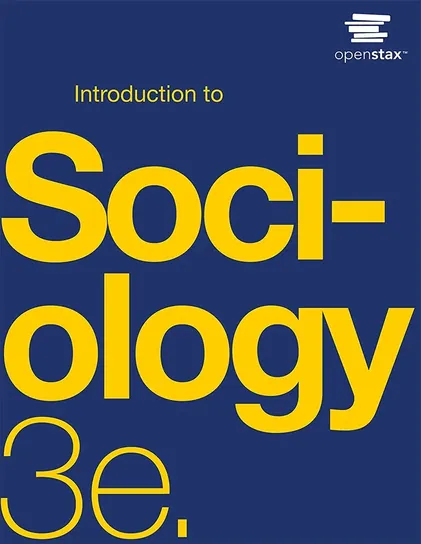
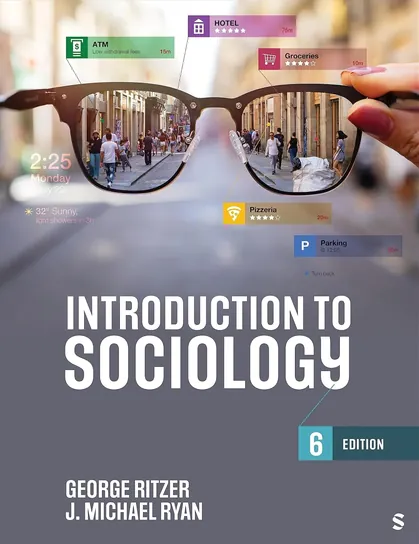
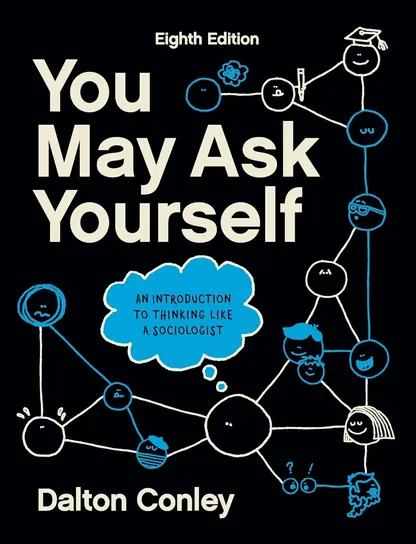
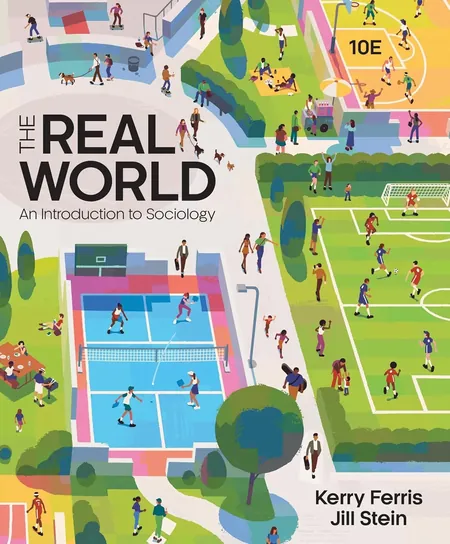
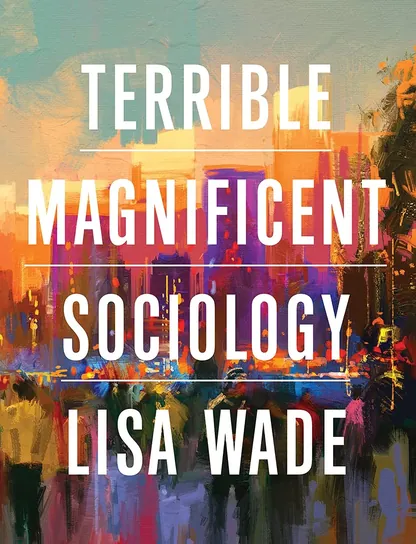
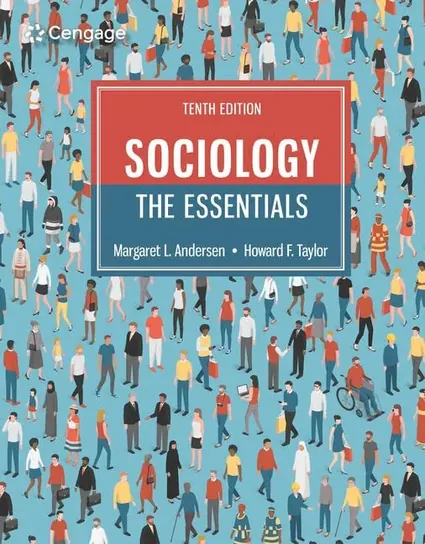
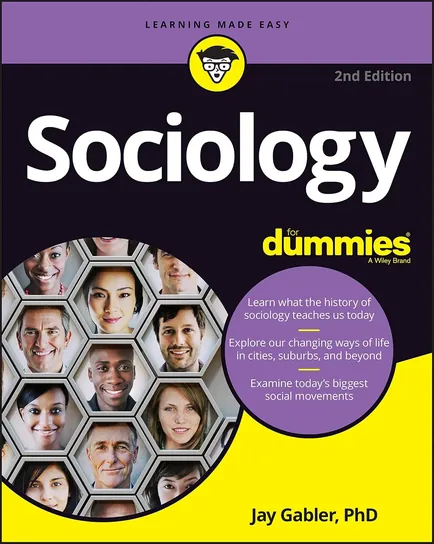
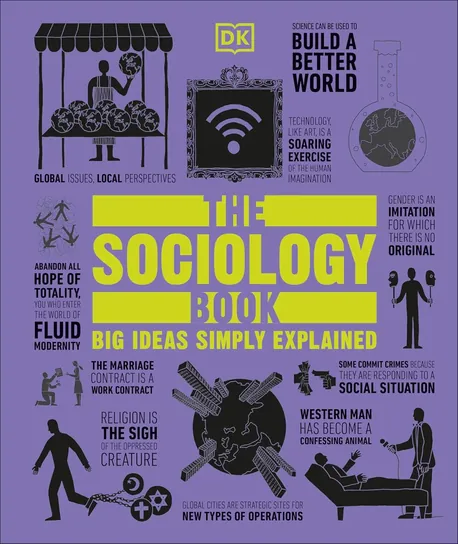
A free book now leads this list. OpenStax Introduction to Sociology 3e covers the whole intro course, faculty reviewers rate it well, and the print copy costs far less than a commercial text. Most of the old picks had slipped two or three editions behind, so we checked every finalist's edition and date against publisher catalogs, library records and campus-store listings, then compared tables of contents and how each book teaches. Sociology: The Essentials stays as the budget course text, and The Real World moves up to its 2026 tenth edition, which adds material on generative AI. Older editions of Giddens, Macionis and Henslin went, along with The Family, Medical Sociology and What is Political Sociology?, which each cover one topic rather than the whole field. New are Ritzer's text, Dalton Conley's You May Ask Yourself, Lisa Wade's Terrible Magnificent Sociology, and two friendly starters for readers outside a classroom, Sociology For Dummies and DK's The Sociology Book.
Earlier notes
February 13, 2020, by Gia Vescovi-Chiordi:
On the face of it, sociology seems like a soft option, but once students dig into the subject they find out quickly just how complex it is. Textbooks have to cover naturally contentious issues, like inequality, crime, abuse, diversity, social status, how minorities are treated, and much more. Because of this, we did our best to supply books that are as balanced as possible, however, some texts, like The Real World, still allow some bias to come through.
We feel that that can actually be a good thing when the book is read by more advanced students because they can then use sociological thinking to deconstruct where that bias comes from and make their own interpretations. Still, we kept works that lean too far in any direction to a minimum. For more insight into the field, we recommend picking up a few social science books to see how sociology is intertwined with psychology, economics, law, and politics.
Today we brought several volumes up to their most recent editions. That includes The Real World, Sociology: The Essentials, Sociology: Exploring the Architecture of Everyday Life, and Introduction to Sociology. We also said goodbye to Race, Ethnicity, Gender, and Class in favor of The Family, which touches on many of the same concepts, but uses an extremely interesting and coherent approach to do so. We also removed Essentials of Sociology and replaced it with Sociology: A Down-To-Earth Approach, the better fleshed out, more recent and revised edition by the same author.
Special Honors
OpenStax Online Library OpenStax's Introduction to Sociology 3e, along with its psychology, economics and political science texts, is free to read in a browser or download as a PDF. Instructors can also find slides and test banks there. openstax.org
Macionis Sociology on Pearson+ John Macionis's Sociology has been a staple intro text for decades. Pearson sells the current 19th edition, which adds a chapter on social media and AI, as a Pearson+ subscription, a Revel course or a rental paperback rather than a standard retail book. pearson.com
Match The Edition, Not The Title
If a course assigns a book, match the ISBN on the syllabus, because online homework and page references follow one edition.
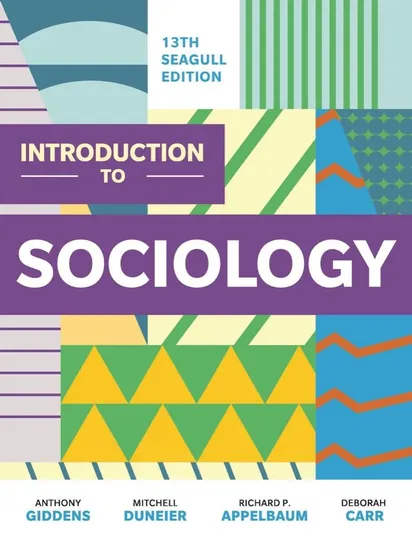
Big intro texts come back in a new edition every two to three years, and the cover title rarely changes. Giddens's Introduction to Sociology went from the 11th edition in 2018 to the 12th in 2021 and the 13th in 2024 (eCampus). The Real World moved from its 9th edition in 2024 to a 10th in July 2026 (Norton). If a course assigns a book, match the ISBN on the syllabus, because online homework and page references follow one edition.
Some publishers now sell the current edition mostly as a digital subscription. Pearson offers Macionis's Sociology, now in its 19th edition with a new chapter on social media and AI, through Pearson+, Revel and a rental paperback (Pearson). The plain paperback that most stores still list is the 16th from 2016.
For self-study, an edition or two back is usually fine. The theories and research methods barely change. Statistics are what age: faculty reviewers note that some data in the free OpenStax text dates to the 2010 census (Open Textbook Library).
Free, Bundled And Shorter Options
The cheapest legal route is free. OpenStax, a nonprofit at Rice University, publishes Introduction to Sociology 3e online and as a PDF at no cost, and the print copy is optional (OpenStax). Many community colleges assign it for that reason.
Commercial texts often come with digital extras. New copies of Norton's Giddens, Conley and Ferris and Stein books bundle the publisher's ebook and its InQuizitive quizzes, but used and rental copies may not include the access (eCampus). Check before buying used if the class grades online work.
Several texts also come in shorter versions. Conley's You May Ask Yourself has a Core edition with fewer chapters (Norton), and Giddens and Andersen both offer "Essentials" books. Shorter versions suit a quarter-length course or a self-learner who wants the main ideas without every chapter.
Counterfeit And International Copies
Textbooks are a target for counterfeiters. Major publishers including Pearson, Cengage and McGraw Hill have pursued fake-textbook sellers on large marketplaces, and a test-buy sting led to seller suspensions (The Bookseller; Slashdot). Warning signs include blurry printing, black-and-white pages in a book that should be in color, a thinner or smaller book than expected, and a missing copyright page.
An "international student edition" or a book marked "for sale only in" another country is a legitimate but different printing. Page numbers and problem sets can differ from the U.S. edition, which matters when a syllabus cites pages.
OpenStax books are openly licensed, but OpenStax asks that commercial print runs have its permission (OpenStax). The official print comes from Kendall Hunt, so choose that over independently printed copies.
How we researched this
We compared 27 sociology books and editions, checked each finalist's edition and publication date against publisher catalogs, library records and campus-store listings, read the faculty reviews in the Open Textbook Library, and compared tables of contents and teaching approaches. Printed books have no recall category, so we looked for counterfeit and international-edition warnings instead.
Sources (12)
- OpenStax: Introduction to Sociology 3e preface
- Open Textbook Library: Introduction to Sociology 3e reviews
- eCampus: Giddens Introduction to Sociology, 13th edition
- SAGE: Ritzer and Ryan, Introduction to Sociology, 6th edition
- Norton: You May Ask Yourself, Core edition
- Norton: The Real World, 10th edition
- Norton: Terrible Magnificent Sociology, second edition
- Norton Seagull: Terrible Magnificent Sociology
- Cengage: Sociology: The Essentials, 11th edition
- Pearson: Macionis, Sociology
- The Bookseller: textbook counterfeiting sting
- Slashdot: sting on counterfeit textbook sellers
Frequently asked questions
What is the best sociology book for beginners?
For someone outside a class, Sociology For Dummies explains the field in plain language, and DK's The Sociology Book gives a visual tour of the big ideas. For a full course at no cost, OpenStax Introduction to Sociology 3e is free online.
Do I need the current edition of a sociology textbook?
Only if your course requires it. Instructors assign pages, quizzes and online homework from one edition. For self-study, an older edition teaches the same theories, though its statistics will be older.
Is there a free sociology textbook?
Yes. OpenStax Introduction to Sociology 3e is free to read online or download as a PDF from openstax.org. It covers a full intro course and is widely used at community colleges.
What are the main theories in sociology?
Intro texts teach three main approaches: functionalism, which looks at how parts of society keep it stable; conflict theory, which focuses on inequality and power; and symbolic interactionism, which studies how people create meaning in everyday interaction.
What should I read after an intro textbook?
Many readers move on to classics such as C. Wright Mills's The Sociological Imagination or Erving Goffman's The Presentation of Self in Everyday Life, which show the big ideas in their original form.
What is the difference between a Core or Essentials edition and the full one?
Shorter editions cover the main topics in fewer chapters and cost less. They suit a quarter-length course or a reader who wants the key ideas. Check the syllabus, since a course may assign chapters only the full edition has.