The 10 Best Tactical Sunglasses
Updated by · How we research

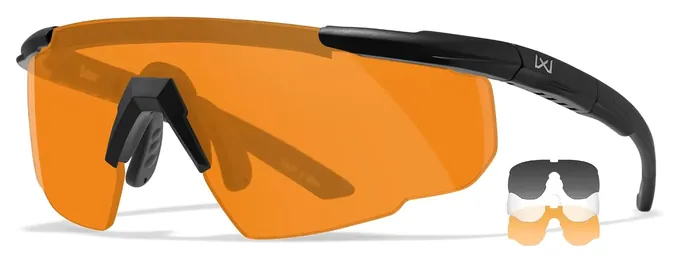
Two shooting-glasses tests gave Wiley X Saber Advanced top marks. Ten ballistic-rated tactical sunglasses compared on Z87+ and military ratings, fit and lenses. When users buy our independently chosen editorial picks, we may earn commissions to help fund the Wiki.
Many sellers call sunglasses ballistic loosely, and some claims rest on a maker's own tests, which is why the marks printed on the frame, such as Z87+, matter. Tactical sunglasses are wraparound pairs with impact-rated polycarbonate lenses, made to stop flying brass, debris and fragments as well as glare. Shooters, soldiers, police officers, hunters and riders wear them.


Editor's Notes
October 18, 2026, by Ezvid Wiki Admin:
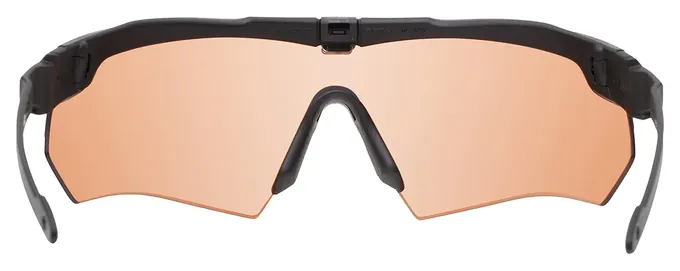
In two independent shooting-glasses tests, the Wiley X Saber Advanced earned the best marks, so it now leads. Its kit also covers sun, shade and dusk. Half of the 2021 list was gone. The Oakley SI Ballistic M Frame 3.0, Magpul Explorer XL, Smith Optics Elite Aegis Arc and Revision Military Sawfly are no longer available where we link, and the Wiley X AirRage and Smith's Aegis lenses are discontinued. We also dropped the Roka AT-1x, a sport sunglass with no ballistic rating, and the ESS Eyewear Ice 3LS, an older shield in very short supply. The Sawfly is still made, so it now sits in the special honors.
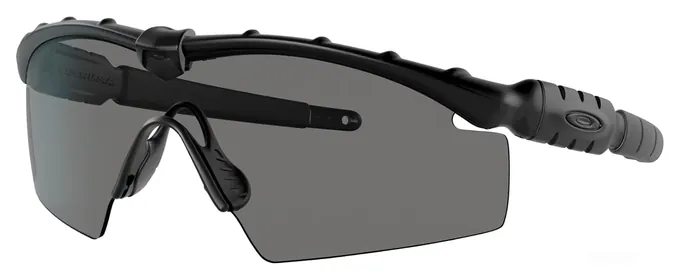
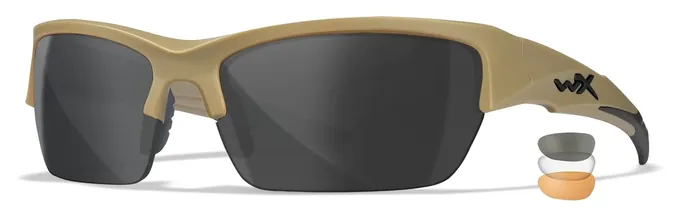
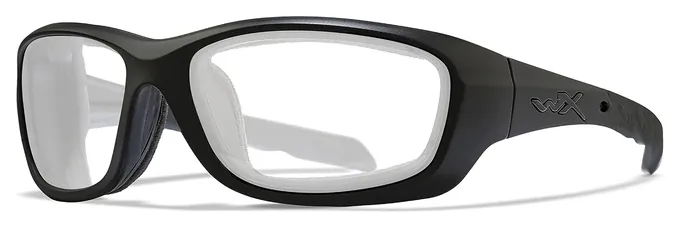
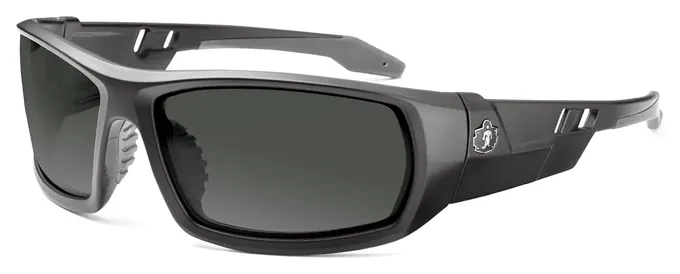
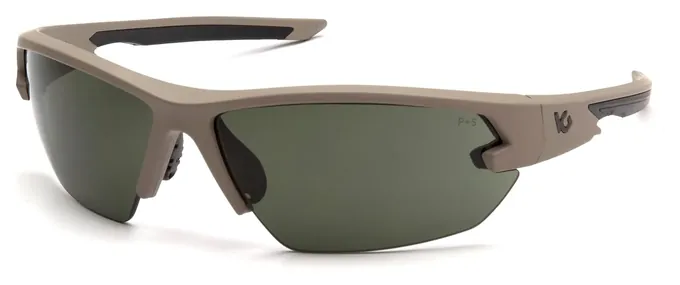
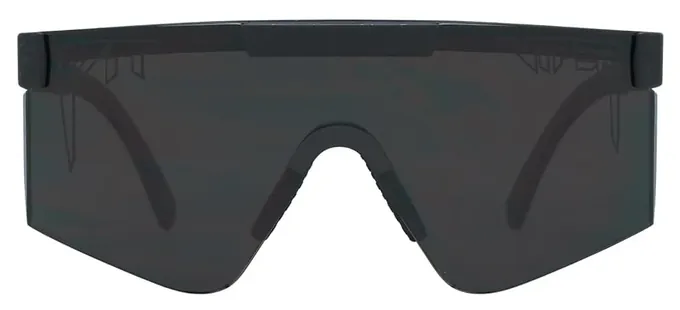
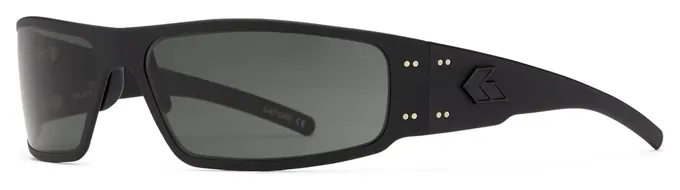
The ESS Crossbow Suppressor One, Wiley X Valor and Ergodyne Skullerz Odin stay. New are the Oakley SI M Frame 2.0, the sealed Wiley X Gravity, two budget pairs in the Venture Gear Semtex 2.0 and the polarized HTS Hunterksy Q37, the Pit Viper OG 2.0 Ballistic and the aluminum Gatorz Magnum.
A word on the word "ballistic": many sellers use it loosely. We say which pairs list a specific standard, which claims rest on a maker's own tests, and how to check the marks printed on the frame.
November 09, 2020:
We removed the Gatorz Magnum Z due to availability concerns and replaced them with the versatile Roka AT-1x. They are lightweight and sit comfortably on your face, and they have a titanium core for durability and structure. Their lenses are suitable for many environments and activities, from mountain biking to fishing.
Although there are budget-friendly options available, we wanted to make sure we had a selection of high-end picks. We kept the Oakley SI Ballistic M Frame 3.0 at the top because Oakley continues to make some of the highest-quality sunglasses on the market. Most lenses distort light, thus slightly shifting images. Oakley lenses offer premium anti-distortion technology for accurate vision, and some models even have different tints to make certain colors pop, depending on your chosen activity.
September 17, 2019:
Whether you need a pair of shades for hunting, military use, construction, or any other rugged activity, tactical sunglasses are going to be your best option. Not only are they designed with a focus on durability and comfort, but they will also be ANSI Z87+ certified, which means they have been tested and are capable of standing up to projectiles moving at 150 feet per second without shattering. For many people, ANSI Z87+-certified glasses should be more than enough for their needs, however, when it comes to safety, we feel there can never be too much precaution. Because of that, every single pair of sunglasses on our list, with the exception of the Gatorz Magnum Z, have also passed military-grade ballistics tests. These tests dictate that the lenses must be able to stand up to projectiles traveling at 650 feet per second without shattering.
It is worth mentioning that just because a pair of sunglasses meets MIL-PRF-31013 or MIL-PRF 32432 standards doesn't mean they are actually approved for battlefield use. Of the models on our list, only the Oakley SI Ballistic M Frame 3.0, Wiley X Valor, Smith Optics Elite Aegis Arc, Revision Military Sawfly, and ESS Eyewear Crossbow Suppressor One are on the Authorized Protective Eyewear List for wear during combat or training.
What may be immediately apparent to anybody who has spent time looking for tactical sunglasses is that most just don't look that fashionable. While that may not be an issue for somebody who plans on using them while hunting or during military training, those who need a pair for motorcycle riding or construction work may want something that has a bit more style. For those users, we have found the Wiley X Valor, Gatorz Magnum Z, Mapgul Explorer XL, Wiley X AirRage, and Skullerz Odin, all of which offer sufficient protection but look just like a normal pair of shades.
Special Honors
Revision Sawfly Revision has supplied eyewear to the U.S. Army's approved list since that program began in 2006. Its Sawfly spectacles weigh about 1.25 ounces, meet MIL-PRF-32432A Class 1 and ANSI Z87.1-2020 per Revision's spec sheet, and come in small, regular and large sizes with a head strap. Revision's military-issue kit is sold only to U.S. service members. revisionmilitary.com
Magpul Defiant The Magpul Defiant is a TR90 polymer frame with a lever that releases the lens, so polarized, tinted and clear replacements snap in. Magpul rates it ANSI Z87+ and says it was tested to MIL-PRF-32432. Its low-profile temples fit under hats and over-ear hearing protection. Pew Pew Tactical named it its top shooting glasses. magpul.com
Heatwave Visual Vise Z87 For work and casual wear, Heatwave Visual's Vise Z87 carries the basic Z87 safety mark in a frame that looks like ordinary sunglasses. It isn't rated to the high-impact Z87+ tests or to military ballistic standards, so it suits yard work and job sites better than a range. heatwavevisual.com
Z87+, MIL-PRF And What Ballistic Really Means
It means the lens stopped a fragment the size of a BB at that speed.
Every pair here is a pair of safety glasses first. The U.S. safety standard is ANSI/ISEA Z87.1. A plain "Z87" mark means the lens passed the basic impact test, a 1-inch steel ball dropped from about 50 inches. "Z87+" means it also passed the high-impact tests: a quarter-inch steel ball fired at 150 feet per second, and a pointed 500-gram weight dropped from 50 inches (GME Supply). The mark must appear on both the lens and the frame, so you can check it yourself (Bullard, RX Safety).
Military ballistic specs go further. MIL-PRF-31013 and the newer MIL-PRF-32432 fire a small .15-caliber fragment at spectacles at roughly 640 to 660 feet per second, about four times the Z87+ speed (Wikipedia: Ballistic eyewear). Passing the test doesn't make a pair bulletproof. It means the lens stopped a fragment the size of a BB at that speed.
The word "ballistic" on a listing is a claim, not a certificate. Wiley X, Oakley, ESS, Ergodyne and Pit Viper name the exact standard. Some budget brands say only that a lens was "tested to" a spec, or cite their own lab. The U.S. Army's Authorized Protective Eyewear List is the strictest bar, since it covers eyewear approved for troops. Employers who must provide eye protection under OSHA rules need Z87.1-marked gear, and any pair here qualifies on that front.
Shield, Half-Rim Or Sealed Frame
A one-piece shield, like the Wiley X Saber Advanced, ESS Crossbow or Oakley M Frame, gives the widest unbroken view, with no frame edge between your eyes and the target. Shields usually swap tints fastest, too. Their thin temples are the reason shooters like them: an arm that is only a few millimeters thick won't break the seal of an earmuff or press into your head under a helmet.
A two-lens half-rim, like the Wiley X Valor or Venture Gear Semtex 2.0, looks more like everyday sunglasses. The open bottom edge vents well but lets in more dust and wind from below.
A full frame with a foam gasket, like the Wiley X Gravity, seals out grit and wind for motorcycles, dirt roads and job sites. The tradeoff is heat. Less air moves behind the lens, so it can fog sooner on still, humid days.
Fit matters more than looks. Most of these come in one size. Read the three numbers printed inside the temple of glasses you already own (for example 52-18-140: lens width, bridge, temple length in millimeters) and compare them with the maker's sizes. Wiley X publishes these for every frame on this list (Wiley X), and Revision sells its Sawfly in small, regular and large (Revision spec sheet).
Lens Tint, Polarizing And Fog
Lens tint is a light-transmission number. A dark grey or smoke lens lets through about 10 to 20 percent of visible light: the Oakley M Frame 2.0 grey lens passes 17 percent and the Pit Viper OG 2.0 Ballistic 12 percent. That's right for midday sun and too dark for dusk. Copper, rust and amber tints let in more light and add contrast in haze or shade, and clear lenses are for night, indoor ranges and gray days. A kit with three lenses, like the Saber or Valor, covers all of it with one frame.
Polarized lenses cut glare off water, snow and wet pavement, which helps drivers, anglers and riders. They can also darken or black out some LCD screens, including phones, vehicle displays and some electronic sights, so many shooters skip them for range work.
Fog is the most common complaint about any safety glasses, mostly from sweat collecting at the top of the lens. Anti-fog coatings help, but they wear off, and some, like the HTS Hunterksy coating, need water-only cleaning. A frame that sits a little off your face, or nose pads that adjust outward, keeps air moving. Outdoor Life and Pew Pew Tactical both flag fit and fog in their shooting-glasses roundups (Outdoor Life, Pew Pew Tactical).
All of these pairs block UV. Fakes of popular brands do turn up online, so buy from the brand's own store or its listed dealers, and check that the Z87 mark is molded or printed on the lens and frame.
How we researched this
We compared 22 tactical and ballistic sunglasses, including every pair from the old list, and screened 10 finalists against the standards their makers publish, listing documents and size charts, and Revision's and Ergodyne's spec pages. We read five independent shooting-glasses roundups, three of which shot pellets, birdshot or a shotgun at the lenses, analyzed owner feedback patterns on shooting forums, and checked every brand against U.S. Consumer Product Safety Commission recalls, finding none for eyewear.
Sources (21)
- Wiley X: tactical and safety eyewear
- Oakley Standard Issue
- ESS Eye Pro
- Ergodyne: Skullerz safety glasses
- Pit Viper
- Gatorz Eyewear
- Revision: Sawfly U.S. military spec sheet
- Magpul: Defiant eyewear
- Pew Pew Tactical: best shooting glasses
- Outdoor Life: best shooting glasses
- Top Firearm Reviews: best shooting glasses
- Hunters HD Gold: best shooting glasses
- PPE101: best tactical glasses
- GME Supply: the ANSI Z87.1 standard
- Bullard: Z87.1 marking
- RX Safety: Z87 markings explained
- Wikipedia: Ballistic eyewear
- Wikipedia: Authorized Protective Eyewear List
- OSHA: eye and face protection
- Heatwave Visual
- CPSC recalls
Frequently asked questions
Are tactical sunglasses bulletproof?
No. The military ballistic tests fire a small fragment, about the size of a BB, at roughly 640 to 660 feet per second. That protects against shrapnel, ricochet fragments and flying brass, not a direct bullet hit.
What sunglasses does the military use?
U.S. troops wear eyewear from the Army's Authorized Protective Eyewear List, which includes models from Revision, Wiley X, ESS and Oakley's Standard Issue line. Commercial versions of several of these, like the ESS Crossbow and Oakley SI M Frame, are sold to the public.
Is Z87+ enough for shooting?
For most range shooting, Z87+ covers ejected brass, debris and splatter. A pair that also meets MIL-PRF-31013 or MIL-PRF-32432 has passed a much faster fragment test, which adds margin for steel targets and close-range ricochets.
Are polarized tactical sunglasses a good idea?
Polarized lenses cut glare off water and roads, so they suit driving, fishing and riding. They can black out some phone screens, vehicle displays and electronic sights, so many shooters choose non-polarized lenses for the range.
How do I know if a ballistic rating is real?
Look for the Z87+ mark printed or molded on both the lens and the frame, and for a named standard such as MIL-PRF-32432A on the maker's site. Be wary of listings that say only "military grade" or cite an in-house test.
Will tactical sunglasses fit under ear protection?
Pairs with thin, straight temples fit best under earmuffs and helmet straps. The Oakley SI M Frame 2.0 and ESS Crossbow Suppressor One are built for it. Thick rubber temples can break the earmuff seal and let in noise.