The 9 Best Therapy Balls
Updated by · How we research

Nine balls for sore muscles, rehab and hand strength, from soft rubber to vibrating, compared on firmness and evidence. Yoga Tune Up Therapy Balls lead. When users buy our independently chosen editorial choices, we may earn commissions to help fund the Wiki.
A therapy ball works because it is small: pressing into one spot reaches deeper layers of muscle and connective tissue than a wide foam roller can, fascia researcher Antonio Stecco has said. The relief is for soreness and stiffness, not injuries. This list is for desk workers, runners and anyone rebuilding hand or shoulder strength after a setback.


Editor's Notes
November 16, 2026, by Ezvid Wiki Editors:
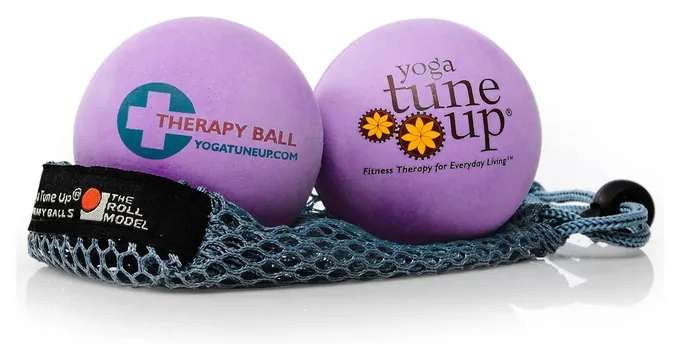
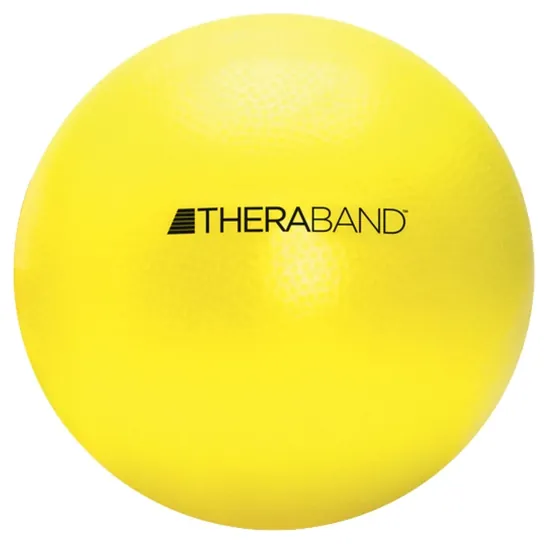
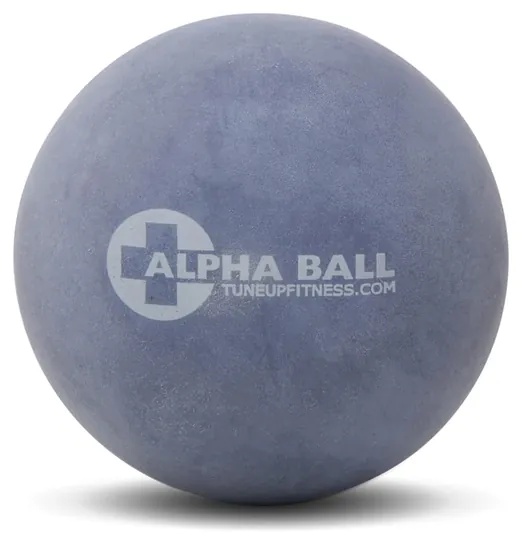
The Yoga Tune Up Therapy Balls take the top spot on this restored list. Grippy rubber with a little give is the safest place for most people to start, and two independent reviewers back them. The page now picks the best ball for each therapy job instead of five versions of one ball, from clinic-style core and shoulder work with the TheraBand Mini Ball to graded hand squeezes with The Friendly Swede Stress Balls.
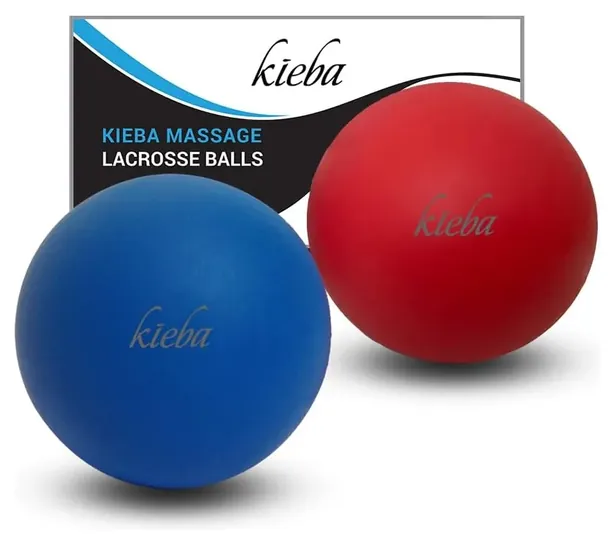
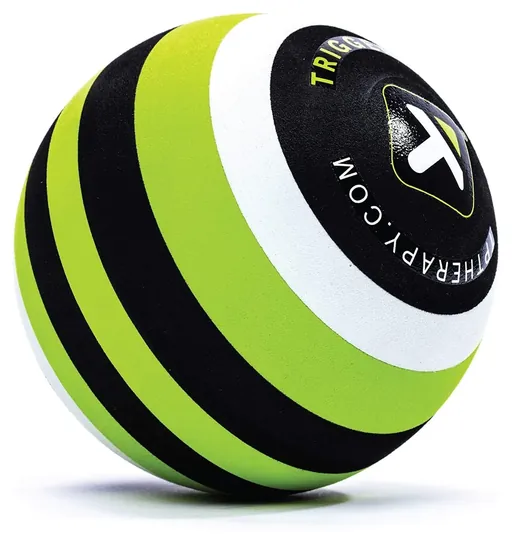
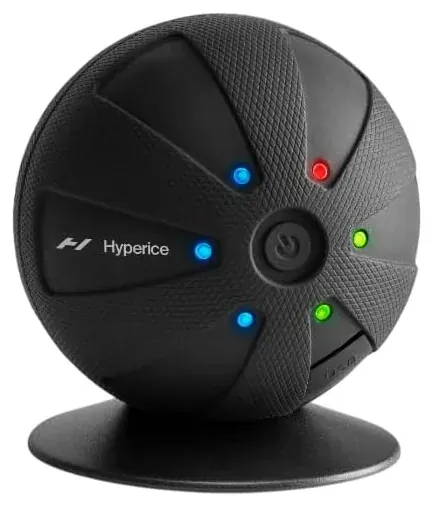
Four earlier picks stay: the Kieba Lacrosse Balls, The Friendly Swede Stress Balls, the TriggerPoint MB5 and the Hyperice Hypersphere, now in its smaller Go version because the full-size ball is hard to find. The URBNFit exercise ball left because it's a full-size exercise ball, a different tool. The Recoup Cryosphere cold roller, the SpoiledHippo ball and the Milliard Physio Rolls are no longer available, and the 4Kor set and the Rollga Activator had thinner owner feedback than the picks.
Clinical trials of hand-held balls are scarce, so the case for each pick is practical. We leaned on Wirecutter's look at massage balls, which explains why a small ball reaches deeper than a roller, on occupational therapy handouts for grip exercises, and on owner reports about leaky balls and failing batteries. For more self-massage options, see our massage balls list.
Earlier notes
June 8, 2020, by Jeff Newburgh:
When it comes to exercise, individuals benefit from distinct workout regimens that are specifically tailored to their own body types and stamina levels. You are your best advocate when determining the types of workouts that make you feel good. However, in situations where such workouts result in more pain to your joints and muscles than you'd like, our list of therapy balls can provide the tools needed to revitalize your body from head to toe.
You may already use a traditional exercise ball or perhaps you prefer the high-impact rigors of a treadmill or lifting weights to get in shape. Whatever fitness plan you follow, you'll need something to assist with your pre- and post-workout recovery to minimize the occurrence of injury, especially if you're the type who tends to overdo it.
We've included options like the URBNFit Exercise and Kieba Lacrosse, the former of which is well-suited for use in a home gym in combination with other heavy equipment and ideal for targeting the abdominal and lower back muscles, while the latter uses your own weight and force of gravity to relieve muscle tension.
Good for post-workout soreness, the Recoup Fitness Cryosphere can be stored in the freezer and used to massage the biceps, shoulders, neck, elbows, and feet.
Increasing blood and oxygen circulation within the body is important when it comes to post-workout recovery and improving mobility, making the multilayered construction and variable density of the TriggerPoint Massage valuable features for such a task.
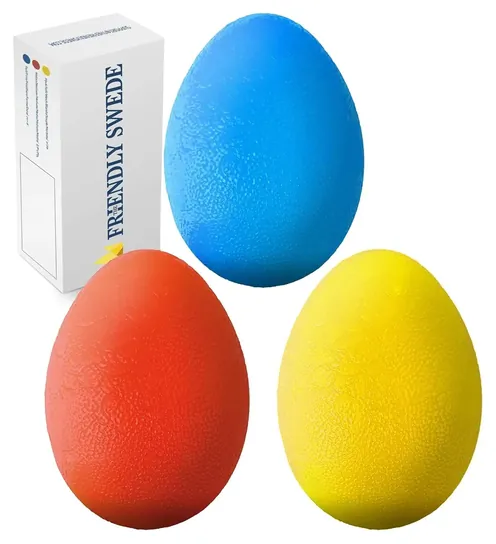
The Friendly Swede Strength Squeezers are testament to the fact that therapeutic forms of exercise don't have to be all-encompassing, meaning they don't have to target every part of the body. These egg-shaped rubber balls are designed to assist with arthritis and relieve stress in the hands, forearms, and wrists. They can also be useful for reducing anxiety or helping kids to maintain their focus.
We've also included the Milliard Physio Rolls, which, thanks to their dipped saddles, can be used for the physical conditioning of both people and canines.
The Rollga Activator offers the benefit of several distinct surfaces, all dedicated to relieving physical tension and targeting pressure points.
Despite a rather high price point, we've included the Hyperice Hypersphere due to its use of high-intensity vibration to quickly release trigger points. For this particular model, a doctor should be consulted before deciding to use it as a physical rehabilitation tool.
Firmness First, Then Size
Foam balls sit in between and feel broad rather than pointed.
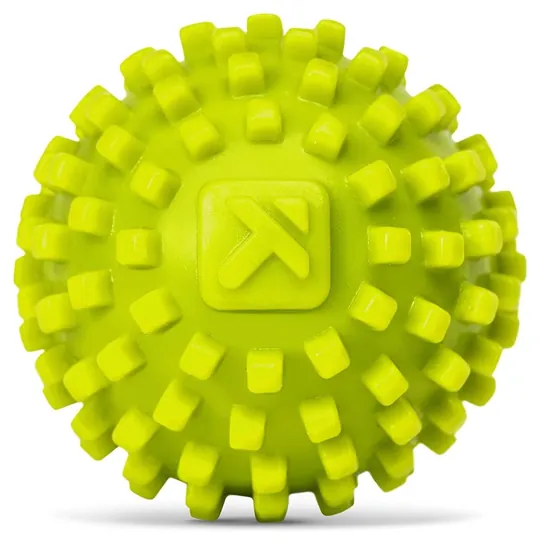
Firmness decides how a ball feels more than anything else. Natural rubber with a softer core, like the Yoga Tune Up balls, gives a little and grips skin, which makes it a good first ball and a safe choice for the neck and other sensitive spots. Solid lacrosse balls give nothing and press harder. Hard nubby balls focus pressure even more, and [OutdoorGearLab]({OGL}) found the all-plastic TriggerPoint MobiPoint harder than expected, good for feet and hands but too narrow for most of the body. Foam balls sit in between and feel broad rather than pointed.
Size comes next. Balls around 2 to 2.5 inches fit under a foot, between the shoulder blades and along the neck. Balls from 3.5 to 5 inches spread the load over hips, glutes and thighs, and [Wirecutter]({WC}) notes that larger rubber balls feel gentler near the hip bones. A pair that sits side by side can straddle the spine, so the pressure lands on the muscles on either side instead of the bones.
A tennis ball is a fine test, but it goes soft and slides, Wirecutter points out. If you want broad, light rolling over big areas, a foam roller does that faster, and our massage balls list ranks more self-massage balls, including spiky, peanut and cork shapes.
Balls For Rehab And Hand Strength
Not every therapy ball is for pressing into a knot. Soft inflatable balls about 9 inches across are standard props in physical therapy and Pilates. They go under the lower back for core work, between the knees for hip work, or against a wall for shoulder drills. The ball itself does little; the exercise program does the work, so follow the moves a therapist gives you rather than a generic booklet when you're recovering from an injury.
Squeeze balls and therapy putty are common tools for hand and grip exercises. The UK's Kent Community Health NHS Foundation Trust publishes putty exercises for finger and grip strength, and the charity Arthritis Action has a hand-strength sheet built around squeezing a soft ball. Sets with graded strengths let you start soft and move up as your grip improves.
There's a limit. A University of Wisconsin Extension lesson on hand health warns that squeezing a stress ball hard can irritate joints that are already damaged. If a hand is swollen, newly injured or recovering from surgery, ask the treating therapist which strength to use and how often.
Using A Therapy Ball Safely
Roll slowly, and when you find a tender spot, rest on it for a short while instead of grinding back and forth. Michigan Foot Doctors suggests a minute or two per spot and an intensity of about 4 to 6 on a 10-point pain scale. Leaning into a wall gives less pressure than lying on the floor, a good way to start.
Keep the ball off bones, the spine itself, the kneecap, the front of the neck, the belly and the groin, and off the soft area behind the knee, per a hospital patient guide. Don't roll over cuts, rashes or bruises, and stop at sharp, burning or electric pain. Dance Magazine gives the same advice for dancers: work the muscle, not bones or nerves. People with a suspected stress fracture, a history of blood clots, nerve damage in the feet or a pregnancy should ask a doctor first.
Check the material if you have a latex allergy, because natural rubber balls contain latex. Charge vibrating balls only with the cable they came with. Cold rollers that went in the freezer, like the Recoup Cryosphere, have largely disappeared; for a more forceful buzz than a ball gives, see our massage guns list.
How we researched this
We compared 22 therapy and massage balls, including every pick from the earlier version of this page, read makers' spec pages and instructions for the nine finalists, and used three independent roundups (Wirecutter, Garage Gym Reviews and OutdoorGearLab), occupational therapy and hospital guidance, and patterns in owner feedback. We checked every brand on the list against U.S. Consumer Product Safety Commission recall records and found no recalls. Updated November 16, 2026 by Ezvid Wiki Editors.
Sources (12)
- Wirecutter: Massage balls are better than foam rollers, actually
- Garage Gym Reviews: Best massage ball
- OutdoorGearLab: Best massage ball
- Tune Up Fitness: therapy ball kits
- Hyperice Korea: Hypersphere Go
- Kent Community Health NHS Foundation Trust: Therapeutic putty exercises
- Arthritis Action: Hand strength exercises
- University of Wisconsin Extension: Keep your hands healthy
- Acibadem Health Point: Lacrosse ball massage, what patients need to know
- Michigan Foot Doctors: Lacrosse ball foot massage
- Dance Magazine: Self-massage
- U.S. Consumer Product Safety Commission: recalls
Frequently asked questions
Do therapy balls actually work?
For soreness and stiffness, many people find they help. A small ball loads one spot and reaches deeper tissue than a wide roller. They don't treat injuries, and clinical evidence is thin, so see a doctor or physical therapist for pain that lingers or keeps coming back.
Can I use a tennis ball instead?
It works for a first try, but a tennis ball is soft and slick. It flattens under body weight and slides around, so a rubber therapy ball or a lacrosse ball gives steadier pressure.
How long should I stay on a sore spot?
Common guidance is a minute or two per spot, at a moderate intensity you could rate around 4 to 6 out of 10. Ease off if the pain turns sharp or electric, and leave a spot alone if it's bruised.
Are squeeze balls good for arthritis in the hands?
Gentle grip exercises with a soft ball or putty are a common part of hand programs, and arthritis charities publish them. Squeezing hard can irritate damaged joints, so start soft, and ask a therapist if your hands are swollen or you've had surgery.
Is the Recoup Cryosphere still sold?
Not widely. The cold roller is unavailable from major sellers and medical distributors list it as discontinued, which is why it left this list. A vibrating or rubber ball covers the massage side, but nothing on this list chills.