The 9 Best Time Lapse Cameras
Updated by · How we research

Jobsite, action and mirrorless cameras for time lapse, compared on battery life, sealing and image quality. The Brinno BCC300-M kit leads for long projects. When users buy our independently chosen editorial choices, we may earn commissions to help fund the Wiki.
Most time lapse work is waiting. A jobsite camera can sit on a pole for months on AA batteries and hand you a finished video, while a mirrorless body shoots sharper sunsets but needs a tripod, steady power and editing time. This list covers both kinds, plus an action camera for moving shots, for builders, gardeners and hobby photographers.


Editor's Notes
November 1, 2026, by Ezvid Wiki Admin:
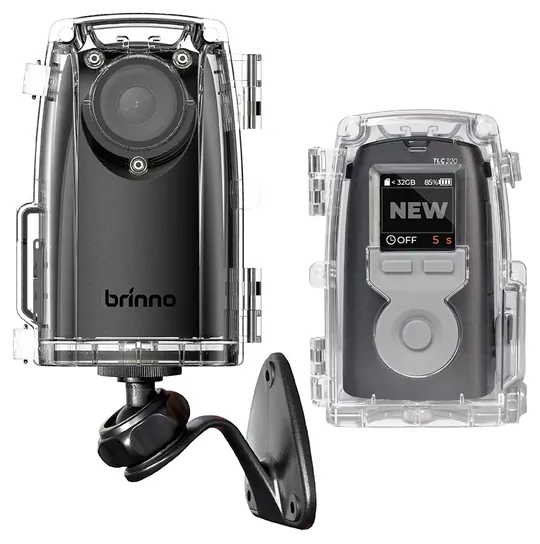
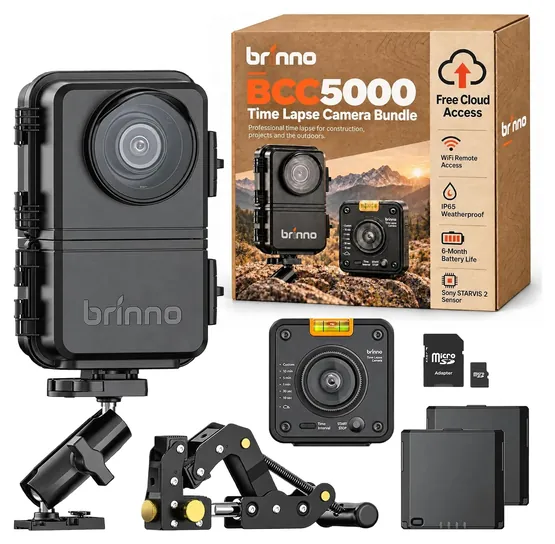
Most people looking for a time lapse camera want one that runs by itself for weeks, so the list now leads with the Brinno BCC300-M, a jobsite kit that builds the video inside the camera. The old version was almost all general-purpose camera bodies.
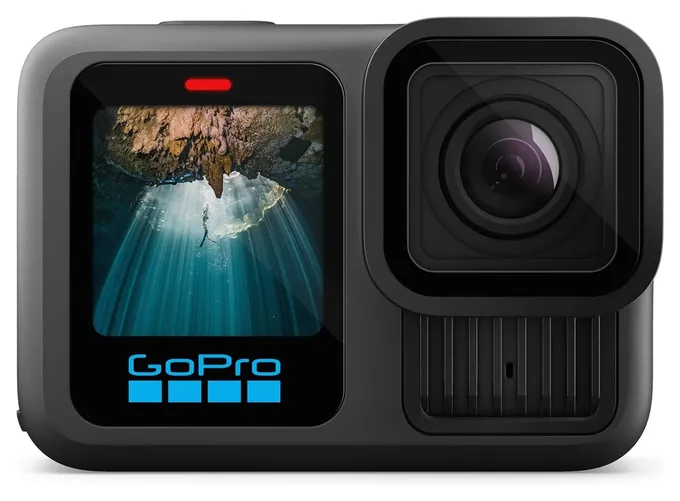
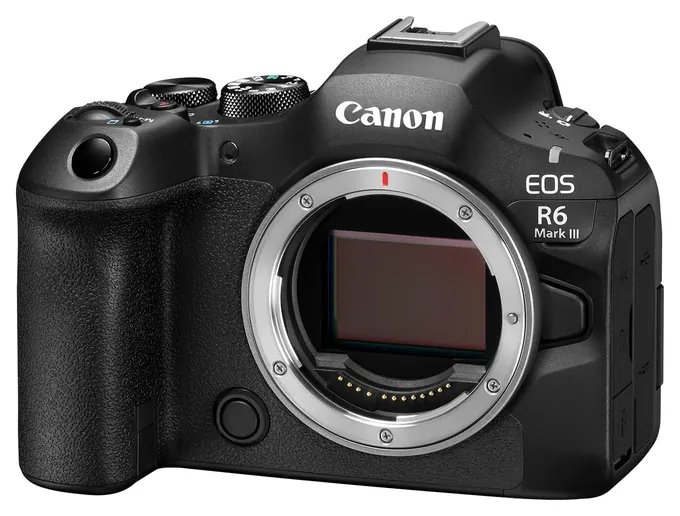
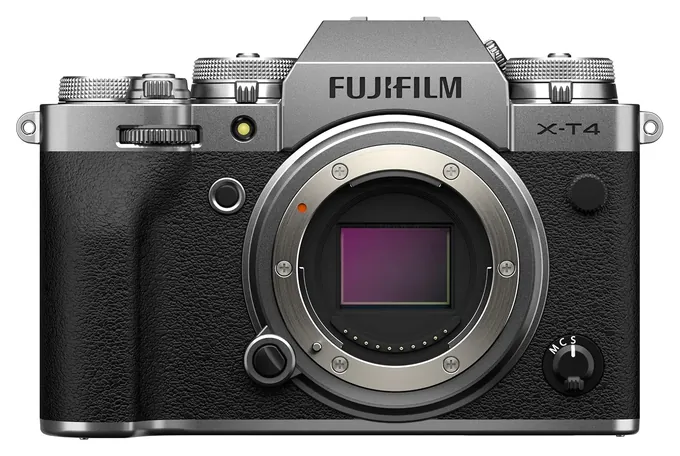
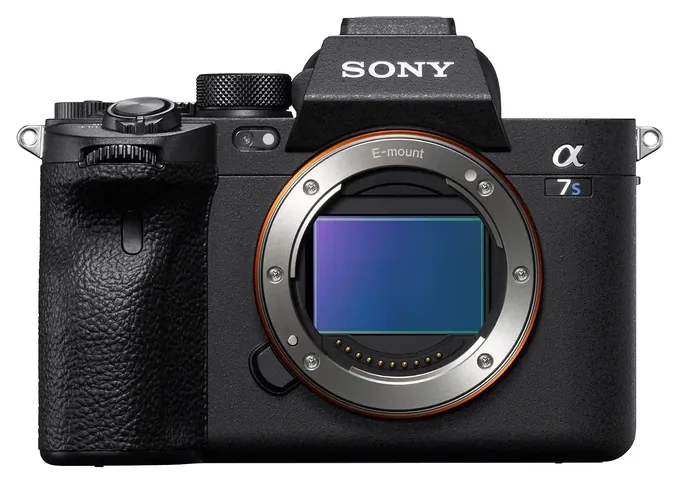
The Sony a7S III and Fujifilm X-T4 stay. The GoPro HERO13 Black replaces the GoPro Hero9, and the Canon EOS R6 Mark III takes the place of the Canon EOS R5, which Canon has since replaced. We dropped the Nikon Z 7II, Panasonic Lumix S1R, Nikon D850, Olympus OM-D E-M1 Mark III and Canon EOS 90D, which have successors or do nothing for time lapse that the remaining bodies can't. The Brinno Empower TLC2000 has left the market, and its successor now comes in the Brinno BCC2000 Lite.
Battery, weather and interval figures come from Brinno's and Fujifilm's own spec pages, and owner feedback flagged the weak spots, like Brinno memory cards that come back empty and starter batteries that quit in days.
November 05, 2020:
The vast majority of updates to this ranking have come in the form of model upgrades from the big camera companies, the most significant of which is likely coming in the Nikon Z 7II. That model has added a second imaging sensor, improved the refresh rate and blackout of its electronic viewfinder, and increased its 12-bit lossless buffer from 23 to 77 frames — and that's just to name a few upgrades.
Another new model in the mirrorless sector comes in the Canon EOS R5. It can be a bit of a controversial choice as it's the first such consumer product from one of the major brands to offer 8K video, but has a tendency to overheat in that mode faster than most shooters would like. For interval work, though, it's a great choice — as long as you don't have back-button focus set. For some reason in the firmware, the intervalometer will not work properly with this setting in place.
Two models we retired were the Panasonic Lumix LX100 and the Canon 5D Mark IV, as that Canon has largely been superseded by the company's mirrorless offerings, and as the Panasonic Lumix S1R is too powerful to pass up, with a full-frame sensor and an L-mount capable of accepting Leica lenses, which are considered by many to be the finest glass on the market.
January 30, 2019:
A lot of the best consumer cameras on the market these days come with built-in intervalometers, so looking to recent offerings produced by the top manufacturers yielded excellent results. Some companies, like GoPro and Brinno, have smaller options that, in the case of the latter, are specifically built around this kind of shooting, as well.
Special Honors
Alpine Laboratories Pulse This small Bluetooth remote plugs into the USB port of many Canon and Nikon cameras and turns a phone into a time lapse controller. It can ramp the exposure as daylight fades, lets you change settings in the middle of a shoot, and keeps running after the phone disconnects. Its rechargeable battery lasts up to 12 hours of shooting. Alpine Labs sells it direct, alongside its Radian 2 motion base for panning shots. alpinelaboratories.com
Enlaps Tikee For large construction projects, the French maker Enlaps sells solar-powered cameras that send frames over 4G or Wi-Fi to an online dashboard. The Tikee 4X uses two lenses for a 220-degree panorama, and the smaller Tikee mini S records in 4K. They cost far more than battery cameras and work through an account, but they can run for a whole project with no battery swaps. enlaps.io
Pick The Camera Type By The Subject
Any modern mirrorless body with an interval timer handles it.
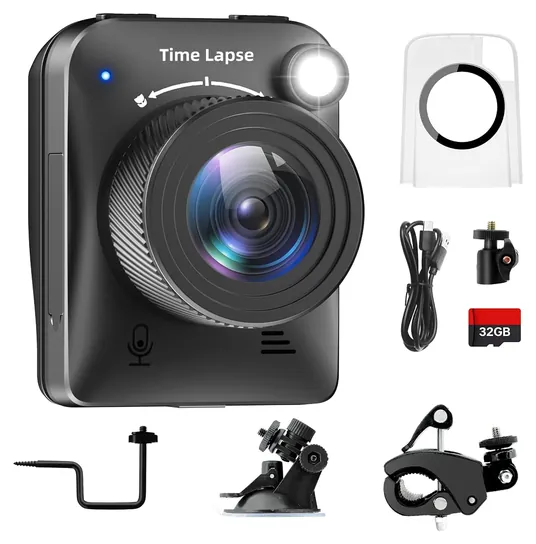
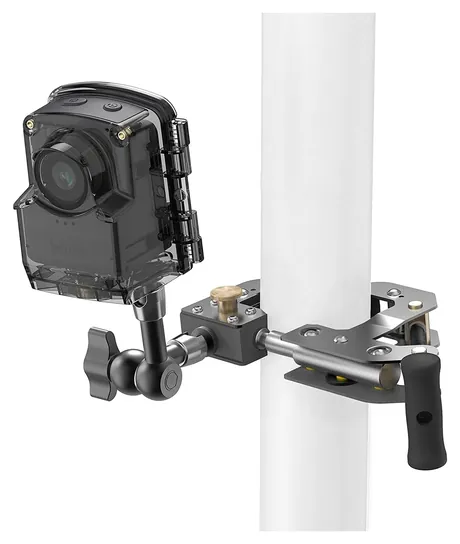
Start with what you're filming and for how long. A building going up, a garden season or a road project runs for weeks or months, and that's a job for a dedicated camera. Brinno's cameras run on AA batteries, follow a daily schedule and save a finished video, so nobody has to stitch frames together (Brinno BCC300). Budget makers copy the same idea, often with a sealed body and a card in the box.
A sunset, a storm front or the stars wheeling overhead lasts an evening, and image quality matters more than battery life. Any modern mirrorless body with an interval timer handles it. Fujifilm's X-T4, for example, lets you set the interval, the number of shots and a delayed start (Fujifilm). You'll need a tripod, a lens and editing software to assemble the frames, unless the camera has a time-lapse movie mode.
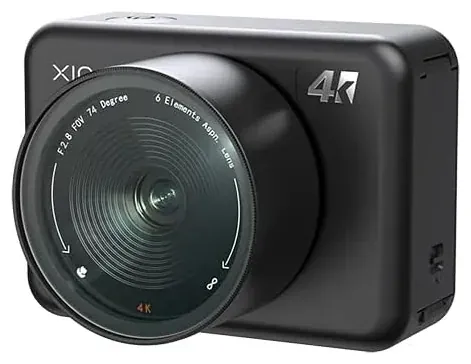
An action camera fills the gap for moving shots: a hike, a drive or a boat ride. Its stabilization keeps the clip steady, but its battery lasts hours, not days, and its small sensor is noisy after dark.
Interval, Battery Life And Weather
The interval sets both the look and the battery life. Fast clouds look good at one shot every 2 to 5 seconds, sunsets at 5 to 10 seconds, construction at 5 to 15 minutes and plants at 15 minutes to an hour. Battery claims always assume a slow interval: Brinno quotes up to 99 days for the TLC2020 at one shot every five minutes on AA cells (Brinno TLC2020). A one-minute interval, cold weather or frequent Wi-Fi checks shortens that a lot. Lithium AA cells hold up better than the alkaline ones in most boxes.
Weather ratings vary more than the cameras do. The BCC300's case is rated IPX4, which means splashes, not driving rain (Brinno BCC300). Brinno's BCC2000 Plus housing is rated IPX5 and comes with a clamp rated for 110 pounds (Brinno BCC2000 Plus), and several budget cameras claim IP66, which covers heavy rain and dust. Check the operating temperature too: the TLC2020 is rated from 0 to 45 degrees Celsius (32 to 113 F), so a camera on a winter site may stop well before its batteries do.
Memory Cards, Playback Math And Privacy
Dedicated cameras need little storage because each frame is small. Brinno's cameras take microSD cards up to 128 GB, Class 10 or faster (Brinno TLC2020). Mirrorless bodies shoot large raw files, so a long sequence needs a big, fast card and a spare battery or a USB power supply.
Playback math tells you how long the finished clip will be. Video plays at about 30 frames per second, so 100 days at one shot every five minutes gives 28,800 frames, or about 16 minutes of video. Limit the schedule to an eight-hour workday and the same project shrinks to about five minutes, which is easier to watch and share. Two hours shot at one frame per second becomes four minutes.
Before mounting a camera, get the site owner's permission, and keep it from looking into neighbors' windows or yards; local privacy laws apply to cameras that record for months. Mount heavier rigs with a clamp or bracket rated for the load (Brinno BCC2000 Plus), and check the battery slot after a hot spell.
How we researched this
We compared 21 time lapse cameras and camera bodies, read Brinno's and Fujifilm's spec pages and the other makers' published features, analyzed owner feedback for recurring faults, and checked every brand against the U.S. Consumer Product Safety Commission's recall database. We found no independent lab tests of dedicated time lapse cameras.
Frequently asked questions
What is the best camera for time lapse?
For long projects outdoors, a dedicated camera like the Brinno BCC300-M is the easiest choice, since it runs for months on AA batteries and saves a finished video. For sunsets and night skies, a mirrorless body with an interval timer gives better image quality.
How long is 2 hours in time lapse?
It depends on the interval. At one frame per second played back at 30 frames per second, two hours becomes about four minutes. At one frame every five seconds, it becomes under a minute.
What interval should I use for a time lapse?
About 2 to 5 seconds for moving clouds, 5 to 10 seconds for a sunset, 5 to 15 minutes for construction and 15 minutes to an hour for growing plants.
How long can a time lapse camera run on batteries?
Brinno quotes about 99 to 100 days on four AA cells at one shot every five minutes. Shorter intervals, cold weather and Wi-Fi use cut that sharply, and fresh lithium cells last longer than the ones in the box.
What memory card do I need for time lapse?
Dedicated cameras like Brinno's take microSD cards up to 128 GB, Class 10 or faster. Mirrorless bodies shooting raw files need a large, fast card and room for thousands of frames.