The 8 Best UV Testers
Updated by · How we research

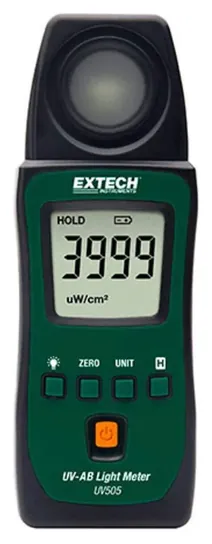
A UV meter only reads the band it was built for: UVA, UVB or UVC. We compared eight meters and test cards, and the Extech UV505 leads for UVA and UVB. When users buy our independently chosen editorial choices, we may earn commissions to help fund the Wiki.
A UV meter sees only the slice of ultraviolet its sensor was built for. A UVB meter reads next to nothing from a blacklight, and a sun-only gadget can't judge a reptile lamp, so the band comes first and accuracy second. This guide is for reptile keepers, people who run germicidal or tanning lamps, and anyone tracking time in the sun.


Editor's Notes
October 23, 2026, by Ezvid Wiki Admin:
The Extech UV505 now leads, because it covers UVA and UVB with a backlit screen, a published accuracy figure and a two-year warranty, and you can still buy it. Most of the old list couldn't say the same. The General Tools UV513AB, Sper Scientific 850009, Solarmeter Model 6.5 and Hilitand UV340B are unavailable, and the SunKnown, Santacary and Stressmarket meters have vanished, so they're out. We also dropped the Amtast UVA365, a UVA-only meter whose owner feedback is sharply split.
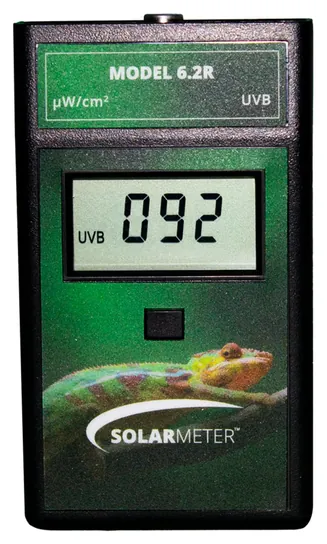
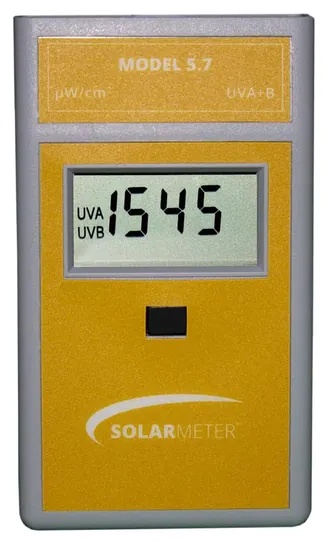
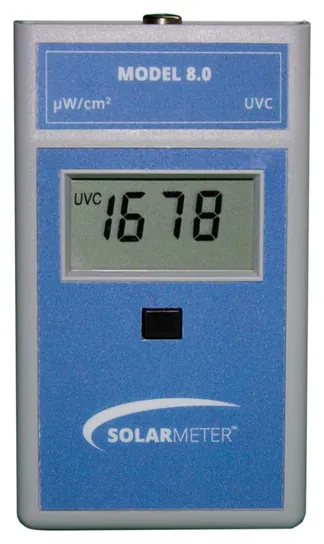
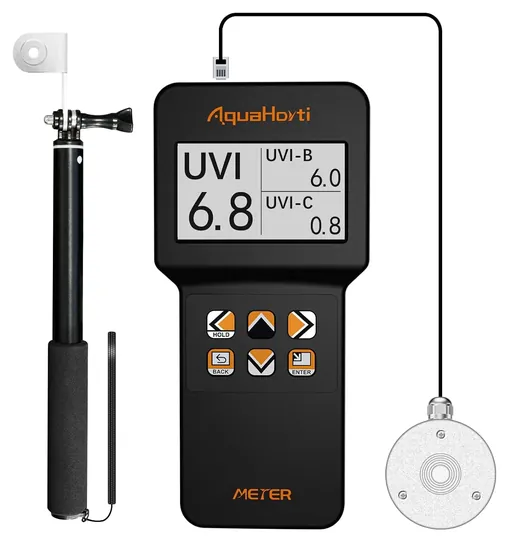
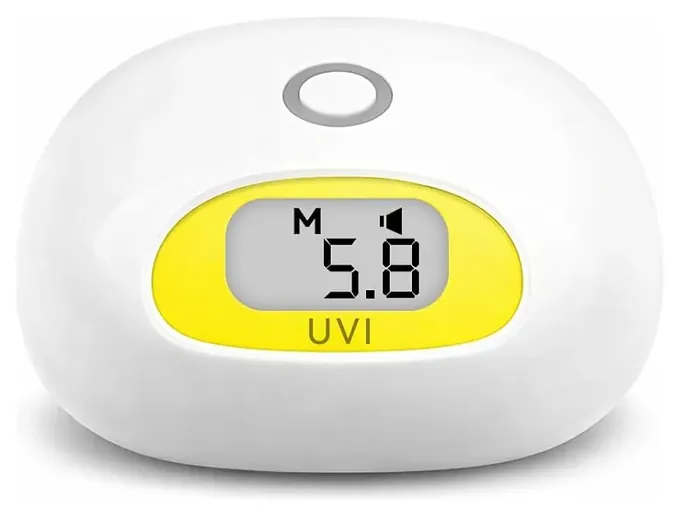
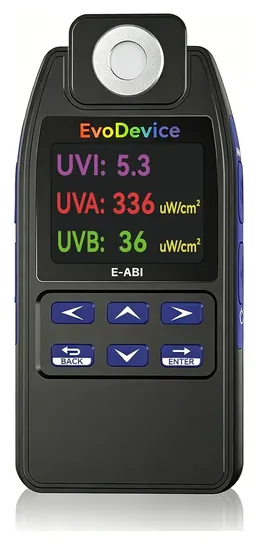
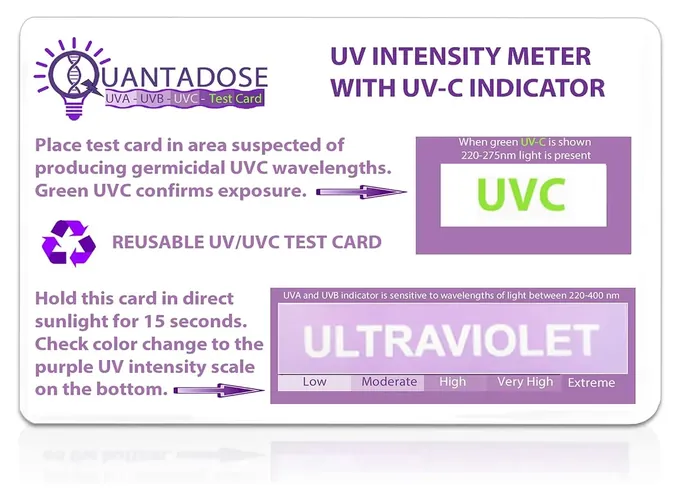
The Solarmeter 8.0 stays for germicidal lamps. New arrivals cover the jobs readers actually have: the Solarmeter 6.2R for reptile tubes, the Solarmeter 5.7 for tanning lamps and eyewear, the AquaHorti AH-UVCBA when you need all three bands, the AquaHorti AH-Sunuvi for beach days, the EvoDevice E-ABI for keepers on a budget, and the QuantaDose UVC Test Card for a quick yes-or-no.
Extech's spec page and Solar Light's printed spec cards gave us the accuracy claims, and EPA and FDA guidance shaped the advice on the UV Index and on working around UVC. If you keep reptiles, ask your lamp maker what reading it expects at basking distance, then hold the meter there.
January 12, 2021:
The decision of which models to keep and which to remove during this update was somewhat in conflict. Ideally, I would have liked to have added more sensitive testers, and those with sensors detached from their bodies, like the Sper Scientific 850009 and Amtast UVA365, though, at the same time, I felt it important to keep budget-friendly and compact options as well as those which are marketed toward the beachgoer, like the Stressmarket.com UV84 – which is what I’ve ultimately done, replacing only two selections, instead of four. Options which measure UVC rays like the Solarmeter Model 8.0 are typically more expensive than those which measure UVA and UVB rays - 95% of (natural) sunlight UV is UV-A.
Another example is the General Tools UV513AB which offers models with both UVA/UVB or UVC measurements, with the latter costing somewhat more. Some testers like the SunKnown Portable and Santacary iU2 display measurements in the form of a UV-index, and this is a good sign that they’re marketed for outdoor applications and not so-much for professional manufacturing, printing, or laboratory/radiography purposes.
January 27, 2019:
We wanted to include UV testers suitable for the home consumer, as well as options that you might find in laboratory settings. For that reason, you'll find both models that cost hundreds of bucks and some that are in the 10- to 20-buck range. We did our best to verify the accuracy and ease of use of every item on this list.
Special Honors
EPA UV Index Forecast The U.S. Environmental Protection Agency publishes a free daily UV Index forecast by ZIP code, on the same scale a sun meter uses. It's a handy cross-check for a pocket meter, and it's free. epa.gov
Solar Light Company Solar Light, the company behind the Solarmeter handhelds, also builds research-grade radiometers and solar simulators for labs, sunscreen testing and phototherapy work. Those are a step up for anyone who needs measurements a report can rely on. solarlight.com
Match The Meter To The Light You're Checking
A UVB-only meter such as the Solarmeter 6.2R reads almost nothing from a blacklight, and a UVA meter ignores germicidal light.
Ultraviolet comes in three bands, and a meter only sees the one its sensor was built for. UVA runs from about 315 to 400 nanometers and comes from blacklights, tanning lamps and curing lamps. UVB, about 280 to 315 nanometers, is what reptile lamps are sold for and what burns skin in summer. UVC, below 280 nanometers, is the germ-killing light from mercury and some LED sanitizers; the FDA explains the differences.
So start with the lamp. A UVB-only meter such as the Solarmeter 6.2R reads almost nothing from a blacklight, and a UVA meter ignores germicidal light. A sun-only UV Index gadget is calibrated to the mix of wavelengths in daylight, so its number for a lamp means little. If you work with several kinds of lamps, a multi-band kit or two single-band meters is the honest answer; no affordable handheld does everything well.
Test cards are the cheap end. They change color under UV and can confirm that a germicidal lamp is working, but they give no number you can track.
Accuracy, Calibration And Lamp Aging
Handheld meters read approximately. Extech rates the UV505 within 5 percent of full scale, which means the error is a share of the top of the range, not of your reading, so low readings are rougher than they look. Solarmeter states plus or minus 10 percent, referenced to NIST standards. Many cheaper meters state no accuracy at all, so treat them as indicators for comparing lamps and spots rather than lab instruments.
The most useful habit is a baseline. Measure a new lamp at a fixed distance and angle, write the number down, and measure again at the same spot every month or two. UV tubes fade long before they stop glowing, so a falling number tells you when to replace one better than the calendar does. Solarmeter's instructions say to let a lamp warm up for about 15 minutes before reading it.
Distance matters a lot: output drops quickly as you move away from a lamp, so always measure where the animal, the skin or the work actually sits. Point the sensor straight at the source, and keep glass, plastic and mesh out of the way unless you're measuring what passes through them.
UV Index, Sun Exposure And UVC Safety
The UV Index is a sun scale. The EPA rates 0 to 2 as low, 3 to 7 as moderate to high, and 8 and up as very high to extreme, and the World Health Organization uses the same scale worldwide. A pocket meter tells you what's hitting you right now, in shade or open sun, which a city-wide forecast can't. Meters that show a UV Index for a reptile lamp are giving a comparable figure for that lamp, not a sun-safety rating.
UVC needs care. It can burn skin and eyes within seconds to minutes, and the FDA warns never to look directly at a UVC source. When you test a germicidal lamp, wear UV-blocking glasses and gloves, cover exposed skin, and measure from the side, ideally with a meter whose sensor sits on a cable. Some UVC lamps also make ozone, so air the room afterward.
A meter doesn't make any lamp safe. It only tells you how much UV is there.
How we researched this
We compared about 20 UV meters and test cards, read Extech's spec page and the printed spec cards for the Solarmeter models, used EPA, WHO and FDA guidance on the UV Index and UVC safety, analyzed owner feedback for patterns, and checked every brand for recalls with the U.S. Consumer Product Safety Commission. We found no published lab comparison of handheld UV meters.
Frequently asked questions
What does a UV meter measure?
It measures how strong ultraviolet light is at the sensor, usually in microwatts or milliwatts per square centimeter, or as a UV Index. Each meter reads only certain bands, so check that it covers UVA, UVB or UVC to match your lamp.
Can a UV meter test sunglasses?
Yes. Take a reading from a UV source, then hold the lens over the sensor and read again. The drop shows how much UV the lens blocks in the meter's band. Solarmeter suggests its UVA and UVB models for this.
Can my phone measure UV?
Not directly. Phone weather apps show a forecast UV Index for your area, which is useful, but phone cameras and light sensors aren't built to measure ultraviolet. For a reading where you stand, you need a meter.
How do I know when to replace a reptile UVB bulb?
Measure the new bulb at basking distance and note the number. When later readings at the same spot fall well below that, or below what the lamp maker recommends, replace it, even if it still lights up.
Is it safe to test a UVC lamp?
Only with protection. UVC can burn skin and eyes quickly. Wear UV-blocking glasses and gloves, never look into the lamp, and use a meter with a remote sensor if you can, per FDA guidance.
What is a high UV Index?
The EPA treats 3 to 7 as moderate to high and 8 or more as very high to extreme. At those levels, shade, clothing and sunscreen matter more, especially around midday.