The 10 Best Wet Dry Vacuums
Updated by · How we research

Ten corded wet/dry shop vacs compared by suction, hose width, noise and size, from car-floor minis to 16-gallon drums. Best overall: the Ridgid 62703. When users buy our independently chosen editorial choices, we may earn commissions to help fund the Wiki.
The horsepower figure printed on a shop vac is a peak number taken with the motor stalled, and it says little about how well the vac cleans. The hose matters more: a wide one swallows wood chips and gravel that choke a thin one. This page covers corded wet/dry shop vacs for garages, basements, workshops and cars, not mop-style floor cleaners.


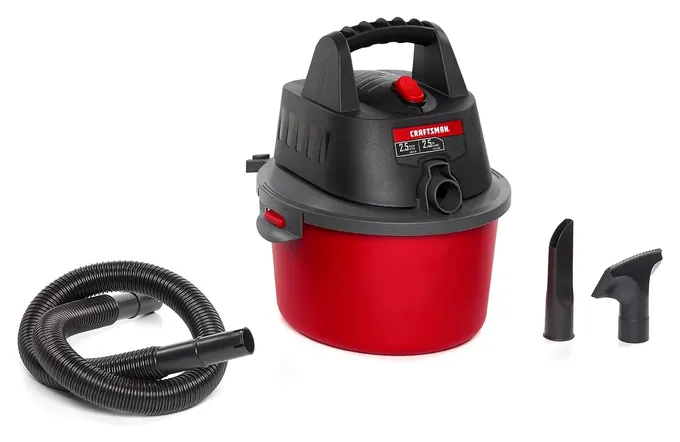
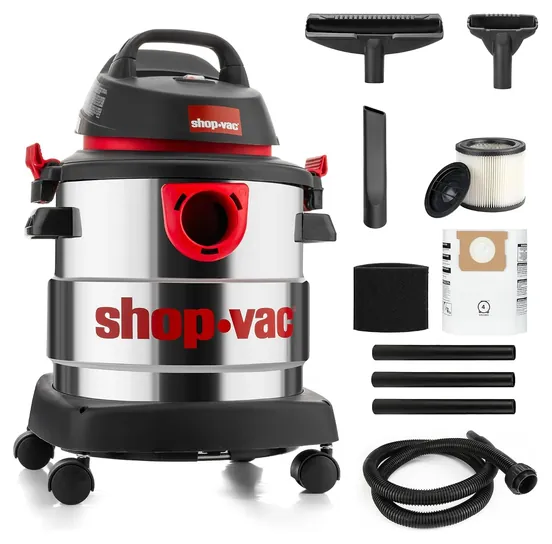
Editor's Notes
October 23, 2026, by Ezvid Wiki Admin:
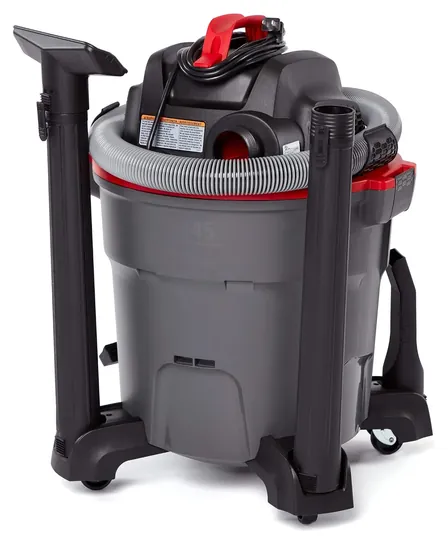
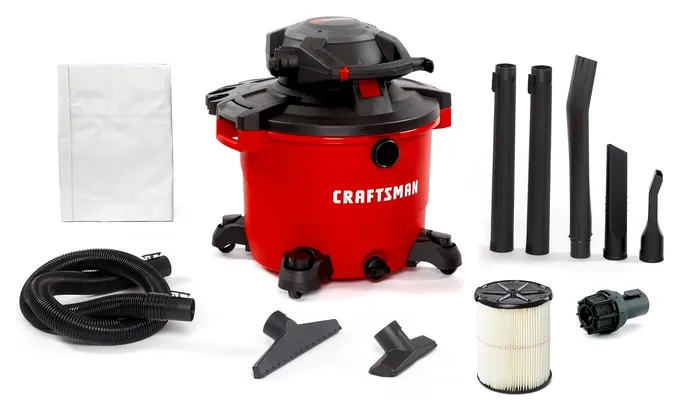
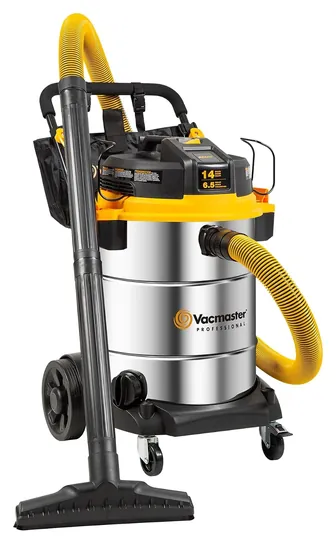
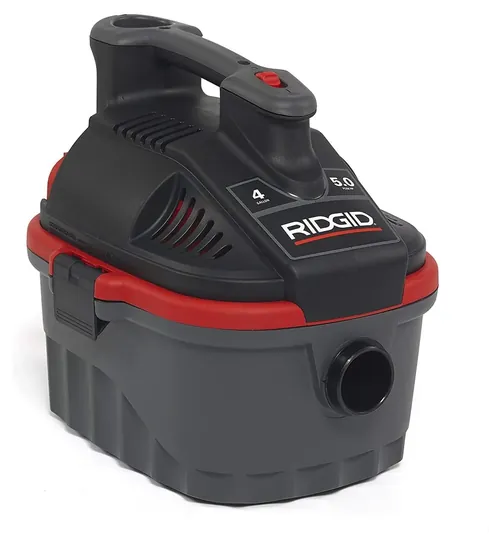
The Ridgid 62703 stays on top. Two shop vac roundups still call it the best choice for most people, and its locking hose fixes the most common gripe about cheaper vacs. The Craftsman CMXEVBE17607 stays too, now as the pick for big messes, and the Vacmaster Beast returns as the current Vacmaster Beast VJE1412SW with the same stainless drum.
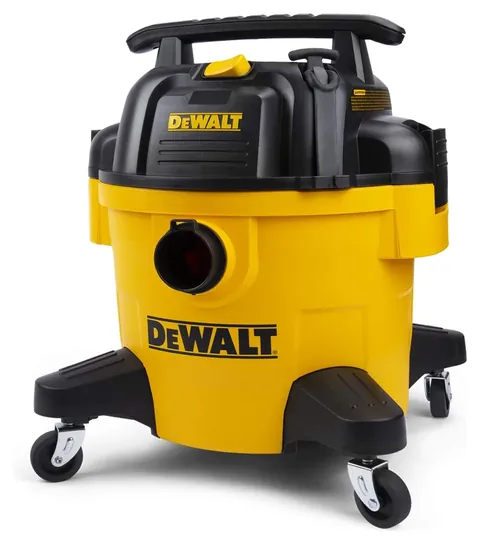
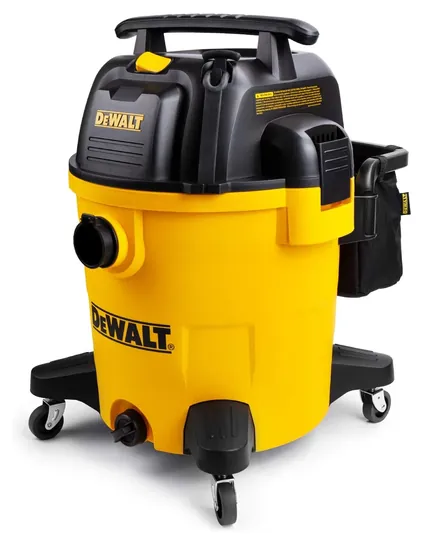
The rest of the list needed work. The Ridgid WD1451 and the cordless DeWalt Max DCV581H can't be bought new anymore, and the Karcher T-WD5P, Mercury Storm and Vacmaster VQ607SFD have faded from regular sellers. We dropped the DeWalt DXV09P because it sits right between the DeWalt DXV06P and DeWalt DXV12P, and we traded the tiny Shop-Vac Micro for the stainless Shop-Vac 5989305.
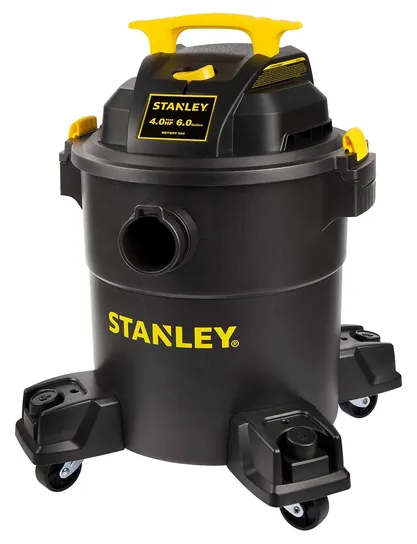
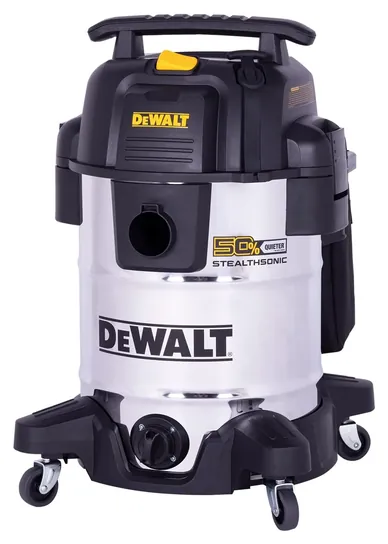
The new picks cover what people search for: a cheap one in the Stanley SL18116P, a quiet one in the DeWalt DXV10S-QT, and small ones for cars and RVs. The most useful evidence was a lab that ran each vac through dry debris and buckets of muddy water while measuring airflow, suction and noise. The only recall we found covers older Ridgid models that aren't on this list.
December 02, 2020:
During this update, we focused on two things. We wanted to increase the versatility in the offerings so that every user could find one right for their needs, and we made sure to include some of the most recent models from companies so there wouldn't be availability issues.
With the above priorities in mind, we added the Shop-Vac Micro. Previously, the only handheld model we had was the DeWalt Max DCV581H, which is more powerful and has a more rugged overall build, however the Shop-Vac Micro is more affordable and is smaller in size. The DeWalt Max DCV581H has a two-gallon tank, whereas the Shop-Vac Micro has a one-gallon tank, which means it may be a better choice for homes with very little space to spare for tools.
We also added the Vacmaster Beast, which took the place of the Workshop Cleaner, our previously-recommended large-capacity steel tank model. While there was nothing inherently wrong with the Workshop Cleaner, we just feel that users will appreciate the padded handle of the Vacmaster Beast, especially when the 16-gallon tank is filled to the brim with water. Other than that difference, they both have essentially the same specs and equally reliable motors.
The DeWalt DXV09P was included this time around because we didn't have any other 9-gallon models on the list. Previously, our recommendations jumped from those with 6-gallon tanks to those with 12-gallon tanks, which we felt was a bit too large of a spread. As with all of the company's power tools, the DeWalt DXV09P can stand up to serious use day after day.
December 15, 2019:
Wet/dry vacs are remarkably useful tools, whether you're working at a professional construction site or in the comfort of your own home workshop. Vacmaster makes a couple very good yet relatively inexpensive models; the Vacmaster VBV is especially portable and the Vacmaster VQ607SFD is quite large and durable, but it's also very heavy. The Shop-Vac EZ, made by the company whose name is now ubiquitous with these versatile tools, is another highly affordable choice that can get a lot done. In fact, it comes with a gulper nozzle designed specifically to draw in large amounts of fluid at once.
In the middle of the pack, price-wise, and the best options for medium-duty work, are the Ridgid WD1270 and Ridgid WD1450. They're both pretty similar; the main difference is the 12- versus 16-gallon tank as well as the overall weight of the units. At 18 pounds, the WD1270 is quite easy to move around, but the larger WD1450 is still a great choice if you need the extra capacity.
If large messes are commonplace where you live or work, there are plenty of great options, but they will cost you quite a bit more. The Karcher Multi-Purpose has a powerful 1,800-watt motor and an automatic filter cleaning function, though it doesn't, of course, entirely eliminate the need for manual cleaning and replacement of the filter. The Craftsman XSP is easy to empty and maintain and has a durable top-mounted handle that makes it also pretty easy to lug around. The Workshop Cleaner and Mercury Storm, meanwhile, are suited to near-constant use, and feature incredibly large tanks as well as sturdy, never-flat wheels, making them great for use on construction sites, but a bit cumbersome if they need to be used on different floors.
Special Honors
Festool Dust Extractors Festool's CT dust extractors are what many cabinet shops and remodelers use when fine dust is the main problem. They pair sealed HEPA filtration with an outlet that switches the vac on when a sander or saw starts, and they connect to Festool's tool system. They cost several times as much as a shop vac and they're sold through tool dealers, so they fit pros who sand and cut every day. festoolusa.com
Milwaukee M18 Fuel Wet/Dry Vacuums For jobs far from an outlet, Milwaukee's M18 Fuel wet/dry vacs run on the same batteries as its drills and saws. Buying guides rate them the strongest cordless shop vacs, though any battery vac still runs out long before a corded one. They're sold mostly through home centers and tool dealers, and the battery is often extra. milwaukeetool.com
Horsepower, Suction And The Hose
A 1.25-inch hose fits tool ports and tight spots but clogs on chunky debris, the most common complaint about small vacs.
Every shop vac box leads with peak horsepower, and it's the least useful number on it. It's a stall figure, not a measure of cleaning, and buying guides such as The Honest Reviewers tell readers to ignore it. Two other figures matter more. Water lift, in inches, is how hard the vac pulls, which counts for standing water and packed dirt. Airflow, in cubic feet per minute, is how much air moves, which counts for sawdust and light debris.
When TechGearLab measured a group of shop vacs, the spread was wide: suction ran from 27 to 94 inches of water lift and airflow from 10 to 274 cubic feet per minute. The weakest was a small cordless model; the strongest were big corded drums.
The hose decides what a vac can swallow. A 2.5-inch hose takes wood chips, gravel, wet leaves and tile scraps. A 1-7/8-inch hose handles most garage messes. A 1.25-inch hose fits tool ports and tight spots but clogs on chunky debris, the most common complaint about small vacs. A locking hose that clicks into the drum won't pull loose when you tug it.
Water, Fine Dust And Filters
Most shop vacs use a pleated paper cartridge for dry dirt. For water, many makers say to take the cartridge off or swap in a foam sleeve, because a wet paper filter tears and clogs (The Honest Reviewers). Let the drum, foam and cartridge dry before the next dry job, or mildew and caked dust follow. Use the drain on bigger drums: a full 16-gallon drum of water weighs well over 100 pounds (The Consumers Guide).
Drywall dust, sanding dust and fireplace soot slip straight through a bare cartridge and blow back into the room. A collection bag inside the drum catches them and keeps the filter from caking. Fine-dust cartridges help too.
Concrete, brick and stone dust is a different matter. It contains crystalline silica, and federal rules for construction work call for a HEPA-filtered vacuum for many cutting and grinding jobs; see OSHA's silica construction page. Dust extractors from makers like Festool and Bosch are built for that work, with sealed HEPA filtration and outlets that start the vac when the tool starts.
Size, Noise And Safety
Pick the drum by the job, not by the biggest number. A 2.5- to 5-gallon vac handles cars, stairs and a workbench and stores on a shelf. Six to nine gallons suits a garage. Twelve to 16 gallons is for flooded basements, renovation debris and jobsites, but those drums are bulky in a closet and heavy when full.
Shop vacs are loud. In lab measurements most ran from about 89 to 102 decibels (TechGearLab), loud enough that ear protection makes sense for long jobs. Quiet models change that: Quietest puts DeWalt's quiet line at roughly 65 to 75 decibels, closer to a household vacuum.
A shop vac is not for everything. Never vacuum gasoline, solvents or their fumes, hot ash or embers, or explosive dust, because the motor can spark. Plug in through a GFCI outlet when the floor is wet, keep the cord out of puddles, and unplug before changing a filter. The one recall we found covers 2018 Ridgid NXT 6- and 9-gallon models whose switch could expose wiring (CPSC); none of those is on this list.
How we researched this
We compared about two dozen wet/dry shop vacs, read the makers' specs, filter charts and safety warnings, studied one lab's measurements of airflow, suction and noise along with several buying guides, analyzed owner feedback for patterns such as clogging and seal failures, and checked every brand for recalls with the U.S. Consumer Product Safety Commission.
Frequently asked questions
How is a wet/dry vac different from a household vacuum?
A wet/dry vac has a drum instead of a bag compartment, a wide hose, and a motor sealed off from the air stream, so it can suck up water, mud and chunky debris that would ruin a household vacuum. Most also drain and blow. They're louder and bulkier, and they lack the beater brush a carpet vacuum uses.
Can I vacuum water with the filter on?
It depends on the vac. Many makers say to remove the paper cartridge or cover it with a foam sleeve for wet pickup, since a wet paper filter tears. Check the manual, and dry everything before the next dry job.
Is a wet/dry vac good for drywall or concrete dust?
For drywall and sanding dust, use a collection bag or a fine-dust filter so the cartridge doesn't clog. Concrete and stone dust contains silica, and construction work calls for a HEPA-filtered vacuum or a dust extractor.
What does peak horsepower mean?
It's a stall figure, measured with the motor under a load it can't turn, and it doesn't tell you how well a vac cleans. Water lift and airflow are better guides, and the hose width matters as much as either.
What is the quietest shop vac?
DeWalt's quiet line, including the DeWalt DXV10S-QT, is made to run at about half the noise of a standard shop vac. Most other shop vacs are loud enough that ear protection is wise for long jobs.
Are wet-dry floor cleaners the same thing?
No. Mop-style wet-dry floor cleaners scrub and dry hard floors with a spinning roller and a clean-water tank. A wet/dry shop vac sucks up spills, mud and debris but doesn't wash floors.