The 9 Best 9V Batteries
Updated by · How we research

Alkaline, lithium and rechargeable 9V batteries for smoke alarms, guitar pedals and meters, compared. Energizer Ultimate Lithium leads for shelf life and cold. When users buy our independently chosen editorial selections, we may earn commissions to help fund the Wiki.
Every 9-volt battery shares one standard size, so fit is never the question: what's inside is. A cheap alkaline cell is fine in a smoke alarm you change each year. Lithium lasts years longer on the shelf, works in hard cold and rarely leaks. Rechargeables pay off in guitar pedals and meters that eat batteries every few weeks.


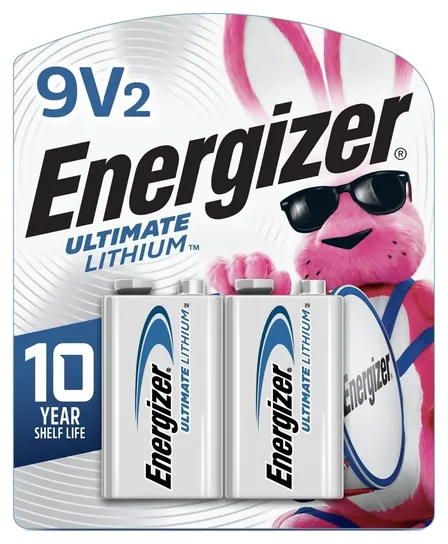
From the manual
- Rated for up to 1,000 mA of continuous draw, with a built-in heat-sensitive switch and burst-proof vents as safety features. p. 1
- Its voltage stays nearly flat for most of a discharge, then falls off quickly at the end. p. 1
- For medical devices, Energizer says to check the device maker's battery specifications before swapping in this lithium cell. application manual, p. 2
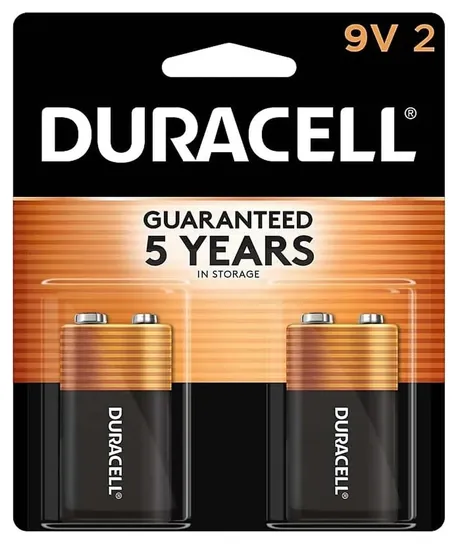
From the manual
- Rated from -4 to 130 F, so a car or unheated garage in deep winter is outside its range. p. 1
- The 580 mAh rating is on a light 620-ohm load; Duracell says delivered capacity depends on the load, temperature and cutoff voltage. pp. 1, 4
- Duracell says to store spares between 50 and 77 F with humidity under 65 percent; refrigeration isn't needed. p. 5
- Take it out of any device you won't use for several months, and never try to recharge it. p. 5
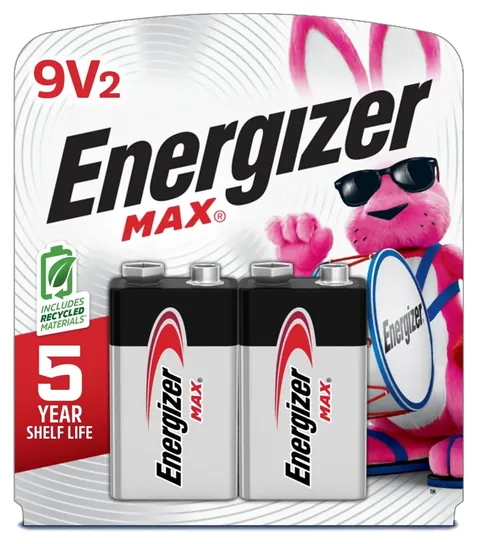
From the manual
- The five-year shelf life is rated at room temperature, about 70 F, so a hot garage or attic is a poor place for spares. p. 1
- Its operating range bottoms out around 0 F, so a car in a hard freeze is outside its rating. p. 1
- Capacity falls as the draw rises: Energizer charts about 600 mAh at 10 mA but closer to 450 at 50 mA. p. 1
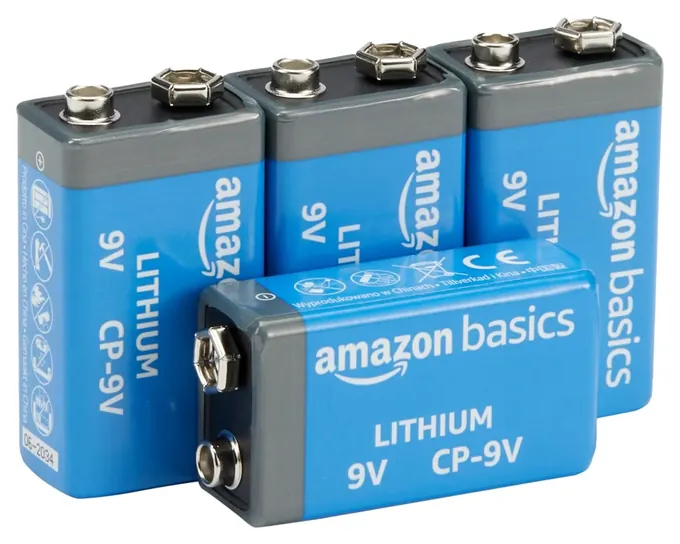
From the manual
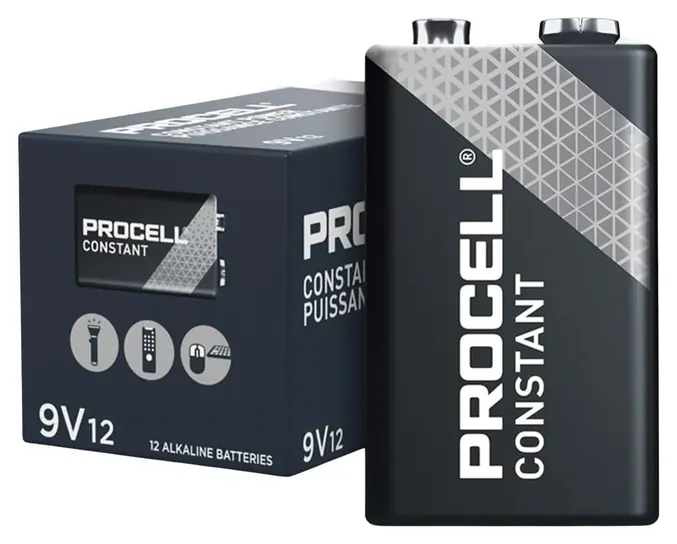
- Procell recommends storing spares at 42 to 85 F in a clean, cool, dry, ventilated room. p. 1
- Rated from -4 to 130 F, the same as a standard alkaline cell, so it's no pick for deep cold. p. 1
Editor's Notes
November 17, 2026, by Ezvid Wiki Editors:
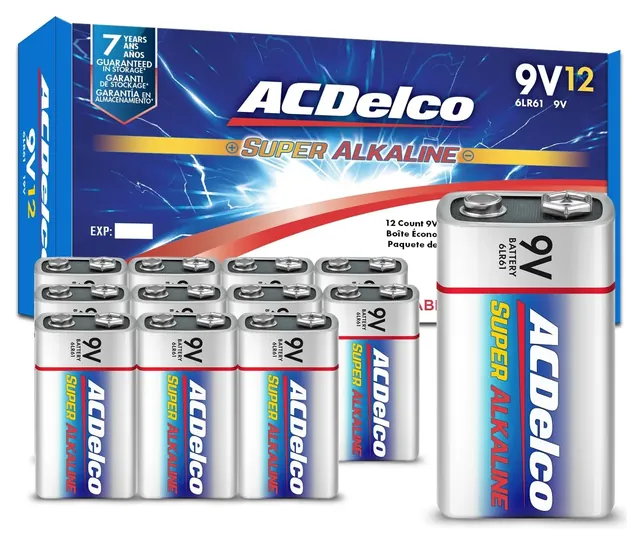
The ACDelco Super Alkaline eight-pack is no longer offered, so the same cell now appears in its twelve-pack; every other pick stays, with updated prices, after a recheck of listings and recall records. We read Energizer's, Duracell's and Procell's data sheets, and added notes from them. We corrected the claim that few battery makers publish technical sheets and the guide's lithium capacity figure, flagged that Tenergy's own pages give two different cold ratings, and noted that Call2Recycle is now The Battery Network.
November 16, 2026, by Ezvid Wiki Editors:
The eight-pack of the ACDelco Super Alkaline is no longer offered, so the same cell now appears here in its twelve-pack. We rechecked every other pick against current listings and recall records, and they all stay in place with updated prices.
October 22, 2026, by Ezvid Wiki Editors:
Lithium now leads this list. The Energizer Ultimate Lithium moves to the top because it holds its charge for a decade in storage, works in deep cold and resists leaks, which is what meters, wireless mics and outdoor sensors need. For a smoke alarm you change every year, a plain alkaline such as the Duracell Coppertop still makes sense, and the page now covers which cell goes where.
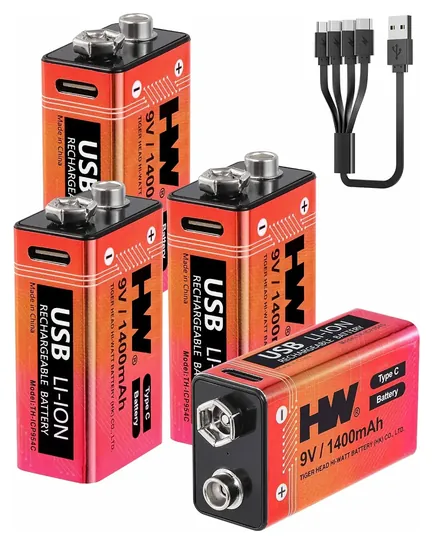
The Duracell Quantum, EBL NiMH and TalentCell Lithium Ion are gone from sale. We dropped the Energizer Industrial as a near-twin of the alkaline picks, the Allmax Premium, which now comes only in a 48-count box, and the Rayovac Fusion, which has less published data than the cells that replace it. The Tenergy Lithium and ACDelco Super Alkaline stay, and a store-brand alkaline twelve-pack returns. The HW USB-C Rechargeable takes the rechargeable slot for pedal and meter users.
Nobody runs a big head-to-head lab test of 9-volt cells, so we leaned on Duracell's and Energizer's own technical sheets, one hobbyist's measured discharge curve, a European retailer's chemistry comparison and long forum threads where electronics hobbyists swap notes on the cells in their meters.
Earlier notes
January 6, 2021, by Will Rhoda:
Our rankings didn’t change dramatically during this round of updates. Without many exciting developments in the breakneck fastlane of nine-volt battery technology, we left our list basically intact, although we did windup removing the Maxell 1-Pack in order to make room for the Tenery Non-Rechargeable.
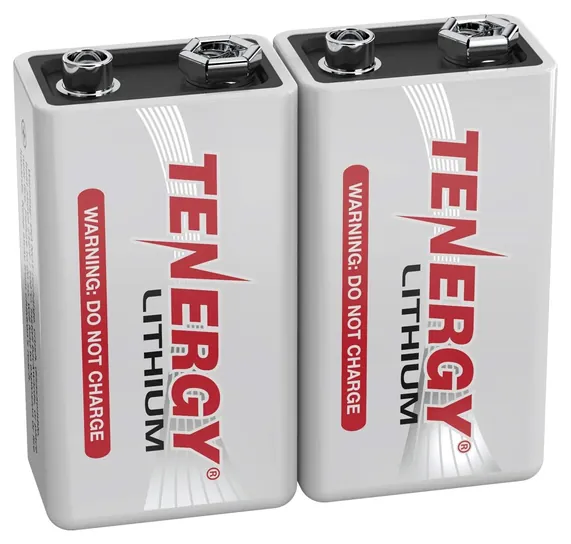
While our previously ranked option from Maxell remains a serviceable, affordably priced model that will meet many users’ needs, we felt that our alternative pick from Tenergy deserved a seat at the table due to its decade-long shelf life and 1,2000-milliamp-hour capacity — which far exceeds much of the competition. We also appreciated that the manufacturer took time to design a slight housing with rounded edges, which should avoid any problems getting it to fit into a nine-volt battery compartment, which many users have reported with other brands.
[2026 update: Tenergy rates this cell at 1,200 milliamp-hours, measured on a lighter load and to a lower cutoff voltage than Duracell uses for its alkaline rating.]
August 16, 2019, by Melissa Harr:
At this time, we have added most types of 9v battery, including standard alkaline options, although we’ve elected not to add any carbon zinc models (since alkaline batteries are generally a better bet when it comes to inexpensive disposables). Top choices come from the brands you’d expect, including ACDelco, Energizer, and Duracell. We especially like the long-lasting power of the Energizer Ultimate Lithium for smoke alarms, but the shape might make them hard to fit into some devices. As for rechargeable choices, the EBL NiMH or TalentCell Lithium Ion will work for many. The latter is incredibly portable and handy thanks to a micro USB port, which means you aren’t tied to any one specific charger. It has a higher upfront cost than some, but it should save you some cash over time.
Special Honors
Call2Recycle Call2Recycle, the nonprofit battery collection program, renamed its U.S. network The Battery Network in January 2026; Call2Recycle Canada keeps the old name. Its locator finds drop-off boxes at stores such as Home Depot and Lowe's. Every site takes used rechargeables, but only some take single-use cells such as alkaline or lithium 9Vs. Tape the terminals of every 9V before you drop it off, since loose cells can short against each other in the bin. batterynetwork.org
Kidde 10-Year Sealed Smoke Alarms If you're tired of yearly battery swaps, a smoke alarm with a sealed 10-year lithium battery ends them. Kidde sells sealed-battery models, and the whole unit is replaced at the end of its life rather than opened. Some states require sealed alarms in certain homes. Check the alarm's listing and your local fire code, and keep testing it every month. kidde.com
Alkaline, Lithium Or Rechargeable
It's the better buy for meters, wireless mics, outdoor sensors and anything left in a cold car.
Every 9-volt battery has the same body, called 6LR61 for alkaline or PP3 in Britain, with both snap terminals on one end, so any brand fits any device. The choice is the chemistry inside.
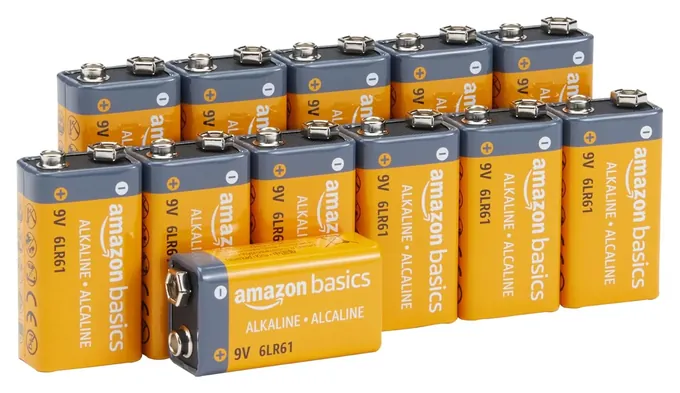
Alkaline is the default. A Duracell alkaline 9V weighs about 45 grams, is rated from -4 to 130 F and is rated at 580 mAh on a light load (Duracell MN1604 data sheet). Its capacity shrinks as the draw rises: a battery reviewer's test of a standard alkaline 9V showed less capacity at anything above about 10 mA (lygte-info.dk). That's plenty for a smoke alarm, which sips power.
Single-use lithium weighs less, keeps for 10 years in storage and works from -40 to 140 F (Energizer L522 data sheet). It also holds more, especially under load: Energizer's charts show about 800 mAh at a 25 mA draw for its lithium cell against about 560 for its MAX alkaline (Energizer 522 data sheet). It's the better buy for meters, wireless mics, outdoor sensors and anything left in a cold car.
Rechargeables come in two kinds. NiMH 9V cells hold far less, often under 300 mAh. USB-C lithium-ion cells advertise 1,000 mAh or more, but that figure is measured at the internal cell's lower voltage, so the real energy is smaller than it looks; in one retailer's 2020 bench test, a 500 mAh lithium-ion 9V delivered a little less energy than an ordinary alkaline at a 50 mA draw and more at heavier draws (Baltrade). They still save money in pedals and meters that drain cells every few weeks. Avoid carbon-zinc "heavy duty" 9Vs, which hold little and leak more.
Smoke Alarms: What The Makers And Fire Officials Say
The alarm's manual decides the battery. Most battery-powered alarms take an ordinary alkaline 9V, and some list specific lithium cells as approved alternatives. Many makers don't list rechargeables, and a regulated lithium-ion cell holds a steady voltage until it quits, which can cut short the alarm's low-battery warning.
Fire departments give the same routine: test each alarm monthly with its button, replace an alkaline battery at least once a year or as soon as the alarm chirps (Olathe, Kansas, Fire Department). A lithium cell's 10-year rating is its shelf life, not a promise of 10 years in an alarm, and real alarm life varies by model.
The whole alarm wears out too. Fire marshals recommend replacing smoke alarms every 10 years, and their association backs alarms with sealed 10-year batteries (Fire Engineering on NASFM guidance). Some states require sealed alarms in certain cases, so a fresh 9V doesn't always satisfy the rules when you sell or rent a home.
Storing And Disposing Of 9-Volt Batteries Safely
A 9V is the one household battery with both terminals side by side, so a coin, key, paper clip, foil or another battery can bridge them and get hot enough to start a fire. Idaho's Department of Insurance warns that even a partly used 9V can ignite in a junk drawer or trash bag (Idaho Department of Insurance).
Keep spares in their package or a plastic case, standing upright and apart from metal. Cover both posts with electrical tape before you toss or recycle a used cell. Store batteries somewhere cool and dry, write the purchase date on the box, and take them out of anything you won't use for months. Don't mix old and new cells, or two brands, in the same device, and never try to charge an alkaline or single-use lithium cell.
Rechargeable cells belong in a battery drop-off rather than the trash. The Battery Network, formerly Call2Recycle, lists sites at stores such as Home Depot and Lowe's, but only some of them take single-use batteries (The Battery Network FAQ); for alkaline and single-use lithium cells, check your town's household hazardous waste program. If you came here looking for a small round battery, that's a coin cell, a different type entirely; see our CR2025 guide.
How we researched this
We compared 17 9-volt batteries across alkaline, lithium, rechargeable and carbon-zinc types. We read Energizer's data sheets for the Ultimate Lithium (L522) and MAX (522), Duracell's Coppertop MN1604 sheet and alkaline technical bulletin, Procell's PC1604 sheet, Tenergy's spec pages and the battery list in a Kidde smoke alarm manual. The outside sources that mattered most were lygte-info.dk's discharge tests, Baltrade's 2020 bench test of alkaline, NiMH and lithium-ion 9Vs, an EEVblog forum thread on meter batteries, and smoke alarm guidance from the Olathe Fire Department, Idaho's Department of Insurance and the state fire marshals' association. A November 2026 search of U.S. Consumer Product Safety Commission recall records found no recall of any 9-volt battery from these brands.
Sources (18)
- Duracell: MN1604 9V data sheet
- Energizer: L522 lithium 9V data sheet
- Energizer: 522 MAX 9V data sheet
- Procell: PC1604 9V data sheet
- Energizer: Ultimate Lithium 9V product page
- Duracell: Coppertop 9V product page
- Procell: Alkaline 9V product page
- Tenergy: 9V lithium two-pack spec page
- Tenergy: 9V lithium single-cell spec page
- Kidde: Code One smoke alarm owner's manual, battery list
- lygte-info.dk: Panasonic 9V ProPower test
- Baltrade: 9V battery test, alkaline vs NiMH vs Li-ion
- EEVblog forum: Best 9V battery
- Idaho Department of Insurance: 9-volt battery safety
- Olathe Fire Department: Smoke alarms
- Fire Engineering: NASFM smoke alarm guidance
- The Battery Network (formerly Call2Recycle): FAQ
- CPSC: recalls database
Frequently asked questions
Is Duracell or Energizer better for 9-volt batteries?
No independent lab has published a head-to-head of their 9V cells. Both alkaline lines carry a five-year storage rating, both makers publish technical sheets, and smoke alarm manuals often list both by part number. Energizer MAX usually costs less. For lithium, Energizer is the established brand.
Can I use a lithium 9V in a smoke alarm?
Only if the alarm's manual lists it. Many alarms accept specific lithium 9V cells, but some are designed for alkaline only. Lithium may last longer in the alarm, but test it monthly like any other battery.
How long does a 9V battery last in a smoke alarm?
Plan on about a year for alkaline, which is why fire departments say to change it yearly. Lithium can last longer, but results vary by alarm. Replace any battery as soon as the alarm chirps.
Are rechargeable 9V batteries any good?
Yes, for guitar pedals, meters and toys that use a lot of power. Their capacity labels can overstate the energy, and many smoke alarm makers don't approve them, so use single-use cells there.
Is there a round 9V battery?
No. Every 9V battery is a rectangular block with two snap terminals on one end. Small round batteries are coin or button cells, such as the 3-volt CR2025, which is a different battery.
Why do 9V batteries start fires?
Both terminals sit close together on top, so metal objects or another battery can connect them and cause a short. Keep spares in the package and tape the terminals before disposal.