The 9 Best AC Leak Stoppers
Updated by · How we research

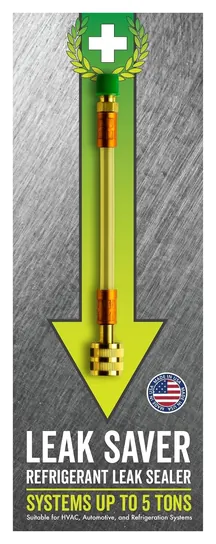
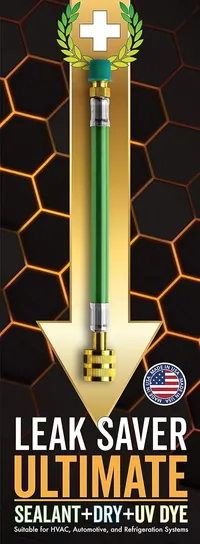
Nine refrigerant leak sealers for home AC, mini-splits and cars, compared by system size, chemistry and dye. Try the Leak Saver Direct Inject first. When users buy our independently chosen editorial selections, we may earn commissions to help fund the Wiki.
A refrigerant sealer can only close small leaks. One maker's rule of thumb is that if the whole charge escapes in under a week, the hole is too big and has to be found and brazed. These injectors suit homeowners weighing a cheap fix against a new coil, the technicians they hire, and drivers whose car air slowly turns warm.


Editor's Notes
October 26, 2026, by Ezvid Wiki Admin:
The Leak Saver Direct Inject moves to the top. It's cheap, it fits most home systems, and its maker says plainly what it can't do: a leak that drains the system in under a week is too big for any sealant. That honesty matters here, because the best sealer can't save a coil that's rotting through.
For this category the evidence was the makers' leak-size rules, dose charts and labels, the EPA's refrigerant rules, and recall searches for every brand. Effectiveness figures come only from the makers, and technicians still argue about whether sealers belong in a system at all, so the guide covers both sides.
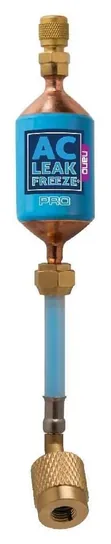
The RectorSeal Magic Frost and the older AC Leak Freeze 00284 are hard to find now, and the RectorSeal Leak Freeze Pro Nano takes their place. The Cliplight Super Seal Advanced costs far more and can't be sold in several states. The Interdynamics AC Pro MRL-3 is unavailable, and the ZeroR Kit drew weak owner feedback.
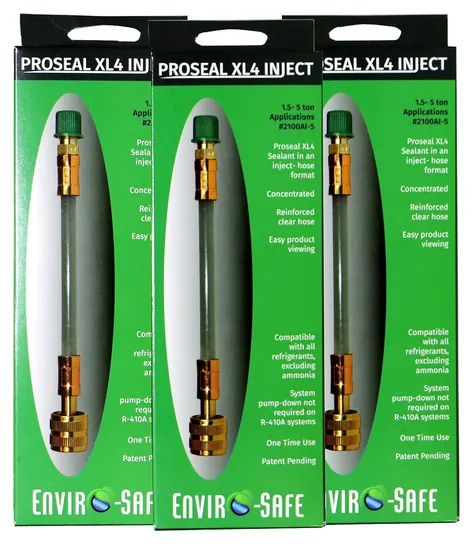
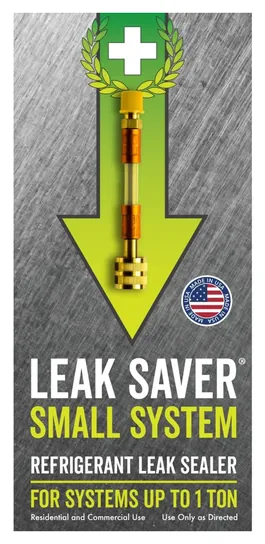
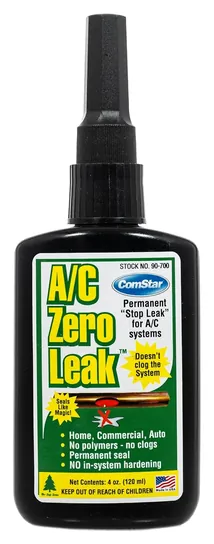
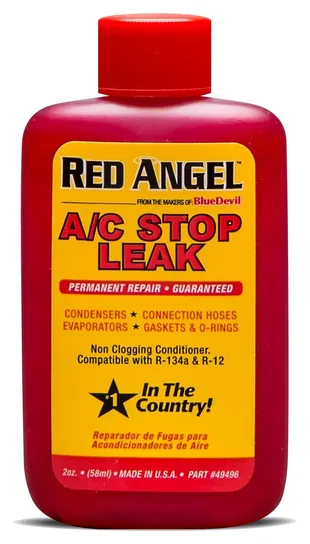
New are the Enviro-Safe ProSeal XL4 for anyone treating several systems, the Leak Saver Small System for mini-splits, the ComStar A/C Zero Leak for technicians with an oil injector, and the BlueDevil Red Angel for cars.
February 09, 2021:
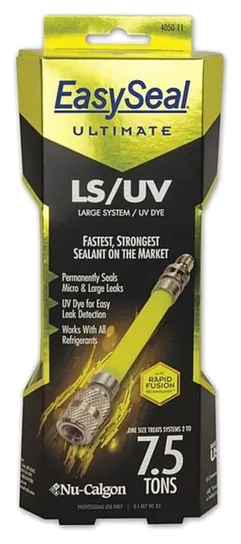
Depending on the circumstance, you may need to pump down your condenser to add these sealants as they will move with your refrigerant and fill in the gaps, though this won’t always be the case. For instance, the Nu-Calgon EasySeal Ultimate and RectorSeal Magic Frost won’t require pumping down and letting the system stand before recharging. You’ll obviously need a method to add the refrigerant for direct-inject systems, which is why I’ve included the convenient leak shot HVAC which you can apply to the low side service port of your system without having to charge it in with refrigerant.
May 20, 2019:
Not every option listed here is suitable for both home and auto use, so make sure to double-check that whichever one you're considering is suitable for your intended application before buying. Likewise, while most are universally compatible with refrigerants and oils, that's something you should be absolutely certain of before installation.
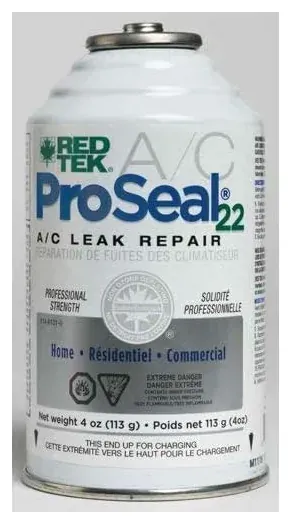
The method of installation should also be carefully considered. Some can screw directly into your system, while others require a connection hose (which may or may not be provided — Red Tek ProSeal22 requires you to supply your own, for example).
Beyond that, there are a variety of features that you should think about. One important consideration is whether you want the sealant to mix with the oil; the advantage to this is that it's certain to form a seal, while the danger is that it might solidify prematurely, causing a clog that derails your whole system. Nu-Calgon A/C Easy Seal is one of the few that doesn't mix with the oil, if that's your preference.
Special Honors
Leak Shot HVAC Pro Leak Saver's Leak Shot HVAC Pro is a metal injection gun that pushes the company's Direct Inject sealants into a system with refrigerant-grade CO2 cartridges instead of a gauge set. The same tool clears clogged condensate drain lines with the included rubber adapters. The kit comes with three cartridges and a flexible hose, and the sealant is sold separately. leaksavers.com
Will A Sealer Fix Your Leak?
Leak Saver claims its sealant works about 90 percent of the time, but that's the maker's figure, not an independent test.
Only if the leak is small. Leak Saver puts it simply: if the whole refrigerant charge doesn't escape within seven days, its sealant can close the leak; if it's gone sooner, the hole should be found and brazed. Most home leaks are pinholes in the indoor coil, often from a slow pitting corrosion that eats copper tubing from the inside, or from tubes rubbing where they vibrate.
There are two kinds of sealer. Reactive sealers, like Leak Saver and Nu-Calgon EasySeal, stay liquid inside the system and harden only when they meet air and moisture at the leak. Non-reactive ones, like RectorSeal's polymer-free AC Leak Freeze and ComStar's oil additive, plug holes with fine particles or conditioned oil. Leak Saver claims its sealant works about 90 percent of the time, but that's the maker's figure, not an independent test.
Technicians are split. Some use sealers to buy an old system a few more years; others worry about clogged metering devices and contaminated recovery machines, and some shops ask before servicing a treated system. If the charge drops fast, skip the sealer and find the leak with bubble solution, an electronic detector or UV dye. Dye versions, such as the Leak Saver Ultimate, help with that second step if the sealant fails.
Match The Dose To Your System
Sealers are dosed by system size in tons of cooling. A home system's tonnage is usually coded in the outdoor unit's model number as thousands of BTUs: 24 means two tons, 36 means three, 60 means five. Too little sealant may not reach the leak; a full-size dose in a tiny system is waste at best.
Most direct-inject sealers cover about one and a half to five tons, which is most central AC and heat pumps. Nu-Calgon sells EasySeal Ultimate in several sizes: up to two tons, two to seven and a half tons with dye, and two to ten tons. Mini-splits, dehumidifiers and ice machines take a small-system dose, and many mini-splits need a 5/16-inch to 1/4-inch adapter for a standard gauge hose. Window units often have no service port at all.
Check the refrigerant too. Most home injectors work with R-410A and R-22. If your system uses a newer mildly flammable refrigerant such as R-454B or R-32, use only a sealer its maker lists for it. Car kits are a separate world: most cars built before the late 2010s use R-134a, while many newer ones use R-1234yf, which has different fittings. The EPA's car A/C page explains the difference.
Refrigerant Rules, Safety And Warranties
Anyone can buy a sealer, but refrigerant is another matter. Under the Clean Air Act, refrigerant for home and commercial systems can only be sold to technicians with EPA Section 608 certification (EPA: refrigerant sales). Small cans of R-134a for a car with a self-sealing valve are the exception. Venting refrigerant on purpose is illegal (EPA: venting prohibition), so a home system that's low after a sealer still needs a certified technician to top it up.
Connecting gauges to a running system means high pressure and refrigerant cold enough to cause frostbite, so wear gloves and eye protection, and leave it to a pro if you've never used a manifold gauge set. Some cans, like Red Tek ProSeal22, are flammable. The EPA's leak repair rules apply only to systems holding 50 pounds or more, so they don't cover home units.
Before you inject anything, read your equipment warranty, since some makers may not cover a system treated with sealant. Tell any technician who works on the system later that it holds a sealer, so they can protect their recovery machine.
How we researched this
We compared 22 refrigerant sealers and leak kits for home and car systems and screened nine finalists in depth. We read makers' pages, labels and dose charts, the EPA's Section 608 and car A/C rules and patterns in owner feedback, and we checked every brand for recalls with the U.S. Consumer Product Safety Commission. We found no independent lab tests of these sealers. Updated October 26, 2026 by Ezvid Wiki Admin.
Sources (12)
- Leak Saver: how the sealant works, leak-size rule, 90 percent claim
- Leak Saver: Leak Shot HVAC Pro
- RectorSeal: AC Leak Stop products
- Nu-Calgon: EasySeal Ultimate lineup
- Enviro-Safe: stop leak and sealant products
- Red Tek (Thermofluid Technologies)
- ComStar: A/C stop leak products
- EPA: refrigerant sales restriction
- EPA: prohibition on venting refrigerants
- EPA: leak repair requirements
- EPA: motor vehicle A/C servicing
- U.S. CPSC recall database (SaferProducts.gov API)
Frequently asked questions
Do AC leak sealers actually work?
On small, slow leaks they often do. Leak Saver's rule is that if the system holds some charge for more than a week, the leak is small enough. Fast leaks need to be found and repaired.
Can a sealer clog my AC system?
Makers say their sealers react only at the leak. Some technicians disagree and worry about metering devices and recovery equipment. Non-polymer sealers are the cautious choice.
Can I use a leak sealer on an R-410A system?
Yes. All the home injectors here list R-410A, and several need no pump-down first. Check the label before using any sealer on R-32 or R-454B.
Is it legal to add stop leak to my home AC?
Yes. Sealers aren't refrigerant, so anyone can buy them. Adding refrigerant to a home system needs an EPA-certified technician, and venting refrigerant is illegal.
Will a sealer void my AC warranty?
It may. Some equipment makers may not cover a treated system, so read your warranty first.
What's the best stop leak for an R-22 system?
Any injector rated for all refrigerants works on R-22. Red Tek ProSeal22 is made for it and charges in like refrigerant.