The 10 Best Ancient History Books
Updated by · How we research

Ten books on Rome, Greece, Egypt and Mesopotamia, from narratives to original texts, compared on scholarship and readability. Mary Beard's SPQR leads for Rome. When users buy our independently chosen editorial recommendations, we may earn commissions to help fund the Wiki.
No single book covers the ancient world well, because the evidence changes from place to place: Egypt left monuments and king lists, Mesopotamia left hundreds of thousands of clay tablets, and Greece and Rome left written histories. Curious adults and students alike do best starting with the civilization that pulls them in, then adding a survey or an original text.


Editor's Notes
November 1, 2026, by Ezvid Wiki Admin:
Mary Beard's SPQR now leads this list, and the list itself is narrower: it sticks to the ancient world, from the first cities of Mesopotamia to the fall of Rome. That meant dropping Sapiens and DK's "History", which cover all of human history, along with Saxons, Vikings, and Celts and Foundation, both about medieval Britain. The Eternal Army, a photo book on one Chinese site, and the Penguin Historical Atlas of Ancient Civilizations, a dated edition that's hard to find new, also went.
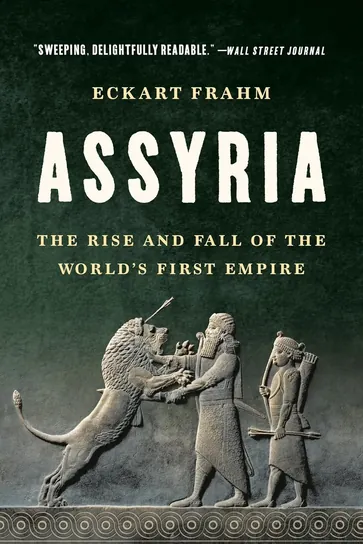
The Storm Before the Storm, The Landmark Herodotus, Ancient Greece and Myths from Mesopotamia stay. New are The History of the Ancient World for readers who want one survey, 1177 B.C. on the Bronze Age collapse, and three books by working scholars on Egypt, Assyria and Mesopotamia.
We weighed each book on its argument and how critics and historians received it, using newspaper and trade reviews, prize records and the publishers' edition details. Adrian Goldsworthy's Athens and Sparta just missed the cut. It looks promising, but it's only months old, and Greece already has two strong picks.
April 22, 2020:
The umbrella of ancient history is so broad that this list would need dozens upon dozens of volumes to even come close to covering the myriad ancient cultures and complexities it encompasses, but we did our best to select some of the most insightful and informative books in the category. We wanted to touch on a variety of topics as well as include a few broad-themed selections.
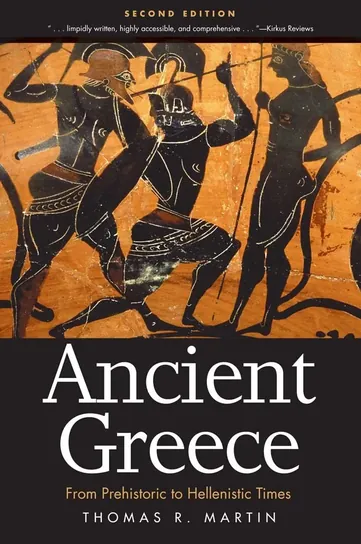
Those curious about Greek antiquity, for example, will appreciate Ancient Greece, Second Edition. This text is concise and approachable, yet still manages to give balanced, detailed coverage. Readers craving to know more about the invaders who came to English shores hundreds of years ago will learn much from Foundation: The History of England, which spans the origins of the country to the death of the first Tudor king. And if you're interested in ancestry, then Saxons, Vikings, and Celts will prove enlightening.
Many times, putting ancient occurrences in context with more recent centuries can help you understand and synthesize what you learn better, which is why we included sweeping volumes like DK's "History" and Sapiens: A Brief History of Humankind. The former looks at 6 million years of global history and makes it possible to reconcile our origins with current events, while Sapiens integrates history and science to explore our species' past and consider its future.
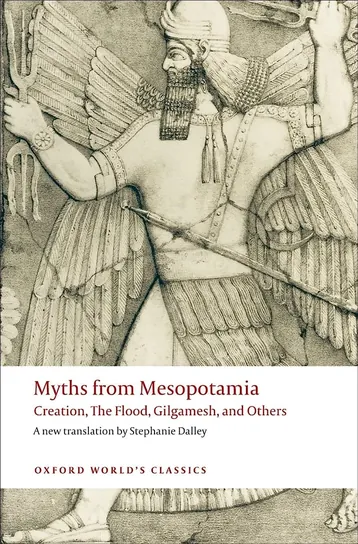
For today's update, we sadly parted ways with Heroes of History by Will Durant and The Sumerians. While each of these volumes is informative and intriguing, they are both rather dated at this point and espouse ideas and use verbiage that feel out of step with current standards. To replace them, we brought on Myths from Mesopotamia and The Storm Before the Storm. Myths is perfect for those who want to eschew the typical structured text, as this collection of legends is ideal for viewing the ancient cultures of Mesopotamia through a grandiose lens and making your own inferences. It includes a few stories that serve as biblical parallels, making it a good supplement to a history of Christianity book.
As for The Storm Before the Storm, it was written by veteran podcaster Mike Duncan, creator of "The History of Rome" and "Revolutions", two extremely popular, award-winning podcasts. This experience makes Duncan uniquely suited to dive into the period he explores in his book while delivering scholarly prose that is never dry or boring.
Special Honors
World History Encyclopedia When a book mentions a ruler, city or battle you don't know, World History Encyclopedia is a good free place to look it up. The nonprofit site, formerly called Ancient History Encyclopedia, has thousands of articles, maps and timelines on the ancient world, and it also publishes reviews of new history books. Articles cite their sources, and an editorial team checks submissions before they go live. worldhistory.org
Perseus Digital Library Run by Tufts University, the Perseus Digital Library puts thousands of Greek and Latin texts online for free, many with English translations beside the original. Readers who finish a narrative history can go straight to Herodotus, Thucydides or Livy without buying another book. The interface is plain and a little dated, but every word can be clicked for a dictionary entry, which helps anyone starting Greek or Latin. perseus.tufts.edu
Choose A Civilization First, Then A Survey
Once one civilization clicks, a survey ties it to the rest.
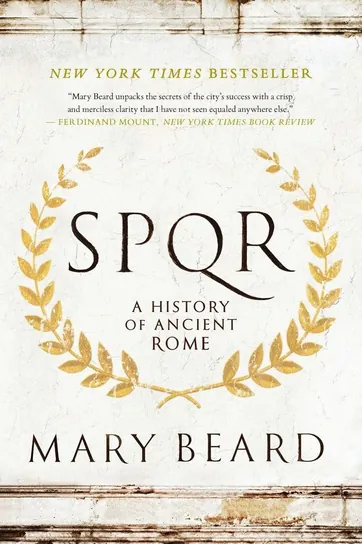
"Ancient history" covers more than three thousand years and several continents, so the best first book is usually about one place. Rome has the richest popular shelf: SPQR argues about what made Rome Roman, while Mike Duncan's late-Republic narrative reads almost like a thriller. For Egypt, Toby Wilkinson's history spans the pharaohs from the first kings to Cleopatra, and Penguin Random House lists the reviews and the history prize it won.
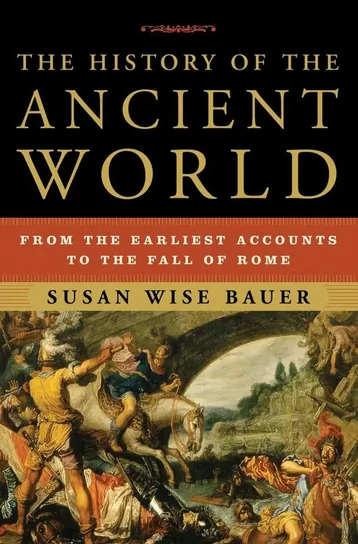
Once one civilization clicks, a survey ties it to the rest. Susan Wise Bauer's one-volume history moves between regions century by century. The World History Encyclopedia review calls it highly readable, while Publishers Weekly notes that India and Asia get the thinnest coverage. That's typical: most English-language books on the period center on the Mediterranean and the Near East.
Stories Told By Historians Versus The Ancient Writers Themselves
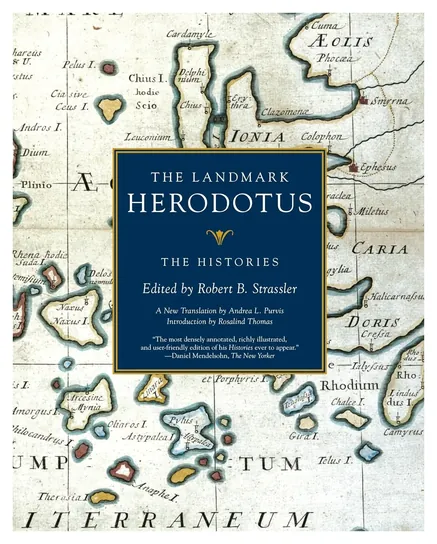
A modern narrative explains the evidence for you. An ancient text is the evidence, with its biases and digressions intact, and reading one changes how the modern books sound. Herodotus is the natural starting point, and the edition matters. The Landmark Herodotus adds maps beside the text, running summaries and 21 appendices, which a long review singles out as the reason to choose it.
Mesopotamian literature is older still, and much of it survives only on broken tablets. A careful translation such as Stephanie Dalley's Myths from Mesopotamia shows where text is missing instead of smoothing it over. That's honest, and it's also why these myths read in fragments. For free Greek and Latin texts in translation, the Perseus Digital Library is a long-running university project.
Editions, New Releases And Books To Skip
Buy the current edition. Eric Cline revised 1177 B.C. in 2021, and Princeton University Press notes that the new version puts more weight on drought and climate data. Thomas Martin's Ancient Greece is in its second edition from Yale University Press. Older atlases from the 1990s and early 2000s still sell, but maps and dates have moved on since.
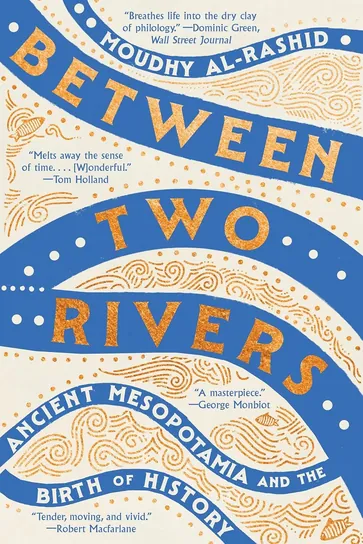
New books need time. Moudhy Al-Rashid's Between Two Rivers came out in the UK in 2025, and early reviews such as BookBrowse and The Globe and Mail are warm, but its reception is still forming. Be wary of the low-cost series titles that crowd search results for this topic: they're produced in volume, rarely name a qualified author, and offer no notes or sources to check.
How we researched this
We compared 19 books and editions on the ancient world, checked publishers' edition details and page counts for the 10 picks, read newspaper, trade and scholarly reviews of each, and used reader averages only as a cross-check. Updated November 1, 2026 by Ezvid Wiki Admin.
Sources (15)
- Wikipedia: SPQR: A History of Ancient Rome
- Wikipedia: Wolfson History Prize
- World History Encyclopedia: review of The History of the Ancient World
- Publishers Weekly: The History of the Ancient World
- Penguin Random House: The Landmark Herodotus
- Danny Yee: review of The Landmark Herodotus
- Kirkus Reviews: The Storm Before the Storm
- Princeton University Press: 1177 B.C., revised
- Penguin Random House: The Rise and Fall of Ancient Egypt
- The Past: review of Assyria
- BookBrowse: Between Two Rivers
- The Globe and Mail: Between Two Rivers
- Yale University Press: Ancient Greece, second edition
- Oxford University Press: Myths from Mesopotamia
- Aspects of History: review of Athens and Sparta
Frequently asked questions
What's the best book to start with on ancient history?
Start with the civilization that interests you most. For Rome, SPQR by Mary Beard is the usual first choice; for a lighter read, The Storm Before the Storm. If you want everything at once, Susan Wise Bauer's The History of the Ancient World is the broadest single volume.
Is there one book that covers all of ancient history?
Bauer's The History of the Ancient World comes closest, running from the earliest written records to the fall of Rome across many regions. No single book covers every civilization in depth, so most readers pair a survey with one or two regional histories.
Is SPQR good for beginners?
Yes, with a caveat. Beard writes clearly and explains how historians use thin evidence, but some chapters dig into debates and the book is long. Readers who want pure storytelling may enjoy The Storm Before the Storm first.
Which translation of Herodotus should I read?
The Landmark Herodotus, translated by Andrea Purvis, is the most helpful for a first reading because of its maps, margin summaries and appendices. Readers who prefer a more literary voice often choose David Grene's translation, which has fewer aids.
Do these books cover ancient India and China?
Only partly. Bauer's survey includes them, though with less space than the Mediterranean. This list centers on Rome, Greece, Egypt and Mesopotamia, which is where most English-language general histories of the period focus.
Are the cheap series books on ancient history worth buying?
Usually not. The low-cost series titles that fill search results are produced quickly, rarely name a qualified author and don't cite sources. A university press paperback or a book by a working historian costs little more and is far more reliable.