The 10 Best Baby Wipes
Updated by · How we research

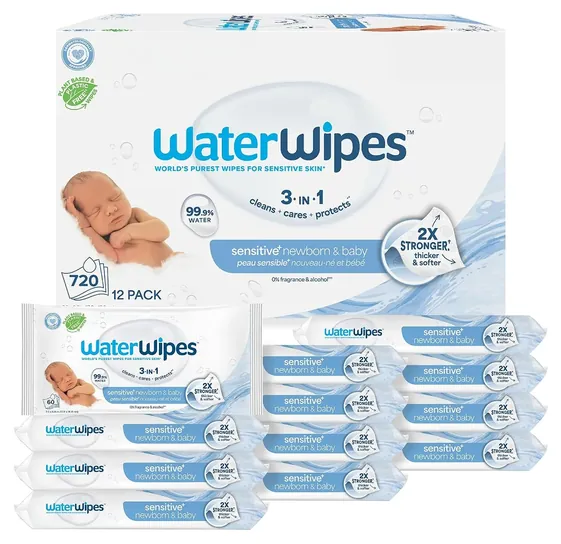
With the simplest formula, WaterWipes Sensitive+ tops 10 fragrance-free baby wipes compared on ingredients, thickness, lids, travel packs and cost per wipe. When users buy our independently chosen editorial recommendations, we may earn commissions to help fund the Wiki.
Nearly every baby wipe is mostly water, with a little preservative to keep microbes out, so what sets one apart is the short list of other ingredients and the cloth itself. Some cloths contain plastic, while others are plant fiber. Parents go through thousands a year on diaper changes, sticky hands and faces, so small differences add up.


From the manual
- Nothing binds the water to the cloth, so it drifts down; with the sticker sealed, flip the pack and knead it briefly. p. 2
- Open a pack within 15 months of the production date printed on its back, and use it up within a month of opening. p. 2
- WaterWipes says not to put the wipes in a warmer or another dispenser, or to over-warm the pack; store it somewhere cool and dry. p. 3
Editor's Notes
November 19, 2026, by Ezvid Wiki Editors:
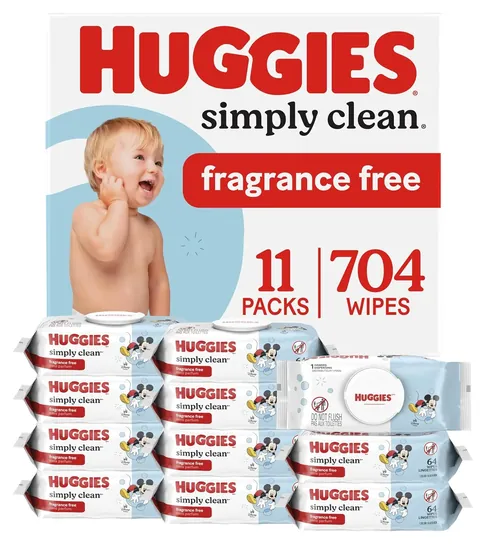
We checked this page against the makers' ingredient lists, WaterWipes' customer FAQ and Consumer Reports' ingredient review, updated in June 2026, which covered six of these picks; its ratings are now in the buyer's guide. We corrected Caboo's bamboo regrowth time, Pampers Ultraclean's cloth (dot-textured, not quilted) and the cloth, packaging and compost details for Mama Bear, Huggies Simply Clean and Honest. Since baby wipes are regulated as cosmetics, the recall check now uses FDA notices; none of the ten is under recall.
November 16, 2026, by Ezvid Wiki Editors:
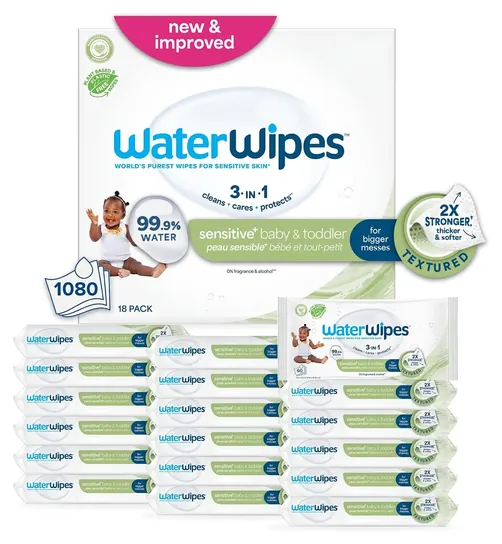
Aveeno Baby Sensitive All Over is off the list because Aveeno has discontinued it, and only leftover packs are still for sale. In its place is WaterWipes Sensitive+ Textured Clean, a thicker, textured take on our No. 1 meant for toddler messes. We rechecked each pick's maker pages, ingredients and recall records, and the other nine stand as ranked.
October 18, 2026, by Ezvid Wiki Editors:
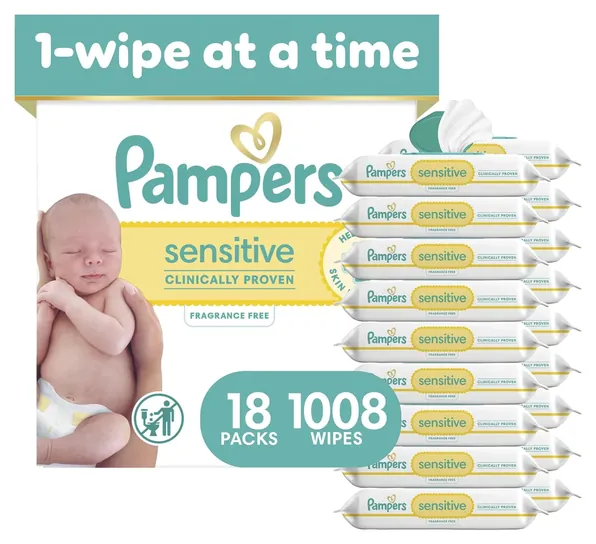
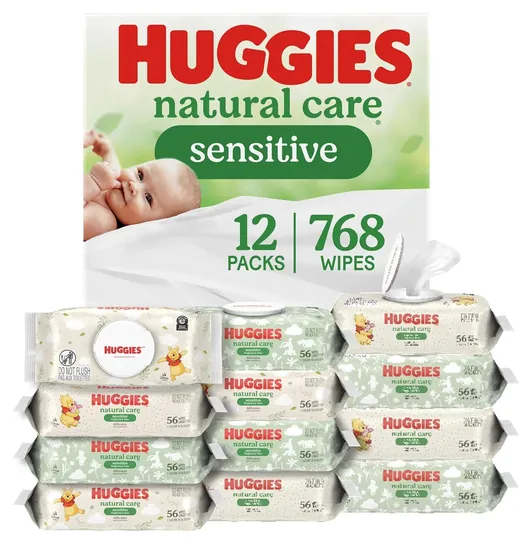
WaterWipes Sensitive+ is our new No. 1: its formula is the simplest, and three separate roundups rate it highly for newborn skin. Six of the 2020 picks are out. Seventh Generation Free & Clear is currently unavailable, Dove Rich Moisture has no current listing to speak of, and the Babygoal and Bloom Baby wipes couldn't be confirmed as current. Doctor Butler's All-Natural is still around, but it's sold in small packs at a steep cost per wipe, with nothing independent behind it. We also dropped the Elements Resealable store-brand wipes, which are fine but overlap cheaper water wipes that have more evidence behind them. Pampers Sensitive and Huggies Natural Care Sensitive stay as the sensible, cheaper everyday choices.
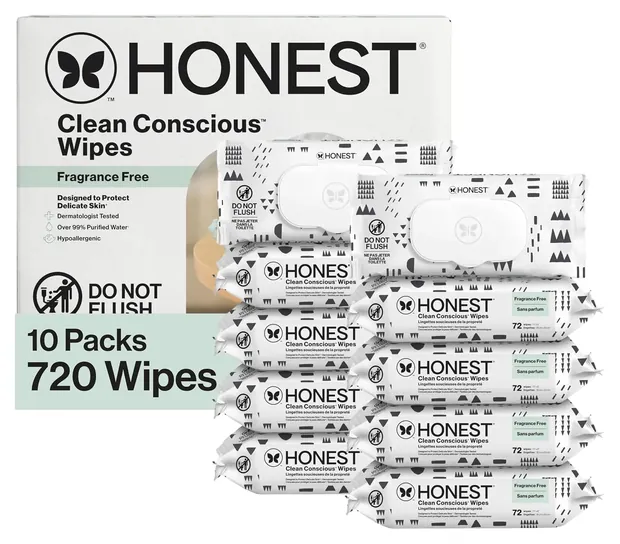
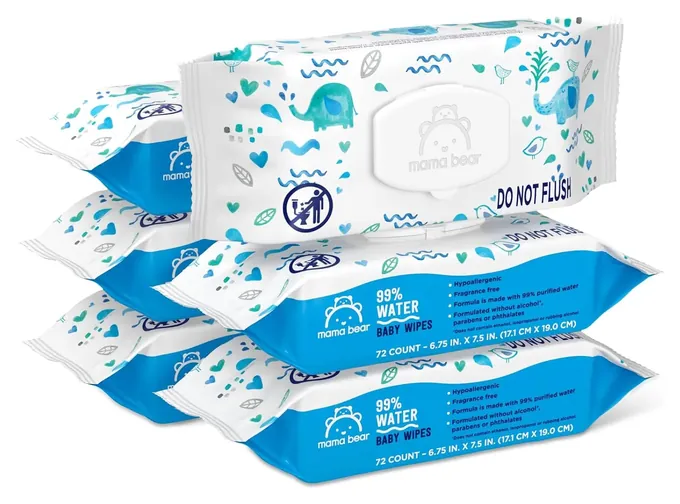
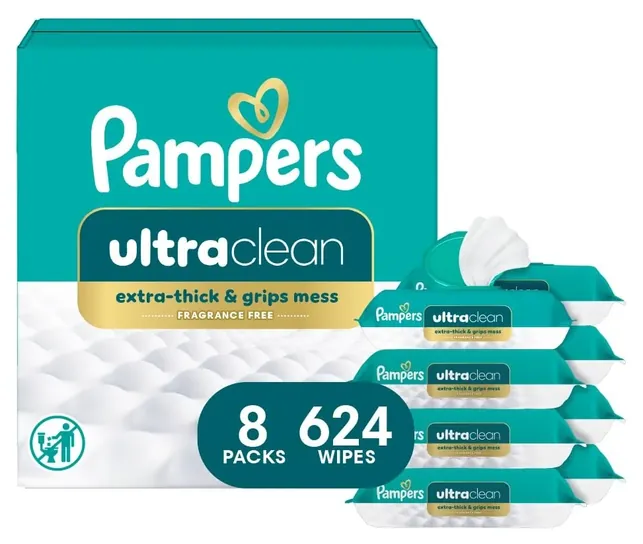
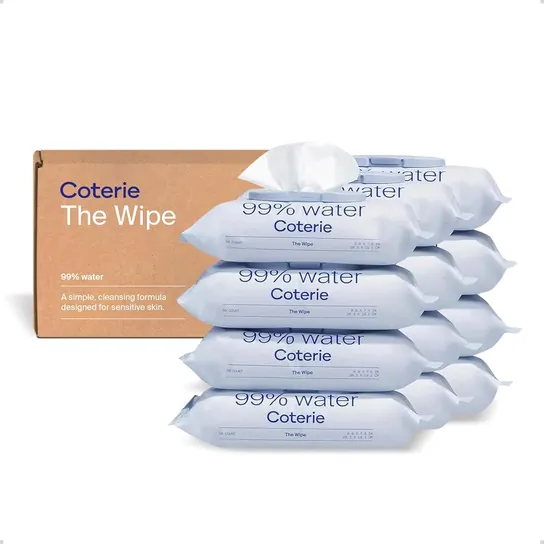
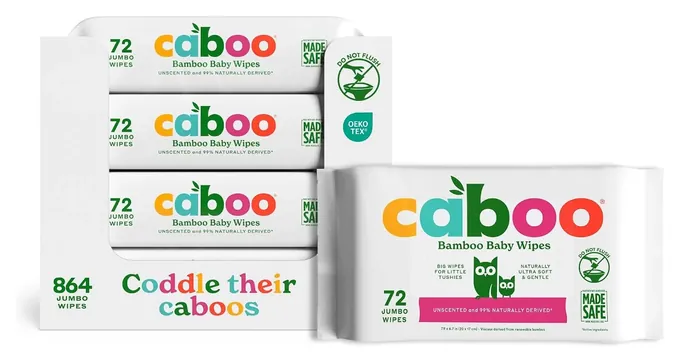
New are Honest Clean Conscious, Mama Bear 99% Water, Huggies Simply Clean, Pampers Ultraclean for heavy messes, Coterie The Wipe for thickness, Caboo Tree-Free for bamboo cloth and Aveeno Baby Sensitive All Over for the diaper bag. Reusable cloth wipes like GroVia Reusable Cloth now sit in the special honors, since they're a different kind of product.
A word on evidence. We could read four independent roundups, but not a lab comparison, so thickness and strength claims for some newer wipes come from the makers alone. We say so in each entry.
Earlier notes
May 25, 2020, by Brett Dvoretz:
As one might expect, a baby's skin is extremely sensitive, so we focused on finding gentle wipes that were smooth and free of harsh chemicals so as not to cause irritation. We like that Doctor Butler's All-Natural and Babygoal Washable are made either partially or entirely from bamboo fibers, which is a sustainable material source. Bloom Baby Jumbo are also made from a plant-based fiber, plus they are manufactured in a factory that runs on 100-percent wind energy, making all three of these very eco-friendly options. Since GroVia Cloth are resuable, they, too, are suitable for those concerned about the environment, though this does mean you'll have to deal with washing them constantly.
While all of the wipes on this list are designed for use on those with delicate skin, Amazon Elements Resealable and Dove Rich Moisture are especially good for babies who are dealing with dryness issues because they contain ingredients designed to condition the skin and add moisture, such as aloe vera and castor oil. While not especially designed to add moisture, WaterWipes Pure can also be a good choice for anyone dealing with dryness issues, since dry skin is often inflamed and irritated, and it contains grapefruit seed extract and trace elements of Benzalkonium chloride, which may be soothing. [2026 update: the benzalkonium chloride is a trace antimicrobial that comes with the fruit extract, not a soothing ingredient, and Consumer Reports notes it has been flagged for more safety research.]
For anyone who finds it difficult to store wipes without them drying out after the package has been opened, we recommend Seventh Generation Free & Clear, Amazon Elements Resealable, and Huggies Natural Care. They all feature plastic flip-tops that are easy to reseal, and which conveniently also make it effortless to pull out the wipes one at a time, rather than in a bundle, especially when trying to do it with one hand.
If you plan on using a wipe warmer, you'll be happy to know that all of the options here should fit in them just fine, including GroVia Reusable Cloth and Babygoal Washable, our two reusable recommendations. [2026 update: WaterWipes, now our No. 1, advises against putting its wipes in a warmer or moving them to another dispenser.]
Special Honors
GroVia Cloth Wipes For families using cloth diapers, GroVia makes reusable terry cloth wipes. The maker lists them at 8 by 8 inches, 88% polyester and 12% cotton, in packs of 12. Wash them once before first use, then wet them with water and wash them with diapers. They cost more up front, but they go back in the laundry instead of the trash. grovia.com
What's In A Wipe, And What To Leave Out
Sodium benzoate is the most common preservative in the wipes on this list.
Almost every wipe here is 97% to 99.9% water. The rest matters more than its share suggests. The American Academy of Pediatrics advises choosing wipes without alcohol or fragrance, and for a raw, open rash it suggests rinsing with a squirt bottle of water and patting dry instead of wiping (HealthyChildren.org). Fragrance is a common skin allergen, and alcohol dries skin.
Water-based wipes still need a preservative, because a wet cloth sealed in a pack can grow bacteria and mold. A 2020 review in Pediatric Dermatology says a good infant wipe should buffer skin to its slightly acidic pH, avoid known irritants and use well-tolerated preservatives, and notes the industry has moved away from methylisothiazolinone (MI) and phenoxyethanol (Pediatric Dermatology review). Its authors all work for Kimberly-Clark, which makes Huggies, so read it with that in mind. Sodium benzoate is the most common preservative in the wipes on this list.
In a review updated in June 2026, Consumer Reports and the independent screener Made Safe rated the ingredient lists of 18 wipes. Honest, Coterie and Caboo came out with no known risks, WaterWipes with possible risks, and Pampers Sensitive and Huggies Natural Care with known risks. CR treats PEG and polysorbate ingredients as a flag for possible 1,4-dioxane traces, and an outside lab it hired found no PFAS in any of the 18.
Claims like "hypoallergenic" and "dermatologist tested" aren't defined by regulators. A third-party mark is a better signal. The National Eczema Association keeps a directory of disposable wipes that carry its Seal of Acceptance, which includes several picks here.
Thickness, Strength And Big Messes
Two wipes that are both 99% water can feel very different in the hand. Thickness, texture and fiber decide how many you use per change. Fabric weight, in grams per square meter (gsm), is the clearest number, but few makers publish it. Coterie lists 71 gsm and a sheet of 8 by 7.5 inches (Coterie).
Reviewers don't always agree on the big brands, so look at more than one. A Today.com reviewer cleaned pudding, peanut butter and juice in a single pass with 10 wipes and pulled each one to check for tearing. Coterie scored highest and didn't tear, while its Pampers pick felt thinner and left a smear of peanut butter. Mommyhood101, on the other hand, calls Pampers Sensitive soft and thick.
Texture matters as much as weight. Raised or quilted cloth grips a mess, while smooth, very wet cloth tends to push it around. For toddler diapers, a thicker textured wipe can mean one or two per change instead of four, which closes some of the price gap with cheaper, thinner wipes. Fiber also varies. Consumer Reports lists the Pampers Sensitive cloth as polypropylene plus regenerated cellulose, a plastic blend, while WaterWipes and Honest use plant-based viscose and Caboo uses bamboo viscose.
Lids, Travel Packs And Throwing Wipes Away
Wipes dry out when air gets in. A hard flip-top lid seals better than a peel-back sticker tab, which loses grip as the pack empties. Mom Loves Best found that the WaterWipes pack doesn't always reseal. Close the lid after every wipe, and store packs at room temperature, not in a hot car.
For a diaper bag, slim packs of 50 to 70 with a resealable top take less space than a full flip-top tub, but they cost more per wipe. Many families keep one bulk box at home and refill a small pack.
Don't flush baby wipes. They don't break down like toilet paper, and most packs print a do-not-flush warning. Even wipes sold as compostable or plant-based can clog pipes and sewer pumps. If you want to cut waste, reusable cloth wipes such as GroVia cloths can be wetted with plain water and washed with diapers. The Pediatric Dermatology review cited above summarizes small trials in which modern disposable wipes did as well as or better than water and a cloth on diapered skin.
How we researched this
We compared 22 baby wipes and screened 13 in depth. We read the ingredient lists of nine of the ten picks from their makers or retailers' copies of the label, WaterWipes' customer FAQ sheet, and Consumer Reports' review of 18 wipes, updated in June 2026, which rated the ingredients of six of these picks with the screener Made Safe and found no PFAS in any of the 18 at an outside lab. Today.com's mess test, three other roundups and guidance from the American Academy of Pediatrics, the FDA and the National Eczema Association filled in the rest. Baby wipes are regulated as cosmetics, so we searched FDA recall notices: none of these ten is under recall, and the June 2026 recall of Target's Up & Up wipes doesn't involve this list.
Sources (15)
- HealthyChildren.org (American Academy of Pediatrics): Diaper rash
- Pediatric Dermatology: The science behind wet wipes for infant skin (2020, Kimberly-Clark authors)
- National Eczema Association: Seal of Acceptance
- Today.com: 10 baby wipes ranked with two kids under 3
- Mommyhood101: Best sensitive baby wipes
- Mom Loves Best: Best baby wipes
- alsomom: Best baby wipes
- Coterie: The Wipe
- GroVia: Cloth Wipes
- Consumer Reports: How to choose baby wipes without harmful chemicals (updated June 10, 2026)
- Consumer Reports: These baby wipes have no detected PFAS, our tests show
- WaterWipes: customer FAQ sheet (PDF, 2020)
- Pampers: Your guide to baby wipes
- U.S. Food and Drug Administration: Disposable wipes
- FDA: Target recalls Up & Up baby wipes (June 2026)
Frequently asked questions
Are water wipes safe for newborns?
Yes. Wipes that are mostly water with no fragrance or alcohol are the type pediatricians suggest. If a rash is raw or open, rinse with water and pat dry instead of wiping.
What baby wipes are strongest for messy diapers?
Thick, textured wipes do best. Coterie lists a fabric weight of 71 gsm, and Pampers Ultraclean uses a dot-textured plant-based cloth. Thicker wipes mean fewer per change.
Why do baby wipes dry out?
Air gets in through a lid or tab that doesn't seal. Close the lid after each wipe, and keep packs at room temperature.
Can you flush baby wipes?
No. Baby wipes don't break down in water the way toilet paper does, and they can clog pipes and sewer pumps. Put them in the trash.
What wipes are best for a diaper bag?
Small flip-top packs of about 70 wipes fit a bag and keep the wipes moist. Mama Bear 99% Water, for one, comes in packs of 72 with a snug flip cap. Small packs cost more per wipe than bulk boxes.
Are expensive natural wipes better for a baby's skin?
Not necessarily. Most babies do fine with a fragrance-free, alcohol-free wipe at any price. Pricier wipes tend to differ in cloth thickness, fiber and ingredient count.