The 10 Best Beard Washes
Updated by · How we research

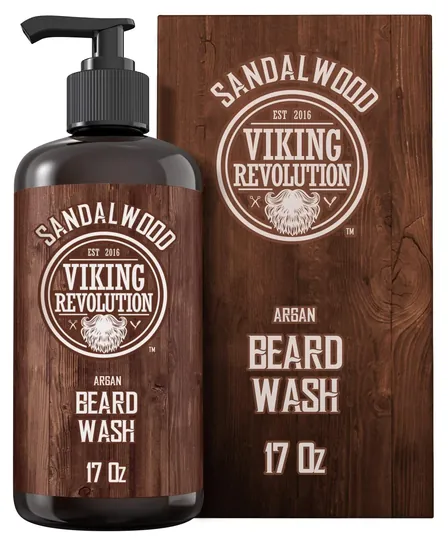
Sulfate-free, medicated, 2-in-1 and bar beard washes compared for itch, flakes and coarse hair. Viking Revolution Sandalwood suits most beards best. When users buy our independently chosen editorial recommendations, we may earn commissions to help fund the Wiki.
Beard flakes and itch usually start in the skin under the hair, not in the hair itself, so the right wash is the one that suits your skin. A gentle cleanse two or three times a week, with plain water in between, is the usual advice. These picks suit anyone growing past stubble, from short and coarse to long and soft.
At a Glance


Editor's Notes
November 1, 2026, by Ezvid Wiki Admin:
A big pump bottle that cleans well, leaves hair soft and lasts for months put the Viking Revolution Sandalwood first. Little else survived from the 2021 version. The Maple Hill Honest, Mr. Natty's Forest, Spartans Den and Polished Gentleman washes have disappeared from stores, and the Billy Jealousy wash now costs far more than it's worth. We also let go of Zeus and the old favorite, OneDTQ, whose soap base is hard on dry beards.
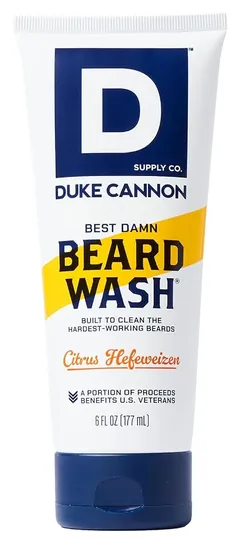
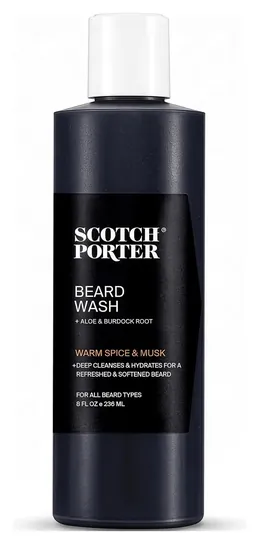
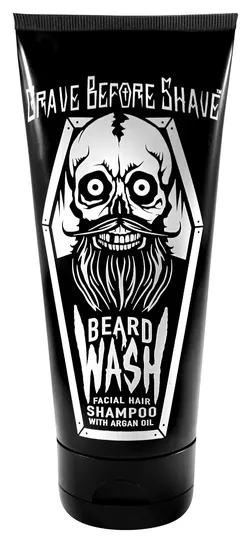
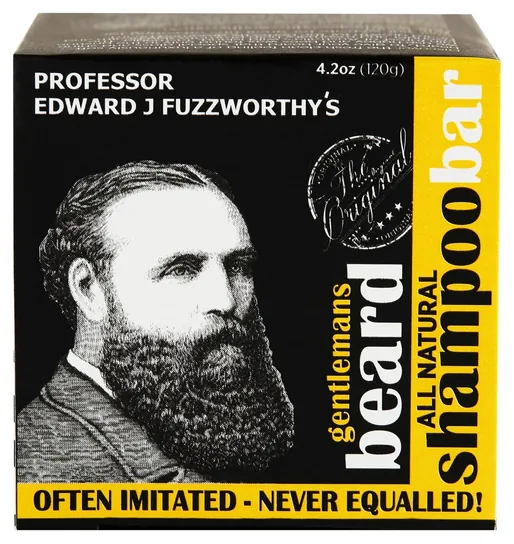
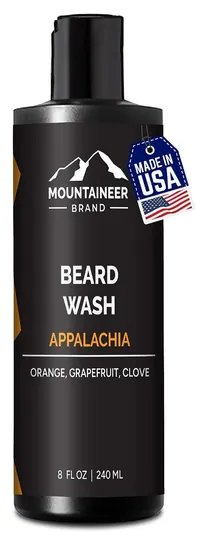
Grave Before Shave, Mountaineer Brand and the Professor Fuzzworthy Shampoo Bar stay, the last one now sold as a solid bar. The additions answer common searches: the Duke Cannon Best Damn for a budget, the Scotch Porter Moisturizing for coarse hair, the Kamedis Control for flakes, and washes for face and beard together.
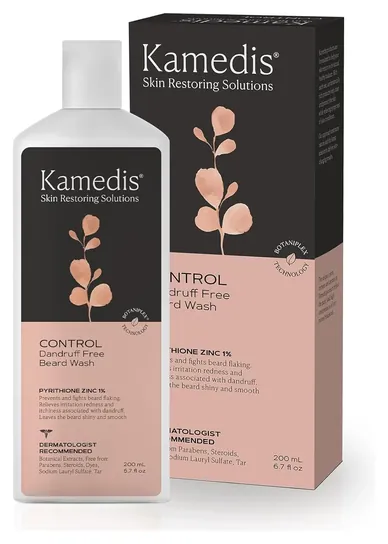
Most of the work was reading labels: ingredient lists on makers' sites and on the backs of tubes, the drug facts on the medicated wash, and the sulfate claims, which don't always hold up. The Kamedis Control, for one, calls itself free of two common sulfates but uses two others.
April 15, 2020:
For any man with decent growth of facial hair, beard washes are just as vital to good grooming habits as shampoo and body soap. So if you want to keep that mane looking and smelling its best, not to mention soft enough that it won't scratch your significant other's face when you go in for a kiss, you should probably check out one of the options on our list.
Broadly, beard washes can fall into two categories, all natural and those that contain some chemicals. However, we'd like to break it down one step further, so we have identified three distinct types: all natural, those that claim they are all natural but have ingredients difficult for the average person to identify, and those that use some chemical additives.
Obviously, all-natural options will be the gentlest on both hair and the underlying skin, so they are our favorite options. Beard washes on our list that fall into this category are OneDTQ Medicine Man's Anti-Itch, Maple Hill Honest For Men, Mountaineer Brand Timber, Mr. Natty's Forest, and Professor Edward J. Fuzzworthy's Shampoo Bar. Of these, we feel OneDTQ Medicine Man's Anti-Itch and Professor Edward J. Fuzzworthy's Shampoo Bar are best for itch relief, thanks to ingredients like sea fennel in the former and Tasmanian seaweed extract in the latter. Maple Hill Honest For Men and Mountaineer Brand Timber are the most moisturizing due to the multiple types of oils in them, and Mr. Natty's Forest is the best at exfoliating the underlying skin to keep it healthy. Good exfoliation can also help reduce dandruff, since it scrubs away much of the flaky skin before it has a chance to turn into unsightly dandruff. Maple Hill Honest For Men and Mountaineer Brand Timber are also good for dandruff relief, and Professor Edward J. Fuzzworthy's Shampoo Bar has above average thickening properties.
Polished Gentleman Growth Set and Zeus Shampoo claim to be all-natural options, but when we see ingredients like butylene glycol in the former, which can cause skin flakiness, and sodium benzoate and potassium sorbate in the latter, which have the potential to cause irritation or dryness, we question if they are truly gentle enough for daily use, even if they claim to be. That being said, they both do have beneficial ingredients to counteract the potential downsides of the aforementioned ones, so most users shouldn't experience any issues. We do like that Polished Gentleman Growth Set can help those struggling with cultivating a respectable beard, and that Zeus Shampoo is made using cruelty-free methods and is rich in antioxidant phenols and anti-inflammatory compounds, which can make it very useful for those with acne.
Grave Before Shave, Spartans Den Premium Classic, Billy Jealousy Cleanse + Soften are the only products on our list that don't claim to be all natural. That being said, they can all still be good options for those who need to deal with certain issues. For example, Grave Before Shave works very well for reducing frizz and flakiness, Spartans Den Premium Classic is excellent at fighting dandruff and has a scent that fades very quickly after rinsing, and Billy Jealousy Cleanse + Soften can strength hair strands and give them a nice luster.
Special Honors
AAD Find a Dermatologist Stubborn beard flakes and redness are often seborrheic dermatitis, a skin condition that a wash alone may not clear. The American Academy of Dermatology runs a free search tool that lists board-certified dermatologists by location, so you can find one who can confirm the cause and prescribe a stronger treatment if over-the-counter washes fall short. find-a-derm.aad.org
Match The Wash To Your Beard And Skin
A dry, coarse or curly beard does best with a gentle, sulfate-free wash and a conditioner after.
Start with the problem you want to fix. A dry, coarse or curly beard does best with a gentle, sulfate-free wash and a conditioner after. Scotch Porter builds its moisturizing wash on burdock root, nettle leaf and aloe and tells buyers to follow it with a conditioner or leave-in (Scotch Porter).
Flakes and itch are usually a skin problem. A wash with an anti-dandruff drug helps most here. Kamedis uses 1 percent pyrithione zinc and tells you to massage it in and leave it on for 2 to 3 minutes (Kamedis). For seborrheic dermatitis in a beard or mustache, the American Academy of Dermatology suggests washing with a 1 percent ketoconazole shampoo or one a dermatologist recommends (American Academy of Dermatology).
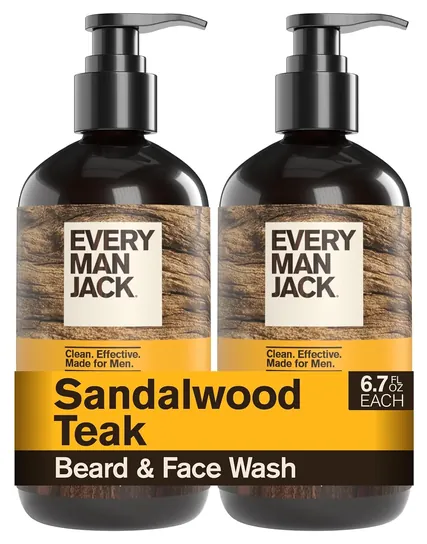
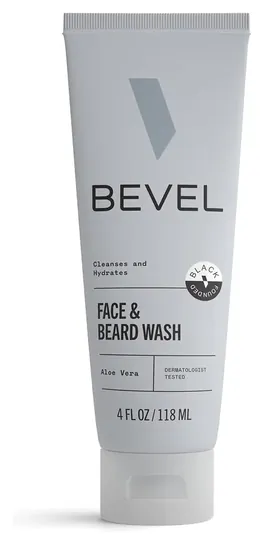
If your beard is short, a beard-and-face wash saves a step, and a gel with tea tree oil or witch hazel suits skin that breaks out. For travel, a squeeze tube or a solid bar won't leak like a pump. On a tight budget, look for a maker that publishes the whole ingredient list, as Duke Cannon does (Duke Cannon).
Sulfates, Soap And Medicated Washes: Reading The Label
"Sulfate-free" means milder, not better. Sulfate cleansers foam hard and strip oil well, which can leave a beard dry. Sulfate-free washes clean more gently. Check the actual list, though: Kamedis says its wash is free of SLS and SLES, yet the maker's own ingredient list includes ammonium laureth sulfate and ammonium lauryl sulfate (Kamedis). Some makers, such as Viking Revolution, don't post a full list on their product page at all (Viking Revolution).
Castile and bar washes are true soaps. They're alkaline and can leave coarse hair rough, so plan on a conditioner or oil after. The FDA treats a product that's sold only as soap and made mostly from fatty-acid salts differently from a cosmetic, and it treats an anti-dandruff wash as both a cosmetic and a drug. Cosmetics don't need FDA approval before sale, so words like "natural" and "growth" are the maker's own claims (FDA). No wash has been shown to make a beard grow.
Fragrance and essential oils such as tea tree or citrus can irritate sensitive skin. If you have eczema or react easily, try a new wash on a small patch first. Duke Cannon's list includes hydrolyzed wheat protein, which is worth knowing if you avoid wheat (Duke Cannon).
How To Wash A Beard, And How Often
Wet the beard well, then work a nickel-size dab through the hair and down to the skin with your fingertips. The skin is where the oil, dead skin and flakes sit. Most washes need half a minute or so; a medicated one needs the full time on its label. Rinse until no slick feel is left, pat it dry instead of rubbing, and follow with a conditioner or a few drops of oil.
Two or three washes a week is the usual advice, with a plain water rinse on other days. Scotch Porter suggests that schedule for its wash (Scotch Porter). Washing every day can dry the skin and make itching worse. Regular shampoo works in a pinch, but harsh ones can leave a beard coarse.
If flakes, redness or itch don't improve after a few weeks of a medicated wash, see a board-certified dermatologist. The American Academy of Dermatology says a treatment plan helps control seborrheic dermatitis and advises treating flare-ups as soon as they start (American Academy of Dermatology).
How we researched this
We compared 18 beard washes found in two shopping searches and a web search, read ingredient lists on makers' sites and on the packaging in product photos, checked which washes are sold as over-the-counter drugs, read guidance from the American Academy of Dermatology and the FDA, weighed long-term owner feedback, and checked every brand for recalls with the Consumer Product Safety Commission and the FDA. No independent lab has tested beard washes.
Frequently asked questions
Do I really need a beard wash?
No. A beard collects oil, sweat and food much like scalp hair, and a gentle wash made for beards is a convenience, not a must. If your skin feels fine with what you use now, there's no need to switch.
Can I use regular shampoo or body wash on my beard?
Now and then, yes. Some shampoos and body washes are harsher than the skin on your face likes, so if your beard turns coarse or itchy, switch to a milder, sulfate-free wash and add a conditioner.
How often should I wash my beard?
Two or three times a week suits most beards, with a plain water rinse on other days. Washing every day can dry the skin underneath and make itching worse.
Why does my beard itch and flake?
Usually it's dry skin or seborrheic dermatitis, not a dirty beard. A medicated wash with pyrithione zinc or ketoconazole often helps. If it doesn't clear up after a few weeks, see a dermatologist.
Will a beard wash help my beard grow?
There's no good evidence that any wash makes a beard grow faster or thicker. Growth claims on labels are marketing. A clean, conditioned beard can look fuller, but that's all.