The 10 Best Bible Dictionaries
Updated by · How we research

Ten Bible dictionaries compared on scholarship, pictures, edition age and reading level. The Holman Illustrated Bible Dictionary is the pick for most readers. When users buy our independently chosen editorial picks, we may earn commissions to help fund the Wiki.
A Bible dictionary is an A-to-Z guide to the people, places, customs and ideas of Scripture, and it isn't a concordance, which only lists where words appear. Most single-volume titles come from evangelical publishers, and an older edition misses decades of archaeology. This list suits study groups, students, teachers and curious readers who want one dependable book.
At a Glance
-
1
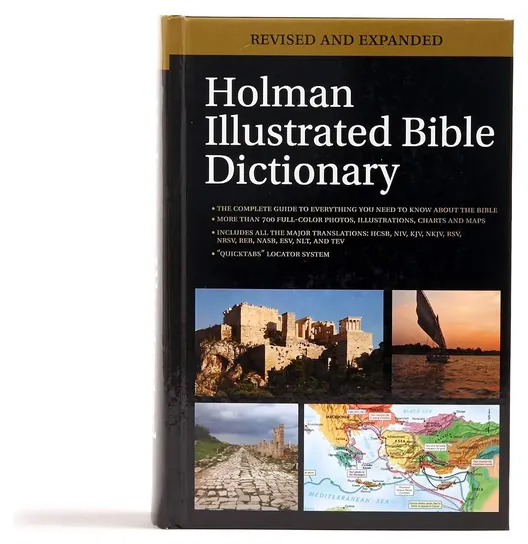
 Holman Illustrated Bible Dictionary
$23
-
2
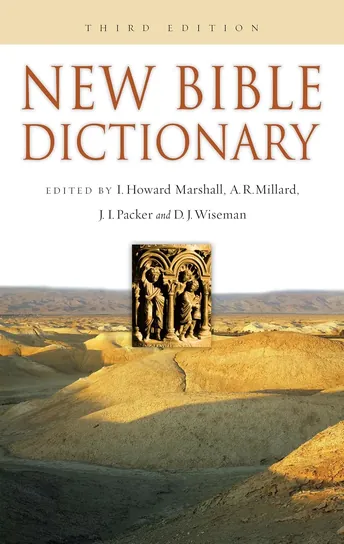
 New Bible Dictionary
$31
-
3
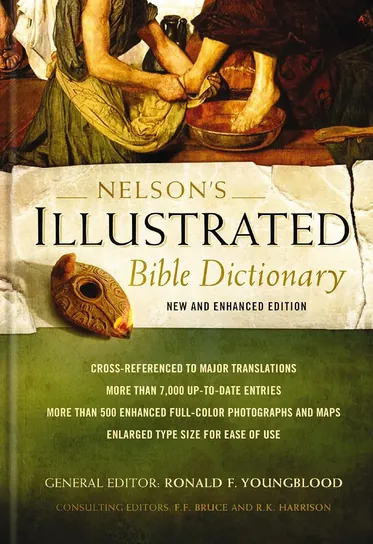
 Nelson's Illustrated Bible Dictionary
$26
-
4
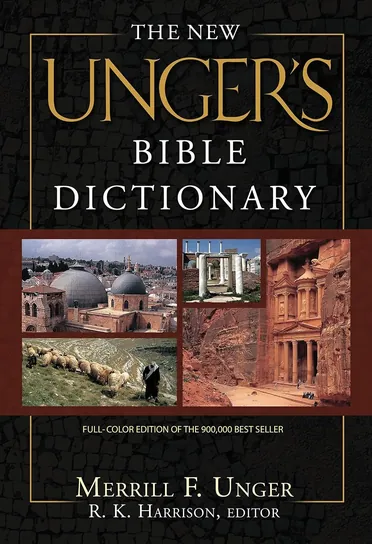
 The New Unger's Bible Dictionary
$27
-
5
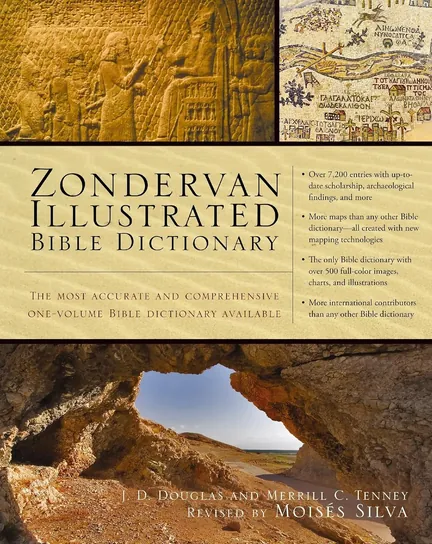
 Zondervan Illustrated Bible Dictionary
$44
-
6
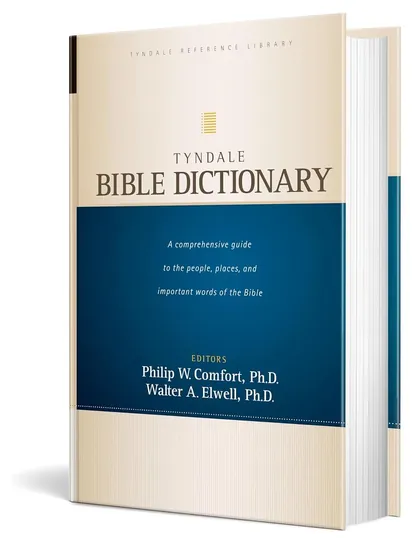
 Tyndale Bible Dictionary
$29
-
7
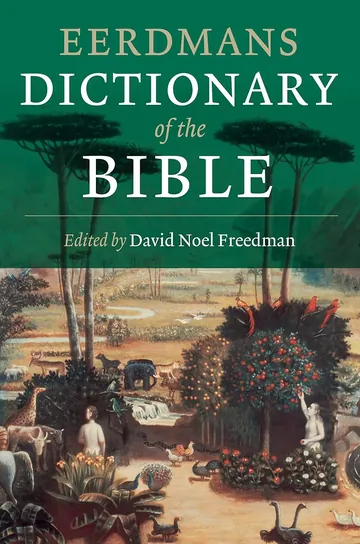
 Eerdmans Dictionary of the Bible
$64
-
8
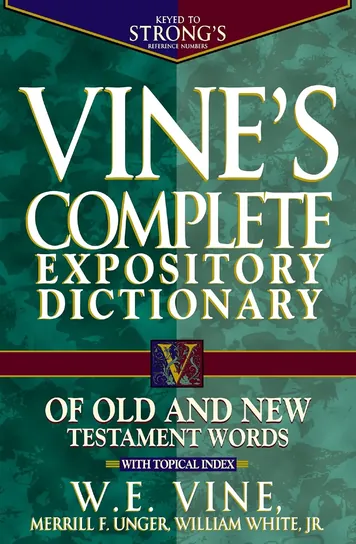
 Vine's Complete Expository Dictionary
$21
-
9
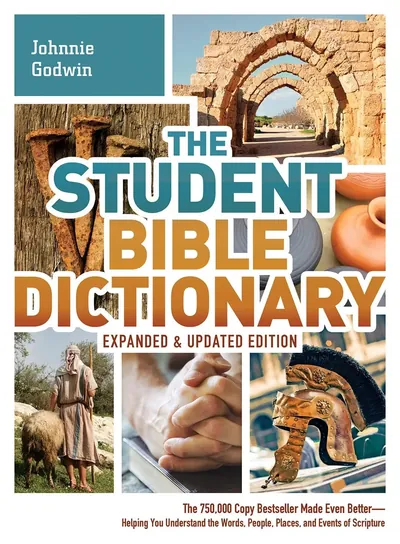
 The Student Bible Dictionary
$7
-
10
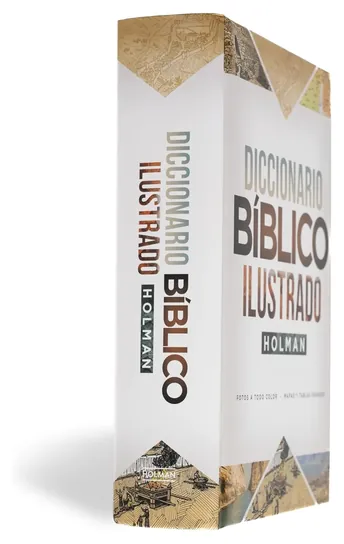
 Diccionario Bíblico Ilustrado Holman
$21
Editor's Notes
October 27, 2026, by Ezvid Wiki Editors:
The Holman Illustrated Bible Dictionary stays on top. Its 2015 revision is more recent than the other big illustrated volumes, and it costs less than most of them. The biggest change is scope. The New Strong's Concordance of the Bible and the KJV Super Giant Print Dictionary are gone, since a concordance tells you where a word appears, not what a name or place means. The Complete Word Study Dictionary left too, because Vine's Complete Expository Dictionary covers word study in both testaments, and Smith's Bible Dictionary went because its 1860s text is free online.
New picks fill gaps the old list had: the New Bible Dictionary for serious study, the Tyndale Bible Dictionary for lesson prep, the Eerdmans Dictionary of the Bible for readers who want scholars from several traditions, and the Diccionario Bíblico Ilustrado Holman for Spanish readers. We also dropped the Holy Land tour from our special honors, since a trip isn't a reference book.
Nobody publishes side-by-side tests of Bible dictionaries, so we leaned on what the books disclose about themselves: editors, contributor counts, edition dates, photo and map counts, and the translation each one quotes, checked against a university library's reference guide and published histories of the major titles.
Earlier notes
December 11, 2020, by Shilo Urban:
We've added two new items during this update, both of which are affordably priced. The Student Bible Dictionary is an enjoyable and engaging read thanks to its numerous images and user-friendly design. The New Strong's Concordance of the Bible is a classic with a unique numbering system that is suited for the more serious scholar. We've also added a new listing under Special Honors for people who want to take their understanding of the Bible to a whole new level.
We've removed the HarperCollins Revised because reviewers generally felt that it was not as good as comparable books. Jesus and the Gospels has been taken off the list because its price has increased a fair amount while its reviews have fallen. Finally, we've updated the information for every item on the list, including Vine's Complete Expository Dictionary, Nelson's Illustrated Bible Dictionary, and Smith's Bible Dictionary.
If you'd like to expand your Biblical expertise, you may also want to check out the best illustrated Bibles, audio Bibles, and Bible study kits.
November 16, 2018, by Quincy Miller:
There is a gulf between books aimed at laypeople and those designed for academic use, and we attempted to bridge that gap with selections that are in-depth enough to satisfy scholars, while still being accessible enough for the average reader to understand.
Special Honors
International Standard Bible Encyclopedia For readers ready to go past one volume, Eerdmans publishes the revised International Standard Bible Encyclopedia in four hardcover volumes, edited by Geoffrey Bromiley. Its long articles cover people, places, history and doctrine from a broad evangelical viewpoint, and many seminary libraries shelve it. It costs and weighs far more than a single dictionary. eerdmans.com
Bible Study Tools Dictionaries Bible Study Tools hosts several older Bible dictionaries free online, including Easton's and Smith's, which are now in the public domain. They're good for a quick check on a name or place from a phone. The entries date from the 1800s, so they miss modern archaeology, and the site carries ads. biblestudytools.com
Dictionary, Concordance Or Word Study?
It's handy for sermons and word studies, but it won't tell you anything about Bethlehem.
Three kinds of books get called Bible dictionaries, and they do different jobs. A true Bible dictionary is arranged A to Z and explains people, places, customs, books and ideas: who the Hittites were, what a denarius bought, how a Roman crucifixion worked. A Bible encyclopedia is the same idea at greater length, often in several volumes (Wikipedia: Bible dictionary).
A concordance is an index. Strong's lists every place each word appears in the King James Version and gives each Hebrew and Greek word a number, but its built-in word lists are brief (Wikipedia: Strong's Concordance). It answers "where does this word appear?", not "what does this mean?"
An expository dictionary sits between the two. W. E. Vine's work, which started with New Testament words in 1940, takes an English word and explains the Greek or Hebrew words behind it (Wikipedia: W. E. Vine). It's handy for sermons and word studies, but it won't tell you anything about Bethlehem.
Most readers want the first kind. If you're after a dictionary of English words instead, see our list of hardcover dictionaries.
Whose Scholarship, And How Old Is It?
No Bible dictionary is neutral. B&H, Thomas Nelson, Zondervan, Moody, Tyndale and IVP all publish mainly for evangelical readers, and their entries on doctrine reflect it. Unger's carries the mark of its author, a Dallas Theological Seminary professor (Wikipedia: Merrill Unger), and it quotes the New American Standard Bible (Moody Publishers). David Noel Freedman, editor of the Eerdmans dictionary, also led the Anchor Bible project, which drew on Jewish, Catholic, Orthodox, Protestant and secular scholars (Wikipedia: Anchor Bible Dictionary). A quick test helps: read one entry on a person, one on a place and one on a disputed topic such as baptism, and see whether the tone suits you.
Edition dates matter too, because archaeology keeps moving. The New Bible Dictionary's third edition is from 1996, Unger's was revised in 2006 and Zondervan's in 2011, and Vine's core text is far older. Holman's 2015 revision added about 200 articles and more than 500 photos (B&H Publishing).
Pictures aren't decoration in this category. A photo of a city gate or a map of Paul's journeys often explains more than a column of text. Holman counts about 700 color images, Nelson's more than 500 and Unger's 380, while the New Bible Dictionary and the Eerdmans volume are mostly text.
One Volume, A Set, Or Free Online?
A single volume covers what most study groups and Sunday school classes need. Seminary students eventually want more: the Indiana Wesleyan University library points them to the Dictionary of New Testament Background, the five-volume New Interpreter's Dictionary of the Bible and specialist volumes such as the Dictionary of Jesus and the Gospels (Indiana Wesleyan library guide). The four-volume International Standard Bible Encyclopedia drew praise in a 1984 review as broad, mainline evangelical scholarship (Wikipedia: ISBE). Sets like these cost several times as much as a single volume and fill a shelf.
Free options exist. Easton's and Smith's dictionaries, both from the 19th century and now in the public domain, are online at no charge on Bible Study Tools. They're fine for a quick name or place, but they predate most modern archaeology and come with ads. Cheap printed copies of Smith's are often condensed versions of the original (Wikipedia: Smith's Bible Dictionary).
Large print is another need. A few publishers sell giant-print dictionary and concordance combinations for readers with low vision. Their entries tend to be brief, so look at a sample page before buying.
How we researched this
We compared 16 Bible dictionaries and related references, read the publishers' descriptions, back covers and editors' credentials for the 10 we picked, checked a university library's exegesis guide and published histories of the major titles, and looked at which titles readers buy most. Printed books have no recall history, so there was nothing to check there.
Sources (12)
- B&H Publishing: Holman Illustrated Bible Dictionary
- Moody Publishers: The New Unger's Bible Dictionary
- Wikipedia: Bible dictionary
- Wikipedia: Strong's Concordance
- Wikipedia: W. E. Vine
- Wikipedia: Merrill Unger
- Wikipedia: Anchor Bible Dictionary
- Wikipedia: International Standard Bible Encyclopedia
- Wikipedia: Smith's Bible Dictionary
- Indiana Wesleyan University Library: exegesis guide
- Bible Study Tools: Bible dictionaries
- Logos community forum: Best 1-vol Bible Dictionary?
Frequently asked questions
What is the best Bible dictionary?
For most readers, the Holman Illustrated Bible Dictionary: it's a 2015 revision with more than 6,500 articles and about 700 color images. For deeper study, the New Bible Dictionary is the scholar's single volume, and the Eerdmans Dictionary of the Bible draws on the widest range of traditions.
What is the difference between a Bible dictionary and a concordance?
A dictionary explains people, places and ideas. A concordance, such as Strong's, lists every verse where a word appears and numbers the Hebrew and Greek words. Many people use both.
Is a Bible encyclopedia the same as a Bible dictionary?
Mostly. An encyclopedia covers the same ground at greater length, often across several volumes, like the four-volume International Standard Bible Encyclopedia.
Are free online Bible dictionaries good enough?
For a quick lookup, yes. Easton's and Smith's are free on Bible Study Tools, but they date from the 1800s, so they miss modern archaeology and have no photos.
Which Bible dictionary is best for beginners?
The Student Bible Dictionary is written simply enough for late elementary readers and suits adults new to the Bible. Readers who want more depth with pictures can start with the Holman Illustrated Bible Dictionary.
What is the best Bible dictionary in Spanish?
The Diccionario Bíblico Ilustrado Holman is written fully in Spanish, follows the name spellings of the Reina-Valera 1960 and other common Spanish Bibles, and has more than 700 color images and 60 maps.