The 10 Best Bowling Shoes For Men
Updated by · How we research

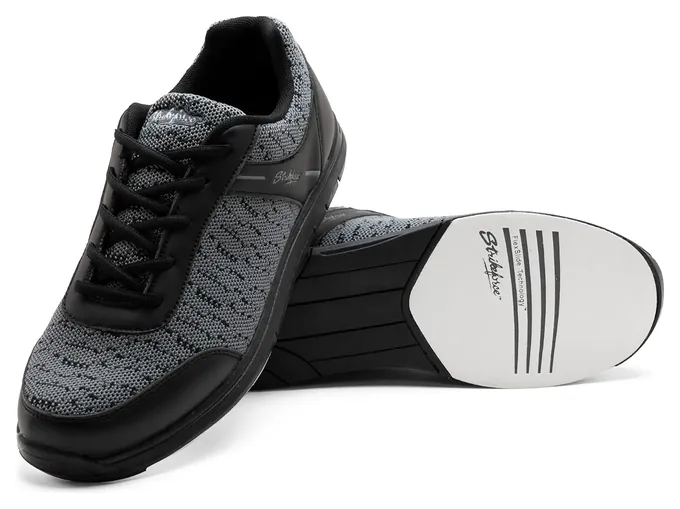
Universal starter pairs, dial-laced shoes and tunable tournament models compared. The KR Strikeforce Flyer Mesh is the best first pair for most men who bowl. When users buy our independently chosen editorial choices, we may earn commissions to help fund the Wiki.
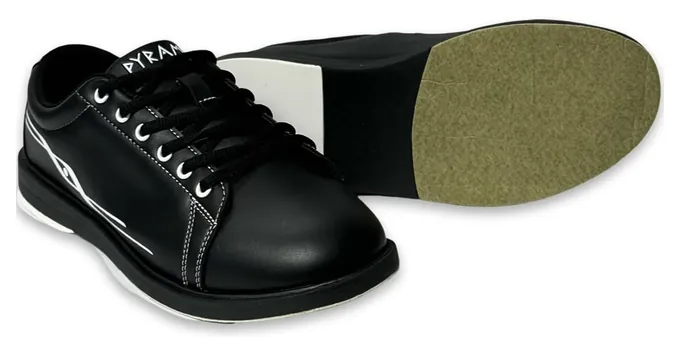
A bowling shoe only works because its two soles differ: the slide foot glides on smooth microfiber while the other foot grips with rubber to stop you at the line. Starter pairs put a slide sole on both feet so either hand can use them. This list is for men ready to stop renting, from casual bowlers to tournament regulars.


Editor's Notes
October 23, 2026, by Ezvid Wiki Admin:
The KR Strikeforce Flyer Mesh leads the list because it gets the one thing a first pair needs right, a smooth slide on either foot, at a starter price. Most of the old list was gone. The Dexter 9 HT, Dexter SST 8 Pro, 3G Mens Tour Ultra, Linds Classic, Brunswick Vapor, Dexter Kory II and BSI 751 have been discontinued or are no longer offered, and the older KR Strikeforce Flyer gave way to its mesh version. We also cut the KR Strikeforce Aviator, which had become a near twin of the Flyer Mesh.
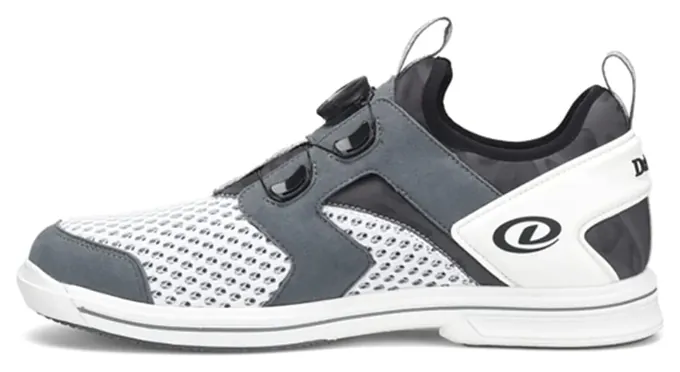
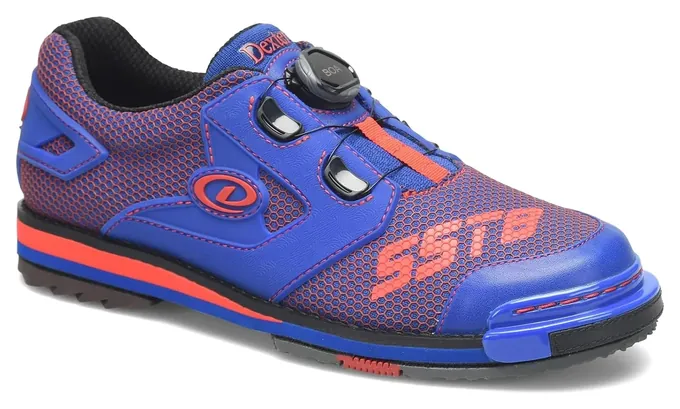
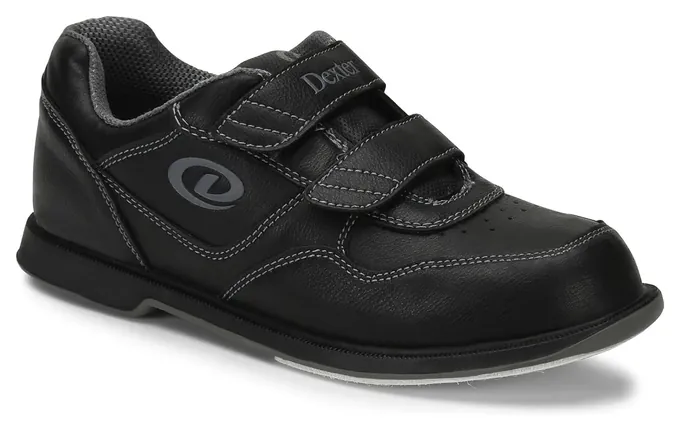
The Dexter V-Strap stays for anyone who'd rather use straps than laces. New picks add dial lacing for both hands, a canvas slip-on and two shoes with swappable soles and heels, including the convertible Dexter SST 8 Power-Frame BOA. The most useful evidence was Bowling.com's guide to sole and heel numbers, which explains when swappable parts pay off, plus staff picks from bowling retailers and patterns in owner reviews about fit and slide.
June 02, 2020:
A good pair of bowling shoes can make a big difference in your game if you get the right pair. Almost as much as having your own ball. But there's a pretty wide range in quality out there, and how often you bowl, and how seriously, should be taken into account. Something like the 3G Mens Tour Ultra or the Dexter 9 HT probably don't make sense for someone who bowls a few times a year and is simply grossed out by sharing shoes with other people. If you bowl in a league, or more than once per week, options like these will provide you with durability and the ability to customize their performance to meet your specific stride.
With a slew of models by companies like Brunswick and KR Strikeforce on the market, we diversified our list a little, saying goodbye to some of the lower-level options by companies like Dexter. The KR Strikeforce Aviator is particularly impressive for its price point, and represents the direction a lot of young bowlers are interested in exploring. That's because, in addition to looking decidedly more modern than what often appear like orthopedic shoes, this model and others like it provide serious features and reliable comfort by using modern materials like open cell foam and synthetic mesh uppers that offer outstanding breathability.
Special Honors
Dexter Spare Soles And Heels Dexter's own store sells replacement slide soles and heels for its SST and T.H.E. lines, so a performance shoe can be retuned or repaired instead of replaced. It's also the place to check the full Dexter range, which includes models and colors beyond what most stores carry. dexterbowling.com
Slide Foot, Brake Foot And Which Hand You Throw With
Convertible shoes, with soles that swap on both feet, can be set up for either hand.
A bowling shoe works because its two soles do different jobs. The slide foot needs a smooth sole of microfiber, felt or leather so it can glide into the foul line. The other foot pushes off and stops you, so it needs grippy rubber. A right-handed bowler slides on the left foot, and a left-hander slides on the right (Bowling.com).
Starter shoes skip that question by putting a slide sole on both feet. These "universal" shoes work for either hand, and they're the right call for casual and weekly league bowlers. Handed shoes put the slide sole on one foot only and a braking sole on the other, which gives more control once your approach is consistent. Convertible shoes, with soles that swap on both feet, can be set up for either hand.
Regular sneakers are a poor stand-in. Their rubber soles grab the approach, and a foot that stops short while your body keeps moving is how bowlers fall.
Sole And Heel Numbers, And When Swappable Parts Pay Off
Performance shoes let you change the slide sole and heel to match the lanes. Dexter rates both on a scale of 2 to 10. For soles, higher numbers slide more. For heels, lower numbers brake harder: H2 to H4 stop you quickly, while H5 and H6 stop you more gently. Most bowlers start with a sole between S6 and S8 and an H5 heel (Bowling.com).
The rule of thumb is simple. If your slide foot sticks early, move to a higher sole number. If you slide past where you want to stop, or the approach is slick, go lower, and try a firmer heel first.
Swappable parts earn their cost if you bowl in different centers or in tournaments, where approaches vary. If you bowl in one house every week, a universal shoe with a sole that suits that house is enough. Dexter sells spare soles and heels for its own lines (Dexter), and they usually last for years.
What Bowling Shoes Cost, And How To Make Them Last
Prices fall into three tiers. Beginner shoes with a universal slide sole cost about $45 to $80. Intermediate shoes, with better support and some swappable parts, run about $100 to $150. Advanced shoes with fully interchangeable soles and heels cost about $200 to $300 (Bowling.com).
A good pair can last 5 to 20 years if you look after it. Never wear bowling shoes outside, in the parking lot or on the drive over. Grit, water and gum ruin a slide sole and can make your slide sticky or unpredictable. Carry them in a bag, check the slide sole for dirt before you bowl, and brush it off if it feels grabby. Store them somewhere cool and dry, and replace a worn sole or heel instead of the whole shoe when your shoes allow it.
Fit matters more than looks. Many bowling shoes run a half size off, and the direction varies by brand, so buy where exchanges are simple and try them with the socks you bowl in.
How we researched this
We compared 22 men's bowling shoes from Dexter, KR Strikeforce, Pyramid, Brunswick, Hammer, Elite, BSI and 3G, read each maker's feature lists and Bowling.com's guides to sole and heel numbers, weighed staff picks from bowling retailers, analyzed owner feedback on slide, fit and wear, and checked every brand against U.S. Consumer Product Safety Commission recall records. We found no independent lab tests of bowling shoes.
Frequently asked questions
How much do bowling shoes cost?
Beginner pairs with a slide sole on both feet cost about $45 to $80. Mid-range shoes with better support and some swappable parts run about $100 to $150, and tournament shoes with fully interchangeable soles and heels cost about $200 to $300.
What makes bowling shoes different from sneakers?
The slide foot has a smooth sole that glides into the foul line, and the other foot has rubber to push off and stop. Sneakers grip everywhere, so they can stop your foot short and throw you off balance.
Do I need right-handed or left-handed bowling shoes?
Not at first. Universal shoes have a slide sole on both feet and work for either hand. Handed shoes put the slide sole on one foot: the left for right-handers, the right for left-handers.
Is it worth owning bowling shoes instead of renting?
If you bowl more than a few times a year, yes. Rental soles are often worn unevenly, so the slide changes from pair to pair. Your own shoes fit better, slide the same way every time and are cleaner.
Can I wear bowling shoes outside?
No. Dirt, water and grit damage the slide sole and can make your slide sticky or unsafe. Carry them to the center and change there.
How long do bowling shoes last?
A pair that's kept clean and only worn on the lanes can last 5 to 20 years. On performance shoes, worn soles and heels can be replaced on their own.