The 10 Best Ceiling Speakers For Surround Sound
Updated by · How we research

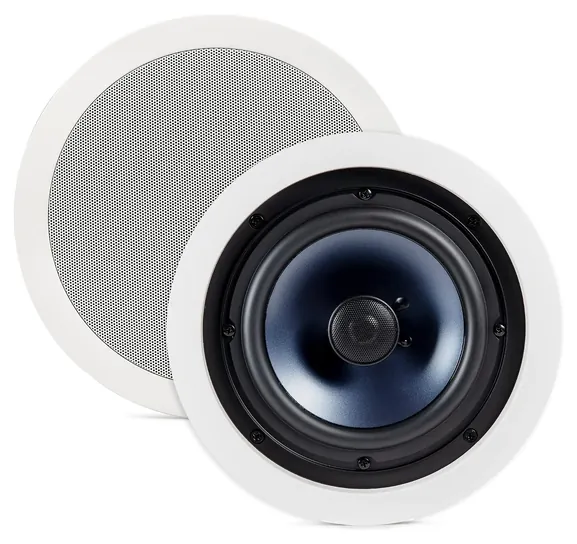
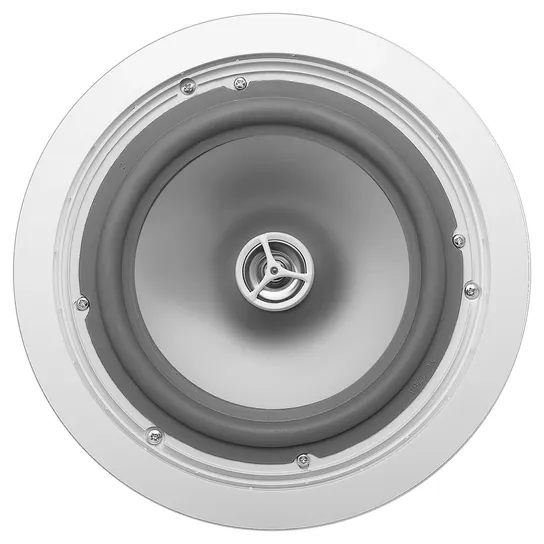
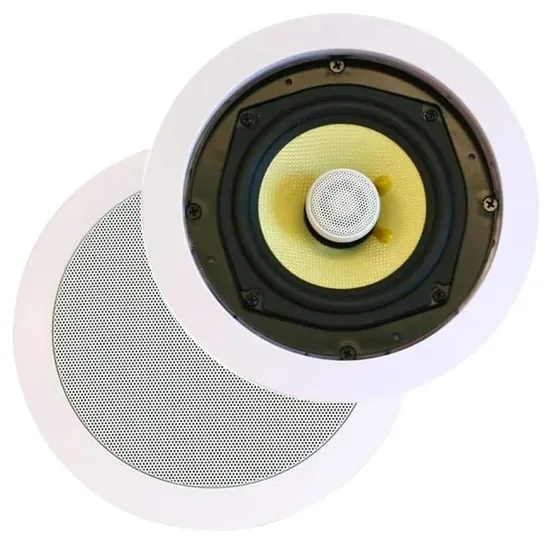
Ten in-ceiling speakers for Atmos height and surround channels, compared on woofer size, aimable tweeters, depth and damp-room use. Top pick: the Polk RC80i. When users buy our independently chosen editorial selections, we may earn commissions to help fund the Wiki.
An in-ceiling speaker has no amplifier inside, so every one here runs from an AV receiver's speaker terminals, and none of them replaces a subwoofer. Some sell as pairs and some one at a time, which matters when you compare prices. This list is for anyone adding Dolby Atmos height channels, overhead surrounds or background music to a room.


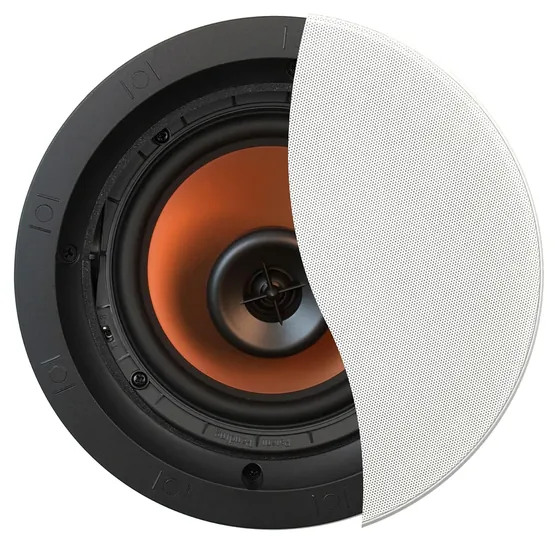
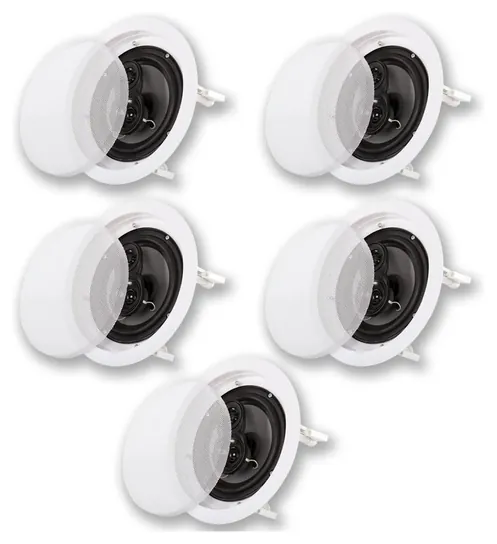
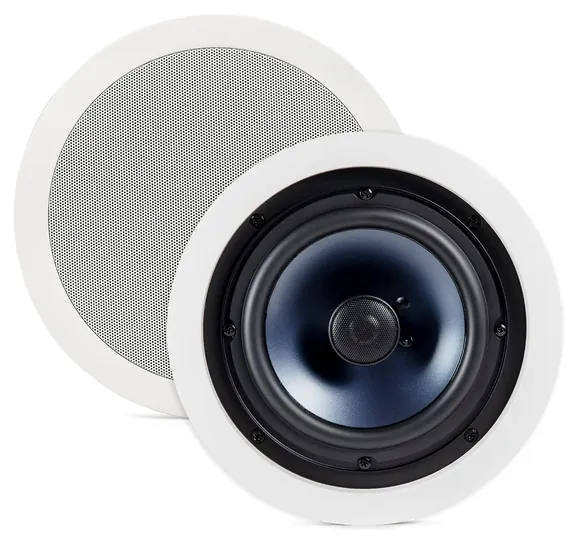
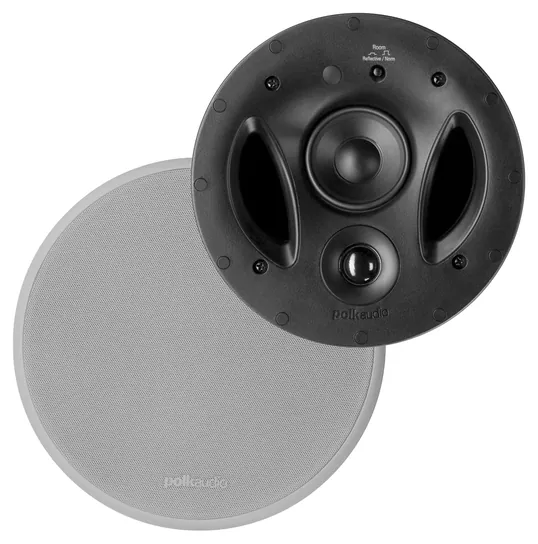
Editor's Notes
October 27, 2026, by Ezvid Wiki Admin:
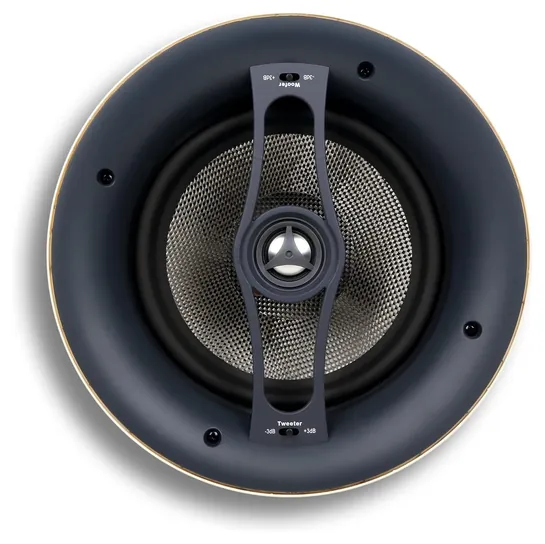
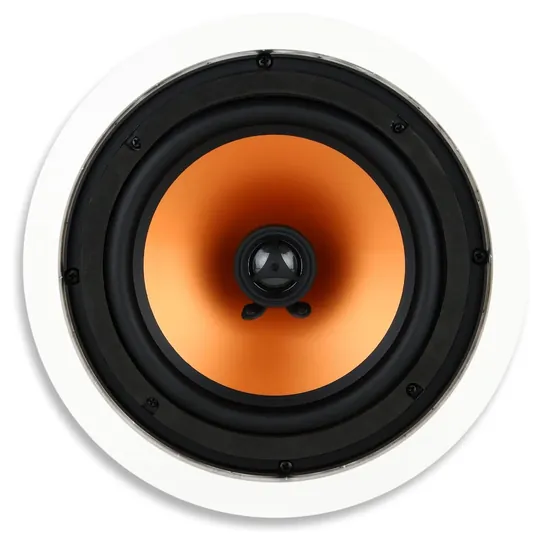
The Polk RC80i keeps the top spot. It still pairs a full-size woofer, a swiveling tweeter and a damp-room build in a pair at a fair price. The Micca R-8C is new here, mostly for its bass and treble switches, which help when a speaker can't go in the ideal spot. We also added the Polk RC60i for shallow ceilings, the three-way Polk 70-RT and a Monoprice Caliber pair.
The JBL 8124 is gone because it's a 70-volt commercial speaker that needs a special amplifier, not a home theater receiver. The Yamaha NS-IW280C left because of availability concerns, the Polk MC60 because a single speaker cost about what a good pair does, and the Pyle Flush Mount for thin evidence.
No lab has published measurements for these speakers, so the ranking leans on each maker's driver and power specs, Dolby's overhead placement guide, an installer's ceiling speaker guide and recall records. Check whether a price covers one speaker or two before comparing.
September 16, 2020:
Ceiling speakers can serve a variety of purposes in your home. Not only are they great for home theatres but they're also good for multi-zone music systems that play music in several rooms. With the rising popularity of Dolby Atmos, surround sound systems have become much more dynamic and customizable with ceiling speakers playing a crucial role in adding height channels for improved dimension. Before making any purchases, it's important that you ensure the power output of your stereo receiver/amplifier will not overload the speakers you wish to install.
In a home theatre setting, most options on the list are best for supplementing a surround sound system composed of 5.1 speakers or in-wall speakers. With the exception of the Micca M-8C, most lack the power and versatility to serve exclusively in a home theatre and they should, at the very least, be paired with a subwoofer.
If you want a sound system that works throughout your entire home, including the bathroom or a covered patio, it's important to make sure the speakers are moisture resistant. The Polk RC80i, Polk MC60, and OSD ICE800 are all suitable for bathrooms, kitchens, laundry rooms, and covered patios. While they sport rust- and water-resistant materials, they cannot be directly exposed to water or the elements.
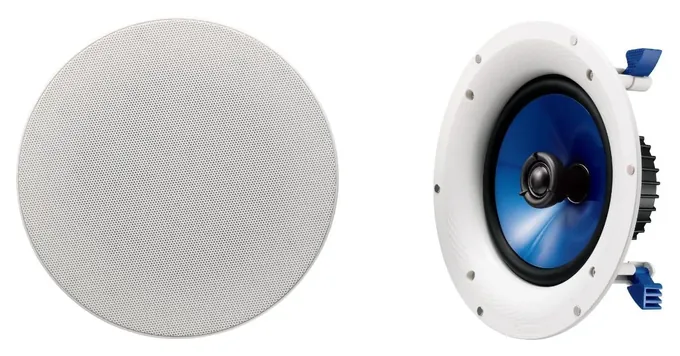
If you're a borderline audiophile, the best options to consider are the Polk RC80i, Yamaha NS-IC800, Klipsch CDT-5650-C II, and Micca M-8C. These offer the most in terms of customization and tuning to the acoustics of a room. Additionally, they all boast high-quality crossovers that provide a cohesive blend of the middle and upper registers.
Those who are looking for simplicity and find adjustments and tuning to be somewhat tedious, the Polk RC80i, Polk MC60, Pyle Flush Mount, and Acoustic Audio CS-IC83 are your best bet. While the Polk RC80i does offer a lot of features to accommodate room acoustics, they provide superb audio without having to make adjustments.
The Acoustic Audio CS-IC83 and Pyle Flush Mount are the most budget-friendly options on the list. The Pyle Flush Mount, however, does lack a bit of bass and range. They're at their best when used with an existing sound system or in light applications, such as music for a home office.
Special Honors
MartinLogan Helos MartinLogan's Helos in-ceiling speakers are compact, higher-end models with aimable soft-dome tweeters, for people who want a small grille and more refined sound than budget sets offer. They're sold through MartinLogan and its dealers. martinlogan.com
Sonos In-Ceiling For a house that already runs on Sonos, the In-Ceiling speakers, made with Sonance, are designed around a Sonos Amp and controlled through the Sonos app. Sonos sells them as a set with the amp, so they cost far more than a passive pair wired to a receiver you already own. sonos.com
Woofer Size, Aimable Tweeters And Pairs Versus Singles
Jensen advises against commercial speakers that fire straight down.
Most surround buyers choose between eight-inch and six-and-a-half-inch woofers. The bigger cone moves more air, so it plays louder with less strain and gives rear surrounds more body. The smaller one is fine for height channels and small rooms, and it often fits shallower ceilings. Jensen's in-ceiling speaker guide advises against going bigger than eight inches unless the speaker is a subwoofer. Whatever the size, real bass still comes from a subwoofer.
Look for a tweeter you can swivel, then point it at the main seat. Jensen advises against commercial speakers that fire straight down. The [Klipsch CDT-5650-C II]({KLIPSCH}) goes further: the whole driver rotates and tilts after it's in the ceiling.
Check the pack count before you compare prices. The Polk RC80i, Polk RC60i, Yamaha NS-IC800, OSD ICE800 and Monoprice Caliber come as pairs. The Micca and Klipsch models are sold one at a time, so double their price for a pair. Most of these are 8-ohm speakers made for a normal AV receiver. Wiring several speakers to one receiver channel lowers the load it sees, so check the receiver's manual before adding zones.
Where Ceiling Speakers Go For Atmos And Surround
A 5.1.2 system adds two overhead speakers to a regular 5.1 setup, and 5.1.4 or 7.1.4 adds four. Dolby's overhead speaker setup guide asks you to pick a central seat and aim the overhead speakers at it, with front heights ahead of the listening position and rear heights behind it. Measure from the main seat, not from the screen, and mark the joists before you commit to a spot.
For rear surrounds in a room with no floor space, a pair of ceiling speakers a little behind the couch can do the job, and an aimable tweeter helps pull the sound down toward ear level. For background music in a kitchen or hallway, spacing matters more than aiming: spread the speakers so no spot is far from one.
Rooms with steam or outdoor air need a moisture-resistant model. The Polk RC80i, Polk RC60i, Micca M-8C and OSD ICE800 are built for damp rooms or covered porches, but none of them is meant for rain or for a spot right over a shower.
Cutting In, Wiring And Fire-Rated Ceilings
Find the joists, pipes, wires and ductwork before you cut, and use the template that comes in the box. Most of these speakers hold on with clamps that swing out behind the drywall as you tighten the screws, so an existing ceiling needs no bracket. Paint only the grille, and keep paint off the cone.
Run in-wall-rated speaker cable, marked CL2 or CL3, inside walls and ceilings. Jensen recommends 14-gauge cable, kept about a foot from household power wiring and crossing it at a right angle to avoid hum. Air-return spaces call for plenum-rated cable, so check local code.
A ceiling between a garage and a living space, or between apartments, is often fire-rated, and a speaker hole breaks that rating unless you add a rated enclosure. Klipsch sells a fire-rated back box for the CDT-5650-C II, listed on its product page. A back box also cuts the sound that leaks into the room above. Without one, packing insulation behind an open-back speaker helps.
How we researched this
We compared 19 in-ceiling speakers and read the published driver, power and size specs for the 12 finalists. Placement and wiring advice comes from Dolby's overhead setup guide and an installer's in-ceiling guide. We looked at owner feedback patterns and checked every brand against CPSC recall records. Updated October 27, 2026 by Ezvid Wiki Admin.
Frequently asked questions
Do ceiling speakers need an amplifier?
Yes. These are passive speakers with no amplifier inside, so they connect to an AV receiver or a stereo amplifier with speaker-wire outputs. Most are 8-ohm designs that any home theater receiver can drive.
How many ceiling speakers do I need for Dolby Atmos?
Two for a 5.1.2 or 7.1.2 system, four for 5.1.4 or 7.1.4. Your receiver has to support that many height channels, so check its manual first.
Should I get 6.5-inch or 8-inch ceiling speakers?
Eight-inch models give more bass and stay cleaner at volume, which suits rear surrounds and larger rooms. The 6.5-inch size works well for height channels, small rooms and shallow ceilings.
Do I need a back box for ceiling speakers?
Often not. A back box mainly stops sound from leaking into the room above. It's required where the ceiling is fire-rated, and insulation behind an open-back speaker helps when you skip one.
Can I put ceiling speakers in a bathroom?
Only a moisture-resistant model, such as the Polk RC80i or OSD ICE800, and not directly over a shower. None of the speakers on this list is waterproof.
Do ceiling speakers replace a subwoofer?
No. Even eight-inch ceiling speakers can't reproduce the deepest bass in movies, so a subwoofer is still worth having in a surround system.