The 10 Best Ceramic Knives
Updated by · How we research

Ten ceramic knives and sets compared on edge life, chip risk, sharpening and blade shape. The Kyocera Revolution Santoku is the best first buy for most cooks. When users buy our independently chosen editorial selections, we may earn commissions to help fund the Wiki.
A ceramic blade can stay sharp for a year or more of home cooking, yet in one retailer's twist test a top-brand ceramic chef's knife snapped under about a quarter of the force a German steel knife took. These knives suit cooks who slice lots of fruit, vegetables and boneless meat and already own a steel knife for the rough work.
At a Glance
-
1
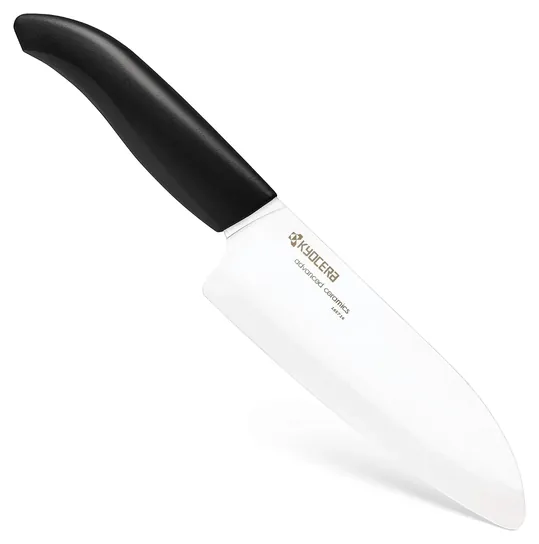
 Kyocera Revolution Santoku
$59
-
2
 Kyocera Revolution Chef's Knife
$86
-
3
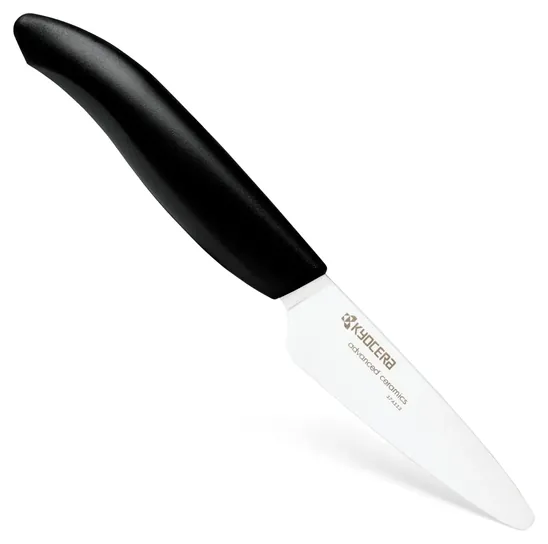
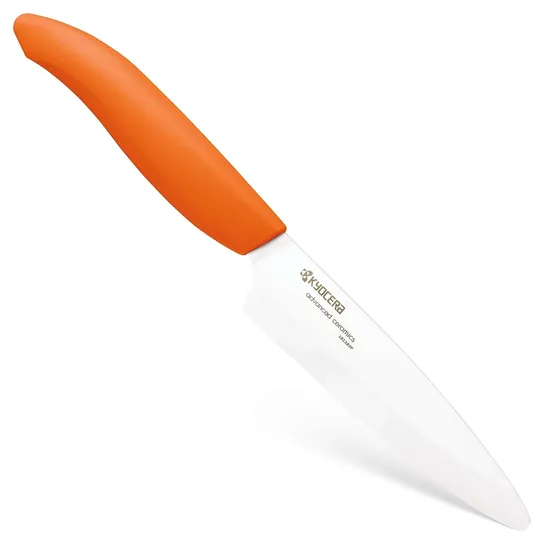
 Kyocera Revolution Paring Knife
$25
-
4
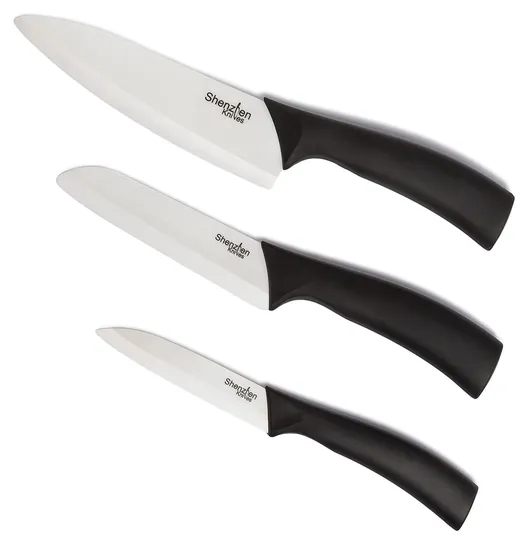
 Shenzhen Knives 3-Piece Set
$19
-
5
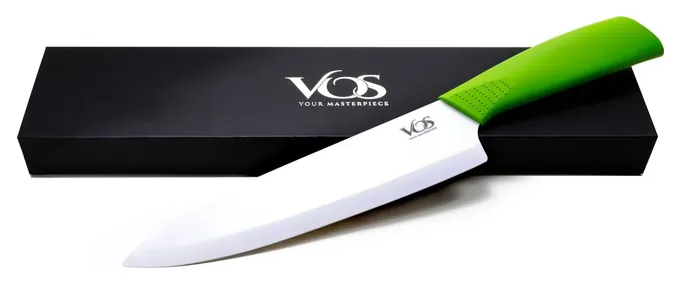
 Vos Ceramic Chef Knife
$21
-
6
 Kyocera Revolution Utility Knife
$38
-
7
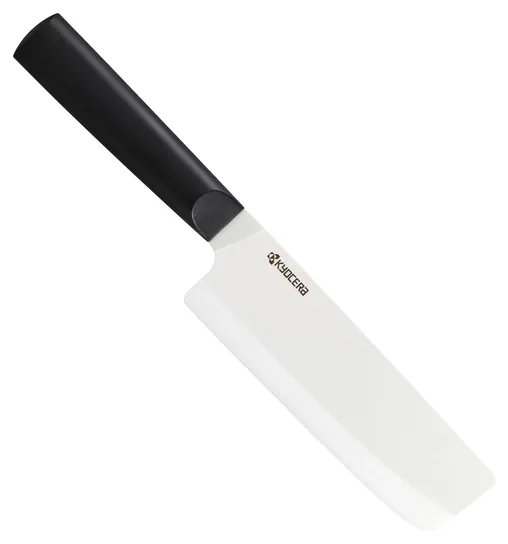
 Kyocera Innovation Nakiri
$95
-
8
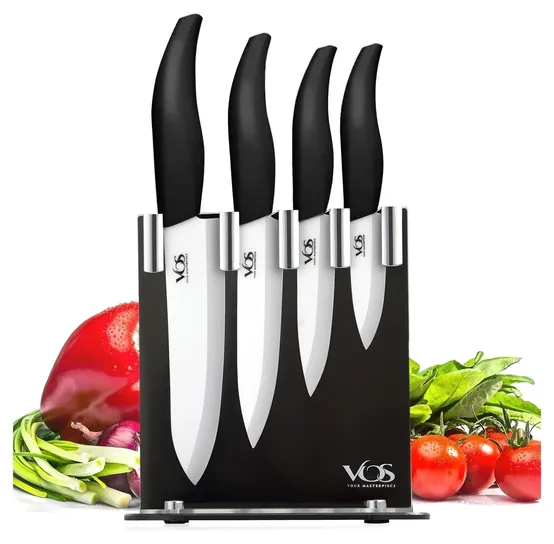
 Vos Ceramic Knife Block Set
$32
-
9
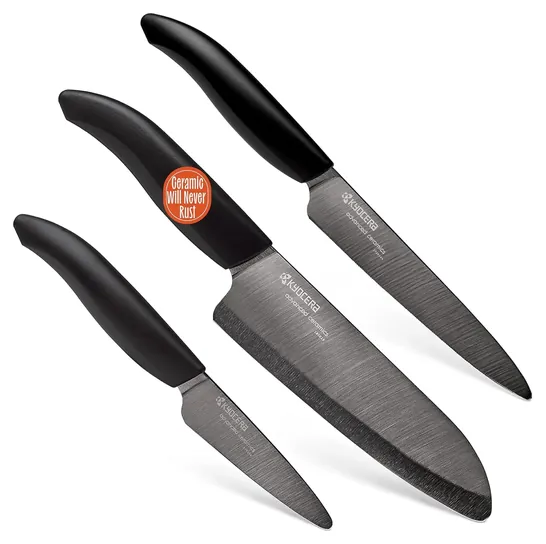
 Kyocera Revolution 3-Piece Set
$122
-
10
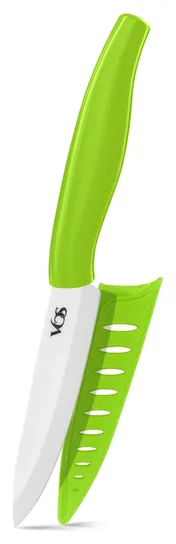
 Vos Ceramic Paring Knife
$9

Editor's Notes
November 1, 2026, by Ezvid Wiki Editors:
The Kyocera Revolution Santoku leads because its mid-length blade covers most daily prep while staying short enough to survive the odd twist. Kyocera fills six of the ten spots for a plain reason: it's the only maker with years of owner history and independent reviews behind it. What settled the order was a retailer's test that twisted blades until they broke, a side-by-side of budget sets that the Shenzhen Knives 3-Piece Set came out on top of, and a paring knife review written after a year of use.
The Vos Ceramic Chef Knife, which an earlier version of this page honored, is still sold and still a fair budget choice. We left out WACOOL and Farberware knives after poor marks in that budget comparison, and so-called ceramic sets that are really steel with a ceramic coating.
Special Honors
Kyocera Sharpening Service Kyocera's mail-in service sharpens its ceramic knives and repairs chips too deep for its home sharpeners. Requests go through an online form; check the current fee and shipping terms before sending a knife. cutlery.kyocera.com
What Ceramic Does Well, And How It Breaks
Use ceramic for fruit, vegetables, herbs and boneless meat or fish.
Ceramic kitchen knives are made of zirconia, a hard ceramic that is pressed and fired, then ground to an edge on diamond wheels. The payoff is an edge that lasts: a long-term Nothing But Knives review found a Kyocera paring knife still very sharp after a year of use. The blades don't rust, don't react with acidic food and don't leave a metallic taste, and Kyocera says cut fruit browns more slowly.
The cost is brittleness. In a Knivesandtools test, a Kyocera chef's knife broke under about a quarter of the twisting force a Wusthof Classic steel knife took, a Kyocera blade showed small chips after one afternoon of use, and one cheap ceramic knife broke when its holder rested on it. The same test found that name-brand blades arrived about as sharp as good steel, while cheaper ones did not. A Cookware Junkies comparison reached a similar verdict, marking down several no-name sets for dull or rolling edges and oversized handles.
Use ceramic for fruit, vegetables, herbs and boneless meat or fish. Keep it away from bones, frozen food, hard cheese, pits, hard squash and anything that needs prying, and slice straight down rather than twisting.
Which Shape To Buy First
Most cooks should start small. A paring or utility knife handles the jobs ceramic does best, peeling, trimming and slicing fruit, and a short blade is less likely to snap. The Nothing But Knives beginner guide makes the same case for a short first knife.
A santoku of about 5.5 inches is the best all-round size: long enough for onions and chicken breasts, short enough to control. Chef's knives of 6 to 8 inches add reach for big vegetables and fillets, but a longer blade also gives more leverage to twist it by accident. A nakiri has a flat, rectangular blade for straight chopping of vegetables, and fine-toothed serrated knives grip tomato and peach skins.
Look for a sheath or a block, since ceramic should never rattle loose in a drawer, and a handle with room for your knuckles. A set saves money only if you'll use every blade. Ceramic works best beside a steel chef's knife, not instead of one: keep steel for squash, bones and anything frozen.
Sharpening, Washing And Storage
Ceramic dulls slowly, but it can't be honed on a steel rod or fixed on a regular whetstone or pull-through sharpener. It needs diamond abrasive. Kyocera sells a manual and an electric diamond sharpener for its blades, which it says repair chips up to half a millimeter deep; deeper damage goes to its mail-in sharpening service, run by a partner company. Budget brands rarely offer a service, so plan on replacing a badly chipped cheap knife. The Knivesandtools test also found hand sharpening on diamond slow and uneven.
Wash ceramic by hand with a soft sponge and dry it right away. Some sellers call their knives dishwasher safe, but knocking against plates and racks is how tips chip. Cut on wood or plastic, never glass, stone or ceramic boards, and don't scrape food across the board with the edge; flip the knife and use the spine.
Store each blade in a sheath or a block. A broken blade throws sharp shards, so sweep up carefully and keep these knives out of children's reach. A check of the U.S. Consumer Product Safety Commission's SaferProducts database turned up no ceramic-knife recalls for the brands here.
How we researched this
We compared 16 ceramic knives and sets from six brands, read Kyocera's sharpening and care information, a retailer's break test, a side-by-side comparison of budget sets and a long-term paring knife review, analyzed owner feedback for patterns such as chipping, and checked every brand against the U.S. Consumer Product Safety Commission's recall database.
Frequently asked questions
Are ceramic knives any good?
Yes, for slicing fruit, vegetables and boneless meat. Name-brand blades come very sharp and stay sharp for months or years. They chip and break more easily than steel, so they work best beside a steel chef's knife.
What should you not cut with a ceramic knife?
Bones, frozen food, hard cheese, fruit pits, hard squash and crusty bread. Also avoid twisting, prying, scraping the board with the edge and cutting on glass or stone.
Can you sharpen a ceramic knife?
Yes, but only with diamond abrasive. Kyocera sells diamond sharpeners that fix small chips and runs a mail-in service for bigger damage. A steel honing rod or an ordinary whetstone won't work.
Can ceramic knives go in the dishwasher?
It's best not to. Even when a seller allows it, bumping against dishes and racks can chip the edge. Wash by hand and dry right away.
Do ceramic knives rust?
No. Zirconia doesn't rust or react with acidic food, and it doesn't leave a metallic taste. The handles still need normal care.
Can I take a ceramic knife on a plane?
Not in a carry-on bag in the U.S. The TSA allows knives only in checked luggage, and ceramic is no exception. Wrap the blade securely before packing it.