The 8 Best Ceylon Cinnamon Capsules
Updated by · How we research

Ceylon bark carries far less coumarin than cassia. Eight capsules compared by dose, organic seals and testing claims; NutriFlair Organic Ceylon Cinnamon leads. When users buy our independently chosen editorial choices, we may earn commissions to help fund the Wiki.
Most cinnamon sold in U.S. stores is cassia, and a single teaspoon can carry more coumarin than an adult's tolerable daily intake. Ceylon bark holds only traces, which is the main reason to choose it. This list is for people who take cinnamon as a daily habit, and it treats the blood sugar promises on many bottles with caution.
At a Glance
-
1
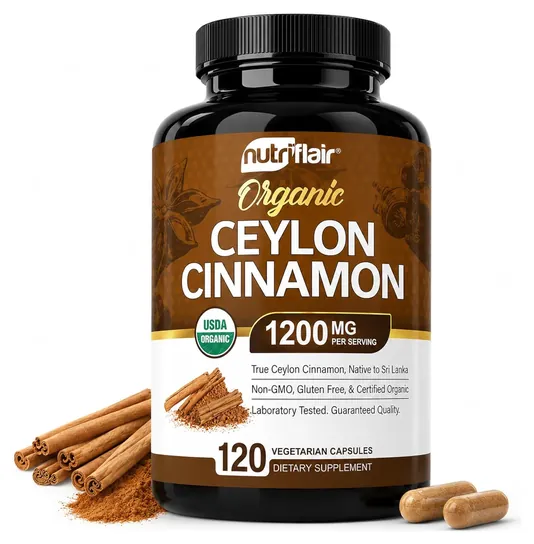
 NutriFlair Organic Ceylon Cinnamon
$20
-
2
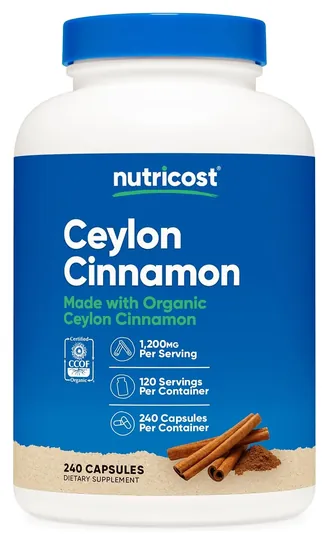
 Nutricost Organic Ceylon Cinnamon
$19
-
3
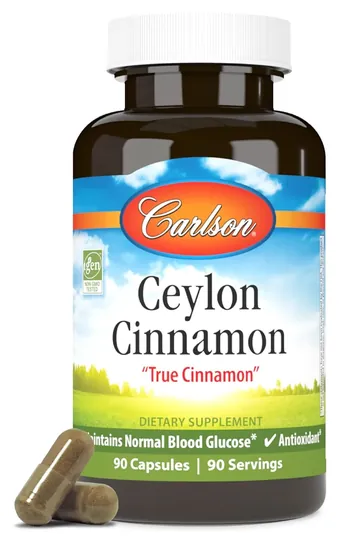
 Carlson Ceylon Cinnamon
$16
-
4
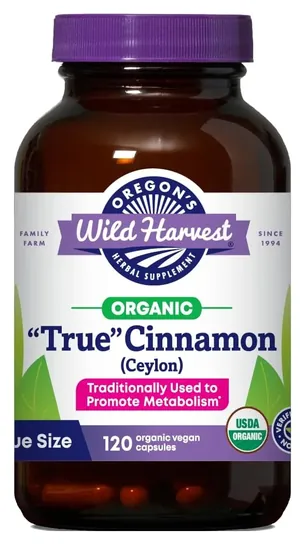
 Oregon's Wild Harvest True Cinnamon
$38
-
5
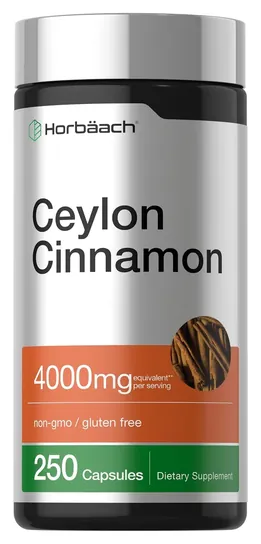
 Horbaach Ceylon Cinnamon
$18
-
6
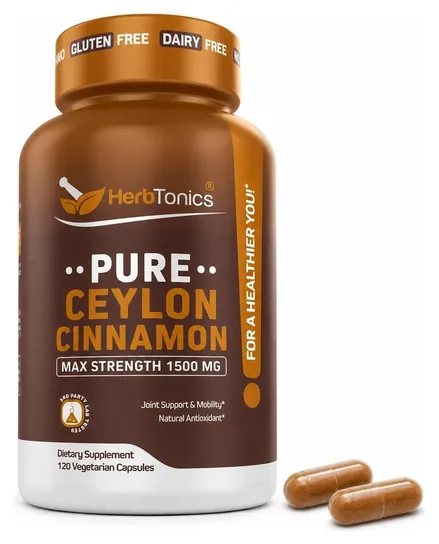
 Herbtonics Pure Ceylon Cinnamon
$20
-
7
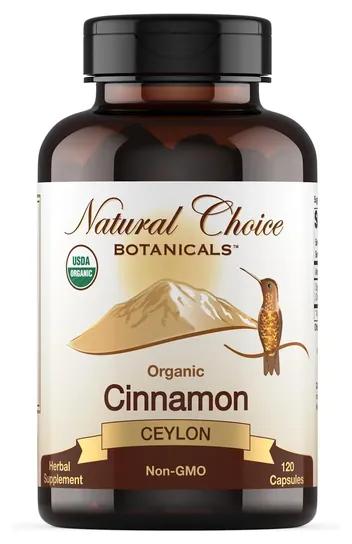
 Natural Choice Botanicals Ceylon Cinnamon
$21
-
8
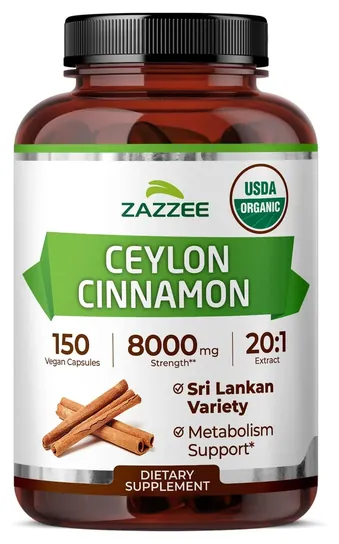
 Zazzee Organic Ceylon Cinnamon
$23
Editor's Notes
November 16, 2026, by Ezvid Wiki Editors:
NutriFlair Organic Ceylon Cinnamon takes the top spot because it pairs certified organic bark with a maker-run coumarin check on every batch, and it adds nothing else to the capsule. Nutricost Organic Ceylon Cinnamon is the pick for a long-lasting tub at a low monthly cost.
This page covers plain Ceylon capsules only: ground bark or a straight extract. We left out blends with berberine, bitter melon, chromium or biotin, since every extra ingredient brings its own drug interactions, and oil-filled softgels whose labels inflate the cinnamon figure. Lookalike budget bottles that copy another brand's label didn't make it either.
What decided the order was each bottle's supplement facts panel, read against a 2025 European study that caught cassia sold as Ceylon and the coumarin limits food-safety agencies use. For the health side, we leaned on the Cochrane and NIH reviews of cinnamon and blood sugar, which find little firm support.
Is It Really Ceylon? Check The Species And Ask For A Batch Report
A capsule worth buying names the species on its supplement facts panel.
Ceylon, or "true," cinnamon is the inner bark of Cinnamomum verum, also written C. zeylanicum, grown mostly in Sri Lanka. Most cinnamon sold in North America is cassia, from related trees in China, Indonesia and Vietnam, and labels often don't say which kind is inside (NCCIH). A capsule worth buying names the species on its supplement facts panel. "Cinnamon" alone, or C. cassia, aromaticum or burmannii, means cassia.
The difference that matters is coumarin, a natural compound that can harm the liver in large amounts. A teaspoon of cassia held about 8.5 to 15.5 milligrams in ConsumerLab's tests, while Ceylon holds only traces. The tolerable daily intake used in Europe is about 0.1 milligram per kilogram of body weight, roughly 7 milligrams for a 154-pound adult (ConsumerLab, BAV-Institut). ConsumerLab treats more than 1 milligram a day from a Ceylon supplement as a red flag.
Mislabeling happens. A 2025 European Commission study of 104 cinnamon samples found cassia sold as Ceylon in about 9% of the Ceylon-labeled ones, and other substitutions in about 11% (npj Science of Food). ConsumerLab also found a capsule sold as Ceylon with cassia-level coumarin. Organic and non-GMO seals describe how the bark was grown, not which tree it came from. The surest check is a certificate of analysis for your batch, showing identity, coumarin and heavy metals. Most makers here say they test each batch, but none posts the results, so email and ask. A sudden change in color between bottles is worth a question too.
Bark Powder Or Extract: Making Sense Of The Milligrams
Plain bark capsules are just ground cinnamon in a shell. Labels here suggest 500 to 1,500 milligrams a day, usually split into two capsules. There is no official dose. The trials summarized by Cochrane mostly used about 2 grams a day, and mostly cassia.
Extracts are concentrated, and their front labels use "equivalent" math. Horbaach's serving holds 400 milligrams of a 10-to-1 extract, which it calls equal to 4,000 milligrams of bark. Zazzee's single capsule holds 400 milligrams of a 20-to-1 extract, sold as 8,000 milligrams. Those numbers describe how much bark went into the extract, not what you swallow, and an extract doesn't keep every compound of the bark in the same proportion. Compare bark products by the milligrams of bark, and extracts by the milligrams of extract.
Cost per month varies more than shelf price suggests, because bottle sizes and doses differ. At the label dose, the bark capsules here differ almost fourfold in monthly cost, from Nutricost's four-month tub at the low end to Oregon's Wild Harvest at the top. Check the shell, too: pullulan is a plant starch and suits vegans, while gelatin comes from animals. Flow agents such as magnesium stearate and silica are common and considered harmless, but some buyers prefer bark alone.
What Cinnamon Can And Can't Do, And Who Should Ask A Doctor First
Many bottles hint at blood sugar or metabolism. The evidence is weak. A Cochrane review of 10 trials with 577 people found no clear effect on HbA1c, insulin or after-meal glucose, and most trials had a high or unclear risk of bias. The National Institutes of Health says research doesn't clearly support cinnamon for any health condition (NCCIH). Dietary supplements aren't approved by the FDA before they're sold, and a maker's claims aren't checked (FDA). Take cinnamon because you like it as a daily habit, not as a treatment.
Food amounts are likely safe for most adults. Larger amounts can upset the stomach or cause allergic reactions, and NCCIH considers large amounts of Ceylon cinnamon unsafe during pregnancy. Memorial Sloan Kettering lists possible interactions with diabetes medicines (the effects may add up), with statins and with other drugs processed by the liver (MSK). If you take any of those, or have liver disease, ask a doctor or pharmacist first.
Lead is the other live issue. The FDA has warned about lead in several brands of ground cinnamon spice since 2024; none of them make the capsules on this list. Still, NutriFlair's bottle carries a California lead warning and Carlson doesn't sell its capsules in that state, so a batch report that covers heavy metals is worth requesting. Take capsules with water and a meal, and never try the "cinnamon challenge" with dry powder, which can be inhaled into the lungs.
How we researched this
We compared 16 Ceylon cinnamon capsules, extracts, blends and softgels, read the supplement facts panels and maker statements for the eight picks, worked out the cost per month at each label dose, checked the label math on extracts, and read guidance from the National Institutes of Health, Memorial Sloan Kettering, the FDA and a Cochrane review, plus a 2025 European Commission study of cinnamon labeling. We searched for recalls and FDA lead alerts by brand and found none for these capsules. We found no public independent lab results for any pick.
Sources (7)
- NCCIH (NIH): Cinnamon
- Cochrane: Cinnamon for diabetes mellitus (2012)
- npj Science of Food (2025): authenticity and safety of cinnamon in the EU market
- ConsumerLab: Cinnamon, coumarin and liver danger
- BAV-Institut: coumarin in cinnamon stars
- Memorial Sloan Kettering: Cinnamon
- FDA: Information for consumers on using dietary supplements
Frequently asked questions
Is Ceylon cinnamon safer than regular cinnamon?
For daily use, yes. Regular store cinnamon is usually cassia, which carries far more coumarin, a compound that can harm the liver in large amounts. Ceylon holds only traces.
Can Ceylon cinnamon capsules lower blood sugar?
It isn't proven. A Cochrane review of 10 trials found no clear effect on long-term blood sugar or insulin, and the NIH says research doesn't clearly support cinnamon for any condition.
How much Ceylon cinnamon should I take a day?
There is no official dose. Bark capsules suggest 500 to 1,500 milligrams a day, usually split into two capsules taken with food. Follow the label, and ask a doctor if you take medicine.
Can I take cinnamon capsules with metformin or other diabetes drugs?
Ask your doctor first. Memorial Sloan Kettering notes cinnamon may add to the effect of diabetes drugs, and it lists possible interactions with statins and other drugs processed by the liver.
Do I need organic Ceylon cinnamon?
Organic seals cover farming methods, not whether the bark is true Ceylon or low in lead. For those, ask the maker for a certificate of analysis for your batch.
Is Ceylon cinnamon safe during pregnancy?
Amounts used in food are fine for most people, but the NIH considers larger amounts of Ceylon cinnamon unsafe in pregnancy. Talk to your doctor before taking capsules.