The 9 Best Chainsaw Sharpeners
Updated by · How we research

File guides, bar-mounted jigs, 12-volt grinders and bench machines compared. The Stihl 2-in-1 Easy File is the simplest way to sharpen a chain well. When users buy our independently chosen editorial choices, we may earn commissions to help fund the Wiki.
Chain sharpening starts with one number: the chain's pitch, stamped on the guide bar or listed in the saw's manual, which sets the file size you need. Too small a file misses the top of each tooth, and too large a file ruins its hook. The picks here serve homeowners cutting firewood a few weekends a year and crews who dull a chain every day.


Editor's Notes
October 19, 2026, by Ezvid Wiki Admin:
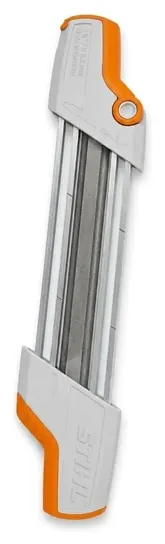
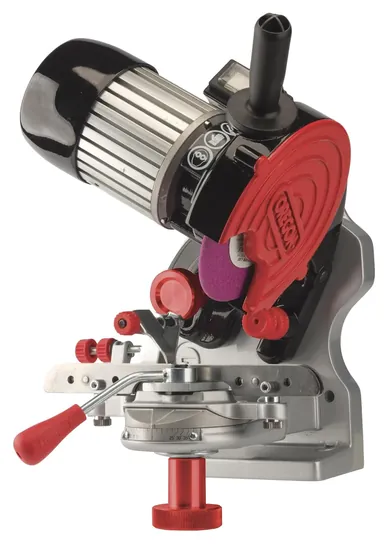
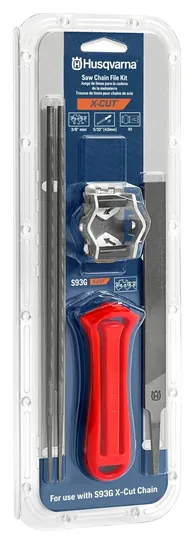
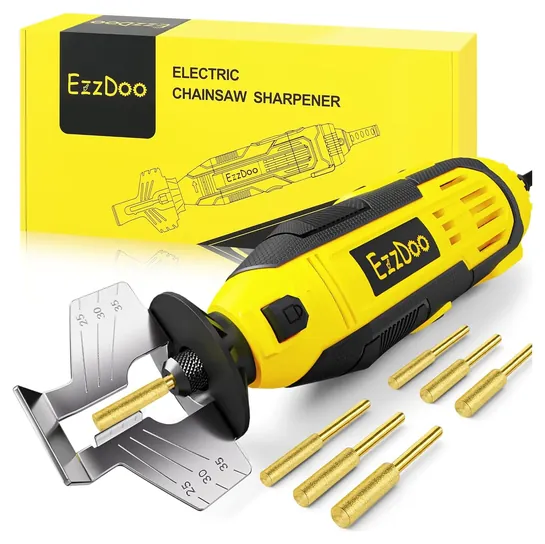
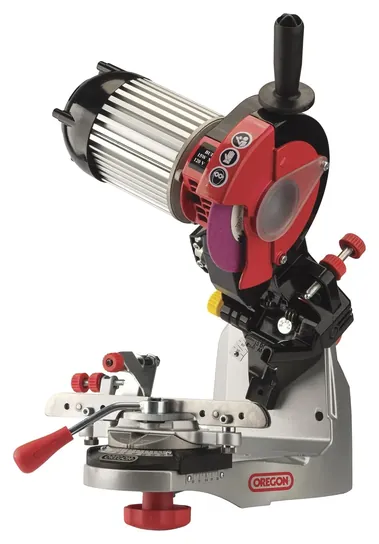
The Stihl 2-in-1 Easy File now leads this list because it sharpens each cutter and lowers its depth gauge in the same stroke, which fixes the most common mistake in hand filing. The Oregon 410-120 is new, for people who sharpen often, and the Oregon Sure Sharp 575214 takes the place of the older 30846 kit. The Oregon 617067, Husqvarna X-Cut S93G and EzzDoo Electric Kit are also new.
The Timberline sharpener and the Katzco kit are no longer available, so they're gone. We also dropped the Buffalo Tools ECSS grinder, which takes a single chain pitch and carries a short warranty, the single-size Husqvarna SharpForce guide, and an older Husqvarna file kit whose current status we couldn't confirm.
Sharpeners rarely get lab tests, so we leaned on two published side-by-side sharpener trials, Oregon's and Granberg's spec sheets, file-size charts from forestry and how-to guides, and years of arborist forum threads on which jigs hold up. Whatever you buy, wear safety glasses and match the file to your chain.
November 09, 2020:
We removed the CO-Z Electric and the Timber Tuff CS-BWM, both of which appear to suffer from quality control issues. We made sure to replace one of these with another bench grinder-style model, the Oregon 310 Mini. This is an affordable, light-duty model that clamps right to your workbench or tabletop. Its vise locks your chain securely in place while you work, making it really simple to use, and well-suited for anyone new to chainsaw sharpening.
There are several versions of a certain type of sharpener on the market, one that fits over the end of the chainsaw and uses a whetstone to sharpen the teeth of the saw at it moves. These were all poorly received and appeared to damage the chain more often than not. This design just doesn’t seem to work very well, so we didn’t include any on our list.
Keeping your chainsaw properly sharpened is important, not just for efficiency, but safety as well. Dull chainsaw blades tend to lead to operators having to force the chainsaw through logs, which can cause fatigue and imbalance, both factors that can lead to accident or injury.
If you're not sure when it's time to sharpen your chainsaw chain, a good rule of thumb is to look for the size and shape of the wood debris flying out of the log as you saw. Fine sawdust is a sign of a dull blade, as opposed to larger wood chips.
If you're looking to turn your downed logs and trees into firewood, you'll need a dedicated wood splitter. Or, if you want something a little more heavy-duty, these hydraulic log splitters might be a better choice.
December 04, 2019:
Added the Husqvarna 531300081 and the Husqvarna SharpForce. Both models are conveniently portable - often you'll be too far from power sources to use benchtop sharpeners. Also, with these models there is no need to remove the chain. The combination gauge on the 531300081 is especially useful for beginners who still haven't gotten used to keeping a good angle on their file. An added benefit of the hand file-style sharpeners is that you won't have to carry a separate sharpener for your axes and hatchets - the bastard file is very effective at producing a usable edge on both of those tools.
The Timberline Sharpener combines the best properties of electric grinders and hand filers. It is small enough to carry into the field but it removes human error by incorporating an optimal 30 degree angle on the grinder guide. You can keep the chain on the saw because the tool mounts onto the bar and the chain can be moved through the port after sharpening each tooth.
Chainsaws are extremely dangerous tools so good form and blade awareness should be used to prevent injury. Never tamper with the chain brake as doing so removes the layer of protection when the saw kicks up.
Match The File To Your Chain
The depth gauges, the small humps ahead of each cutter, need attention too.
Every sharpener starts from the chain's pitch, the spacing of its links. It's stamped on the guide bar and listed in the saw's manual. The usual pairings are a 5/32-inch (4.0-millimeter) file for 1/4-inch chain, 3/16 inch (4.8 millimeters) for .325-inch chain, and 7/32 inch (5.5 millimeters) for 3/8-inch and .404-inch chain (Bob Vila). Low-profile 3/8-inch chain often takes a smaller file, and sources disagree on it, so confirm the size in your manual.
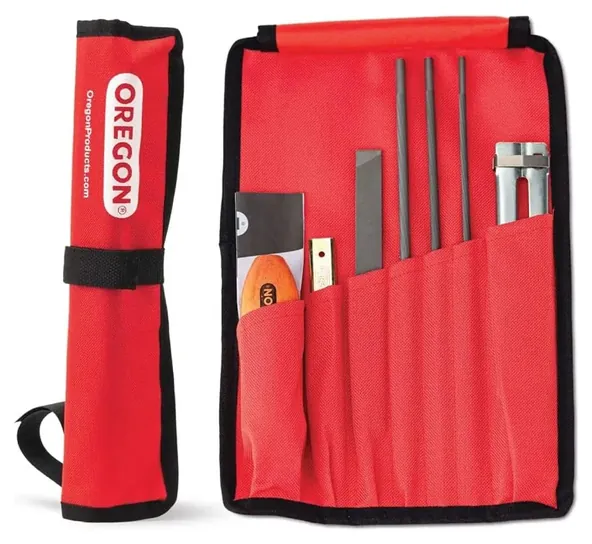
Size matters more than it looks. A file that's too small misses the top of the tooth, and one that's too large rounds off the hook that does the cutting (Northern Woodlands). The depth gauges, the small humps ahead of each cutter, need attention too. As you file the cutters back, the gauges have to come down with them or the chain stops biting. File them too low and the saw grabs and kicks. Guides like the Stihl 2-in-1 do both jobs at once; most other kits include a flat file and a gauge for the second step.
File, Jig, 12-Volt Or Bench Grinder
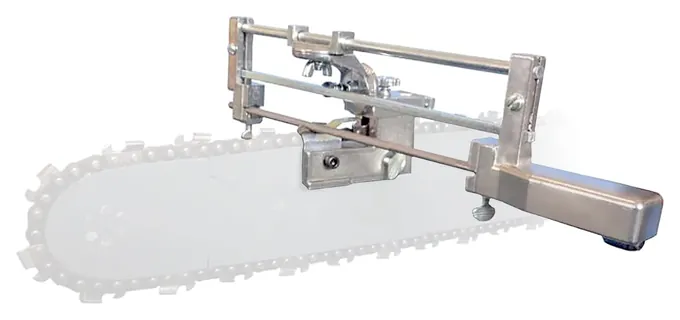
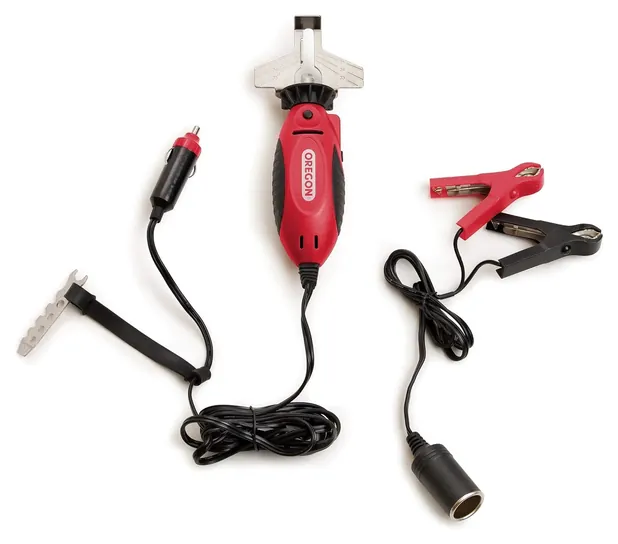
How often you sharpen should decide the type. A file kit is the cheapest route and works anywhere, but you hold the angle yourself. A bar-mounted jig such as the Granberg File-N-Joint locks the angle and height for you; it's slower to set up and shines on long bars. A 12-volt grinder runs off a vehicle battery and takes about half the time of filing, though its single fast speed can overheat a tooth (Bob Vila).
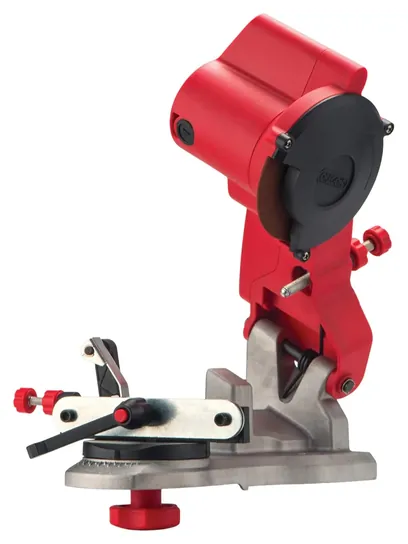
Bench grinders give the most even results, but the chain has to come off the saw. Oregon's light-duty 310-120 is aimed at occasional users, and the 410-120 adds a bigger motor, a light and a depth-gauge disc. A reviewer who sharpens weekly found a grinder worth it, while someone who sharpens once a year would do better with a file kit (Bob Vila review). In Outdoor Life's comparison, nearly every tool gave a usable edge; the differences were speed, setup and how easy it was to repeat.
Sharpen Safely, And Know When To Replace
Wear safety glasses and cut-resistant gloves, set the chain brake, and pull the battery or the plug on an electric saw. Clamp the bar in a vise or a stump vise so the saw can't shift. File from the inside of each cutter outward, use the same number of strokes on every tooth, and flip the saw to do the other side. Grinders throw sparks, so keep them away from sawdust and fuel.
Sharpen when the saw makes dust instead of chips, needs to be pushed, or pulls to one side (Bob Vila). A chain with cracked, chipped or missing cutters, or one that has been overheated until it turns blue, should be replaced instead. Many arborists keep a spare chain on hand for exactly that reason (Arboristsite).
How we researched this
We compared 21 chainsaw sharpeners, from hand files to bench grinders, and narrowed them to nine. We read Oregon's, Granberg's and Stihl's product pages and spec sheets, two published hands-on comparisons by Outdoor Life and Bob Vila, sharpening guides from Northern Woodlands and Bob Vila, and long-running arborist forum threads on how the jigs and grinders hold up. We checked every brand for recalls with the U.S. Consumer Product Safety Commission and found none for sharpening tools. The 3D models are built from published dimensions.
Sources (11)
- Outdoor Life: Best Chainsaw Sharpeners
- Bob Vila: The Best Chainsaw Sharpeners
- Bob Vila: Oregon chainsaw sharpener review
- Bob Vila: How to sharpen a chainsaw
- Northern Woodlands: Myths and mistakes of chainsaw sharpening
- Oregon: 410-120 bench grinder
- Oregon: 310-120 bench grinder
- Stihl NZ: 2-in-1 file holder 3/8
- Arboristsite: Eight different chain sharpeners tested
- Arboristsite: Granberg File-N-Joint, revisited
- CPSC SaferProducts.gov
Frequently asked questions
What chainsaw sharpener do professionals use?
Saw shops and tree crews usually run a bench or wall grinder for stacks of chains, and carry a file guide for touch-ups in the field.
What is the easiest way to sharpen a chainsaw?
A file guide with the angles marked on it, such as the Stihl 2-in-1 Easy File, is the simplest for a beginner. It holds the file at the right height and lowers the depth gauges as you go.
How often should I sharpen my chain?
Sharpen when the saw throws fine dust instead of chips, needs pushing, or pulls to one side. A few strokes per tooth at each fuel fill keeps it cutting longer than waiting until it's dull.
Can I sharpen the chain without taking it off the saw?
Yes, with a file kit, a bar-mounted jig or a 12-volt grinder. Bench grinders need the chain removed and clamped in their own vise.
Is it better to sharpen a chain or buy a new one?
Sharpen a chain that's simply dull. Replace it if cutters are cracked, chipped or missing, if it has been overheated, or if the cutters are filed down close to the depth gauges.