The 8 Best Class D Amplifiers
Updated by · How we research

Eight class D amps compared, from desktop and streaming models to a car subwoofer amp, with real power figures. The Fosi Audio BT20A Pro leads on value. When users buy our independently chosen editorial picks, we may earn commissions to help fund the Wiki.
The watt rating on a small class D amp often assumes a stronger power brick than the one in the box, so real output can be a third of the headline. Switching amps like these waste little power as heat, so they stay compact and cool. This list covers passive speakers at a desk, at home and in a car.


Editor's Notes
October 27, 2026, by Ezvid Wiki Admin:
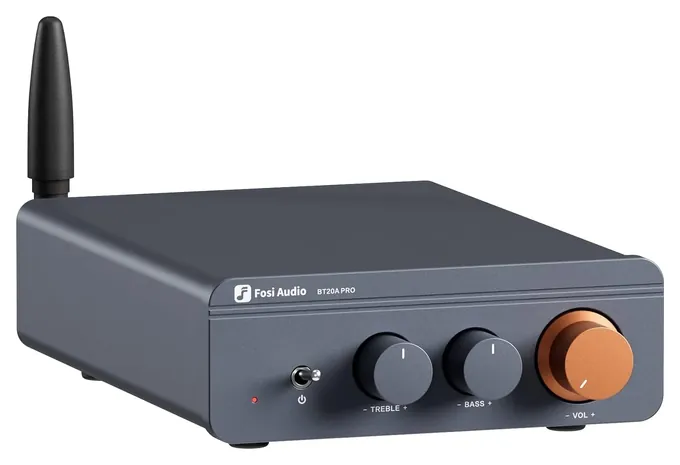
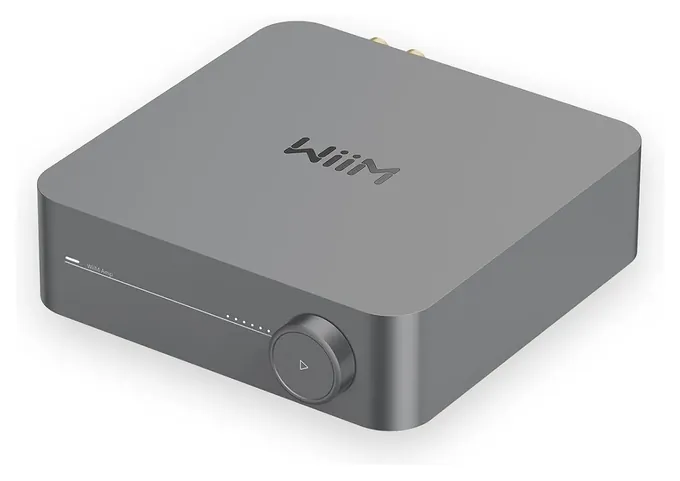
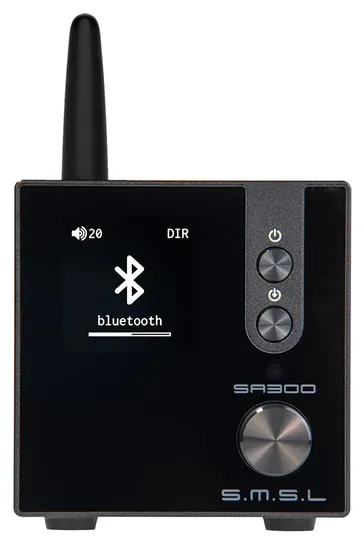
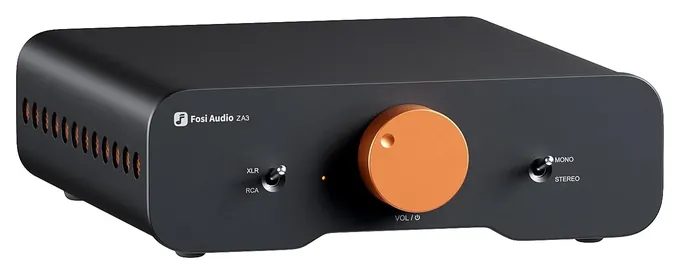
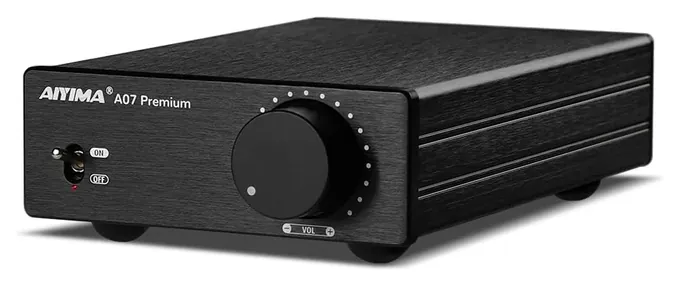
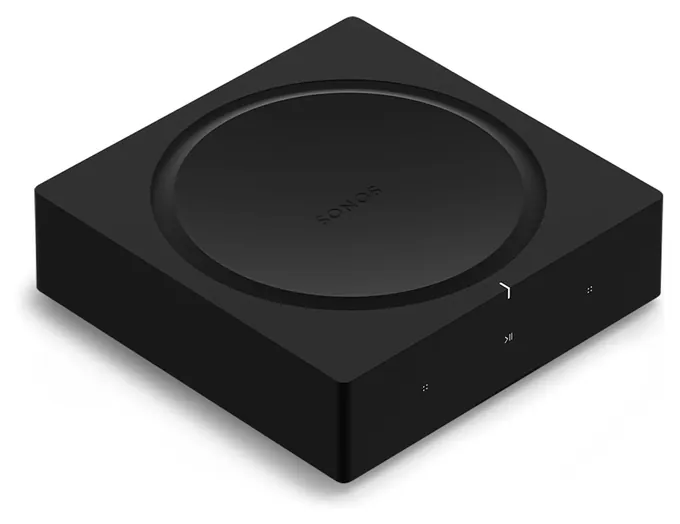
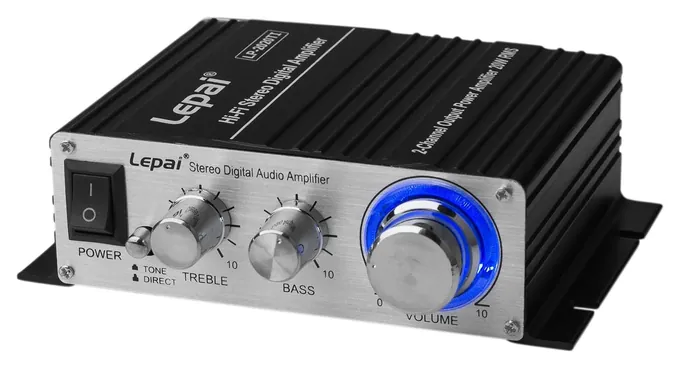
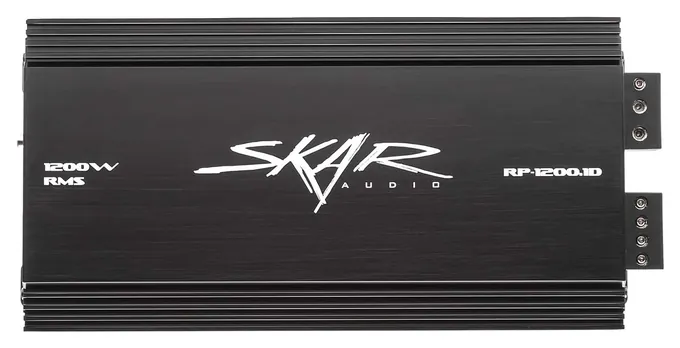
The Fosi Audio BT20A Pro now leads. It gives a pair of bookshelf speakers Bluetooth, a wired input and tone controls for little money, and its real power on the included supply is well documented. The SMSL SA300 and Sonos Amp stay. The WiiM Amp, Fosi Audio ZA3, AIYIMA A07 Premium, Lepai LP-2020TI and Skar Audio RP-1200.1D are new.
The NAD D 3045, NAD D 3020 v2, Topping PA3 and Alpine MRV-M500 have left the market, and the Rockford Fosgate R1200 is on its way out at retailers. We dropped the Power Acoustik RZ1, OSD XMP Series and Pyle PDA20BT for stronger current options, and kept one car amp, since most people reading this are shopping for home speakers.
The most telling evidence was a retailer's power table measured at a fixed distortion level, which shows how much a headline rating leans on the power brick. Independent bench measurements of the Fosi Audio ZA3 and AIYIMA A07, and published reviews of the WiiM Amp and Sonos Amp, filled in the rest.
October 13, 2020:
Even many highly demanding audiophiles are finally warming up to the idea of using class D amplifiers to power their home stereos, and in the case of car audio, the more efficient the topology, the better. For that reason, there are more worthwhile class D options available now than ever before.
If you are looking to outfit a vehicle, the Power Acoustik RZ1 is an impressively powerful and cost-effective choice that's relatively compact but doesn't skimp in terms of quality hardware. The Alpine MRV-M500 is another that has very few drawbacks, doesn't cost a fortune, and can drive reasonably large subwoofers without difficulty. If you want something that really bumps, though, the Rockford Fosgate R1200 might be what you're looking for, but don't use it with cheap subs, because it could very easily destroy them.
In-home audio is one category where class D technology is especially popular right now. The S.M.S.L. SA300 is an all-around high performer that will satisfy a huge majority of users, but those with higher demands should also consider the NAD D 3020 v2 and high-end NAD D 3045. The 3045, in particular, is impressively full-featured and can serve as the lynchpin for a multipurpose audio setup. The Sonos Amp is another premium choice, and despite its minimalist construction, boasts a range of features geared toward home theater.
November 29, 2018:
Class D amplification is one of the 21st century's less-heralded advancements; the technology's been refined over the last fifteen or so years to the point where many users are more than satisfied with the class's output quality. Plus, they're pretty small, extremely lightweight, and (generally) don't get very hot. For two-channel use at home, it's hard to beat the Dayton in terms of price and simplicity (note: "Class T" is simply a partially refined version of class D topology). We particularly like the SMSL for powering a Windows- or Android-based setup, as it's versatile, powerful, and easy to control from across the room. There's no shortage of impressive car audio options, either, and the Power Acoustik has about as good of a price-to-performance ratio as you'll find. Finally, the Skar is a fantastic choice if you have massive (and highly durable) subs that call for exceptional power levels.
Special Honors
Hypex Electronics A Dutch company founded in 1996, Hypex designs the class D amplifier modules, power supplies and DSP boards used inside many high-end amplifiers and active speakers. Its consumer store sells modules and kits, so a builder with electronics skills can assemble an amp around the same parts. Mains wiring is involved, so it is not a first project. hypex.nl
Crown XLS DriveCore 2 Series For PA speakers, a rehearsal space or a large passive subwoofer, Crown's fan-cooled XLS amplifiers are a long-running pro choice. The XLS 1002 is rated for 350 watts a channel into 4 ohms, takes XLR, quarter-inch and RCA inputs, and has built-in crossover and limiter settings. crownaudio.com
What Class D Means, And How It Sounds
With most bookshelf and floor-standing speakers the change is small.
A class D amplifier switches its output transistors fully on and off hundreds of thousands of times a second, then a filter smooths those pulses back into music. Because the transistors spend almost no time half on, very little power turns into heat, and efficiency above 90 percent is common (Wikipedia: Class-D amplifier). That is why a box the size of a paperback can drive full-size speakers, and why powered subwoofers, PA speakers and car bass amps nearly all use the design.
The old reputation for harsh sound came from early, cheap designs. Current chips such as Texas Instruments' TPA3255 and Infineon's MA12070 measure well on the bench; Pragmatic Audio's measurements of the original AIYIMA A07 found low distortion for its price (Pragmatic Audio). One real quirk remains. The output filter interacts with the speaker, so treble can rise or fall a little depending on what you connect, a point Hi-Fi News raised in its review of the WiiM Amp (Hi-Fi News review, PDF). With most bookshelf and floor-standing speakers the change is small.
At the high end, the same idea powers serious hi-fi. Dutch maker Hypex builds the class D modules found inside many expensive amplifiers and active speakers.
Reading The Watt Rating
Mini amps built on the TPA3255 chip often print 300 watts a channel on the box. That figure assumes a 48-volt power supply and high distortion. A French retailer's measurements of the Fosi Audio BT20A Pro show about 110 watts a channel into 4 ohms at 1 percent distortion on the 32-volt brick it ships with, and about 225 watts with a 48-volt supply (Audiophonics). Measured output can also fall short of the maker's own figure: a bench test of the Fosi ZA3 found it well under its 4-ohm rating, with protection tripping when pushed (Erin's Audio Corner).
More watts matter less than they seem. Doubling power adds only about 3 decibels, a small step in loudness, so 100 good watts is plenty for typical home speakers. Speaker sensitivity and room size matter more.
If you buy a bigger power brick, never exceed the voltage the maker allows, and give the amp room to breathe. One bench test of an AIYIMA A07 on a 48-volt supply saw it overheat and shut down (Pavel Macura's test). Check impedance too: most mini amps want 4 to 8 ohm speakers, and two 4-ohm pairs on one amp is too low a load.
Desktop, Streaming, Pro Or Car
Desktop mini amps are the cheapest route: a small box, RCA or Bluetooth in, and speaker posts out. Some add a built-in digital converter and USB input, which helps when a computer is the main source.
Streaming amps add Wi-Fi, an app and an HDMI input for the TV. What Hi-Fi found the WiiM Amp lively and simple to use, if less transparent than pricier gear (What Hi-Fi). The Sonos Amp does the same job inside a Sonos home (Sound & Vision), and in early 2026 Sonos added the Amp Multi for larger installs (9to5Google).
Pro power amps for PA speakers, such as Crown's XLS line, are fan-cooled, rack-sized and built to run for hours at high output. Car amps are their own world: a mono subwoofer amp rated for 1,200 watts at 1 ohm only reproduces bass, needs heavy power and ground cables, and needs an inline fuse close to the battery. Whatever the type, loud sound over time can damage hearing, so set levels sensibly.
How we researched this
We compared 16 class D amplifiers for desktop, streaming, pro and car use, read makers' spec sheets and a retailer's power tables measured at fixed distortion, studied independent bench measurements and published reviews for six of them, looked at long-term owner feedback, and checked every brand against the U.S. Consumer Product Safety Commission's recall records.
Sources (11)
- Wikipedia: Class-D amplifier
- Erin's Audio Corner: Fosi ZA3
- Pragmatic Audio: AIYIMA A07
- Pragmatic Audio: AIYIMA A07 Premium
- Pavel Macura: AIYIMA A07 on 48 V
- Hi-Fi News: WiiM Amp review (PDF)
- What Hi-Fi: WiiM Amp review
- Sound & Vision: Sonos Amp review
- 9to5Google: Sonos Amp Multi launch
- Hypex Electronics
- U.S. Consumer Product Safety Commission recalls
Frequently asked questions
What is a class D amplifier?
It is an amplifier whose output transistors switch fully on and off very fast, with a filter that turns the pulses back into sound. It wastes little power as heat, so it can be small, light and cool-running.
Do class D amplifiers sound worse than class A or AB amps?
Not any more. Current class D chips measure with low noise and distortion, and well-built models sound clean. Very cheap boards vary, and treble can shift slightly with different speakers.
Is a 200-watt amp twice as loud as a 100-watt amp?
No. Doubling power adds about 3 decibels, a small step. To sound twice as loud you need roughly 10 times the power. Speaker sensitivity matters more.
What are the disadvantages of class D amplifiers?
Headline power ratings are often optimistic, response can vary a little with the speaker load, and poorly built units can hiss or pick up interference. Mini amps also depend on their external power brick.
Can I use a bigger power supply on a mini amp?
Only up to the voltage the maker allows, often 48 volts on TPA3255 models. A stronger supply raises output, but the amp runs hotter and needs open air around it.
Can a class D amp power a subwoofer?
Yes. Most powered subwoofers use one inside. For a passive sub, use a mono amp or a stereo amp with a mono mode; in a car, use a mono subwoofer amp wired with a proper fuse.